


Pablo Negret, The University of Queensland and Daniel Lunney, University of Sydney
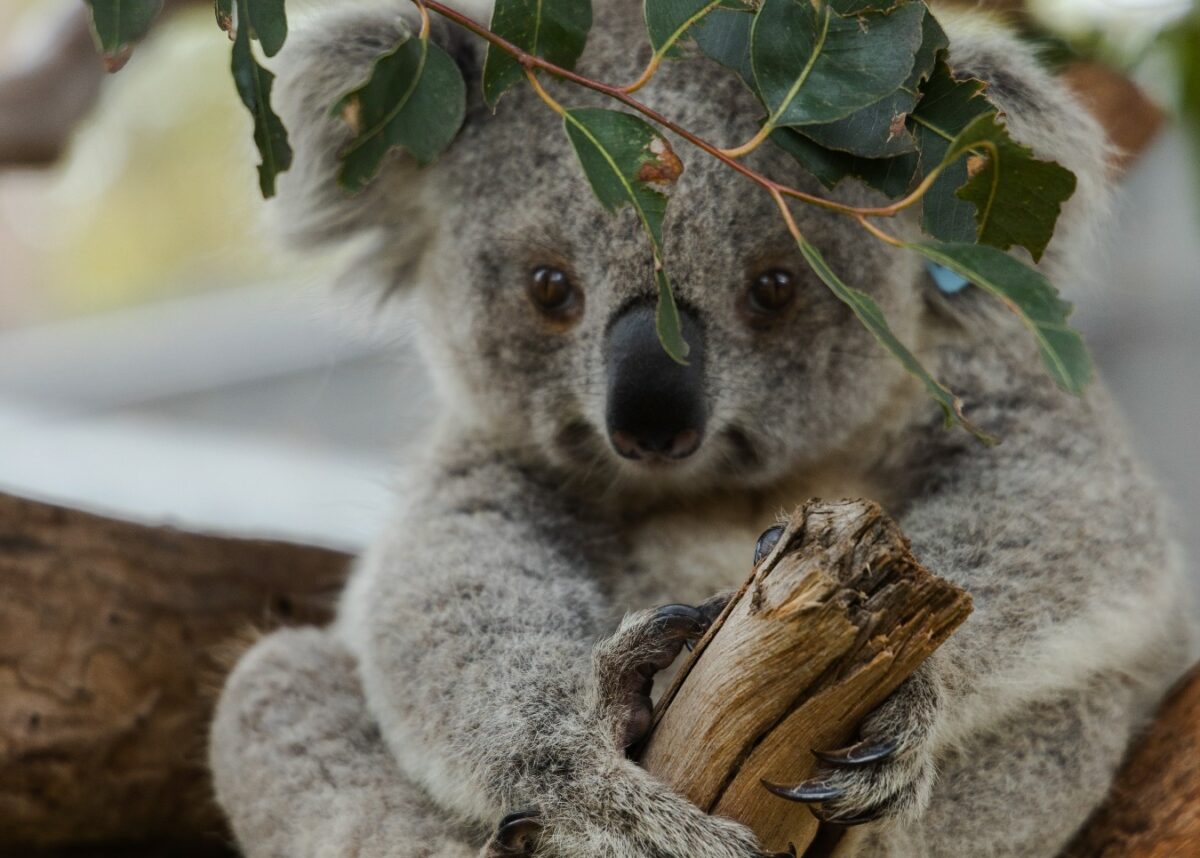
Figures released this week suggest Australia’s koala populations have plummeted by 30% in three years, and fewer than 58,000 now remain in the wild.
The statement from the Australian Koala Foundation has not been verified on the ground, giving it a high degree of uncertainty. But the claim aligns with a number of studies showing some koala populations are rapidly declining, particularly in Queensland and New South Whales.
Fire is an increasing threat to koalas; the 2019-20 megafires are estimated to have affected more than 60,000 koalas and reduced population numbers at multiple sites, including several areas of New South Wales. As bushfire risk increases under climate change, eucalyptus forest where koalas live are expected to suffer further impacts in the next 50-100 years.
So what’s the best way to protect these iconic animals from fires? Our new report for the National Environmental Science Program (NESP) sought to answer this question. We identified actions to reduce the risk of koalas being harmed by fires, and found gaps in scientific knowledge where more research is urgently needed.
A few big unknowns
Our research found scientific understanding of the interaction between fire management and koala conservation is lacking in three areas.
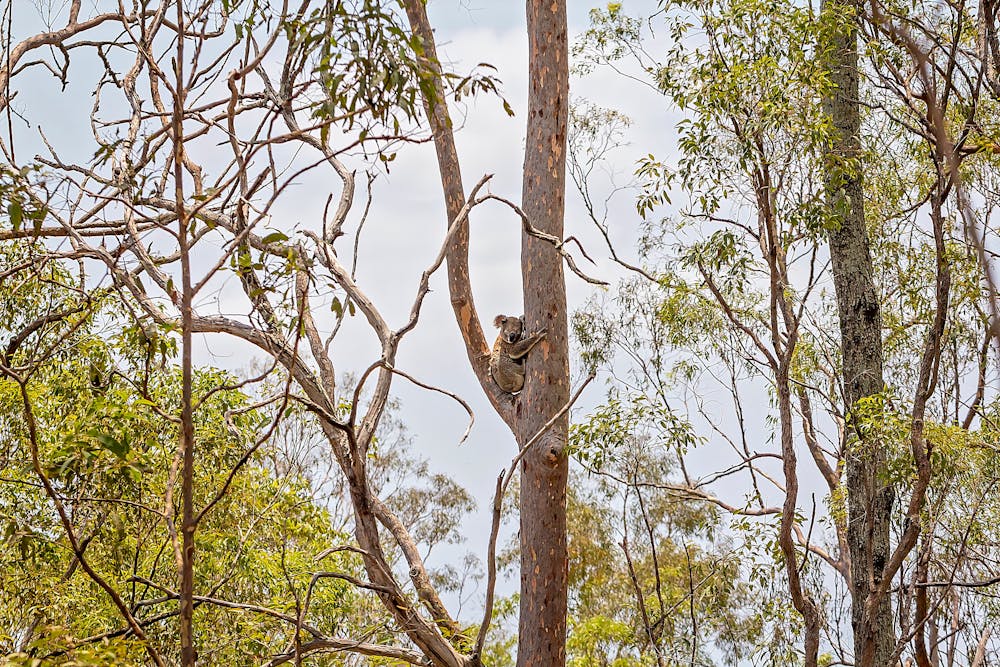
First, more research is needed on koala movements and their activity patterns before, during and after fires. For example, do koalas move during fire or stay in the same trees?


Evidence shows koalas rapidly move to and use recently burnt habitat. But it’s not known whether koalas found in recently burnt areas are new to that part of the forest or inhabited it before the fire.
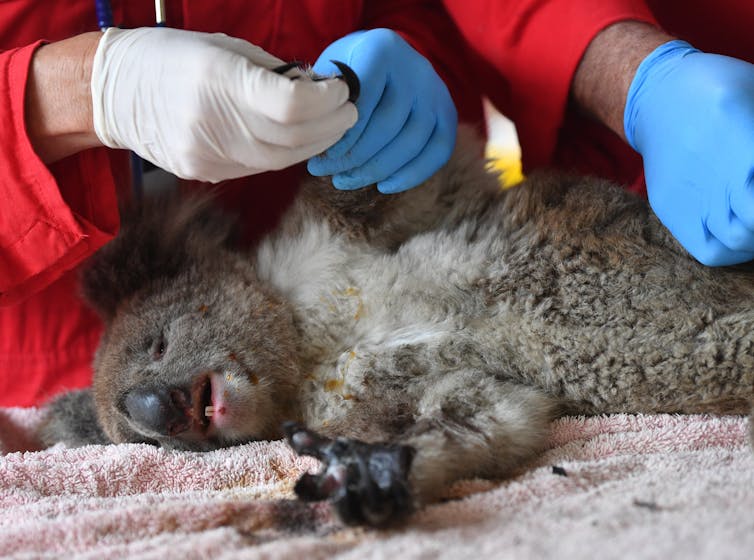
After bushfires and prescribed burns, koalas can be injured by smouldering bark or burning embers when moving between trees. They can also become dehydrated. But how this affects koala movement and survival is barely understood.
Second, we need better understanding of how prescribed burning affects koala populations, in both the short and long term. Prescribed burning may benefit koalas if it reduces the severity of bushfires, but it can also kill or injure individual koalas. Better understanding the positives and negatives is crucial.
This might be achieved through long-term GPS radio-tracking of individual koalas, or compiling information about injured or dead koalas after prescribed burns and reporting it to conservation authorities.
Third, we need to know more about links between habitat connectivity, bushfire characteristics and koala population dynamics.
For example, fire can cause koala habitat to fragment. This makes habitat drier, which in turn may increase fire frequency and severity. But increased fragmentation can also limit the spread of fire and make it easier to control, which ultimately benefits koalas. More research into these trade-offs is required.
Fires and koalas: a roadmap
Koalas can be protected from fires in various ways, including managing fire risk or, when fires do occur, managing koala populations and habitat to increase the chance of recovery.
But to date, there’s been little guidance about how effective various management actions are, and how best to allocate resources.
Our framework, one of the first of its kind, sought to address these questions. It can be used by land managers, scientists, koala rehabilitation groups, the media and the general public.
The work involved reviewing existing literature on fire ecology and management, as well as koala ecology and conservation. We also gathered expert advice through individual discussions and workshops in Queensland and New South Wales.
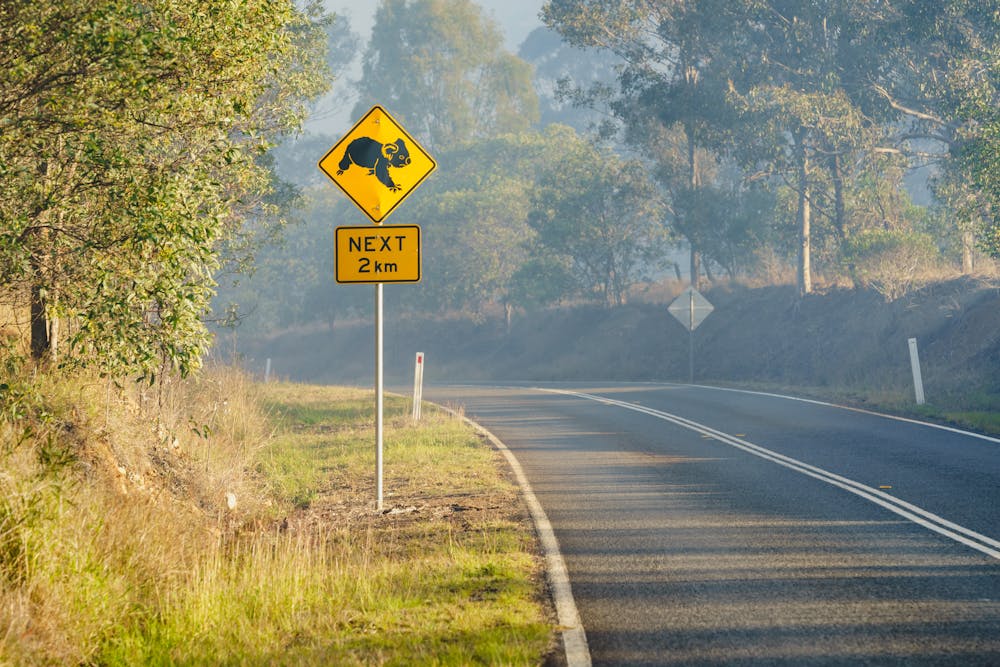
We identified several goals that, if achieved, will help maintain koala populations in fire prone landscapes. They include:
- improving or maintaining koala habitat and koala populations before and after fires. This might involve replanting, weed management, reforestation and pest control, long-term monitoring of koala populations and their habitat or minimising other threats, such as vehicle collisions, dog attacks, habitat loss and climate change
- maintaining or restoring fire patterns suited to an ecosystem – for example, by conducting prescribed burning to make an area less flammable in the case of altered fire frequency, or so-called “mosaic” burning to create patches of burnt and unburnt areas
- actions during bushfires, such as creating a low-intensity backburn that travels down a slope away from koala areas
- exchanging knowledge between koala conservation organisations and Traditional Owners, Indigenous communities of the area and the various fire management authorities
- effective post-fire management, such as quickly rescuing injured koalas for rehabilitation, and restoring key koala habitat.
Looking ahead
Our proposed strategies and actions should also take into account other priorities, such as human safety, property protection and cultural values of Indigenous people and others.
Our framework requires further development. But it’s a first step in bringing together information previously scattered across different sources and branches of knowledge.
The report gives those working to protect koalas, and other tree-dwelling species such as greater glider, a set of guidelines to manage fire and ensure koala conservation strategies are effective. Our research methods can also be used to identify fire management strategies for other species around the world.
Pablo Negret, Postdoctoral research fellow, The University of Queensland and Daniel Lunney, Adjunct professor, University of Sydney
This article is republished from The Conversation under a Creative Commons license. Read the original article.







