


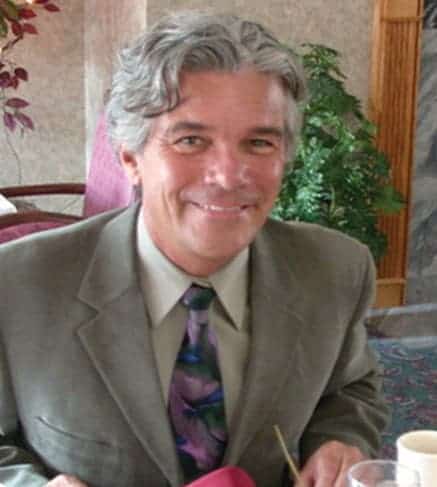
The “revolution” begins with President William “Bill” R. Lutz, whose early career in fine dining operation ownership shaped a disciplined, customer-driven mindset. “By the mid‑90s, I found opportunities to apply retail concepts in residential care environments, and that changed everything. It started a daisy chain of services that offered choice and addressed time limits, typical short‑staffing issues, and budgetary concerns. I had the opportunity to rethink the way I applied culinary principles to residential care communities, compliantly, which required a completely different approach,” he shares.
Over the years, he trained food service and health care staff, spearheaded structured courses, and developed cooking manuals and procedures designed specifically for residential care communities. When Optimum Solutions was established in 1997, it formalised this work into a platform that engages teams across all levels, combining education with system design to support practical change.
From that foundation, the company frames food production, execution, and delivery services as part of a larger global community operational system. “In residential care, you’re constantly juggling financial pressures, staffing challenges, and residents and families who expect more every day. And because food cost directly impacts the bottom line, it ends up becoming an important outcome,” Lutz states. “That tension between improved customer service and efficient food cost can feel unattainable, but it should in fact be entirely achievable.” Optimum Solutions introduces an alternative line of thinking: a return to commonsense, compliant dining practices while addressing system‑wide operational infrastructure, resulting in profoundly positive outcomes across the full spectrum of a community’s services.
This perspective takes shape through a “Dining Dance Framework,” which organises food service into a coordinated sequence of actions. Production and execution services occur in the kitchen, while delivery services, typically carried out by frontline nursing and caregiving staff, follow compliant steps within a shared process. Timing, communication, and accountability link these elements together, aiming to reduce fragmentation between departments and create a customer‑directed experience.
Lutz explains, “There comes a moment when the community grasps this concept and creates not only an improved customer experience but also fiscal accountability.”
Such coordination, Lutz notes, also addresses longstanding interdepartmental divisiveness found in nearly all communities. He observes that kitchen teams, nursing staff, and leadership often operate with separate priorities and fiscal inconsistencies, which can lead to delays and poorly perceived dining experiences for residents and families alike. This “dining dance” introduces a shared structure that creates interdepartmental alignment without imposing unreasonable expectations, hence Lutz’s emphasis on “evolution.”