


Neil McCulloch, Institute of Development Studies and Radek Stefanski, University of St Andrews
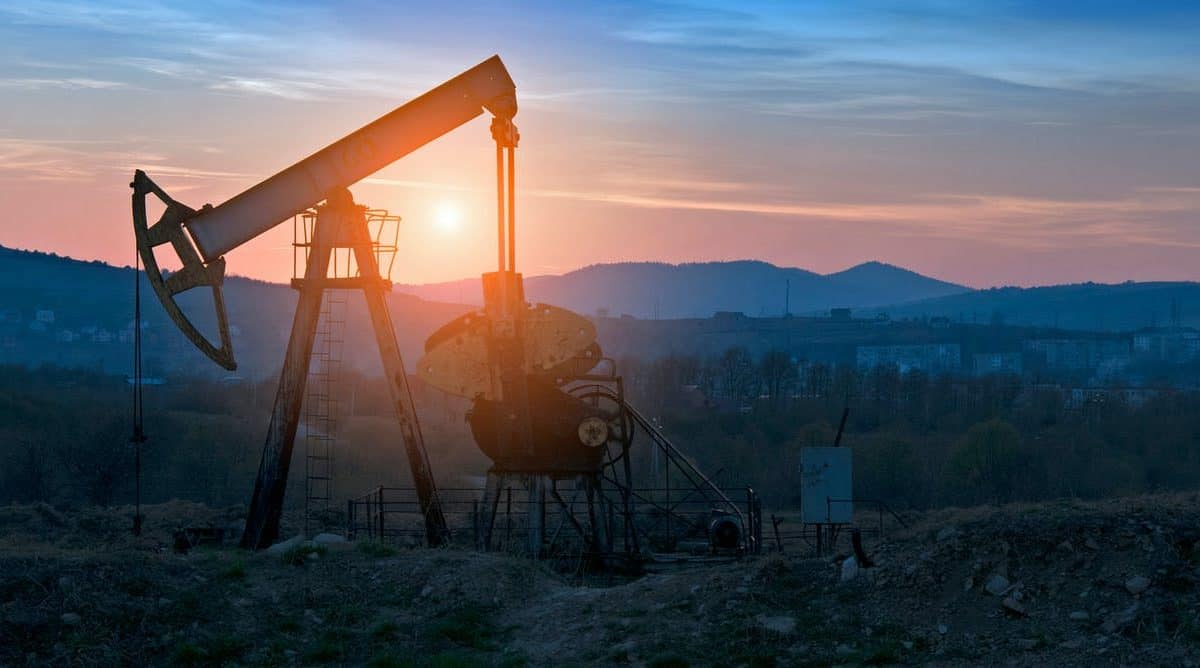
Any feasible pathway out of the climate crisis involves dramatically lowering our consumption of fossil fuels. It’s astonishing, then, that many countries not only don’t reflect the damage caused by burning fossil fuels in the taxes imposed on them, but actively subsidise their extraction and use. Despite an agreement at the G20 in 2009 to eliminate fossil fuel subsidies, the US, China and Russia alone spent US$909 billion (£656 billion) on them in 2017, the most recent year available – that’s nearly 40% more than in 2009.
Governments can subsidise the fossil fuel production through transferring funds directly to companies, assuming some of their risk or selectively reducing their taxes. They can undercharge them for using goods or assets supplied by the state too – by letting oil companies drill on public land without paying royalties, for example. Governments can alternatively provide consumer subsidies by lowering taxes on fuel or electricity or setting their prices.
Subsidies exist when fossil fuel prices fail to reflect their true costs, including how much pollution they cause. This encourages us to use more of them. Emissions from burning fossil fuels were responsible for one in five premature deaths in 2018, but the IMF has estimated that raising the price of fossil fuels to fully reflect their wider social costs could cut this number in half.

If we take the difference between the price that fossil fuels should be sold at to reflect their full costs to society and the price at which they are actually sold, and multiply this by the quantity of fossil fuels consumed worldwide, we get an estimate of the harm caused by underpricing fossil fuels. Globally, this amounts to US$5.2 trillion, or 6.5% of the global economy – a far larger share than that caused by tariffs and quotas on international trade.
So if fossil fuel subsidies are so damaging, why do countries continue to offer them?
The habit of a lifetime
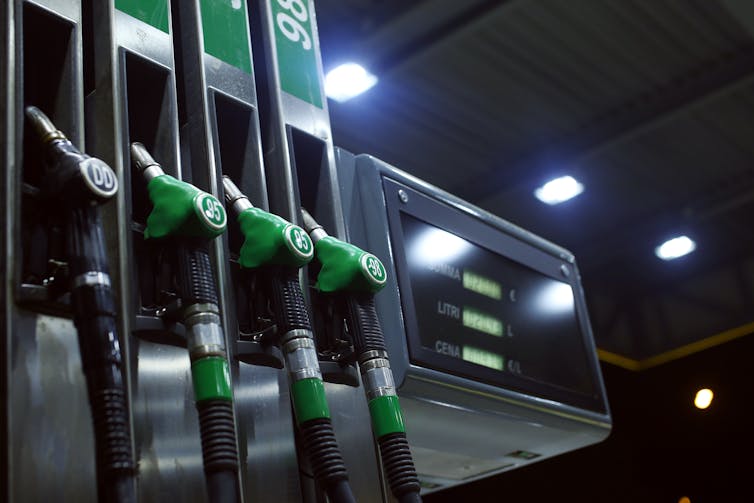
Fossil fuel subsidies are often implemented by countries that export fossil fuels. People living in those countries tend to regard these reserves as a national asset, so governments use consumer subsidies to keep petrol prices cheap and effectively buy public approval.


Fossil fuel subsidies are also a large share of GDP in many countries that have weak institutions and public administration. Implementing subsidies in the form of cheap fuel and electricity is an easier way to deliver public benefits than creating public healthcare or social protection systems.
The existence of oil, gas and coal in a country can generate “economic rents”. That is, profits over and above a normal rate of return, such as the extra profits made by oil companies when oil prices are high. In most countries, powerful interests can capture a large share of these economic rents by ensuring that they or their allies control state-owned enterprises. Fossil fuel production subsidies – such as those used by the US, UK, Russia, China and the EU – make fossil fuel industries more profitable by reducing their costs, boosting the returns to elites and helping sustain their political power.
Removing large subsidies can cause domestic fuel prices to soar, sometimes leading to fuel riots. But in some countries, reforms of fossil fuel subsidies have been undertaken peacefully. In 2011 El Salvador replaced a price subsidy on liquid petroleum gas with a cash transfer by consumers. India scrapped diesel subsidies in 2014, while Indonesia eliminated its petrol subsidies in 2015. So what’s the secret of their success?
Reforming subsidies
All successful reformers have managed to sell their plans to the majority. President Jokowi sold Indonesia’s 2015 reforms by promising free healthcare and schooling in exchange for higher petrol prices. Having an offer that resonates makes a huge difference.
But history suggests that sticking to these reforms will be difficult. A global study of gasoline prices between 2003 and 2015 showed that net fossil fuel subsidies increased by 5% each year.
Three measures would make a big difference. The first is leadership. Joe Biden has started his presidency by directing US federal agencies to eliminate subsidies for fossil fuels which are under their control (although many more remain). Other governments should follow suit.
Support among the international community for fossil fuel subsidy reform is pitifully small. Funding for the largest programme committed to reducing fossil fuel subsidies is 10,000 times smaller than the subsidies it’s trying to influence.
A completely new approach is needed. Agencies responsible for aid to other countries, including the UK’s new Foreign and Commonwealth Development Office, need to recognise that subsidy reform is fundamentally a political challenge. Countries like Sudan, Pakistan, Lebanon and Libya need support for managing a transition from fossil fuel subsidies towards an effective political offer of universal healthcare, free education and electrification.
Eliminating fossil fuel subsidies is not an optional extra in the effort to decarbonise the global economy, it’s central to the entire transition. But achieving widespread support for this will take political leadership, policy innovation and far greater funding.
Neil McCulloch, Associate Fellow of Political Economy, Institute of Development Studies and Radek Stefanski, Senior Lecturer in Economics, University of St Andrews
This article is republished from The Conversation under a Creative Commons license. Read the original article.







