

• Advertise
  • About us
  • Terms and Conditions
  • Contact us
Wednesday, November 19, 2025
Australian Times News
  • News
    • Weather
    • Sport
    • Technology
    • Business & Finance
      • Currency Zone
    • Lotto Results
      • The Lott
  • Lifestyle
    • Entertainment
    • Horoscopes
    • Health & Wellness
    • Recipes
  • Travel
  • Expat Life
  • Move to Australia
No Result
View All Result
  • News
    • Weather
    • Sport
    • Technology
    • Business & Finance
      • Currency Zone
    • Lotto Results
      • The Lott
  • Lifestyle
    • Entertainment
    • Horoscopes
    • Health & Wellness
    • Recipes
  • Travel
  • Expat Life
  • Move to Australia
No Result
View All Result
Australian Times News
No Result
View All Result
Home at

Scientists use ‘fake news’ in the battle to protect vulnerable birds

No, not the fake news of US election campaigns – rather clever deceptions designed to lure predators away from hatching young birds.

Mike Simpson by Mike Simpson
13-03-2021 04:07
in at, News
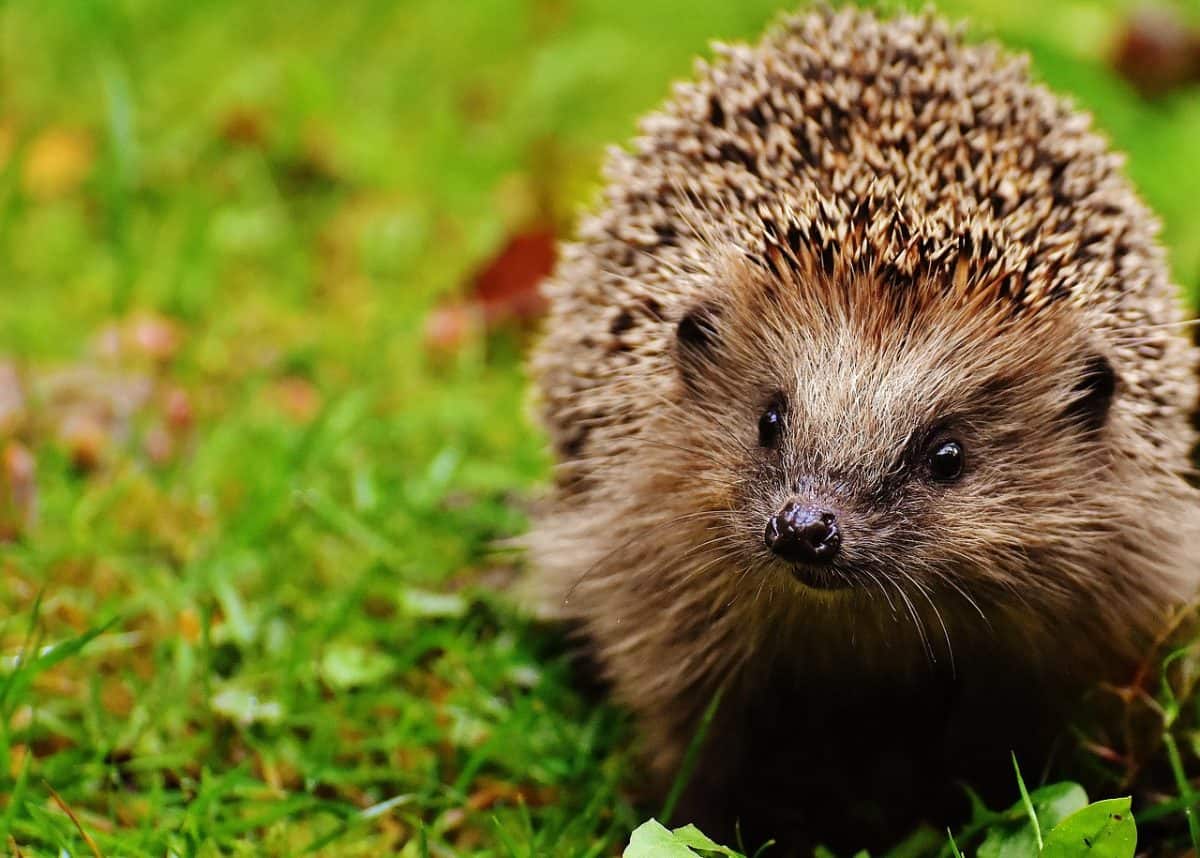
Hedgehogs are among the predators misled by the ‘fake news’. Image by Alexandra ❤️A life without animals is not worth living❤️ from Pixabay

Hedgehogs are among the predators misled by the ‘fake news’. Image by Alexandra ❤️A life without animals is not worth living❤️ from Pixabay

In a paper published this week, researchers from the University of Sydney and Manaaki Whenua-Landcare Research in New Zealand found that tactical misinformation – what we call ‘fake news’ – can be used to deceive predators and double or triple the odds of successful hatching in endangered birds.

The research offers a new way to control the impact of predators such as rats, foxes and cats without employing lethal force; a method that is considered to be a ‘blunt tool’ when it comes to reducing predator numbers.

“Predators, like all foragers, must make constant decisions about what information to pursue and what information to ignore in their search for food,” said the paper’s co-authors, Professor Peter Banks and Dr Catherine Price from the School of Life and Environmental Sciences at the University of Sydney.

Predators must have accurate information about food

They explain that making good decisions requires animals to have accurate information about food, which means they are vulnerable to ‘fake news’.

Based on the principles of decision-making theory, the ‘fake news’ solution developed by Banks and Price works by assuming predators will give up or move on from areas that offer little reward. It also predicts they will stop searching for prey that are too hard to find when other food is available.

Working in the riverbeds of the Mackenzie Basin on New Zealand’s South Island, scientists tested the response of cats, ferrets and hedgehogs to false odour cues at nesting sites for three endangered shorebird species.

“To undermine the predators’ tactics, we put out ‘fake news’ about birds’ nests before the birds arrived to lay their eggs. This was of a mix of bird odours typical of a nest, designed to trick predators into thinking the scent would not lead to food,” Professor Banks said.


AlsoRead...

Welding Safety Gear in NZ: Helmets, Respirators, and Fume Control

Welding Safety Gear in NZ: Helmets, Respirators, and Fume Control

18 August 2025
Why the Greeff Brothers built Founders table as Australia's answer to Elite Business Communities that cost nothing

Why the Greeff Brothers built Founders table as Australia’s answer to Elite Business Communities that cost nothing

4 August 2025

When the birds arrived the predators had lost interest

“Predators were initially attracted to the odours, but within days they lost interest in the odour and stopped visiting it,” Dr Price explained. “When the birds arrived to nest, the predators weren’t interested in them.”

The nest survival statistics were striking for all the nesting bird species. Compared with sites where the ‘fake news’ hadn’t been deployed, odour treatments resulted in a 1.7-fold increase in chick production over 25–35 days – and doubled or tripled the odds of successful hatching.

The scientists predict that for certain species, such as the banded dotterel, this intervention could result in a 127 percent increase in population size in 25 years of annual odour treatment.


Tags: BirdsenvironmentFake newsResearchScientific researchUniversity of Sydney
DMCA.com Protection Status

SUBSCRIBE to our NEWSLETTER

[mc4wp_form id=”2384248″]

Don't Miss

Everything Parents Need to Know About Baby Soft Play and Why It’s a Game Changer

by Fazila Olla-Logday
11 November 2025
Everything Parents Need to Know About Baby Soft Play
Health & Wellness

Baby soft play is a fun, safe, and educational way for little ones to explore and grow. Discover the benefits...

Read more

WOMAD Sets Up a New Camp in Wiltshire – Australian festival fans take note!

by Kris Griffiths
11 November 2025
Kumbia Boruka brought their reggae and dancehall flavour to the Taste the World Stage at WOMAD 2024 - Credit - Mike Massaro
Entertainment

With its 2026 edition moving to Neston Park in England, WOMAD offers Aussie music lovers a chance to reconnect with global...

Read more

Where in Europe you should go for your next breakaway

by Fazila Olla-Logday
8 October 2025
Where in Europe you should go for your next breakaway
Travel

When it comes to travelling and going on holiday, you can’t really go wrong when booking a trip to Europe....

Read more

Why Fairness Matters in Today’s Online Gaming World

by Fazila Olla-Logday
17 September 2025
What Real Fairness in Online Gaming Looks Like
Gaming

Explore what makes gaming platforms trustworthy and fair. Learn what to look for and how fairness enhances your experience.

Read more

Dee Tozer reveals why criticism mutes lovingness in partnerships

by Pauline Torongo
12 September 2025
Dee Tozer reveals why criticism mutes lovingness in partnerships
Lifestyle

Criticism is often brushed off as “just being honest” or “trying to help.” Yet in practice, its impact on relationships...

Read more

Global Shifts: How Geopolitics and Economics Are Driving Private Jet Demand

by Fazila Olla-Logday
4 September 2025
How Geopolitics and Economics Are Driving Private Jet Demand
Travel

The rise in global wealth—particularly across emerging economies—is reshaping private jets from symbols of luxury into vital tools for business...

Read more

5 Things Australians Renting in the UK Need to Know About Possession Claims

by Fazila Olla-Logday
4 September 2025
5 Things Australians Renting in the UK Need to Know About Possession Claims
Expat Life

Facing a possession claim while renting in the UK? Here's what Australians need to know to protect their rights and...

Read more
Load More

Copyright © Blue Sky Publications Ltd. All Rights Reserved.
australiantimes.co.uk is a division of Blue Sky Publications Ltd. Reproduction without permission prohibited. DMCA.com Protection Status

  • About us
  • Write for Us
  • Advertise
  • Contact us
  • T&Cs, Privacy and GDPR
No Result
View All Result
  • News
    • Weather
    • Sport
    • Technology
    • Business & Finance
      • Currency Zone
    • Lotto Results
      • The Lott
  • Lifestyle
    • Entertainment
    • Horoscopes
    • Health & Wellness
    • Recipes
  • Travel
  • Expat Life
  • Move to Australia

Copyright © Blue Sky Publications Ltd. All Rights Reserved.
australiantimes.co.uk is a division of Blue Sky Publications Ltd. Reproduction without permission prohibited. DMCA.com Protection Status





