Nathan Smith, University of Manchester
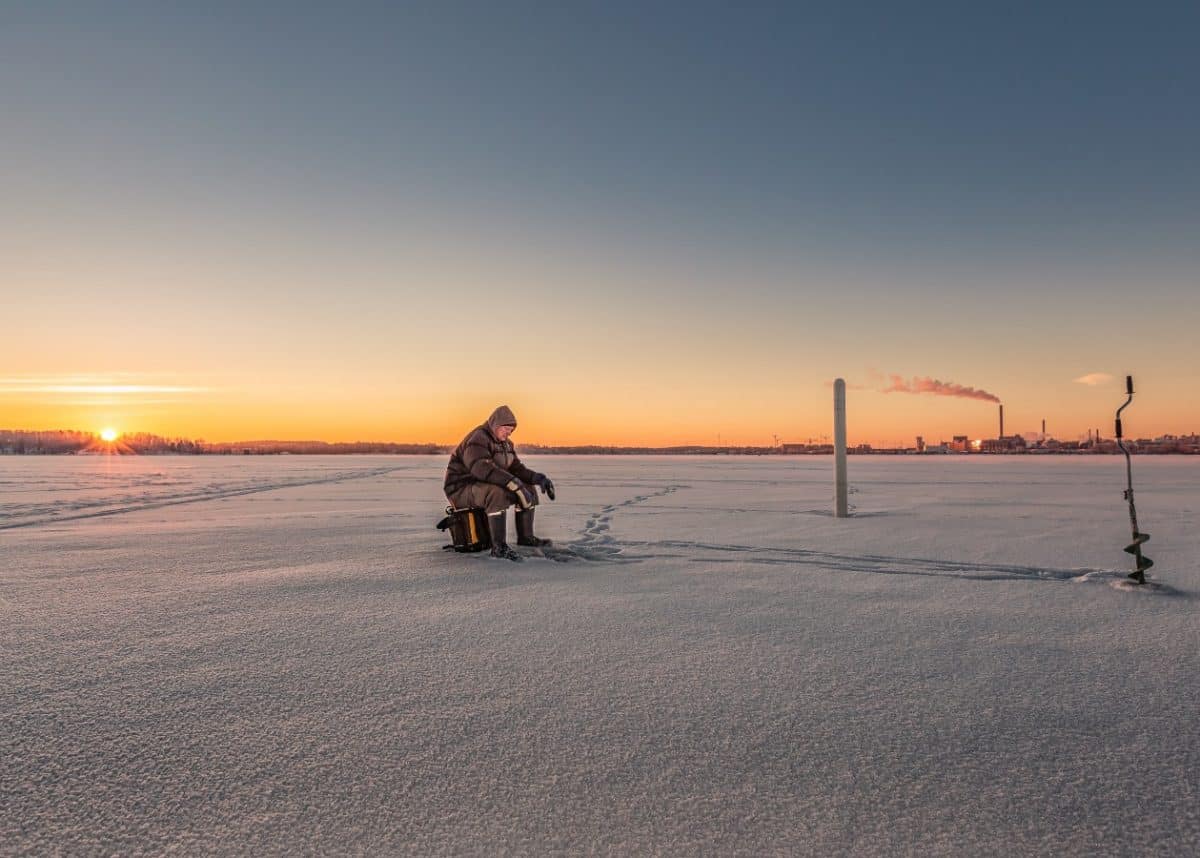
Being forced into isolation and confinement creates a number of potentially stressful demands. However, we might be able to learn a thing or two about coping with these demands, from people who choose a life in such settings.
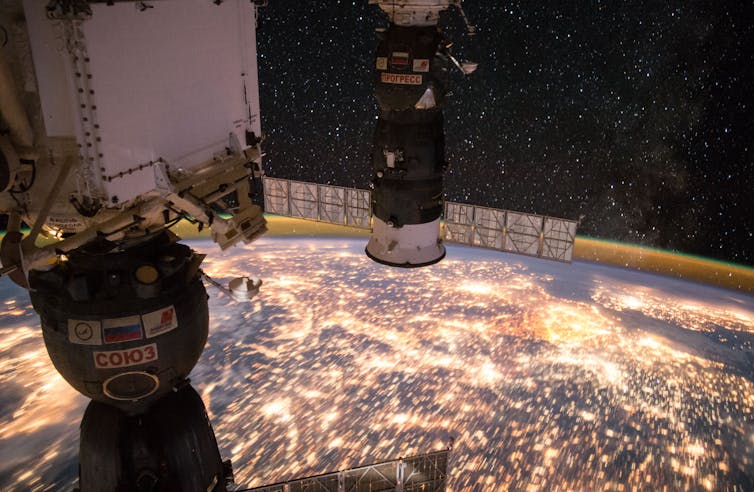
Despite the glorified image of being an astronaut, isolation and confinement remains a challenge for the star sailors that live above us. Demands associated with isolation and confinement are known as a red risk for long duration human spaceflight, which means they have the highest “likelihood of occurrence and the severity of their impact on human health, performance in mission, and long term quality of life”.
Astronauts know that by choosing to fly in space, they are going to have to live, work and play under isolated and confined conditions. Clearly, being a well trained astronaut flying in space is different to being thrust into another pandemic related lockdown. Yet instead of trivialising what we are going through, we can look to astronauts’ experiences for tips to improve our own situation.
How astronauts cope
During the coronavirus pandemic, astronauts have shared their experiences of how they cope with life in space. Peggy Whitson, Scott Kelly and Chris Hadfield talked about the importance of exercise and valuing time spent in nature, even if that is in a virtual environment. They emphasised trying to find purpose in what is being experienced and what you are doing, making time for laughter and fun and investing time and effort in social relationships.
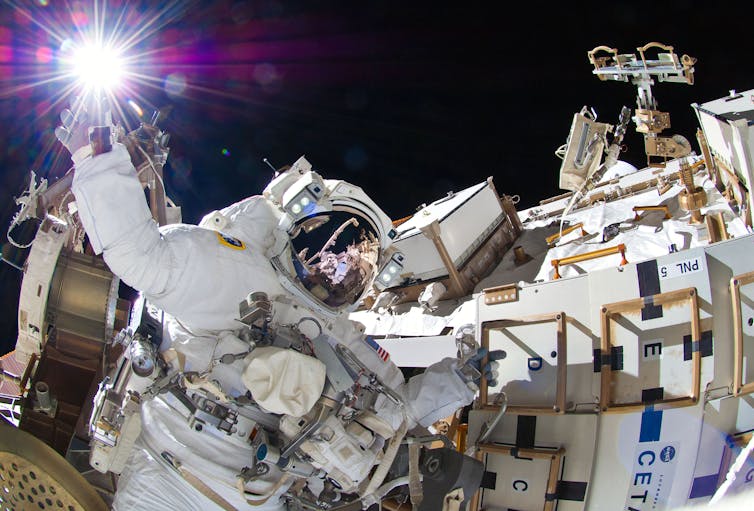
British astronaut Tim Peake talked about the importance of structure and routine, while other European Space Agency astronauts referred to taking early corrective action if health, wellbeing and social relations are starting to deteriorate. This advice aligns closely with findings of research work on coping with life in isolation and confinement that colleagues and I have been doing for the past few years.
Self-management
The International Space Station has its own Human Behaviour and Performance Competency Model (ISS HBP model). Before flying in space, astronauts are trained in this framework to ensure they can work effectively as part of an inter-reliant crew. One of the cornerstones of the ISS HBP model is self-care and self-management. For astronauts, being able to monitor, regulate and take care of their own behaviour, health and performance is crucial, but it requires self-attention and awareness.


This is partly why skills such as mindfulness, meditation and similar exercises like yoga and Tai Chi have been identified as possible space health countermeasures, to alleviate the health impact of being in space.
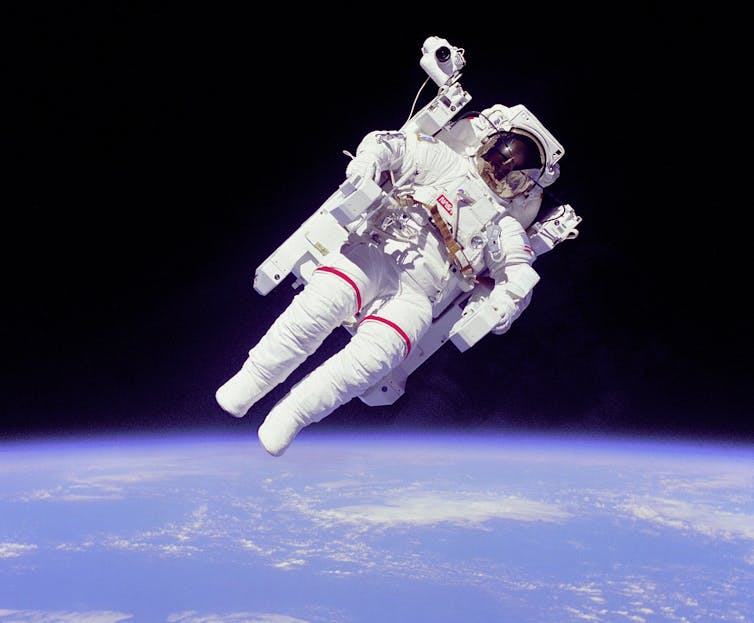
Journaling and writing things down also provide a way of reflecting on sources of stress. Data from wearable devices, or even a smart phone, offer a detailed insight into how we are functioning that can enable our own self-care skills.
Equipped with this knowledge, it is possible to respond flexibly and adaptably to reduce stress before it becomes a bigger issue. In addition, astronauts have talked about using various stress-coping methods from relaxation and breathing exercises to mental skills like positive reframing, imagery, self-talk, and goal setting.
Beating monotony
A major challenge of lockdown, and something that is equally felt in extreme environments like space, is monotony. Although this may sound obvious, breaking up the time and focusing in on the near term can be a helpful strategy.
Astronauts regularly talk about celebration, and in particular spending time together over food, as a way of making their time in space more interesting. Others have suggested searching out new hobbies or doing the things you have always wanted to do but not had the time. This might be something intellectual, artistic or something more light-hearted, like playing games. The latter is probably most likely if you have kids to entertain, like me.
Conflict
During lockdown, we are in very close proximity with the people we are confined with but experience extreme separation from other family and friends. This can create a number of challenges.
In some of our recent work, we have looked at the issue of communication and conflict in teams on the ISS. People we interviewed talked about not letting tensions reach boiling point and avoiding ‘fanning the flames’ when someone else is frustrated. They stressed the importance of being able to calmly and sensitively bring up issues and making sure to pick the right time to do so.
If tensions have led to some kind of argument, usually crew let a bit of time pass. After the individuals have had some time to think about what happened, they can discuss and resolve it calmly.
How tech can help
Digitals tools can provide us with a system to maintain some kind of social connection with the people we are separated from. In space, astronauts arrange private family conferences to regularly talk to loved ones.
One of the challenges with potential for virtual access, however, is expectations need to be managed. If you are setting up regular calls with family, consider putting some boundaries around when, how often and what should be expected.
Finally, care packages received on the ISS are a big morale booster and something that astronauts look forward to. If you know someone somewhere is having a rough time, think about sending a little surprise care package in the post. This can have a tremendous psychological effect.
Overall, being isolated and confined in lockdown is a challenging experience for many people. But looking at a setting where isolation and confinement is the norm, we might be able to learn how to make the experience that bit more tolerable.
Nathan Smith, Research Fellow Psychology, Security and Trust, University of Manchester
This article is republished from The Conversation under a Creative Commons license. Read the original article.