• Advertise
  • About us
  • Terms and Conditions
  • Contact us
Sunday, December 7, 2025
Australian Times News
  • News
    • Weather
    • Sport
    • Technology
    • Business & Finance
      • Currency Zone
    • Lotto Results
      • The Lott
  • Lifestyle
    • Entertainment
    • Horoscopes
    • Health & Wellness
    • Recipes
  • Travel
  • Expat Life
  • Move to Australia
No Result
View All Result
  • News
    • Weather
    • Sport
    • Technology
    • Business & Finance
      • Currency Zone
    • Lotto Results
      • The Lott
  • Lifestyle
    • Entertainment
    • Horoscopes
    • Health & Wellness
    • Recipes
  • Travel
  • Expat Life
  • Move to Australia
No Result
View All Result
Australian Times News
No Result
View All Result
Home News

More than 1 in 3 New Zealanders remain hesitant or sceptical about COVID-19 vaccines. Here’s how to reach them

As Aotearoa New Zealand begins the third week of COVID-19 vaccinations, the focus turns from the 12,000-strong border workforce to their families and household contacts.

The Conversation by The Conversation
09-03-2021 06:09
in News
Ministry of Health, CC BY-ND

Ministry of Health, CC BY-ND

Jagadish Thaker, Massey University

As Aotearoa New Zealand begins the third week of COVID-19 vaccinations, the focus turns from the 12,000-strong border workforce to their families and household contacts.

Frontline health and emergency staff will be next in line, followed by the general population. While we can expect border, health and emergency workers to be largely supportive of vaccination, the views among the general public vary significantly.

Drawing on national survey data based on 1040 participants, we identified four distinct groups: vaccine enthusiasts (36%), supporters (28%), hesitants (24%) and sceptics (12%).
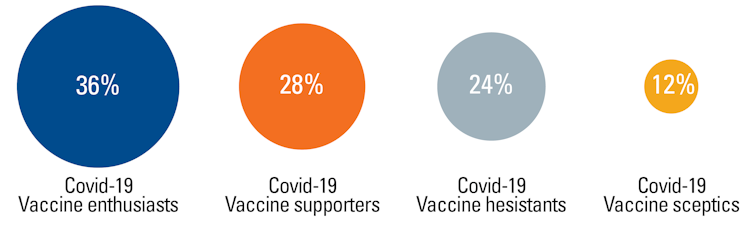
Graphic showing how different groups consider COVID-19 vaccines, with 36% enthusiastic, 28% supportive, 26% hesitant and 12% sceptical.
Surveys identified four distinct groups of how people respond to to COVID-19 vaccines.

Our finding is similar to surveys commissioned by the Ministry of Health which found a quarter (24%) of respondents unwilling and another 16% unlikely to accept a “well-tested and approved” COVID-19 vaccine, with a slight increase in vaccine hesitancy between surveys. An online Spinoff poll conducted in May last year and again in February this year also found an increase in vaccine hesitancy.

The COVID-19 immunisation roll-out is New Zealand’s largest vaccination campaign and effective health communication will be important to its success. A key principle is to understand the different public segments, their vaccination intentions and the information sources they trust.

This can help health authorities and local advocacy groups better communicate the most important and useful information through channels most likely to reach their target public(s).


AlsoRead...

Ryan: Building real freedom through e-commerce

Ryan: Building real freedom through e-commerce

27 November 2025
Design Australia Group: Redefining Drafting as the engine of housing growth

Design Australia Group: Redefining Drafting as the engine of housing growth

26 November 2025
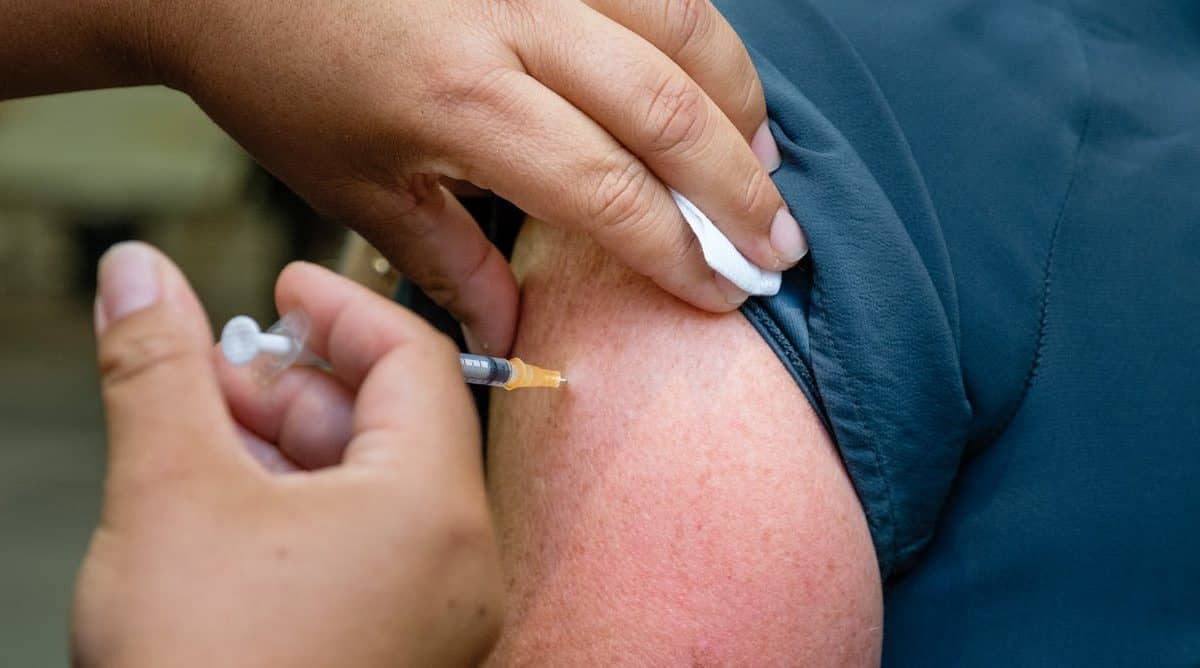
A nurse administering a COVID-19 vaccination
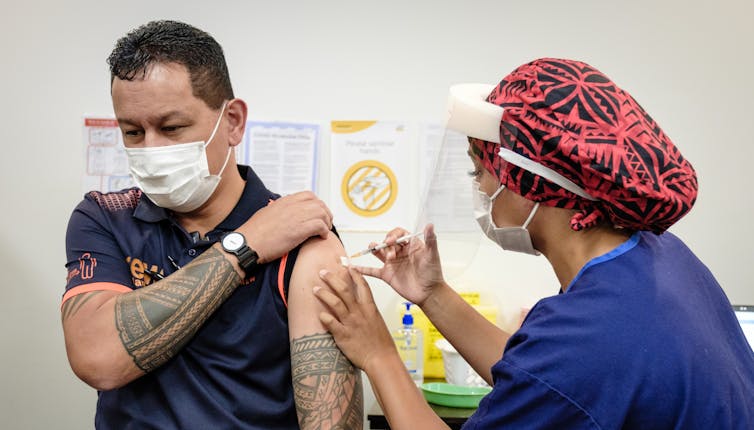
A manager at the Jet Park managed quarantine facility receiving his vaccination. Ministry of Health, CC BY-ND

How people receive information they trust

COVID-19 vaccine enthusiasts represent the largest segment of the New Zealand public. Almost all in this group “strongly agree” (98%) to taking a vaccine, strongly support restrictions against individuals who refuse to vaccinate, and have high trust in information sources. They are likely to be male, older, rich, highly educated, and are less likely to be Māori.

COVID-19 vaccine supporters represent a group in which most people say they “somewhat agree” (74%) to taking a vaccine. They are more likely to be male, young or middle aged, moderately educated with at least a certification or diploma, and of Asian ethnicity. This group may require a little nudge from their trusted sources of information such as health experts and mass media.

COVID-19 vaccine hesitants are divided about getting a vaccine. This group represents those who are most likely to choose “neutral” to getting the vaccine (79%) or putting their name on a list to get a vaccine (74%). This group is “sitting on the fence” and could be swayed either way.


About 15% in this group have previously refused vaccination and a small minority (5%) have refused vaccination of their child. They are more likely to be female, young or middle aged, with low to moderate education levels, poor and Māori.

COVID-19 vaccine sceptics represent individuals who overwhelmingly say “no” to getting a vaccine (99%). About a third (35%) have previously refused vaccination and 18% have refused vaccination of their child. They strongly oppose any restrictions against individuals who refuse a COVID-19 vaccine if it were made mandatory. This group is likely to be female, older, poor, less educated, Māori and Pasifika.

Reaching vaccine hesistants and sceptics

Vaccine hesistants are the most important target group for a COVID-19 vaccination campaign as they are critical for “herd immunity”.

This group trusts information on social media, but has low levels of trust in mass media and health experts, thereby limiting the effectiveness of a mass media campaign to reach them.

Their key concerns include the rapid development and approval of the new vaccines, vaccine safety and effectiveness, and whether vaccination is actually needed at all. A social media campaign with information that addresses these concerns is likely to convince this group.

While vaccine sceptics make up only a small proportion of the population (12%), they are more likely to be from at-risk communities such as Māori and Pasifika. Our inability to convince members in this segment will not only hamper public health outcomes but further exacerbate historical health inequities, including a disproportional disease burden.


The vaccine sceptics are more likely to trust information from family and friends. They are less likely to trust other sources of information, including mass media, social media and health experts. They report low trust in information on social media about COVID-19 and are more likely to describe it as fake.

A more localised communication campaign, through their trusted network of family and friends, is likely to be effective in reaching sceptics.

New Zealand has been a world leader in public health communication during the COVID-19 outbreak, ensuring the public understood and largely supported restrictions and adopted behaviours to prevent the spread of the virus.

An unprecedented scientific endeavour has resulted in the development and approval of a number of COVID-19 vaccines in a remarkably short time, within a year of the start of the pandemic. But this brings a new public health challenge — reaching that substantial proportion of the population that remains hesitant or sceptical about the safety and benefits of vaccination against COVID-19.

Jagadish Thaker, Senior Lecturer, School of Communication, Journalism and Marketing, Massey University

This article is republished from The Conversation under a Creative Commons license. Read the original article.


Tags: SB001
DMCA.com Protection Status

SUBSCRIBE to our NEWSLETTER

[mc4wp_form id=”2384248″]

Don't Miss

The evolution of Aesthetic Surgery through the lens of Dr Kourosh Tavakoli

by Pauline Torongo
4 December 2025
The evolution of Aesthetic Surgery through the lens of Dr. Kourosh Tavakoli
Health & Wellness

As global interest in Australian cosmetic surgery continues to grow, the combination of regulation, research and emerging digital tools is...

Read moreDetails

Ryan: Building real freedom through e-commerce

by Pauline Torongo
27 November 2025
Ryan: Building real freedom through e-commerce
Business & Finance

Ryan’s greatest achievement isn’t any single business or revenue milestone — it’s the ecosystem he’s built through the Change community.

Read moreDetails

Design Australia Group: Redefining Drafting as the engine of housing growth

by Pauline Torongo
26 November 2025
Design Australia Group: Redefining Drafting as the engine of housing growth
Business & Finance

Australia is under pressure to build homes faster, but design bottlenecks slow progress. Design Australia Group is fixing this by...

Read moreDetails

Louis Guy Detata builds Global Trading Empires through autonomous systems and disciplined leadership

by Pauline Torongo
25 November 2025
Louis Guy Detata builds Global Trading Empires through autonomous systems and disciplined leadership
Business & Finance

The path from investment banking to leading a global trading platform has taught Louis Detata that sustainable success requires more...

Read moreDetails

Burning Eucalyptus Wood: Tips, Advantages, Disadvantages & Alternatives

by Fazila Olla-Logday
20 November 2025
Image Supplied
Enviroment

Learn about burning eucalyptus wood for stoves and fireplaces. Discover benefits, drawbacks, harvesting tips, and better alternative firewood options for...

Read moreDetails

Everything Parents Need to Know About Baby Soft Play and Why It’s a Game Changer

by Fazila Olla-Logday
11 November 2025
Everything Parents Need to Know About Baby Soft Play
Health & Wellness

Baby soft play is a fun, safe, and educational way for little ones to explore and grow. Discover the benefits...

Read moreDetails

WOMAD Sets Up a New Camp in Wiltshire – Australian festival fans take note!

by Kris Griffiths
11 November 2025
Kumbia Boruka brought their reggae and dancehall flavour to the Taste the World Stage at WOMAD 2024 - Credit - Mike Massaro
Entertainment

With its 2026 edition moving to Neston Park in England, WOMAD offers Aussie music lovers a chance to reconnect with global...

Read moreDetails
Load More

Copyright © Blue Sky Publications Ltd. All Rights Reserved.
australiantimes.co.uk is a division of Blue Sky Publications Ltd. Reproduction without permission prohibited. DMCA.com Protection Status

  • About us
  • Write for Us
  • Advertise
  • Contact us
  • T&Cs, Privacy and GDPR
No Result
View All Result
  • News
    • Weather
    • Sport
    • Technology
    • Business & Finance
      • Currency Zone
    • Lotto Results
      • The Lott
  • Lifestyle
    • Entertainment
    • Horoscopes
    • Health & Wellness
    • Recipes
  • Travel
  • Expat Life
  • Move to Australia

Copyright © Blue Sky Publications Ltd. All Rights Reserved.
australiantimes.co.uk is a division of Blue Sky Publications Ltd. Reproduction without permission prohibited. DMCA.com Protection Status

No Result
View All Result
  • News
    • Weather
    • Sport
    • Technology
    • Business & Finance
      • Currency Zone
    • Lotto Results
      • The Lott
  • Lifestyle
    • Entertainment
    • Horoscopes
    • Health & Wellness
    • Recipes
  • Travel
  • Expat Life
  • Move to Australia

Copyright © Blue Sky Publications Ltd. All Rights Reserved.
australiantimes.co.uk is a division of Blue Sky Publications Ltd. Reproduction without permission prohibited. DMCA.com Protection Status