


• Advertise
  • About us
  • Terms and Conditions
  • Contact us
Friday, August 14, 2026
Australian Times News
  • News
    • Weather
    • Sport
    • Technology
    • Business & Finance
      • Currency Zone
    • Lotto Results
      • The Lott
  • Lifestyle
    • Entertainment
    • Horoscopes
    • Health & Wellness
    • Recipes
  • Travel
  • Expat Life
  • Move to Australia
No Result
View All Result
  • News
    • Weather
    • Sport
    • Technology
    • Business & Finance
      • Currency Zone
    • Lotto Results
      • The Lott
  • Lifestyle
    • Entertainment
    • Horoscopes
    • Health & Wellness
    • Recipes
  • Travel
  • Expat Life
  • Move to Australia
No Result
View All Result
Australian Times News
No Result
View All Result
Home News

Why you should get a COVID-19 vaccine – even if you’ve already had the coronavirus

Immunity comes from the immune system’s ability to remember an infection. Using this immune memory, the body will know to fight if it encounters the disease again. Antibodies are proteins that can bind to a virus and prevent infection. T cells are cells that direct the removal of infected cells and viruses already bound by antibodies.

The Conversation by The Conversation
26-03-2021 06:13
in News
Photo by Mat Napo on Unsplash

Photo by Mat Napo on Unsplash

Jennifer T. Grier, University of South Carolina

A few weeks ago, a message popped up in the corner of my screen. “What do you think about people who have recently had COVID–19 getting the vaccine?” A friend of mine was eligible for a COVID–19 vaccine, but she had recently gotten over an infection with SARS–CoV–2. More people are becoming eligible for vaccines each week – including millions of people who have already recovered from a coronavirus infection. Many are wondering whether they need the vaccine, especially people who have already been infected.

I study immune responses to respiratory infections, so I get a lot of these types of questions. A person can develop immunity – the ability to resist infection – from being infected with a virus or from getting a vaccine. However, immune protection isn’t always equal. The strength of the immune response, the length of time that the protection lasts and the variation of the immune response across people is very different between vaccine immunity and natural immunity for SARS–CoV–2. COVID–19 vaccines offer safer and more reliable immunity than natural infection.
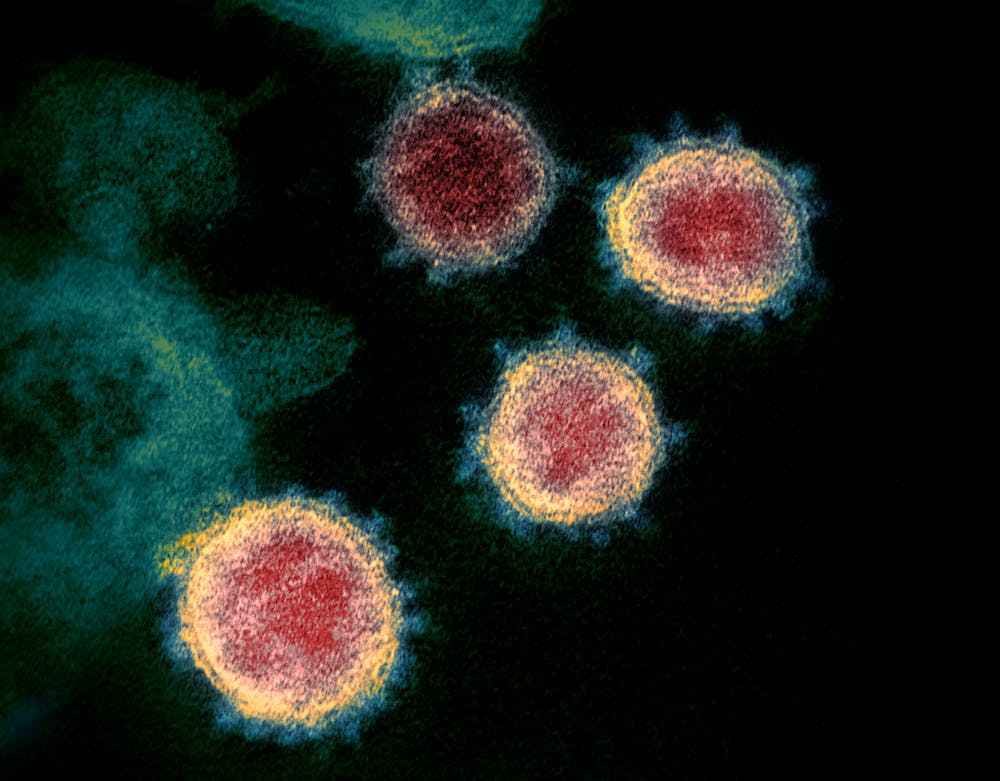
Electron microscope image of four SARS–CoV–2 particles
The immune system will usually generate an immune response to a SARS-CoV-2 infection, but not always. National Institutes of Allergy and Infectious Diseases, CC BY

Immunity after infection is unpredictable

Immunity comes from the immune system’s ability to remember an infection. Using this immune memory, the body will know to fight if it encounters the disease again. Antibodies are proteins that can bind to a virus and prevent infection. T cells are cells that direct the removal of infected cells and viruses already bound by antibodies. These two are some of the main players that contribute to immunity.

After a SARS-CoV-2 infection, a person’s antibody and T cell responses may be strong enough to provide protection against reinfection. Research shows that 91% of people who develop antibodies against the coronavirus are unlikely to be infected again for six months, even after a mild infection. People who had no symptoms during the infection are also likely to develop immunity, though they tend to make fewer antibodies than those who felt ill. So for some people, natural immunity may be strong and long-lasting.

The problem is that not everyone will develop immunity after a SARS-CoV-2 infection. As many as 9% of infected people do not have detectable antibodies, and up to 7% of people don’t have T cells that recognize the virus 30 days after infection.

For people who do develop immunity, the strength and duration of the protection can vary a lot. Up to 5% of people may lose their immune protection within a few months. Without a strong immune defense, these people are susceptible to reinfection by the coronavirus. Some have had second bouts of COVID–19 as soon as one month after their first infection; and, though rare, some people have been hospitalized or even died.


AlsoRead...

Managing Aussie Share Portfolios Abroad: Tips for Growth

Managing Aussie Share Portfolios Abroad: Tips for Growth

2 July 2026
The New Meaning of Luxury: Lessons from Entrepreneur Chloe Hardy

The New Meaning of Luxury: Lessons from Entrepreneur Chloe Hardy

2 July 2026

A person who is reinfected may also be able to transmit the coronavirus even without feeling sick. This could put the person’s loved ones at risk.

And what about the variants? So far, there isn’t any hard data about the new coronavirus variants and natural immunity or reinfection, but it is certainly possible that immunity from one infection won’t be as strong against infection with a different variant.
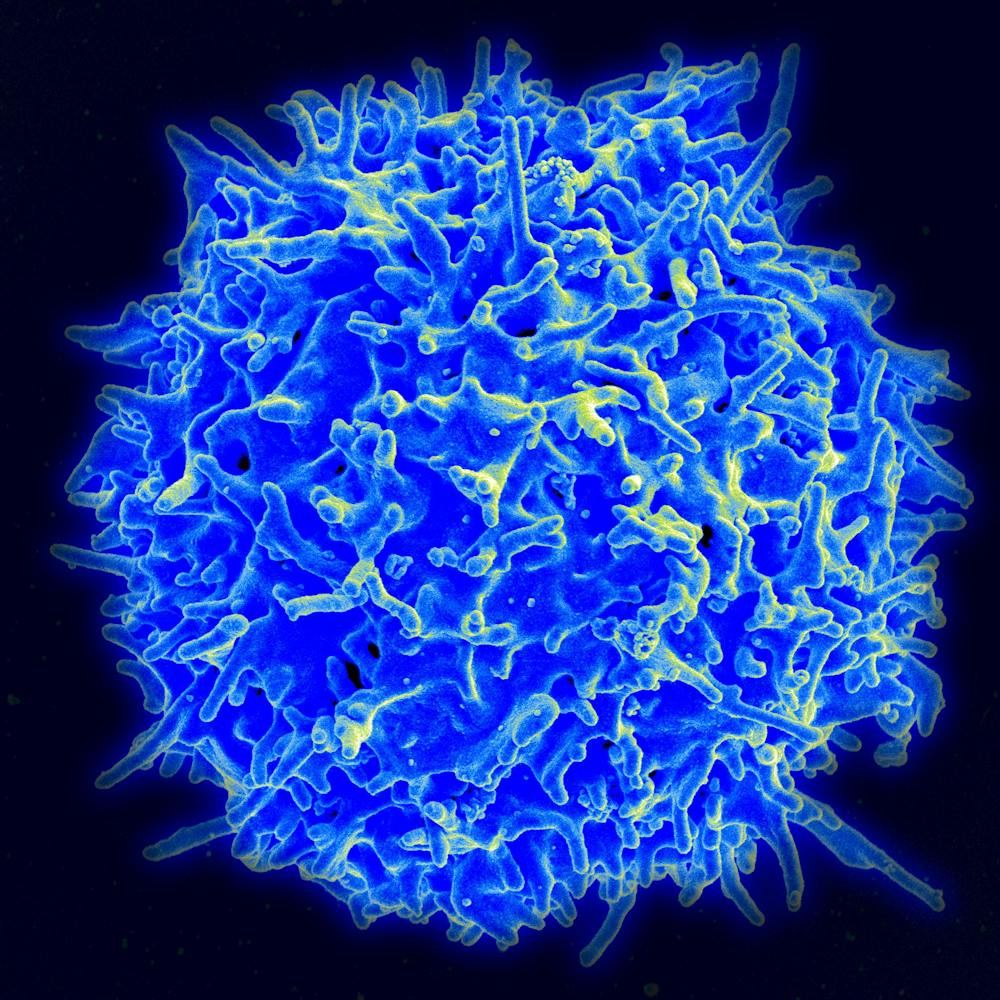
A healthy human T cell, a large blue rumpled sphere
COVID–19 vaccines produce a strong immune response in terms of both antibodies and T cells, like the T cell in this photo. National Institutes of Allergy and Infectious Diseases/National Institutes of Health

Vaccination leads to reliable protection

COVID–19 vaccines generate both antibody and T cell responses – but this is much stronger and more consistent than immunity from natural infection. One study found that four months after receiving their first dose of the Moderna vaccine, 100% of people tested had antibodies against SARS-CoV-2. This is the longest period that has been studied so far. In a study looking at the Pfizer and Moderna vaccines, antibody levels were also much higher in vaccinated people than in those who had recovered from infection.

Even better, a study in Israel showed that the Pfizer vaccine blocked 90% of infections after both doses – even with a variant present in the population. And a decrease in infections means people are less likely to transmit the virus to the people around them.

The COVID–19 vaccines aren’t perfect, but they produce strong antibody and T cell responses that offer a safer and more reliable means of protection than natural immunity.

Infection and vaccination together

To my friend’s message, I instantly replied that she should absolutely get the vaccine. After getting vaccinated, my friend could be comfortable knowing that she has long-lasting, effective immunity and less of a chance of spreading the coronavirus to her friends and family.

But more good news has emerged since I sent that message. A new study showed that vaccination after infection produces six times more antibodies than a vaccine by itself. This isn’t to say that anyone should try to get infected before they get vaccinated – vaccine immunity alone is more than strong enough to provide protection and the dangers of a fight with COVID-19 far outweigh the benefits. But when my friend and the many others who were already infected get their vaccines, they’ll be well protected.

Natural immunity from infection is simply far too unreliable in the face of such a devastating virus. Current COVID-19 vaccines offer incredibly strong, consistent protection to the great majority of people. So, for anyone eligible, even those who have already had a SARS-CoV-2 infection, COVID-19 vaccines offer immense benefits.

[Get facts about coronavirus and the latest research. Sign up for The Conversation’s newsletter.]

Jennifer T. Grier, Clinical Assistant Professor of Immunology,, University of South Carolina

This article is republished from The Conversation under a Creative Commons license. Read the original article.


Tags: SB001
DMCA.com Protection Status

SUBSCRIBE to our NEWSLETTER

[mc4wp_form id=”2384248″]

Don't Miss

Why Smarter Fleet Management Is For All Modern Business Options

by Fazila Olla-Logday
29 July 2026
Smarter Fleet Management
Motoring

Operating a business that relies on vehicles is harder than ever.

Read moreDetails

Animal Communication Goes Beyond What Science Can Currently Measure: Zoologist and Spiritual teacher Artemis, the heart whisperer on what the textbooks don’t teach

by Australian Times
7 July 2026
Animal Communication Goes Beyond What Science Can Currently Measure
Lifestyle

Animal communication classes and formal training can be valuable, providing tools, structure, and guidance.

Read moreDetails

Managing Aussie Share Portfolios Abroad: Tips for Growth

by Fazila Olla-Logday
2 July 2026
Managing Aussie Share Portfolios Abroad: Tips for Growth
at

Unlock the secrets to optimizing your Aussie share portfolios abroad. Discover essential tips for growth and navigate the global market...

Read moreDetails

The New Meaning of Luxury: Lessons from Entrepreneur Chloe Hardy

by Pauline Torongo
2 July 2026
The New Meaning of Luxury: Lessons from Entrepreneur Chloe Hardy
Business & Finance

Chloe Hardy, the founder and CEO of Dupes & Co established an Australian-made beauty brand focused on affordability and product...

Read moreDetails

Excel Funding Group emerges as Specialist in SMSF Property Lending amid growing demand

by Pauline Torongo
26 June 2026
Excel Funding Group emerges as Specialist in SMSF Property Lending amid growing demand
Business & Finance

Excel Funding Group has hit a new milestone, tripling its SMSF loan settlement volumes compared to Q1 2025.

Read moreDetails

Svitla Systems acquires Australia’s Kiandra IT to expand Global Engineering Footprint and Accelerate AI-Driven delivery

by Pauline Torongo
11 May 2026
Svitla Systems
Business & Finance

Acquisition marks Svitla’s entry into the Australian market and strengthens capabilities in low-code, Microsoft technologies, and enterprise software engineering.

Read moreDetails

Residential Healthcare Practices: Revolution or Evolution?

by Pauline Torongo
11 May 2026
Residential Healthcare Practices: Revolution or Evolution?
Lifestyle

President Bill Lutz’s "revolution" was born from his background in fine dining, which instilled a disciplined, customer-focused approach.

Read moreDetails
Load More

Copyright © Blue Sky Publications Ltd. All Rights Reserved.
australiantimes.co.uk is a division of Blue Sky Publications Ltd. Reproduction without permission prohibited. DMCA.com Protection Status

  • About us
  • Write for Us
  • Advertise
  • Contact us
  • T&Cs, Privacy and GDPR
No Result
View All Result
  • News
    • Weather
    • Sport
    • Technology
    • Business & Finance
      • Currency Zone
    • Lotto Results
      • The Lott
  • Lifestyle
    • Entertainment
    • Horoscopes
    • Health & Wellness
    • Recipes
  • Travel
  • Expat Life
  • Move to Australia

Copyright © Blue Sky Publications Ltd. All Rights Reserved.
australiantimes.co.uk is a division of Blue Sky Publications Ltd. Reproduction without permission prohibited. DMCA.com Protection Status

No Result
View All Result
  • News
    • Weather
    • Sport
    • Technology
    • Business & Finance
      • Currency Zone
    • Lotto Results
      • The Lott
  • Lifestyle
    • Entertainment
    • Horoscopes
    • Health & Wellness
    • Recipes
  • Travel
  • Expat Life
  • Move to Australia

Copyright © Blue Sky Publications Ltd. All Rights Reserved.
australiantimes.co.uk is a division of Blue Sky Publications Ltd. Reproduction without permission prohibited. DMCA.com Protection Status





