
• Advertise
  • About us
  • Terms and Conditions
  • Contact us
Monday, October 12, 2026
Australian Times News
  • News
    • Weather
    • Sport
    • Technology
    • Business & Finance
      • Currency Zone
    • Lotto Results
      • The Lott
  • Lifestyle
    • Entertainment
    • Horoscopes
    • Health & Wellness
    • Recipes
  • Travel
  • Expat Life
  • Move to Australia
No Result
View All Result
  • News
    • Weather
    • Sport
    • Technology
    • Business & Finance
      • Currency Zone
    • Lotto Results
      • The Lott
  • Lifestyle
    • Entertainment
    • Horoscopes
    • Health & Wellness
    • Recipes
  • Travel
  • Expat Life
  • Move to Australia
No Result
View All Result
Australian Times News
No Result
View All Result
Home News

Traditional skills help people on the tourism-deprived Pacific Islands survive the pandemic

Tourism normally provides one in four jobs in Vanuatu and one in three jobs in Cook Islands. It contributes between 20% and 70% of the GDP of countries spanning from Samoa and Vanuatu to Fiji and Cook Islands.

The Conversation by The Conversation
03-11-2020 01:53
in News
People are surviving – and in some cases, thriving

People are surviving – and in some cases, thriving Photo by Geoff Brooks on Unsplash

Regina Scheyvens, Massey University and Apisalome Movono, Massey University

Tourism in the South Pacific has been hit hard by COVID-19 border closures with thousands of people out of work.

Shutterstock/zara

Tourism normally provides one in four jobs in Vanuatu and one in three jobs in Cook Islands. It contributes between 20% and 70% of the GDP of countries spanning from Samoa and Vanuatu to Fiji and Cook Islands.

But our research shows how people are surviving – and in some cases, thriving – in the face of significant loss of income.

This is due in part to their reliance on customary knowledge, systems and practices.

Islands impacted by border closures

The research involved an online survey completed by 106 people, along with interviews in six tourism-dependent locations across five countries.
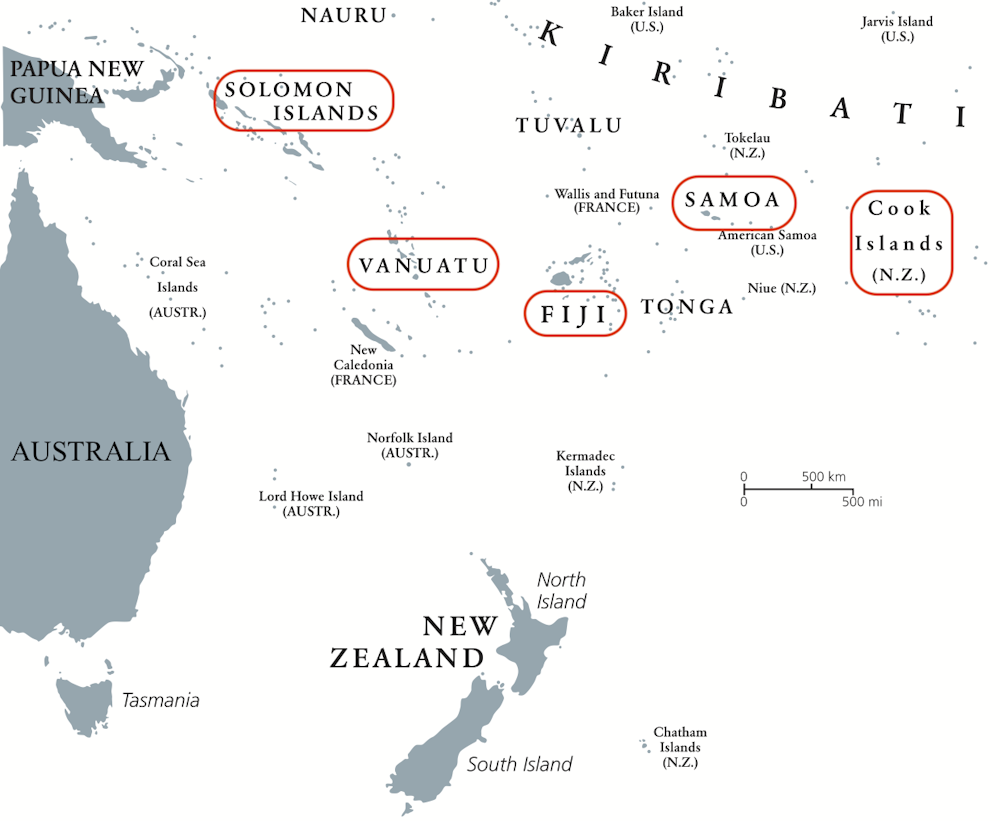
Map showing the Pacific islands highlighted for the research: Solomon Islands, Vanuatu, Fiji, Samoa and Cook Islands.
The Pacific islands used in the research. Shutterstock/Peter Hermes Furian

Research associates based in these countries did interviews in places such as villages next to resorts, or communities that regularly provided cultural tours for cruise ship passengers.


AlsoRead...

How She Sells with Brooke helps thousands of women build new careers through high-ticket sales

How She Sells with Brooke helps thousands of women build new careers through high-ticket sales

6 October 2026
Mark Levin and Yael Eckstein: Celebrating 250 Years - The Bond Between America and Israel

Mark Levin and Yael Eckstein: Celebrating 250 Years – The Bond Between America and Israel

30 September 2026

They spoke with former and current tourism workers, community members and business owners who reflected on how they had adapted and what they hoped the future would hold.

Almost 90% of survey respondents lived in households facing significant reductions in income. Owners of tourism-related businesses faced particular financial strain, with 85% of them saying they lost three-quarters or more of their usual income.

But people showed considerable adaptive capacities and resilience in devising a range of strategies to meet their needs in the face of this dramatic loss of earnings.

More than half the respondents were growing food for their families. Many were also fishing. People talked about using the natural abundance of the land and sea to provide food.
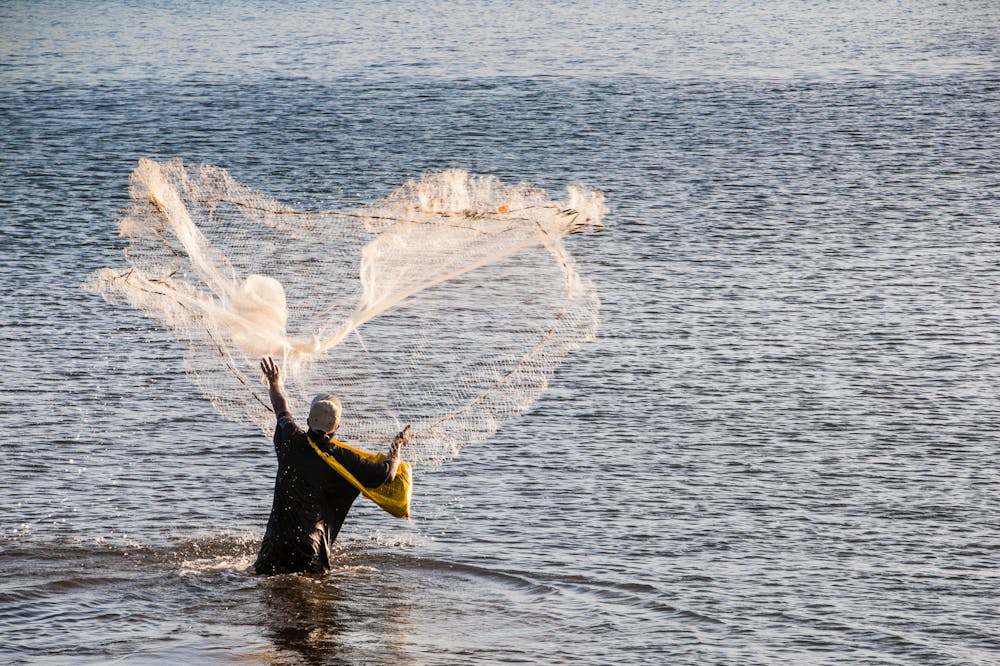
A man using a cast net to fish in the sea.
Traditional skills: a man fishing in the harbour of Apia, Upolu, Samoa. Shutterstock/Danita Delimont

One person from Rarotonga, part of the Cook Islands, said “no one is going hungry” and this was due to a number of factors:

  1. people had access to customary land on which to grow food
  2. traditional systems meant neighbours, clan members and church communities helped to provide for those who were more vulnerable
  3. there was still sufficient knowledge within communities to teach younger members who had lost jobs how to grow food and fish.

One young man from Samoa, who had lost his job in a hotel, said:

Like our family, everyone else has gone back to the land … I’ve had to relearn skills that have been not been used for years, skills in planting and especially in fishing … I am very happy with the plantation of mixed crops I have now and feeling confident we will be OK moving forward in these times of uncertainty.

Alternative livelihood options

People also engaged in a wide range of initiatives to earn cash, from selling products from their farms (fruit, root crops, other vegetables, cocoa, pigs and chickens) and the sea (a wide range of fish and shellfish) to starting small businesses.

Examples included planting flowers to sell in bunches along the roadside, making doughnuts to take to the market, or offering sewing, yard maintenance or hair-cutting services.

Goods and services were also bartered, rather than exchanged for cash.

Sometimes social groups banded together to encourage one another in activities that earned an income. For example, a youth group near the resort island of Denarau, in Fiji, gained a contract to provide weekly catering for a rugby club.

When times are hard, it’s not all bad

Our study also examined four aspects of well-being: mental, financial, social and physical. Understandably, there was a clear decline in financial well-being. This was sometimes associated with greater stress and conflict within households.

As one Cook Islands man said:

There’s so many people in the house that we’re fighting over who’s going to pay for this, who’s going to pay for that.

But the impacts on social, mental and physical well-being were mixed, with quite a number of people showing improvements.

Many people were effusive in their responses when talking about how they now had more time with family, especially children. This was particularly the case for women who had previously worked long hours in the tourism sector. As one said:

I feel staying (at home) during this pandemic has really helped a lot, especially with my kids. Now everything is in order. The spending of quality time with my family has been excellent and awesome.

Others expressed satisfaction they had more time for meeting religious and cultural obligations. As one said, “everyone is more connected now”, and people had more time to look after others in the community:

Extended family harmony has improved, particularly with checking welfare of others who may need help during this time.

Business owners appreciated the chance to “rest and recharge”. As one Fijian business owner said:

This break has given us a new breath of life. We have since analysed and pondered on what are the most important things in life apart from money. We have strengthened our relationships with friends and family, worked together, laughed and enjoyed each other’s company.

These early research findings suggest customary systems are effectively supporting people’s resilience and well-being in the Pacific. A Pacific ethos of caring, respect, social and ecological custodianship and togetherness has softened the harsh blow of the COVID-19-induced economic slowdown.

Regina Scheyvens, Professor of Development Studies, Massey University and Apisalome Movono, Senior Lecturer in Development Studies, Massey University

This article is republished from The Conversation under a Creative Commons license. Read the original article.


Tags: SB001
DMCA.com Protection Status

SUBSCRIBE to our NEWSLETTER

[mc4wp_form id=”2384248″]

Don't Miss

How She Sells with Brooke helps thousands of women build new careers through high-ticket sales

by Pauline Torongo
6 October 2026
How She Sells with Brooke helps thousands of women build new careers through high-ticket sales
Business & Finance

More than 3,000 women have joined She Sells with Brooke Triplett to build careers in high-ticket sales. For many, the...

Read moreDetails

Qualities to look for in a Caribbean Luxury Cruise Experience

by Pauline Torongo
6 October 2026
Qualities to look for in a Caribbean Luxury Cruise Experience. Image: Supplied
Travel

Luxury Caribbean cruises are often associated with beaches, sunshine, and tropical ease, but they can be more than that with...

Read moreDetails

Mark Levin and Yael Eckstein: Celebrating 250 Years – The Bond Between America and Israel

by Pauline Torongo
30 September 2026
Mark Levin and Yael Eckstein: Celebrating 250 Years - The Bond Between America and Israel
News

As America marks 250 years since the Declaration of Independence, Yael Eckstein and Mark Levin explore the biblical values and...

Read moreDetails

How supporting Australia’s Care Workforce could strengthen care in the community

by Pauline Torongo
10 September 2026
How supporting Australia’s Care Workforce could strengthen care in the community
News

Australian care funding faces growing scrutiny after a 2025 ANAO report found NDIS losses from fraud, non-compliance, and payment errors...

Read moreDetails

The Future of Work Is Changing: What HR must champion next, according to Energy Collective Co

by Pauline Torongo
28 August 2026
What HR Must Champion Next, According to Energy Collective Co
Business & Finance

Energy Collective Co examines the root causes of performance by considering how work is designed, how leadership is enacted and...

Read moreDetails

From Empathy Burnout to Body-Led Recovery: What Heidi Jane of Intuition Co. learned by living through what she teaches

by Pauline Torongo
25 August 2026
What Heidi Jane of Intuition Co. learned by living through what she teaches
Lifestyle

Recognising emotional exhaustion is only the first step. While supportive habits such as rest, time in nature, hydration, and reduced...

Read moreDetails

Why Smarter Fleet Management Is For All Modern Business Options

by Fazila Olla-Logday
29 July 2026
Smarter Fleet Management
Motoring

Operating a business that relies on vehicles is harder than ever.

Read moreDetails
Load More

Copyright © Blue Sky Publications Ltd. All Rights Reserved.
australiantimes.co.uk is a division of Blue Sky Publications Ltd. Reproduction without permission prohibited. DMCA.com Protection Status

  • About us
  • Write for Us
  • Advertise
  • Contact us
  • T&Cs, Privacy and GDPR
No Result
View All Result
  • News
    • Weather
    • Sport
    • Technology
    • Business & Finance
      • Currency Zone
    • Lotto Results
      • The Lott
  • Lifestyle
    • Entertainment
    • Horoscopes
    • Health & Wellness
    • Recipes
  • Travel
  • Expat Life
  • Move to Australia

Copyright © Blue Sky Publications Ltd. All Rights Reserved.
australiantimes.co.uk is a division of Blue Sky Publications Ltd. Reproduction without permission prohibited. DMCA.com Protection Status