


Anastasia Quintana, University of California Santa Barbara and Alfredo Giron Nava, Stanford University
The Gulf of California – a sea near the western border of the U.S. and Mexico – is home to some of the world’s most incredible underwater landscapes. It generates 60% of Mexico’s fish catch, but overfishing is threatening its marine ecosystems and the people who make a living off them.
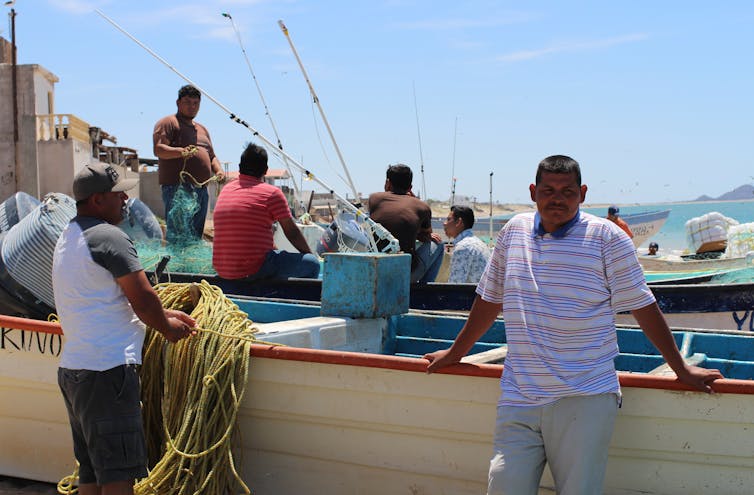
In 2012, a number of small fishing towns set up 11 small, temporary areas where fishing was banned to fight overfishing in the Gulf. When these marine reserves expired five years later, the towns nearby all voted on whether to keep or change them. One community, Agua Verde, voted to keep their nearby reserve of San Marcial and make it five times larger. None of the other towns expanded their reserves.
We are a social scientist and a marine ecologist, and together we study community-based fisheries management and conservation. We wanted to explore why one reserve was so successful while the others in the system were not. Our new paper, published on May 26, 2021 in the journal Frontiers in Marine Science, shows how critical community support is to conservation efforts and how smaller reserves that are “good enough” ecologically can foster that support and lead to successful long-term conservation.
Lines on maps
In the past 15 years, marine protected areas have become the dominant tool for marine protection. Generally speaking, these protected areas restrict or ban fishing and harvesting in an area. They currently cover 7.66% of the ocean’s surface – about 5 billion football fields’ worth. Marine protected areas can increase fish number and size, rebuild nearby fisheries, build resilience against climate change and even reduce disease in marine species.
When conservationists and policymakers set out to design a new marine protected area, the old way of thinking was to find the best location for permanent protection. This focus often meant closing large areas to fishing, creating conflicts.
Historically, this tension has pitted scientists and fishers against each other – not the best when fisher compliance determines the success or failure of most marine protected areas. Often, “protection” amounts to nothing more than lines on maps in government offices while fishing continues unabated in the water. Even reserves that ecologists dub as successes can simultaneously be social failures, which ultimately threatens long-term ecological outcomes.


The 11 fishing reserves set up in the Gulf of California are an example of an alternative approach, where fishers decide what is an optimal marine reserve. Because the closures are temporary, fishers have the opportunity to test and adapt their designs over time. Instead of imposing large closures that the community might only begrudgingly accept, the idea was to go for something smaller that the community was excited about. Rather than being designed primarily by scientists and policymakers, local fishers – with assistance from the nonprofit conservation group Niparajá – led the effort themselves.
Two fishing communities, two levels of success
Marine protected areas often create a dilemma for fishers – the best areas to protect are often also the best to fish. When Niparajá approached the communities in Baja California Sur, different towns had varying levels of trust in whether the reserves would actually improve their fisheries.
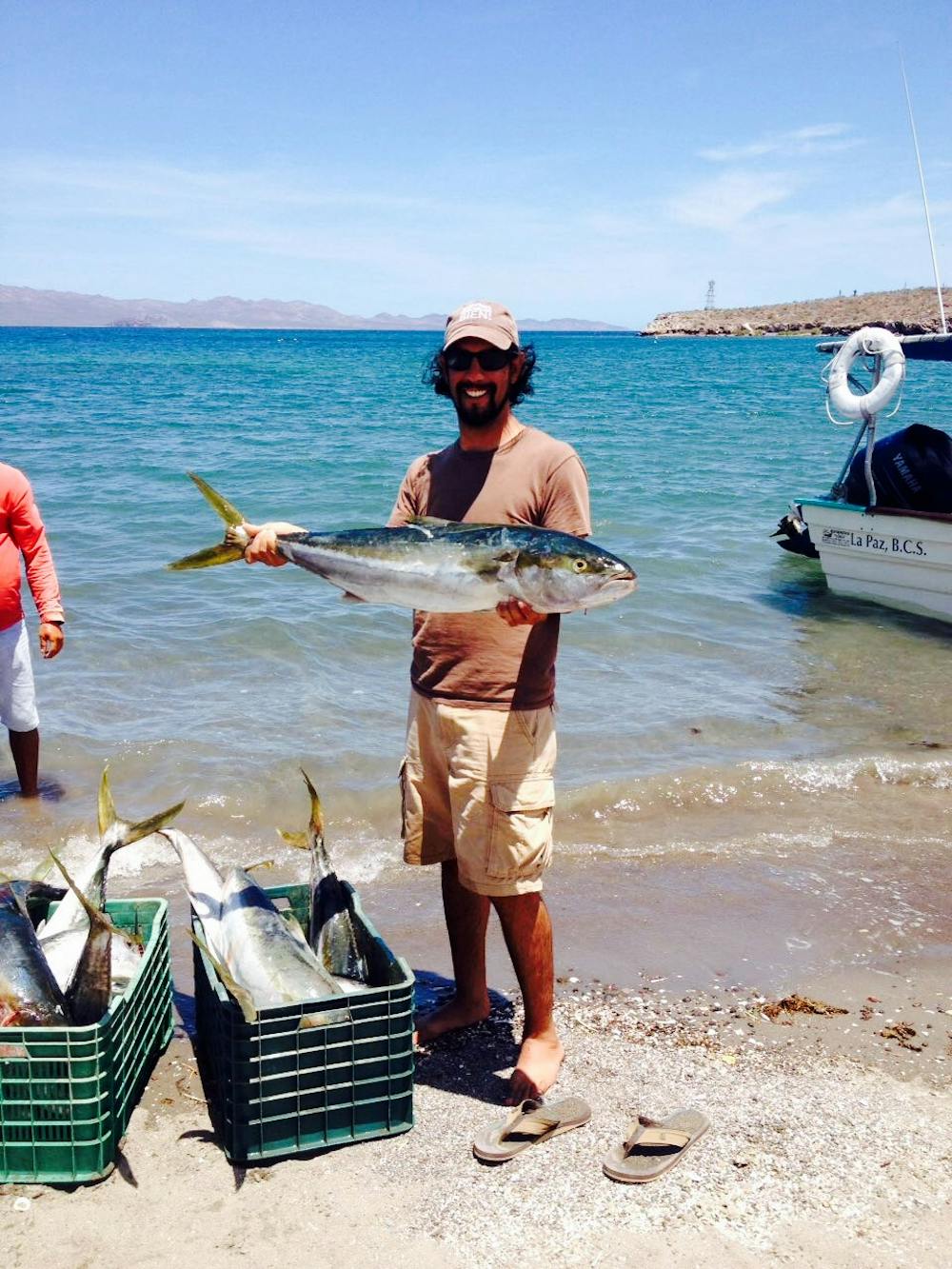
In the town of Agua Verde, fishers had worked with Niparajá for years. Locals trusted the conservation group’s staff so much that they were willing to turn one of their valuable fishing areas into a reserve that prohibited all fishing. Unified by strong leaders, Agua Verde’s fishers designed San Marcial, the largest protected area in the network at two square miles (5.2 square kilometers).
Over five years there was a 30% increase in fish biomass within the reserve. In surveys, fishers reported that catch – which had been in decline for years – had stabilized. With such tangible benefits, when the time came to update the reserve, Agua Verde made it five times larger. The town also voted to create a second marine protected area nearly as big as the first one.
But total local control has a weakness – when fishers don’t trust the process, they aren’t willing to give up productive fishing grounds. We saw this with the reserve at Punta Coyote. Some fishers from the communities that designed this reserve had a history of conflict with Niparajá. Multiple towns also fished the same areas in this region so it was difficult for a single leader to coordinate the communities.
The communities around Punta Coyote ultimately designed a tiny reserve of 0.35 square miles (0.9 square kilometers) that covered a flat, sandy bottom – poor fish habitat. Not surprisingly, there was a negligible effect on fish numbers over the five-year period. When the protection expired in 2017, the fishers renewed but didn’t expand the closed area.
Compared to San Marcial, the other nine reserves were closer in size to Punta Coyote and fell in the middle in terms of ecological results. Every one was renewed but not expanded.
We discovered several mediating factors in these processes. Leadership was essential to create a unified vision. Also, fishers needed a way to see the benefits of the reserve for themselves. Four of Agua Verde’s fishers were recruited to count fish in the San Marcial reserve so they observed firsthand the ecosystem recovering.
Ultimately, we found that community-based conservation is a self-reinforcing process that works in feedback loops. In addition, a “good enough” initial design – that is, not aiming for the maximum possible ecological benefits while still making sure the reserves result in perceptible improvements – seemed to work best. It led to conservation success that in turn led to trust and pride in – and expansion of – the protected area. However, when conflict and mistrust led to poor design without clear benefits – like what happened with Punta Coyote – fishers didn’t gain trust in the process and didn’t expand the area.
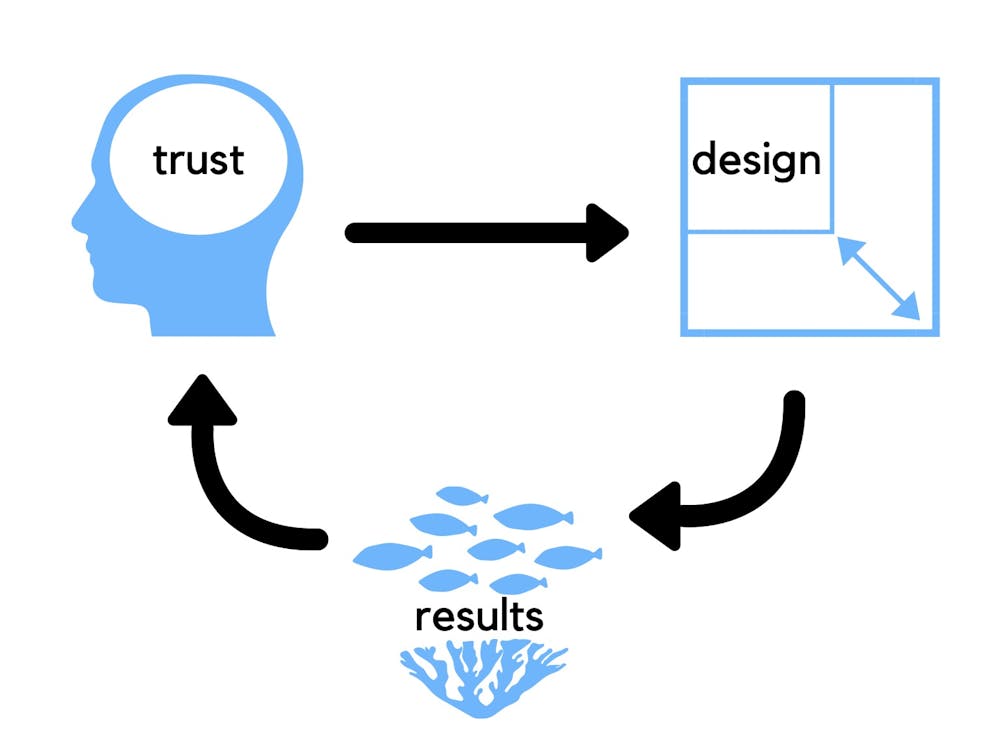
Trust leads to stronger support
Our findings about San Marcial and Punta Coyote challenge the need for optimal and permanent marine protected areas. Instead, we see marine protected areas as opportunities for collective action where “good enough” might in fact be better. However, poor design or lack of leadership can lead to a downward spiral for a protected area.
These findings are particularly relevant this year as the United Nations draws up its biodiversity framework for the next decade. The published draft document calls to expand coverage from 7.66% to a whopping 30% of the global ocean. Our work suggests that in some cases, one way to achieve more numerous and more effective marine protected areas is to give real power to the people affected by protection, start small and focus on building trust and making ecological results visible. While the protected areas might start small, they can grow much larger when local communities support them.
Anastasia Quintana, Postdoctoral Research Fellow of Social, Behavioral, and Economic Sciences, University of California Santa Barbara and Alfredo Giron Nava, André Hoffmann Fellow, Stanford University
This article is republished from The Conversation under a Creative Commons license. Read the original article.







