

• Advertise
  • About us
  • Terms and Conditions
  • Contact us
Thursday, August 13, 2026
Australian Times News
  • News
    • Weather
    • Sport
    • Technology
    • Business & Finance
      • Currency Zone
    • Lotto Results
      • The Lott
  • Lifestyle
    • Entertainment
    • Horoscopes
    • Health & Wellness
    • Recipes
  • Travel
  • Expat Life
  • Move to Australia
No Result
View All Result
  • News
    • Weather
    • Sport
    • Technology
    • Business & Finance
      • Currency Zone
    • Lotto Results
      • The Lott
  • Lifestyle
    • Entertainment
    • Horoscopes
    • Health & Wellness
    • Recipes
  • Travel
  • Expat Life
  • Move to Australia
No Result
View All Result
Australian Times News
No Result
View All Result
Home News

Restoring land around abandoned oil and gas wells would free up millions of acres of forests, farmlands and grasslands

President Joe Biden’s infrastructure plan proposes to spend US$16 billion plugging old oil and gas wells and cleaning up abandoned mines. But there’s no authoritative measure of how many of these sites exist across the nation.

The Conversation by The Conversation
10-06-2021 01:49
in News
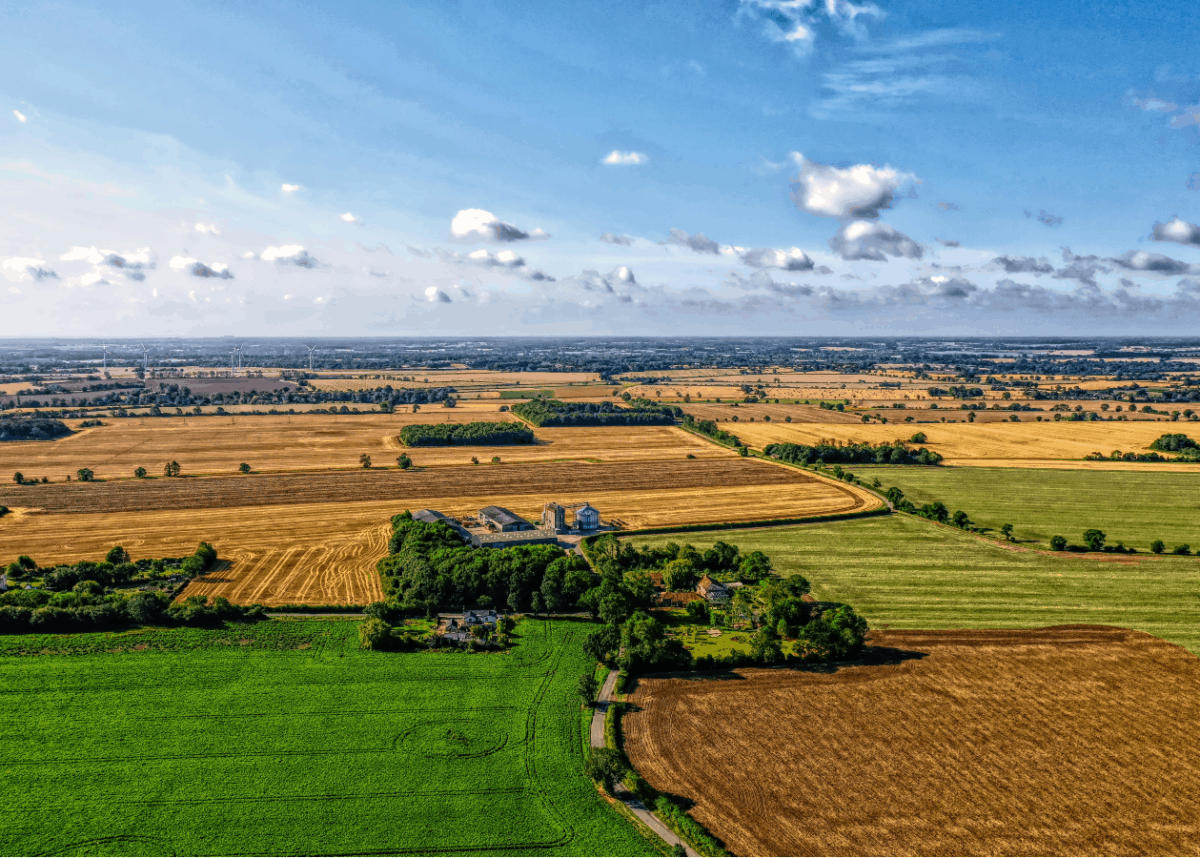
Photo by Niklas Weiss on Unsplash

Photo by Niklas Weiss on Unsplash

Matthew D. Moran, Hendrix College
CC BY-ND

President Joe Biden’s infrastructure plan proposes to spend US$16 billion plugging old oil and gas wells and cleaning up abandoned mines. But there’s no authoritative measure of how many of these sites exist across the nation.
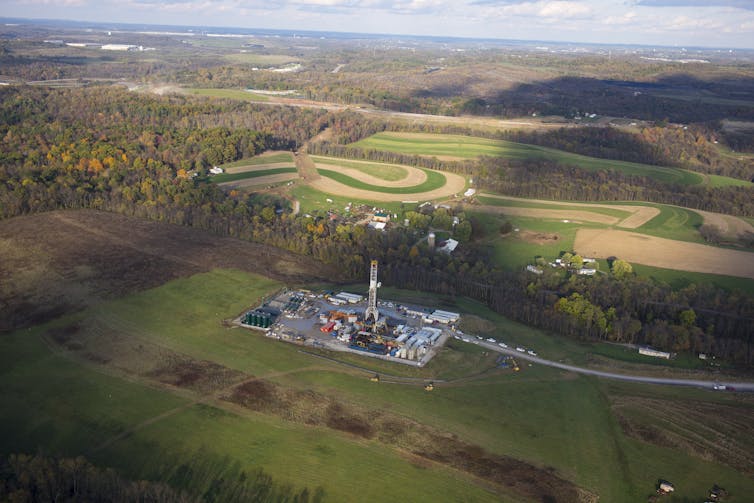
A drilling pad for oil and gas in Robinson Township, Penn. Robert Nickelsberg/Getty Images

In a recent study, my colleagues and I sought to account for every oil and gas well site in the lower 48 states that was eligible for restoration – meaning that the well no longer was producing oil or gas, and there were no other active wells using that site. We found more than 430,000 old well sites, with associated infrastructure such as access roads, storage areas and fluid tanks. They covered more than 2 million acres – an area larger than Delaware and Rhode Island combined.

These sites are scattered across the country, concentrated mainly in forests, grassland and cropland. They could be put to good use. We estimated the value of crops that could be produced if these lands are restored at over $14 billion over the next 50 years.

We calculated that restoring these lands could remove millions of tons of carbon from the atmosphere as vegetation regrows on them, providing an estimated $7 billion in benefits from reduced greenhouse gas emissions. It also would provide habitat for wildlife and could produce timber for harvesting. And because healthy ecosystems filter air and water, returning these lands to a natural state could reduce air pollution and improve drinking water quality.

In recent years, energy production has become the largest consumer of new land in the U.S., outpacing urban and residential development. The oil and gas industry has a particularly large footprint, occupying millions of acres, with big impacts on the environment. Energy development reduces biodiversity, increases carbon emissions, disrupts natural ecological processes and decreases ecosystem services – the numerous benefits that natural landscapes perform for humanity.

While active wells are producing oil and gas, they generate obvious economic benefits, along with direct and indirect costs. Eventually, however, all wells go dry. After that, their economic value is gone and only the costs remain.


AlsoRead...

Managing Aussie Share Portfolios Abroad: Tips for Growth

Managing Aussie Share Portfolios Abroad: Tips for Growth

2 July 2026
The New Meaning of Luxury: Lessons from Entrepreneur Chloe Hardy

The New Meaning of Luxury: Lessons from Entrepreneur Chloe Hardy

2 July 2026

Most states and the federal government require energy developers to plug old wells and reclaim the land, and to post bonds to help ensure that they do so. Often, however, companies either go bankrupt and abandon sites or assert that idled wells are still producing and maintain their leases indefinitely. Furthermore, the bond amounts are almost never enough to cover the complete costs of plugging wells and restoring the land.
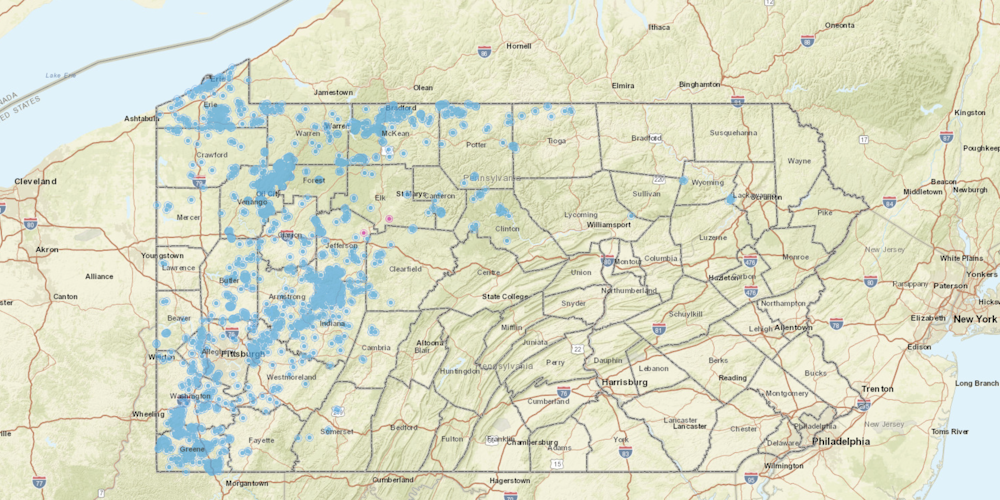
Map of Pennsylvania with abandoned oil and gas wells marked.
Pennsylvania officials have identified thousands of abandoned oil and gas wells in the state (marked in blue) with no identifiable responsible party to complete plugging them. Pennsylvania Department of Environmental Protection

Abandoned wells can sit idle for many years. Many leak methane, a potent greenhouse gas, or other contaminants, damaging surrounding landscapes and threatening water supplies.

Restoring these sites starts with plugging the well to remove contamination hazards. Next, companies remove all infrastructure, such as well pads and roads. They replace topsoil, plant native plants – which may need extra care to become established over several years – and restore the site’s natural drainage patterns.

Thousands more active oil and gas wells will stop producing in the coming years. Energy companies installed over 150,000 wells on 500,000 acres of land during the initial oil and gas “fracking” boom from 2004 to 2015. These wells and older ones cover millions more acres of land that may someday become rural brownfields scattered across the American landscape.

How far would $16 billion go toward remediating inactive oil and gas sites? We estimated that the land around all currently nonproducing wells in the lower 48 states could be restored for about $7 billion, with additional costs for plugging wells.

We had only a few publicly available examples of actual restoration costs to develop our estimate, and costs likely vary widely across different types of ecosystems. But we carried out a detailed assessment and found that in every scenario we studied, the economic benefits from restored lands would be much greater than the costs.

In my view, this investment would produce returns that include crop production, better human health, cleaner air and water, and a more beautiful and ecologically sound landscape.

Matthew D. Moran, Professor of Biology, Hendrix College

This article is republished from The Conversation under a Creative Commons license. Read the original article.


Tags: SB001
DMCA.com Protection Status

SUBSCRIBE to our NEWSLETTER

[mc4wp_form id=”2384248″]

Don't Miss

Why Smarter Fleet Management Is For All Modern Business Options

by Fazila Olla-Logday
29 July 2026
Smarter Fleet Management
Motoring

Operating a business that relies on vehicles is harder than ever.

Read moreDetails

Animal Communication Goes Beyond What Science Can Currently Measure: Zoologist and Spiritual teacher Artemis, the heart whisperer on what the textbooks don’t teach

by Australian Times
7 July 2026
Animal Communication Goes Beyond What Science Can Currently Measure
Lifestyle

Animal communication classes and formal training can be valuable, providing tools, structure, and guidance.

Read moreDetails

Managing Aussie Share Portfolios Abroad: Tips for Growth

by Fazila Olla-Logday
2 July 2026
Managing Aussie Share Portfolios Abroad: Tips for Growth
at

Unlock the secrets to optimizing your Aussie share portfolios abroad. Discover essential tips for growth and navigate the global market...

Read moreDetails

The New Meaning of Luxury: Lessons from Entrepreneur Chloe Hardy

by Pauline Torongo
2 July 2026
The New Meaning of Luxury: Lessons from Entrepreneur Chloe Hardy
Business & Finance

Chloe Hardy, the founder and CEO of Dupes & Co established an Australian-made beauty brand focused on affordability and product...

Read moreDetails

Excel Funding Group emerges as Specialist in SMSF Property Lending amid growing demand

by Pauline Torongo
26 June 2026
Excel Funding Group emerges as Specialist in SMSF Property Lending amid growing demand
Business & Finance

Excel Funding Group has hit a new milestone, tripling its SMSF loan settlement volumes compared to Q1 2025.

Read moreDetails

Svitla Systems acquires Australia’s Kiandra IT to expand Global Engineering Footprint and Accelerate AI-Driven delivery

by Pauline Torongo
11 May 2026
Svitla Systems
Business & Finance

Acquisition marks Svitla’s entry into the Australian market and strengthens capabilities in low-code, Microsoft technologies, and enterprise software engineering.

Read moreDetails

Residential Healthcare Practices: Revolution or Evolution?

by Pauline Torongo
11 May 2026
Residential Healthcare Practices: Revolution or Evolution?
Lifestyle

President Bill Lutz’s "revolution" was born from his background in fine dining, which instilled a disciplined, customer-focused approach.

Read moreDetails
Load More

Copyright © Blue Sky Publications Ltd. All Rights Reserved.
australiantimes.co.uk is a division of Blue Sky Publications Ltd. Reproduction without permission prohibited. DMCA.com Protection Status

  • About us
  • Write for Us
  • Advertise
  • Contact us
  • T&Cs, Privacy and GDPR
No Result
View All Result
  • News
    • Weather
    • Sport
    • Technology
    • Business & Finance
      • Currency Zone
    • Lotto Results
      • The Lott
  • Lifestyle
    • Entertainment
    • Horoscopes
    • Health & Wellness
    • Recipes
  • Travel
  • Expat Life
  • Move to Australia

Copyright © Blue Sky Publications Ltd. All Rights Reserved.
australiantimes.co.uk is a division of Blue Sky Publications Ltd. Reproduction without permission prohibited. DMCA.com Protection Status

No Result
View All Result
  • News
    • Weather
    • Sport
    • Technology
    • Business & Finance
      • Currency Zone
    • Lotto Results
      • The Lott
  • Lifestyle
    • Entertainment
    • Horoscopes
    • Health & Wellness
    • Recipes
  • Travel
  • Expat Life
  • Move to Australia

Copyright © Blue Sky Publications Ltd. All Rights Reserved.
australiantimes.co.uk is a division of Blue Sky Publications Ltd. Reproduction without permission prohibited. DMCA.com Protection Status





