


Sheena Cruickshank, University of Manchester
The severity of COVID-19 can vary hugely. In some it causes no symptoms at all and in others it’s life threatening, with some people particularly vulnerable to its very severe impacts.

The virus disproportionately affects men and people who are older and who have conditions such as diabetes and obesity. In the UK and other western countries, ethnic minorities have also been disproportionately affected.
While many factors contribute to how severely people are affected, including access to healthcare, occupational exposure and environmental risks such as pollution, it’s becoming clear that for some of these at-risk groups, it’s the response of their immune system – inflammation – that explains why they get so sick.
Specifically, we’re seeing that the risks associated with diabetes, obesity, age and sex are all related to the immune system functioning irregularly when confronted by the virus.
Inflammation can go too far
A common feature for many patients that get severe COVID is serious lung damage caused by an overly vigorous immune response. This is characterised by the creation of lots of inflammatory products called cytokines – the so-called cytokine storm.
Cytokines can be really powerful tools in the immune response: they can stop viruses reproducing, for example. However, some cytokine actions – such as helping bring in other immune cells to fight an infection or enhancing the ability of these recruited cells to get across blood vessels – can cause real damage if they are not controlled. This is exactly what happens in a cytokine storm.


Many white blood cells create cytokines, but specialised cells called monocytes and macrophages seem to be some of the biggest culprits in generating cytokine storms. When properly controlled, these cells are a force for good that can detect and destroy threats, clear and repair damaged tissue, and bring in other immune cells to help.
However, in severe COVID the way monocytes and macrophages work misfires. And this is particularly true in patients with diabetes and obesity.
Glucose fuels damage
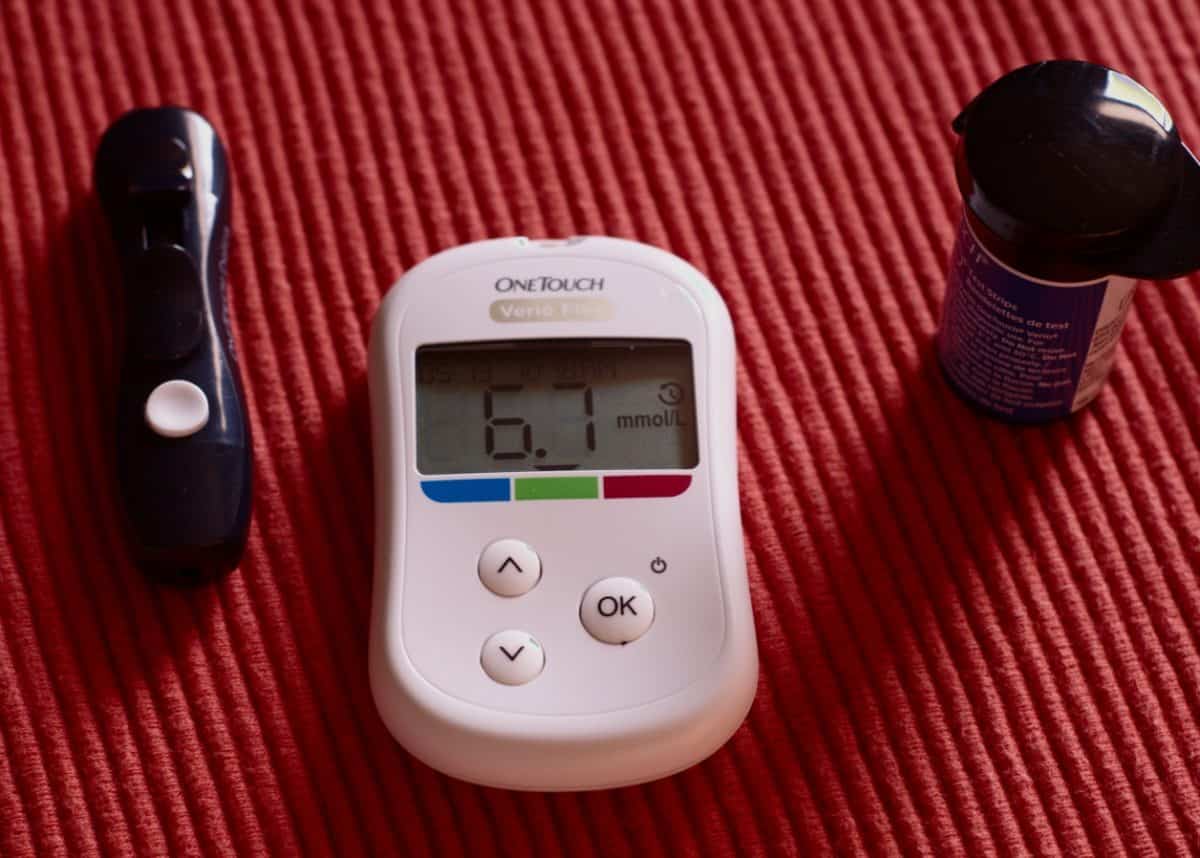
Diabetes, if not controlled well, can result in high levels of glucose in the body. A recent study showed that, in COVID, macrophages and monocytes respond to high levels of glucose with worrying consequences.
The virus that causes COVID, SARS-CoV-2, needs a target to latch onto in order to invade our cells. Its choice is a protein on the cell surface called ACE2. Glucose increases the levels of ACE2 present on macrophages and monocytes, helping the virus infect the very cells that should be helping to kill it.
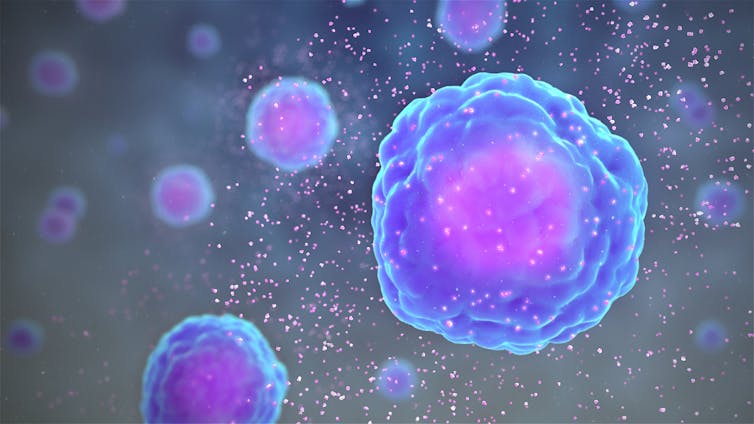
Once the virus is safely inside these cells, it causes them to start making lots of inflammatory cytokines – effectively kick-starting the cytokine storm. And the higher the levels of glucose, the more successful the virus is at replicating inside the cells – essentially the glucose fuels the virus.
But the virus isn’t done yet. It also causes the virally infected immune cells to make products that are very damaging to the lung, such as reactive oxygen species. And on top of this, the virus reduces the ability of other immune cells – lymphocytes – to kill it.
Obesity also causes high levels of glucose in the body and, similar to diabetes, affects macrophage and monocyte activation. Research has shown that macrophages from obese individuals are an ideal place for SARS-CoV-2 to thrive.
Other risks tied to inflammation
The same sort of inflammatory profile that diabetes and obesity cause is also seen in some older people (those over 60 years). This is due to a phenomenon known as inflammageing.
Inflammageing is characterised by having high levels of pro-inflammatory cytokines. It’s influenced by a number of factors, including genetics, the microbiome (the bacteria, viruses and other microbes that live inside and on you) and obesity.
Many older people also have fewer lymphocytes – the very cells that can specifically target and destroy viruses.
This all means that for some older people, their immune system is not only poorly equipped to fight off an infection, but it is also more likely to lead to a damaging immune response. Having fewer lymphocytes also means vaccines may not work as well, which is crucial to consider when planning a future COVID vaccine campaign.
Another puzzle that has been worrying researchers is why men seem so much more vulnerable to COVID. One reason is that cells in men seem to be more readily infected by SARS-CoV-2 than women. The ACE2 receptor that the virus uses to latch onto and infect cells is expressed much more highly in men than women. Men also have higher levels of an enzyme called TMPRSS2 that promotes the ability of the virus to enter the cells.
Immunology is also offering some clues on the sex difference. It’s long been known that men and women differ in their immune responses, and this is true in COVID.
A recent pre-print (research that has not yet been reviewed) has tracked and compared the immune response to SARS-CoV-2 in men and women over time. It found that men were more likely to develop atypical monocytes that were profoundly pro-inflammatory and capable of making cytokines typical of a cytokine storm. Women also tended to have a more robust T cell response, which is needed for effective virus killing. However, increased age and having a higher body mass index reversed the protective immune effect in women.
Studies like these highlight how different people are. The more we understand about these differences and vulnerabilities, the more we can consider how best to treat each patient. Data like these also highlight the need to consider variation in immune function and include people of varied demographics in drug and vaccine trials.
Sheena Cruickshank, Professor in Biomedical Sciences, University of Manchester
This article is republished from The Conversation under a Creative Commons license. Read the original article.








