

• Advertise
  • About us
  • Terms and Conditions
  • Contact us
Thursday, July 16, 2026
Australian Times News
  • News
    • Weather
    • Sport
    • Technology
    • Business & Finance
      • Currency Zone
    • Lotto Results
      • The Lott
  • Lifestyle
    • Entertainment
    • Horoscopes
    • Health & Wellness
    • Recipes
  • Travel
  • Expat Life
  • Move to Australia
No Result
View All Result
  • News
    • Weather
    • Sport
    • Technology
    • Business & Finance
      • Currency Zone
    • Lotto Results
      • The Lott
  • Lifestyle
    • Entertainment
    • Horoscopes
    • Health & Wellness
    • Recipes
  • Travel
  • Expat Life
  • Move to Australia
No Result
View All Result
Australian Times News
No Result
View All Result
Home News

Bacteria can recover precious metals from electric vehicle batteries – here’s how

Leading manufacturers of EVs need to keep import costs low and find a reliable source of these raw materials. Mining the deep sea is one option, but it could also damage habitats and endanger wildlife.

The Conversation by The Conversation
19-06-2021 06:01
in News
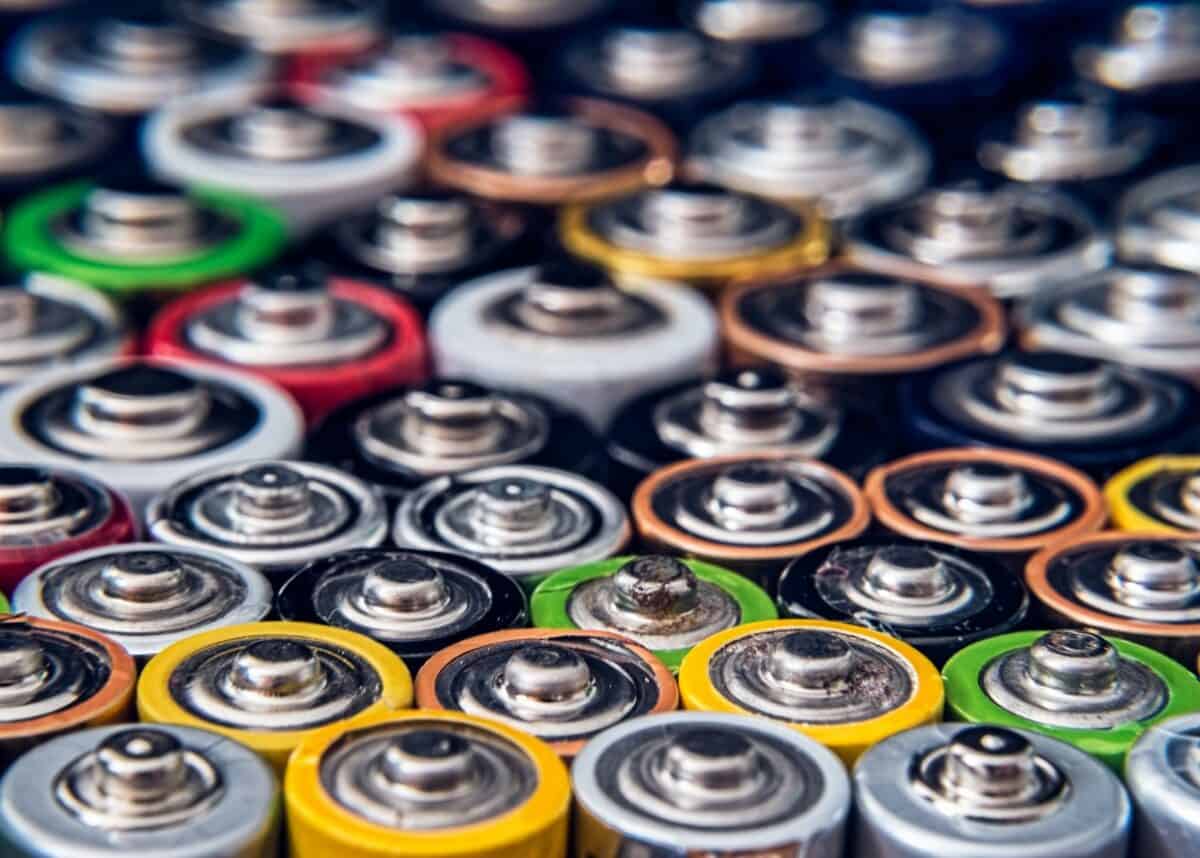
Photo by Roberto Sorin on Unsplash

Photo by Roberto Sorin on Unsplash

Sebastien Farnaud, Coventry University

There are more than 1.4 billion cars in the world today, and that number could double by 2036. If all those cars burn petrol or diesel, the climate consequences will be dire. Electric cars emit fewer air pollutants and if they’re powered by renewable energy, driving one wouldn’t add to the greenhouse gases warming Earth’s atmosphere.

But producing so many electric vehicles (often abbreviated to EVs) in a decade would cause a surge in demand for metals like lithium, cobalt, nickel and manganese. These metals are essential for making EV batteries, but they’re not found everywhere. Most of the world’s lithium lies under the Atacama Desert in South America, where mining threatens local people and ecosystems.

Leading manufacturers of EVs need to keep import costs low and find a reliable source of these raw materials. Mining the deep sea is one option, but it could also damage habitats and endanger wildlife. At the same time, waste electronics filled with precious metals are piling up in landfills and in some of the world’s poorest regions – with 2.5 million tonnes added to the total each year.

EV batteries themselves only have a shelf life of eight to ten years. Lithium-ion batteries are currently recycled at a meagre rate of less than 5% in the EU. Instead of mining new sources of these metals, why not reuse what’s already out there?

The recycling economy

The largest lithium-ion battery recyclers are based in China. While recycling is often treated as an obligation that companies should be paid to do in North America and Europe, competition is so intense for dead batteries in China that recyclers are willing to pay to get their hands on them.
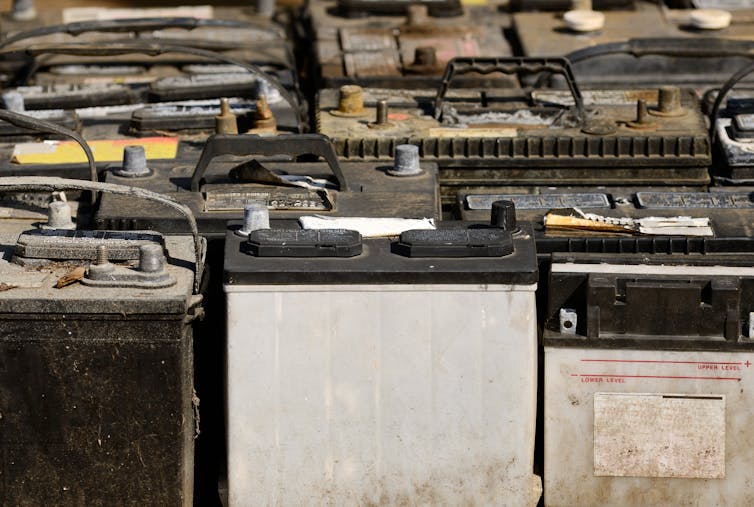
A pallet filled with rusted car batteries.
EV batteries could become a significant portion of global e-waste as vehicles are electrified. TFoxFoto/Shutterstock

Most of the batteries that do get recycled are melted and their metals extracted. This is often done in large commercial facilities which use lots of energy and so emit lots of carbon. These plants are expensive to build and operate, and require sophisticated equipment to treat the harmful emissions generated by the smelting process. Despite the high costs, these plants rarely recover all valuable battery materials.


AlsoRead...

Managing Aussie Share Portfolios Abroad: Tips for Growth

Managing Aussie Share Portfolios Abroad: Tips for Growth

2 July 2026
The New Meaning of Luxury: Lessons from Entrepreneur Chloe Hardy

The New Meaning of Luxury: Lessons from Entrepreneur Chloe Hardy

2 July 2026

The value of the global market for metal recycling is expected to grow from US$52 billion (£37 billion) in 2020 to US$76 billion by 2025. Without less energy-intensive recycling methods, this emerging industry will only exacerbate environmental problems. But there is a natural process for extracting precious metals from waste that’s been used for decades.

Bugs for batteries

Bioleaching, also called biomining, employs microbes which can oxidise metal as part of their metabolism. It has been widely used in the mining industry, where microorganisms are used to extract valuable metals from ores. More recently, this technique has been used to clean up and recover materials from electronic waste, particularly the printed circuit boards of computers, solar panels, contaminated water and even uranium dumps.

My colleagues and I in the Bioleaching Research Group at Coventry University have found that all metals present in EV batteries can be recovered using bioleaching. Bacteria like Acidithiobacillus ferrooxidans and other non-toxic species target and recover the metals individually without the need for high temperatures or toxic chemicals. These purified metals constitute chemical elements, and so can be recycled indefinitely into multiple supply chains.
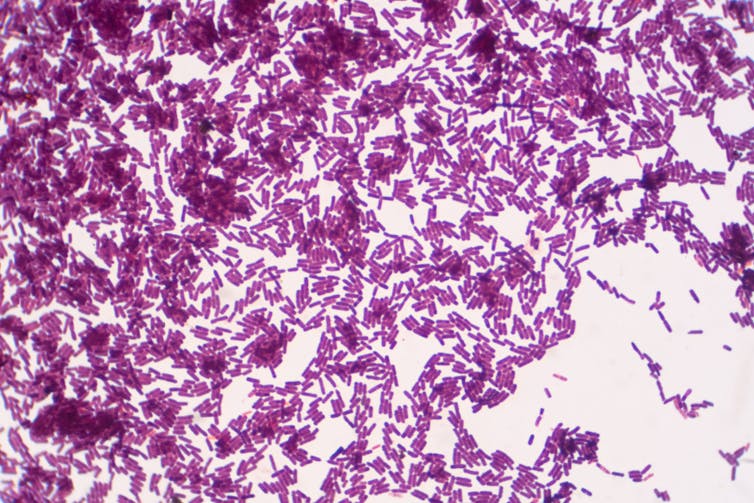
A microscope view of rod-shaped bacteria stained purple.
Some bacteria can be used to extract metals from their ores. Choksawatdikorn/Shutterstock

Scaling up bioleaching involves growing bacteria in incubators at 37°C, often using carbon dioxide. Not a lot of energy is needed, so the process has a much smaller carbon footprint than typical recycling plants, while also contributing less pollution. While reducing EV battery waste, bioleaching facilities mean manufacturers can recover these precious metals locally, and rely less on the few producer countries.

Academics working on bioleaching to stop once they’ve removed all the precious metals from the electronic waste and they’re floating in solution. This is not enough for industry. We combine bioleaching with electro-chemical methods that can fish out these metals and make them useful for supply chains. Unfortunately, existing methods in metal recycling which involve lots of energy and toxic chemicals have been used for decades. Industries can’t always afford to innovate, so it’s up to the government to mandate changes and invest in cleaner alternatives.

EV batteries are a technology still in their infancy. The reuse of their components should be considered as part of their design. Rather than remaining an afterthought, recycling can become both the beginning and end of an EV battery’s life cycle with bioleaching, producing high-quality raw materials for new batteries at low environmental cost.

Sebastien Farnaud, Professor of Bio-innovation and Enterprise, Coventry University

This article is republished from The Conversation under a Creative Commons license. Read the original article.


Tags: SB001
DMCA.com Protection Status

SUBSCRIBE to our NEWSLETTER

[mc4wp_form id=”2384248″]

Don't Miss

Animal Communication Goes Beyond What Science Can Currently Measure: Zoologist and Spiritual teacher Artemis, the heart whisperer on what the textbooks don’t teach

by Australian Times
7 July 2026
Animal Communication Goes Beyond What Science Can Currently Measure
Lifestyle

Animal communication classes and formal training can be valuable, providing tools, structure, and guidance.

Read moreDetails

Managing Aussie Share Portfolios Abroad: Tips for Growth

by Fazila Olla-Logday
2 July 2026
Managing Aussie Share Portfolios Abroad: Tips for Growth
at

Unlock the secrets to optimizing your Aussie share portfolios abroad. Discover essential tips for growth and navigate the global market...

Read moreDetails

The New Meaning of Luxury: Lessons from Entrepreneur Chloe Hardy

by Pauline Torongo
2 July 2026
The New Meaning of Luxury: Lessons from Entrepreneur Chloe Hardy
Business & Finance

Chloe Hardy, the founder and CEO of Dupes & Co established an Australian-made beauty brand focused on affordability and product...

Read moreDetails

Excel Funding Group emerges as Specialist in SMSF Property Lending amid growing demand

by Pauline Torongo
26 June 2026
Excel Funding Group emerges as Specialist in SMSF Property Lending amid growing demand
Business & Finance

Excel Funding Group has hit a new milestone, tripling its SMSF loan settlement volumes compared to Q1 2025.

Read moreDetails

Svitla Systems acquires Australia’s Kiandra IT to expand Global Engineering Footprint and Accelerate AI-Driven delivery

by Pauline Torongo
11 May 2026
Svitla Systems
Business & Finance

Acquisition marks Svitla’s entry into the Australian market and strengthens capabilities in low-code, Microsoft technologies, and enterprise software engineering.

Read moreDetails

Residential Healthcare Practices: Revolution or Evolution?

by Pauline Torongo
11 May 2026
Residential Healthcare Practices: Revolution or Evolution?
Lifestyle

President Bill Lutz’s "revolution" was born from his background in fine dining, which instilled a disciplined, customer-focused approach.

Read moreDetails

Medicana Health Group launches HPV vaccination campaign to support cervical cancer prevention

by Pauline Torongo
28 April 2026
Medicana Health Group launches HPV vaccination campaign to support cervical cancer prevention
Health & Wellness

The Türkiye-based healthcare group has introduced a new awareness campaign focused on HPV vaccination, regular check-ups and early detection, with...

Read moreDetails
Load More

Copyright © Blue Sky Publications Ltd. All Rights Reserved.
australiantimes.co.uk is a division of Blue Sky Publications Ltd. Reproduction without permission prohibited. DMCA.com Protection Status

  • About us
  • Write for Us
  • Advertise
  • Contact us
  • T&Cs, Privacy and GDPR
No Result
View All Result
  • News
    • Weather
    • Sport
    • Technology
    • Business & Finance
      • Currency Zone
    • Lotto Results
      • The Lott
  • Lifestyle
    • Entertainment
    • Horoscopes
    • Health & Wellness
    • Recipes
  • Travel
  • Expat Life
  • Move to Australia

Copyright © Blue Sky Publications Ltd. All Rights Reserved.
australiantimes.co.uk is a division of Blue Sky Publications Ltd. Reproduction without permission prohibited. DMCA.com Protection Status

No Result
View All Result
  • News
    • Weather
    • Sport
    • Technology
    • Business & Finance
      • Currency Zone
    • Lotto Results
      • The Lott
  • Lifestyle
    • Entertainment
    • Horoscopes
    • Health & Wellness
    • Recipes
  • Travel
  • Expat Life
  • Move to Australia

Copyright © Blue Sky Publications Ltd. All Rights Reserved.
australiantimes.co.uk is a division of Blue Sky Publications Ltd. Reproduction without permission prohibited. DMCA.com Protection Status





