


Albert H. Titus, University at Buffalo, The State University of New York
The difficulty many people have getting tested for SARS-CoV-2 and delays in receiving test results make early warning of possible COVID-19 infections all the more important, and data from wearable health and fitness devices shows promise for identifying who might have COVID-19.

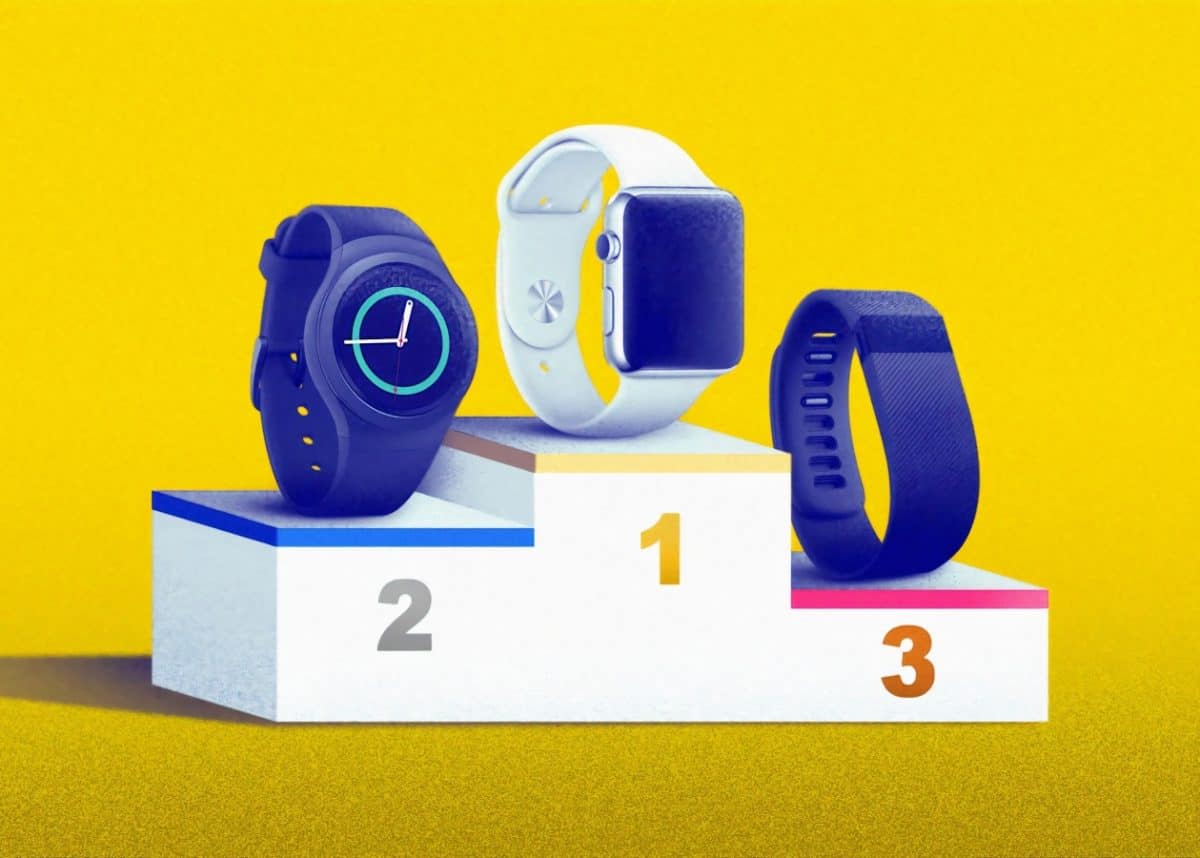
Today’s wearable device gather data about physical activity, heart rate, body temperature and quality of sleep. This data is typically used to help people track general well-being. Smartwatches are the most common type of wearable. There are also smart wrist bands, finger rings and earbuds. Smart clothing, shoes and eyeglasses can also be considered “wearables.” Popular brands include Fitbits, Apple Watches and Garmin watches.
Several studies are testing algorithms that assess data from wearable devices to detect COVID-19. Results to date show that the concept is sound. However, wearables can be expensive and sometimes challenging to use. Addressing these issues is important to allow as many people as possible to benefit from them.
Detecting flu-like illness
Because wearables are excellent tools for monitoring general health conditions, researchers began studying ways of using them to detect illness before the COVID-19 pandemic. For example, researchers used Fitbit data to identify people who could have an influenza-like illness from their resting heart rate and daily activity patterns. An elevated resting heart rate can be related to an infection.
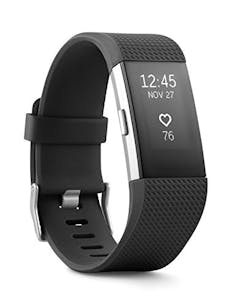
Most Fitbit models measure and record heart rate, so the devices can be used to spot periods of increased resting heart rate. They also measure and record activity, so they can identify reduced levels of daily activity. Combining these two measures allowed the researchers to better predict who had an influenza-like illness.
It’s not possible to determine if a smart device wearer has a particular illness from just these data measures. But seeing a sudden change in these conditions can prompt people to isolate themselves and get diagnostic tests, which can reduce the spread of communicable diseases like COVID-19.


Body temperature
Fever and persistent cough are the most common symptoms of COVID-19. This has sparked widespread screening using thermometers, most commonly contactless infrared thermometers.
Despite the ubiquity of thermometers, temperature sensors in wearables are uncommon. This is due in part to how complicated it is to obtain true body temperature from skin-based measurements. Skin temperature varies depending on environmental conditions and stress levels, sweat evaporation can lower skin temperature, and temperature sensors sometimes have less-than-ideal contact with the skin.
There are wearable temperature patches that communicate with smart devices and record temperature continuously. But body temperature isn’t 100% predictive of illness, and it’s impossible to diagnose a particular infection, such as COVID-19, using body temperature alone. Nonetheless, a fever alert could lead to earlier intervention.
Sweat and tears
Research into sensing technology continues to expand the possibilities for wearables as health monitoring and diagnosis devices. The COVID-19 outbreak is likely to influence the direction of this research as well as accelerate it.
One approach is to create sensors that detect compounds in sweat from the skin. These compounds can provide a lot of information about a person’s health. pH, sodium ions, glucose and alcohol content are just some of the things that emerging sweat sensors can detect. Tears also contain compounds from the body, so researchers are investigating chemical sensing using contact lenses and smart lenses.
Sweat rate can also be measured, which can be used as an indicator of temperature, so these sensors are being examined for use in helping detect COVID-19.
Toward detecting viruses
The drawback of many existing wearable sensors is that they can’t actually detect the presence of a virus such at SARS-CoV-2. To do this, they would have to detect virus-specific RNA.
RNA detection typically involves several steps, including extracting RNA from a sample, making many copies of the RNA and identifying the RNA. Although there has been a lot of progress in miniaturizing RNA detection equipment for use in rapid, point-of-care testing, there’s still a ways to go before it can fit in wearable devices.
Much of the ongoing research on developing rapid, point-of-care pathogen detection uses “lab-on-a-chip” technology. Lab-on-a-chip refers to the goal of shrinking laboratory tests that once required many large pieces of equipment to the size of a computer chip or microscope slide.
An example is a COVID-19 diagnostic test undergoing clinical trials. The test’s sensor is a specialized ion-sensitive field-effect transistor (ISFET) that is designed to respond to the presence of the virus RNA. The device can perform a test in less than one hour, but requires a sample collected by nasal swab.
While this technology is not wearable, it could become the launching point for future virus-detecting wearables because these can be made small and use little power. A wearable device that continuously monitors a person and indicates that they’ve contracted or been exposed to the virus would allow the person to seek treatment and isolate themselves to prevent further spread.
Sonic screwdrivers and tricorders
Fans of Dr. Who know the sonic screwdriver, and Star Trek followers know the tricorder. The ideal wearable of the future would be similar to these wondrous fictional devices. It would be able to detect the presence of the virus in the environment around the wearer, providing the opportunity to leave before becoming exposed.
[Deep knowledge, daily. Sign up for The Conversation’s newsletter.]
But airborne virus detection requires significant equipment to collect air samples and analyze them. Other methods, such as the plasmonic photothermal biosensor, provide promising results, but still require the user to perform the analysis. It will be some time before a smartwatch will be able to alert its wearer to the presence of a dangerous virus.
Wearable and accessible
For all the promise of wearables as tools to tackle the COVID-19 pandemic, and future pandemics, there are barriers to widespread use of the devices. Most wearables are expensive, can be difficult to learn to use by non-native English speakers, or are developed without data from a broad population base. There’s a risk that many people won’t accept the technology.
Continued development of broadly accepted health-based wearables should include community input, as outlined in a National Academies Workshop Summary. By ensuring that everyone has access to wearables, and accepts them, the devices can help keep people healthy in the midst of a global pandemic. Ongoing research should result in improved technology that, with care, will benefit all of society.
Albert H. Titus, Professor of Biomedical Engineering, University at Buffalo, The State University of New York
This article is republished from The Conversation under a Creative Commons license. Read the original article.







