

• Advertise
  • About us
  • Terms and Conditions
  • Contact us
Wednesday, May 13, 2026
Australian Times News
  • News
    • Weather
    • Sport
    • Technology
    • Business & Finance
      • Currency Zone
    • Lotto Results
      • The Lott
  • Lifestyle
    • Entertainment
    • Horoscopes
    • Health & Wellness
    • Recipes
  • Travel
  • Expat Life
  • Move to Australia
No Result
View All Result
  • News
    • Weather
    • Sport
    • Technology
    • Business & Finance
      • Currency Zone
    • Lotto Results
      • The Lott
  • Lifestyle
    • Entertainment
    • Horoscopes
    • Health & Wellness
    • Recipes
  • Travel
  • Expat Life
  • Move to Australia
No Result
View All Result
Australian Times News
No Result
View All Result
Home Lifestyle

The psychology of comfort food – why we look to carbs for solace

Amid the global spread of COVID-19 we are witnessing an increased focus on gathering food and supplies.

The Conversation by The Conversation
15-04-2020 08:05
in Lifestyle
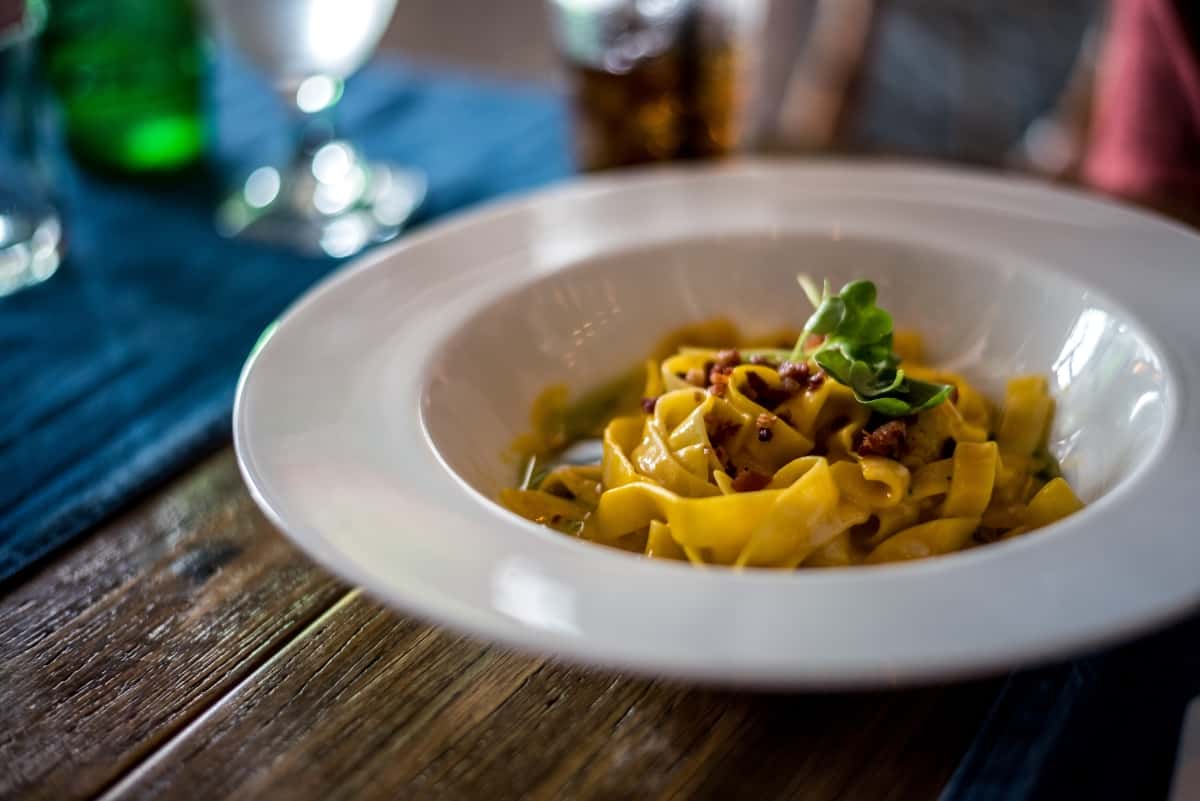
Photo by Izzy Boscawen on Unsplash

Photo by Izzy Boscawen on Unsplash

Joanne Dickson, Edith Cowan University and Charlotte Hardman, University of Liverpool

We’ve seen images of supermarket shelves emptied of basics such as toilet paper, pasta, and tinned foods. Messages to reassure people there would be continued supply of provisions has done little to ease public anxiety.

Panic buying and stockpiling are likely responses to heightened anxiety, fear and uncertainty about the future. COVID-19 poses an imminent threat.

Being able to exert some control over the situation by gathering goods to store for lockdown is one way individuals seek to manage anxiety and fear, and feel protected. But why do we seek out certain foods, and should we give in to cravings?

Retreating into our pantries

On the one hand, newly stocked and plentiful pantries, fridges and freezers reassure us that food is readily available and puts supplies within easy reach. At the same time, feelings such as loneliness, anxiety, depression, and stress may increase as we retreat and become housebound. So, we may be more vulnerable to what is referred to as “emotional eating” during this challenging time.

Reaching out for food to comfort oneself is an attempt to manage or alleviate negative emotions. A person’s tendency to emotionally eat can be measured using questionnaires such as the Emotional Eating Scale, which asks about eating in response to anxiety, depression and anger.


AlsoRead...

Residential Healthcare Practices: Revolution or Evolution?

Residential Healthcare Practices: Revolution or Evolution?

11 May 2026
Medicana Health Group launches HPV vaccination campaign to support cervical cancer prevention

Medicana Health Group launches HPV vaccination campaign to support cervical cancer prevention

28 April 2026

From an early age, infants learn to associate feeding with being soothed and social interaction. In everyday life, food is often used to enhance mood or “treat” ourselves. Eating tasty food releases dopamine in our brains, which is strongly associated with desire and wanting for food.

Eating sweet and fatty foods may improve mood temporarily by making us feel happier and more energetic while also satisfying our hunger. However, if comfort eating becomes a habit, it often comes with health costs, such as weight gain.

Research by Mantau and colleagues in 2018 found emotional eating is most likely to occur in response to stress and in individuals who are trying restrict their food intake (“restrained eaters”). These factors were more important in explaining people’s food choices than biological factors such as hunger.

Other studies have also shown that trying to suppress food urges can be futile and have the opposite effect to the desired outcome. For example, dieters have been found to experience strong cravings for the very foods they were trying to restrict.

Doing it tough

Employment insecurity, financial difficulty and hardship due to the COVID-19 pandemic are affecting the lives of many people. Past research has shown that poverty is associated with psychological distress, including higher rates of depression and lower mental well-being. Again, people’s ways of coping with this distress could have further ramifications for their health.

Research shows those in lower socioeconomic circumstances were more distressed, and more likely to turn to emotional eating as a way of coping. This emotional eating was, in turn, associated with increased body weight.

This suggests it is not distress or biological make-up but people’s ways of coping (using food) that may be critical in explaining why some people gain weight in response to stressful life events. People with a history of socioeconomic disadvantage may also find it harder to cope with emotional distress, perhaps due to factors such as lower social support. As a result, they may be more vulnerable to using food as a way of coping.

Toasty crusty goodness

Baking has become a strong theme on social media. The #BakeCorona hashtag has taken off and #QuarantineBaking has over 65,000 posts.

Research suggests there are likely benefits from engaging in cooking. The psychosocial benefits of baking have been shown to include boosts in socialisation, self-esteem, quality of life, and mood. Cooking with children may also promote healthy diets.

By providing and sharing food with other people, baking may strengthen social relationships and make us feel closer to our loved ones. This may explain why it has become so popular in these times.

Coping with lockdown

During this time of social isolation, it’s tempting to reach for food, but a healthy balance remains important.

Creating a “new routine” or “new normal” which includes a variety of activities – exercise, baking, music, reading, online activities, working or studying, relaxing, keeping in touch with friends and family – may help maintain a sense of well-being, and assist in managing meal times and food intake.

Mindfulness meditation practice may be useful in managing emotional eating and weight. Research has shown that Mindfulness Based Interventions (MBIs) are effective in managing emotional eating, reducing weight and improving obesity-related eating behaviours.

Weight management initiatives should encompass psychological factors such as mood and distress. Teaching people to develop positive coping strategies in these challenging times (problem solving, positive help seeking, relaxation techniques) may be particularly effective.

Joanne Dickson, Associate Professor of Psychology, Edith Cowan University and Charlotte Hardman, Senior Lecturer in Appetite and Obesity, University of Liverpool

This article is republished from The Conversation under a Creative Commons license. Read the original article.


Tags: SB001
DMCA.com Protection Status

SUBSCRIBE to our NEWSLETTER

[mc4wp_form id=”2384248″]

Don't Miss

Svitla Systems acquires Australia’s Kiandra IT to expand Global Engineering Footprint and Accelerate AI-Driven delivery

by Pauline Torongo
11 May 2026
Svitla Systems
Business & Finance

Acquisition marks Svitla’s entry into the Australian market and strengthens capabilities in low-code, Microsoft technologies, and enterprise software engineering.

Read moreDetails

Residential Healthcare Practices: Revolution or Evolution?

by Pauline Torongo
11 May 2026
Residential Healthcare Practices: Revolution or Evolution?
Lifestyle

President Bill Lutz’s "revolution" was born from his background in fine dining, which instilled a disciplined, customer-focused approach.

Read moreDetails

Medicana Health Group launches HPV vaccination campaign to support cervical cancer prevention

by Pauline Torongo
28 April 2026
Medicana Health Group launches HPV vaccination campaign to support cervical cancer prevention
Health & Wellness

The Türkiye-based healthcare group has introduced a new awareness campaign focused on HPV vaccination, regular check-ups and early detection, with...

Read moreDetails

How Clevero is helping Australian Service Businesses compete with Enterprises on a Fraction of the Budget

by Pauline Torongo
28 April 2026
How Clevero is helping Australian Service Businesses compete with Enterprises on a Fraction of the Budget
Business & Finance

By consolidating CRM, scheduling, workflow automation, invoicing, reporting, and client communications into a single platform, Clevero gives smaller operators the...

Read moreDetails

How CJAM Group is building 1,100 homes across Southeast Queensland

by Pauline Torongo
24 March 2026
How CJAM Group is building 1,100 homes across Southeast Queensland
Lifestyle

The CJAM Group founder is quietly building a 1,100+ home pipeline, with projects in Hervey Bay and Toowoomba, using a...

Read moreDetails

Design Without Compromise: Where Gutter Protection Meets Modern Architecture

by Fazila Olla-Logday
20 March 2026
Design Without Compromise: Where Gutter Protection Meets Modern Architecture
Business & Finance

Design without compromise by integrating gutter protection seamlessly into modern architecture. Discover how innovative gutter systems enhance your home’s aesthetics...

Read moreDetails

How WageSafe Secured Australia’s Most Reputable Retail Business Among Its Premium Clients

by Fazila Olla-Logday
12 March 2026
How WageSafe Secured Australia’s Most Reputable Retail Business Among Its Premium Clients
at

Learn how WageSafe helps businesses stay compliant with payroll and wage regulations through reliable monitoring, risk management, and expert support—protecting...

Read moreDetails
Load More

Copyright © Blue Sky Publications Ltd. All Rights Reserved.
australiantimes.co.uk is a division of Blue Sky Publications Ltd. Reproduction without permission prohibited. DMCA.com Protection Status

  • About us
  • Write for Us
  • Advertise
  • Contact us
  • T&Cs, Privacy and GDPR
No Result
View All Result
  • News
    • Weather
    • Sport
    • Technology
    • Business & Finance
      • Currency Zone
    • Lotto Results
      • The Lott
  • Lifestyle
    • Entertainment
    • Horoscopes
    • Health & Wellness
    • Recipes
  • Travel
  • Expat Life
  • Move to Australia

Copyright © Blue Sky Publications Ltd. All Rights Reserved.
australiantimes.co.uk is a division of Blue Sky Publications Ltd. Reproduction without permission prohibited. DMCA.com Protection Status

No Result
View All Result
  • News
    • Weather
    • Sport
    • Technology
    • Business & Finance
      • Currency Zone
    • Lotto Results
      • The Lott
  • Lifestyle
    • Entertainment
    • Horoscopes
    • Health & Wellness
    • Recipes
  • Travel
  • Expat Life
  • Move to Australia

Copyright © Blue Sky Publications Ltd. All Rights Reserved.
australiantimes.co.uk is a division of Blue Sky Publications Ltd. Reproduction without permission prohibited. DMCA.com Protection Status





