

• Advertise
  • About us
  • Terms and Conditions
  • Contact us
Wednesday, August 12, 2026
Australian Times News
  • News
    • Weather
    • Sport
    • Technology
    • Business & Finance
      • Currency Zone
    • Lotto Results
      • The Lott
  • Lifestyle
    • Entertainment
    • Horoscopes
    • Health & Wellness
    • Recipes
  • Travel
  • Expat Life
  • Move to Australia
No Result
View All Result
  • News
    • Weather
    • Sport
    • Technology
    • Business & Finance
      • Currency Zone
    • Lotto Results
      • The Lott
  • Lifestyle
    • Entertainment
    • Horoscopes
    • Health & Wellness
    • Recipes
  • Travel
  • Expat Life
  • Move to Australia
No Result
View All Result
Australian Times News
No Result
View All Result
Home Lifestyle

Coronavirus: why we should end the pandemic ban on reusable cups

A group of scientists has endorsed the sensible use of reusable containers as safe and unlikely to contribute to the further spread of COVID-19.

The Conversation by The Conversation
05-07-2020 01:37
in Lifestyle
we should end the pandemic ban on reusable cups

We should end the pandemic ban on reusable cups Photo by Waldemar Brandt on Unsplash

Sarah Pitt, University of Brighton

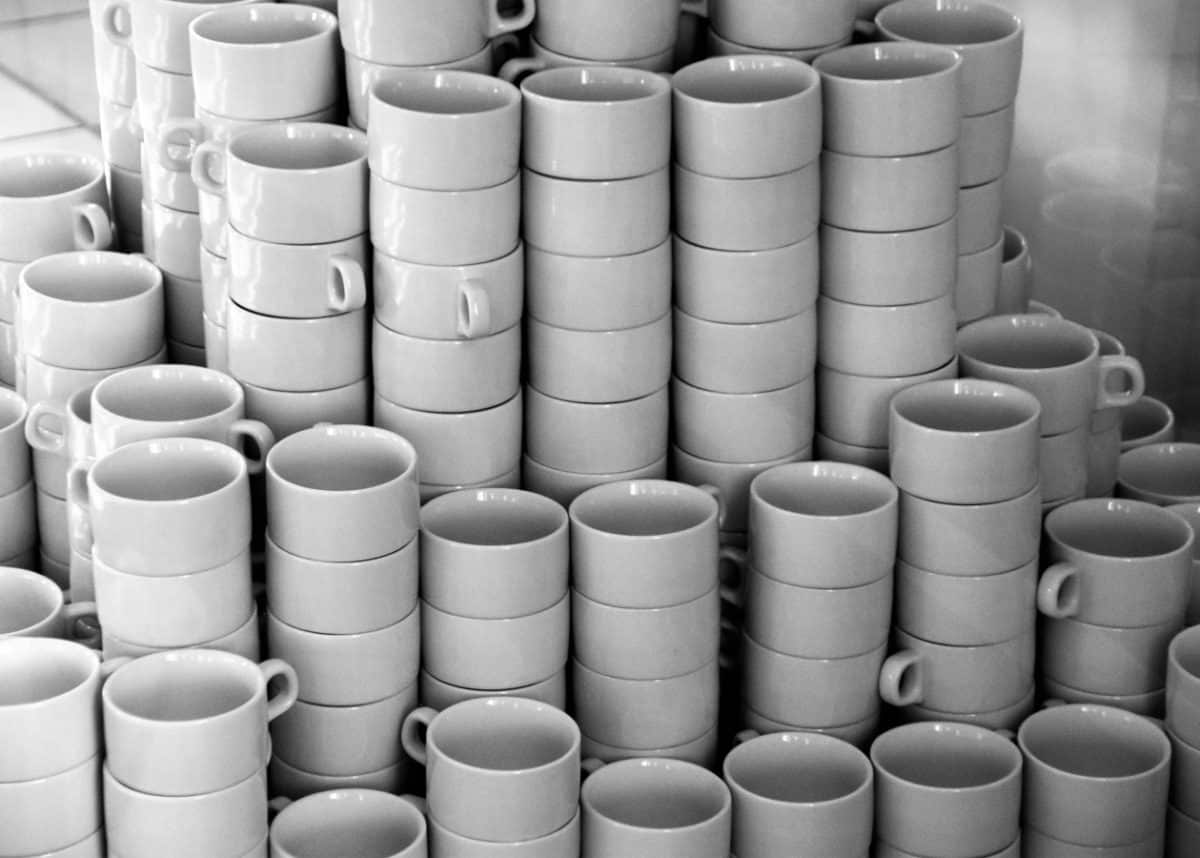
Of the many ways the coronavirus pandemic has changed our lives, the banning of reusable cups by many cafes and other outlets serving hot drinks probably doesn’t appear at the top of most people’s lists. But the move is likely to add to the mountain of waste piling up as the pandemic has led to a reliance on large amounts of single-use plastic and brought recycling to a halt.

Vincente Sargues/Shutterstock

Meanwhile, as lockdown restrictions lift, more people are able to visit restaurants or the homes of friends or family. And some may be concerned about eating with plates, cups and cutlery that other people have handled or eaten from.

In response, a group of scientists has endorsed the sensible use of reusable containers as safe and unlikely to contribute to the further spread of COVID-19. Here’s why that’s the case – and why cafes should lift their reusable cup bans.

Coronavirus particles are transmitted from person to person in droplets of moisture from the mouth and nose. This means coughs and sneezes are a key source of transmission, but deposits of saliva – for example, left on a cup when you sip from it – could also contain the virus.

The reasoning behind social distancing measures, such as keeping two metres away from others and wearing a face covering when closer to them for any length of time is to stop the virus being passed between people in public spaces. But studies show that cough and cold viruses tend to stay on surfaces, including plastic, for up to several days.

Early indications are that this is also true of the novel coronavirus behind the pandemic, SARS-CoV-2. And we also know that objects can play a significant role in the transmission of respiratory and viral diseases. (Scientists call objects that transmit disease “fomites”.)


AlsoRead...

Smarter Fleet Management

Why Smarter Fleet Management Is For All Modern Business Options

29 July 2026
Animal Communication Goes Beyond What Science Can Currently Measure

Animal Communication Goes Beyond What Science Can Currently Measure: Zoologist and Spiritual teacher Artemis, the heart whisperer on what the textbooks don’t teach

7 July 2026

Virus killer

There is still much that virologists do not know about the virus, but we do know that it is inactivated when it comes into contact with detergent. That means using soap on hands, disinfectant on surfaces and washing-up liquid on cups and plates are all ways to effectively kill SARS-CoV-2.

This is because the virus is surrounded by a fatty envelope, which must be intact for the virus to remain infectious. This is readily disrupted by detergent, such as washing-up liquid. This means reusable containers could actually be safer if they are regularly and properly washed than single-use ones that may have been exposed to the environment for a long time and not washed before use. A pile of used containers sitting in an overflowing bin could also be a risk.
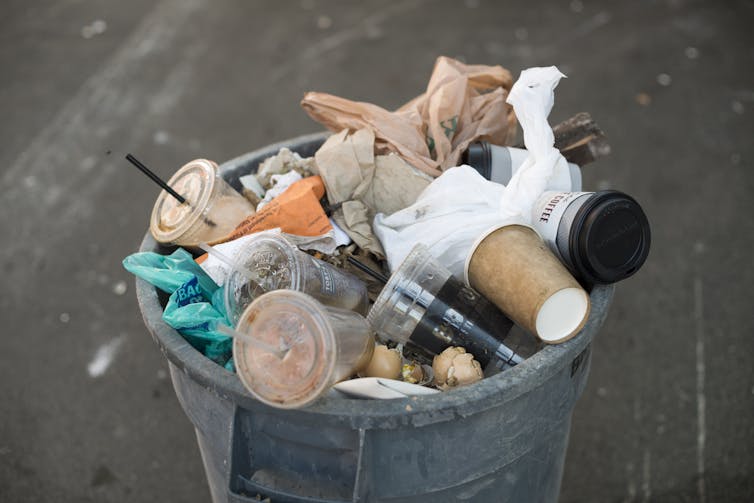
Environmental nightmare and potential health hazard. My 2 Yen/Shutterstock

Of course, a washed reusable container could still become contaminated with and transmit the virus as it’s passed between a customer and a server. So cafes and bars will have to find a suitable way to serve drinks, such as the customer putting their own cup on a tray and passing it across a counter to be filled by a person wearing personal protective equipment. This would minimise the risk of the virus being inadvertently transferred onto the outside of a clean cup or glass by either party.

Many people are hoping that post-COVID-19 life will not involve a return to the same levels of consumption of the world’s resources. By the end of 2019, it had started to become normal to bring a reusable cup when buying a drink for takeaway outside of the home. Cafes and bars were more likely to serve food and drink to customers using china and glassware.

What we know about SARS-CoV-2 suggests the pandemic shouldn’t mean a return to single-use disposable cups and plates. In fact, there may be reasons to prefer reusable items. So perhaps it’s time to revive the tradition of bringing your own beer tankard to the pub.

Sarah Pitt, Principal Lecturer, Microbiology and Biomedical Science Practice, Fellow of the Institute of Biomedical Science, University of Brighton

This article is republished from The Conversation under a Creative Commons license. Read the original article.


Tags: SB001
DMCA.com Protection Status

SUBSCRIBE to our NEWSLETTER

[mc4wp_form id=”2384248″]

Don't Miss

Why Smarter Fleet Management Is For All Modern Business Options

by Fazila Olla-Logday
29 July 2026
Smarter Fleet Management
Motoring

Operating a business that relies on vehicles is harder than ever.

Read moreDetails

Animal Communication Goes Beyond What Science Can Currently Measure: Zoologist and Spiritual teacher Artemis, the heart whisperer on what the textbooks don’t teach

by Australian Times
7 July 2026
Animal Communication Goes Beyond What Science Can Currently Measure
Lifestyle

Animal communication classes and formal training can be valuable, providing tools, structure, and guidance.

Read moreDetails

Managing Aussie Share Portfolios Abroad: Tips for Growth

by Fazila Olla-Logday
2 July 2026
Managing Aussie Share Portfolios Abroad: Tips for Growth
at

Unlock the secrets to optimizing your Aussie share portfolios abroad. Discover essential tips for growth and navigate the global market...

Read moreDetails

The New Meaning of Luxury: Lessons from Entrepreneur Chloe Hardy

by Pauline Torongo
2 July 2026
The New Meaning of Luxury: Lessons from Entrepreneur Chloe Hardy
Business & Finance

Chloe Hardy, the founder and CEO of Dupes & Co established an Australian-made beauty brand focused on affordability and product...

Read moreDetails

Excel Funding Group emerges as Specialist in SMSF Property Lending amid growing demand

by Pauline Torongo
26 June 2026
Excel Funding Group emerges as Specialist in SMSF Property Lending amid growing demand
Business & Finance

Excel Funding Group has hit a new milestone, tripling its SMSF loan settlement volumes compared to Q1 2025.

Read moreDetails

Svitla Systems acquires Australia’s Kiandra IT to expand Global Engineering Footprint and Accelerate AI-Driven delivery

by Pauline Torongo
11 May 2026
Svitla Systems
Business & Finance

Acquisition marks Svitla’s entry into the Australian market and strengthens capabilities in low-code, Microsoft technologies, and enterprise software engineering.

Read moreDetails

Residential Healthcare Practices: Revolution or Evolution?

by Pauline Torongo
11 May 2026
Residential Healthcare Practices: Revolution or Evolution?
Lifestyle

President Bill Lutz’s "revolution" was born from his background in fine dining, which instilled a disciplined, customer-focused approach.

Read moreDetails
Load More

Copyright © Blue Sky Publications Ltd. All Rights Reserved.
australiantimes.co.uk is a division of Blue Sky Publications Ltd. Reproduction without permission prohibited. DMCA.com Protection Status

  • About us
  • Write for Us
  • Advertise
  • Contact us
  • T&Cs, Privacy and GDPR
No Result
View All Result
  • News
    • Weather
    • Sport
    • Technology
    • Business & Finance
      • Currency Zone
    • Lotto Results
      • The Lott
  • Lifestyle
    • Entertainment
    • Horoscopes
    • Health & Wellness
    • Recipes
  • Travel
  • Expat Life
  • Move to Australia

Copyright © Blue Sky Publications Ltd. All Rights Reserved.
australiantimes.co.uk is a division of Blue Sky Publications Ltd. Reproduction without permission prohibited. DMCA.com Protection Status

No Result
View All Result
  • News
    • Weather
    • Sport
    • Technology
    • Business & Finance
      • Currency Zone
    • Lotto Results
      • The Lott
  • Lifestyle
    • Entertainment
    • Horoscopes
    • Health & Wellness
    • Recipes
  • Travel
  • Expat Life
  • Move to Australia

Copyright © Blue Sky Publications Ltd. All Rights Reserved.
australiantimes.co.uk is a division of Blue Sky Publications Ltd. Reproduction without permission prohibited. DMCA.com Protection Status





