

• Advertise
  • About us
  • Terms and Conditions
  • Contact us
Wednesday, September 30, 2026
Australian Times News
  • News
    • Weather
    • Sport
    • Technology
    • Business & Finance
      • Currency Zone
    • Lotto Results
      • The Lott
  • Lifestyle
    • Entertainment
    • Horoscopes
    • Health & Wellness
    • Recipes
  • Travel
  • Expat Life
  • Move to Australia
No Result
View All Result
  • News
    • Weather
    • Sport
    • Technology
    • Business & Finance
      • Currency Zone
    • Lotto Results
      • The Lott
  • Lifestyle
    • Entertainment
    • Horoscopes
    • Health & Wellness
    • Recipes
  • Travel
  • Expat Life
  • Move to Australia
No Result
View All Result
Australian Times News
No Result
View All Result
Home News

Make drones sound less annoying by factoring in humans at the design stage

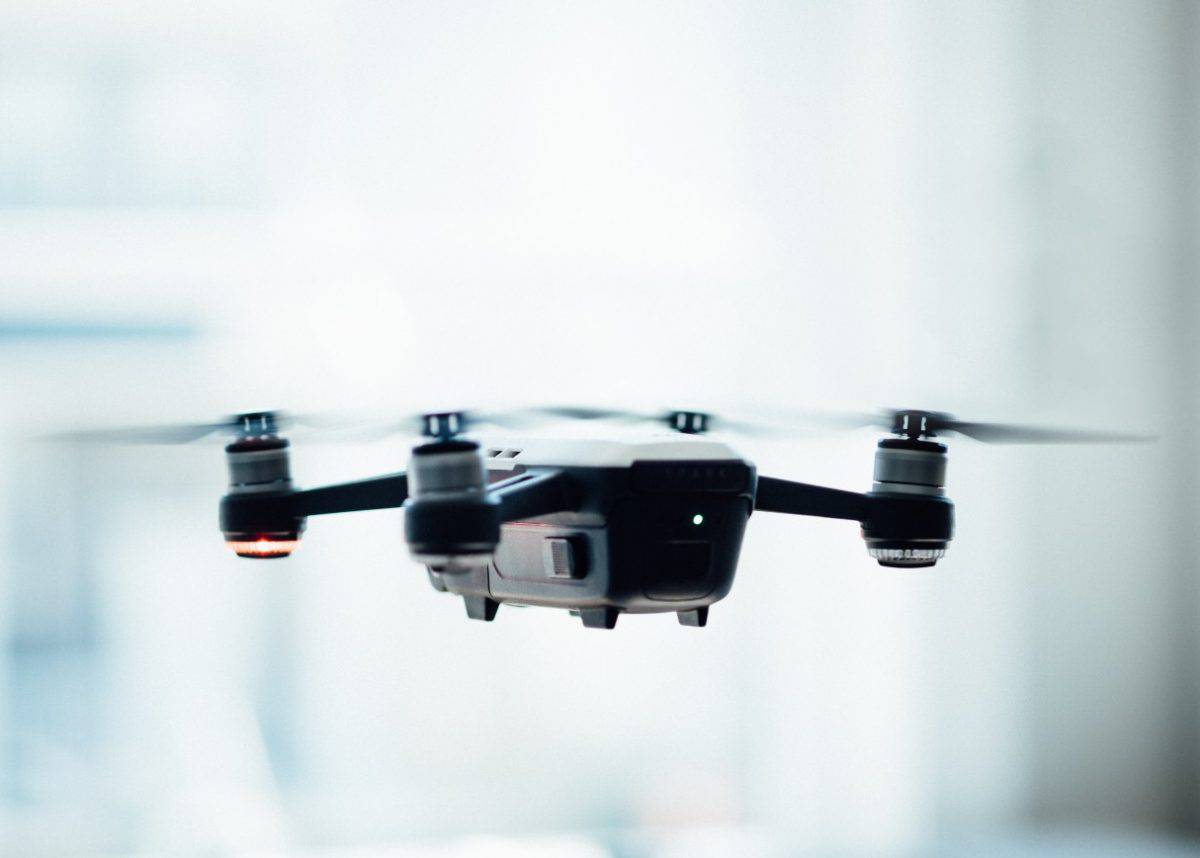
These days almost everyone has either flown a drone or listened to the nasty whining sound they produce. Although small drones (up to 20kg) are about 40 decibels quieter than conventional civil aircraft, they produce a high pitched noise – which people tend to find very annoying.

The Conversation by The Conversation
28-12-2020 01:49
in News
Make drones sound less annoying

Make drones sound less annoying Photo by Dose Media on Unsplash

Antonio J Torija Martinez, University of Salford

These days almost everyone has either flown a drone or listened to the nasty whining sound they produce. Although small drones (up to 20kg) are about 40 decibels quieter than conventional civil aircraft, they produce a high pitched noise – which people tend to find very annoying.

Shutterstock/DmitryKalinovsky

One Nasa study found that drone sounds were more annoying than those made by road vehicles. And my own research has found that the noise of drones is less preferable than that of civil aircraft – even at the same volume.

Part of the problem is that drones often fly at relatively low altitudes over populated areas that are not normally exposed to aircraft noise. This is likely to lead to tensions within the exposed communities. Unquestionably, if the noise issues are not tackled appropriately, they could derail the wider adoption and commercialisation of drones and put at risk the significant societal benefits that they could bring.

For example, small to medium size drones are already used for multiple applications such as medical deliveries and the search for missing persons. Another innovation in commercial aviation is the development of electrical vertical takeoff and landing (and possibly autonomous) vehicles to transport people in cities.

Several “urban air mobility” vehicles, or “flying taxis” are currently being developed by different aircraft manufacturers. Both drones and flying taxis will produce sounds significantly different from conventional civil aircraft and will share similar issues regarding noise annoyance.

In 2019, I started a line of research which aimed to answer two big questions: how will communities react to these new vehicles with unconventional noise signatures when they begin to operate at scale? And how can the design of these new vehicles be improved to protect the health and the quality of life of the people living in those communities?


AlsoRead...

Mark Levin and Yael Eckstein: Celebrating 250 Years - The Bond Between America and Israel

Mark Levin and Yael Eckstein: Celebrating 250 Years – The Bond Between America and Israel

30 September 2026
How supporting Australia’s Care Workforce could strengthen care in the community

How supporting Australia’s Care Workforce could strengthen care in the community

10 September 2026

To answer the first question, we investigated how a drone operation could influence the perception of a series of typical sound environments in cities. As drones cannot be flown closer to people than 50m, virtual reality techniques were used to produce highly realistic scenarios with a drone hovering in a selection of urban locations.

This laboratory study found that the noise generated by the hovering of a small quad-copter significantly affected the perception of the sound environment. For instance, an important increase in noise annoyance was reported with the drone hovering, particularly in locations with low volumes of road traffic. This suggested that the noise produce by road traffic could make drone noise less noticeable. So the operation of drones along busy roads might mitigate the increase of noise impact caused in the community.

We are now testing a wide variety of drones, with different operating manoeuvres. We seek to better understand and predict human responses to the drone sounds and to gather meaningful evidence to further develop the regulation of the sounds they produce.

Perception-influenced engineering

By integrating human responses into the design process, the most undesirable noises can be avoided in the earliest stages of vehicle development.

This can either be done directly with subjective testing (human participants assessing and providing feedback for a series of drone noise samples) or through the use of so-called psycho-acoustic metrics which are widely adopted in the automotive industry. These metrics allow an accurate representation of how different sound features (pitch, temporal variations, tones) are perceived. We want to use them to inform the design of drones. For instance, optimising the position of rotors to make drones sound less annoying.

The combination of virtual reality techniques and psycho-acoustic methods to inform the design and operation of drones will avoid costly and inefficient ad-hoc corrections at later stages, going beyond the traditional approach for aircraft noise assessment. But more importantly, if drone manufacturers incorporate these strategies into their designs, they might just build machines that are not only efficient, but also, just that little bit less irritating.

Antonio J Torija Martinez, Lecturer in Acoustic Engineering, University of Salford

This article is republished from The Conversation under a Creative Commons license. Read the original article.


Tags: SB001
DMCA.com Protection Status

SUBSCRIBE to our NEWSLETTER

[mc4wp_form id=”2384248″]

Don't Miss

Mark Levin and Yael Eckstein: Celebrating 250 Years – The Bond Between America and Israel

by Pauline Torongo
30 September 2026
Mark Levin and Yael Eckstein: Celebrating 250 Years - The Bond Between America and Israel
News

As America marks 250 years since the Declaration of Independence, Yael Eckstein and Mark Levin explore the biblical values and...

Read moreDetails

How supporting Australia’s Care Workforce could strengthen care in the community

by Pauline Torongo
10 September 2026
How supporting Australia’s Care Workforce could strengthen care in the community
News

Australian care funding faces growing scrutiny after a 2025 ANAO report found NDIS losses from fraud, non-compliance, and payment errors...

Read moreDetails

The Future of Work Is Changing: What HR must champion next, according to Energy Collective Co

by Pauline Torongo
28 August 2026
What HR Must Champion Next, According to Energy Collective Co
Business & Finance

Energy Collective Co examines the root causes of performance by considering how work is designed, how leadership is enacted and...

Read moreDetails

From Empathy Burnout to Body-Led Recovery: What Heidi Jane of Intuition Co. learned by living through what she teaches

by Pauline Torongo
25 August 2026
What Heidi Jane of Intuition Co. learned by living through what she teaches
Lifestyle

Recognising emotional exhaustion is only the first step. While supportive habits such as rest, time in nature, hydration, and reduced...

Read moreDetails

Why Smarter Fleet Management Is For All Modern Business Options

by Fazila Olla-Logday
29 July 2026
Smarter Fleet Management
Motoring

Operating a business that relies on vehicles is harder than ever.

Read moreDetails

Animal Communication Goes Beyond What Science Can Currently Measure: Zoologist and Spiritual teacher Artemis, the heart whisperer on what the textbooks don’t teach

by Australian Times
7 July 2026
Animal Communication Goes Beyond What Science Can Currently Measure
Lifestyle

Animal communication classes and formal training can be valuable, providing tools, structure, and guidance.

Read moreDetails

Managing Aussie Share Portfolios Abroad: Tips for Growth

by Fazila Olla-Logday
2 July 2026
Managing Aussie Share Portfolios Abroad: Tips for Growth
at

Unlock the secrets to optimizing your Aussie share portfolios abroad. Discover essential tips for growth and navigate the global market...

Read moreDetails
Load More

Copyright © Blue Sky Publications Ltd. All Rights Reserved.
australiantimes.co.uk is a division of Blue Sky Publications Ltd. Reproduction without permission prohibited. DMCA.com Protection Status

  • About us
  • Write for Us
  • Advertise
  • Contact us
  • T&Cs, Privacy and GDPR
No Result
View All Result
  • News
    • Weather
    • Sport
    • Technology
    • Business & Finance
      • Currency Zone
    • Lotto Results
      • The Lott
  • Lifestyle
    • Entertainment
    • Horoscopes
    • Health & Wellness
    • Recipes
  • Travel
  • Expat Life
  • Move to Australia

Copyright © Blue Sky Publications Ltd. All Rights Reserved.
australiantimes.co.uk is a division of Blue Sky Publications Ltd. Reproduction without permission prohibited. DMCA.com Protection Status

No Result
View All Result
  • News
    • Weather
    • Sport
    • Technology
    • Business & Finance
      • Currency Zone
    • Lotto Results
      • The Lott
  • Lifestyle
    • Entertainment
    • Horoscopes
    • Health & Wellness
    • Recipes
  • Travel
  • Expat Life
  • Move to Australia

Copyright © Blue Sky Publications Ltd. All Rights Reserved.
australiantimes.co.uk is a division of Blue Sky Publications Ltd. Reproduction without permission prohibited. DMCA.com Protection Status





