

• Advertise
  • About us
  • Terms and Conditions
  • Contact us
Saturday, August 15, 2026
Australian Times News
  • News
    • Weather
    • Sport
    • Technology
    • Business & Finance
      • Currency Zone
    • Lotto Results
      • The Lott
  • Lifestyle
    • Entertainment
    • Horoscopes
    • Health & Wellness
    • Recipes
  • Travel
  • Expat Life
  • Move to Australia
No Result
View All Result
  • News
    • Weather
    • Sport
    • Technology
    • Business & Finance
      • Currency Zone
    • Lotto Results
      • The Lott
  • Lifestyle
    • Entertainment
    • Horoscopes
    • Health & Wellness
    • Recipes
  • Travel
  • Expat Life
  • Move to Australia
No Result
View All Result
Australian Times News
No Result
View All Result
Home News

After two decades, the national electricity market is on its way out, and that’s alright

This year first Victoria, and now NSW, have brought the development of their transmission and generation systems back under their own control.

The Conversation by The Conversation
11-12-2020 01:45
in News
The National Electricity Market

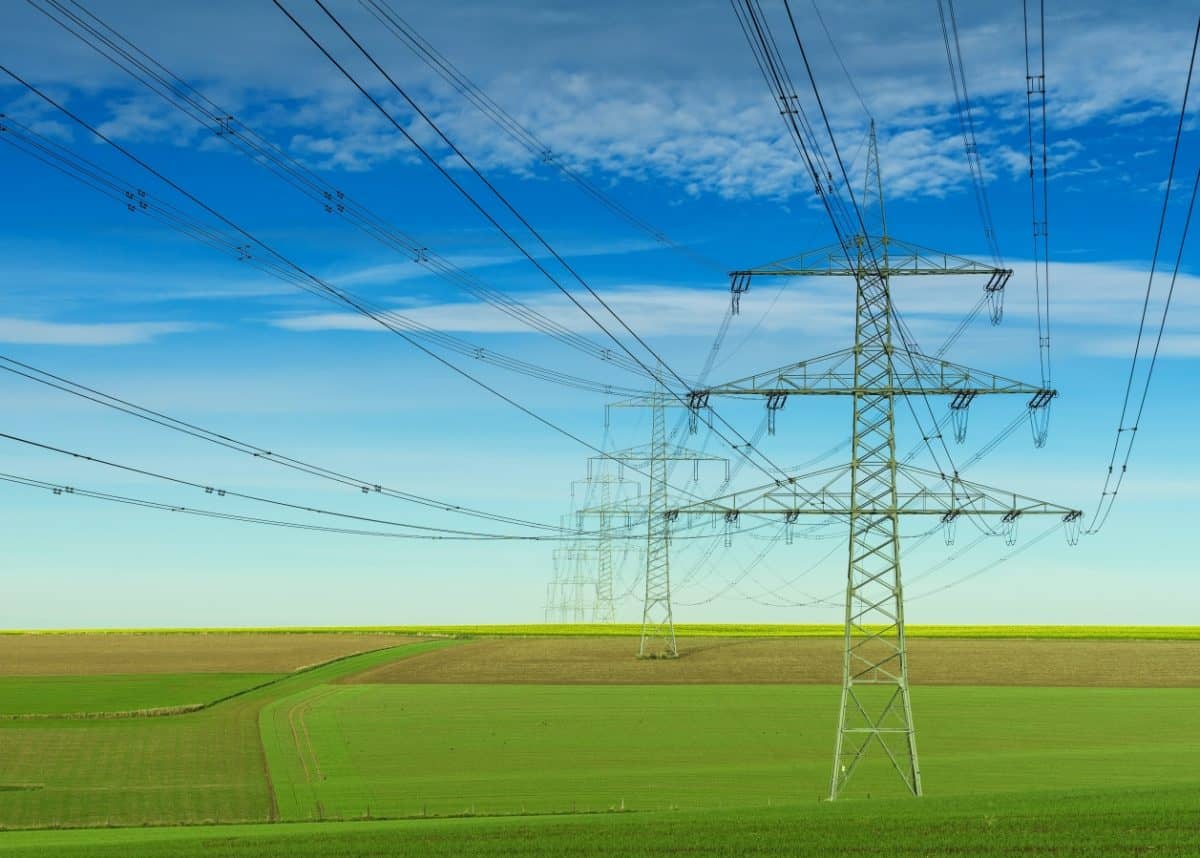
The National Electricity Market Photo by Johannes Plenio on Unsplash

Bruce Mountain, Victoria University

It has been more than 20 years in the making, but there is now a new order in Australia’s grandest (and most problematic) example of cooperative federalism: the National Electricity Market.
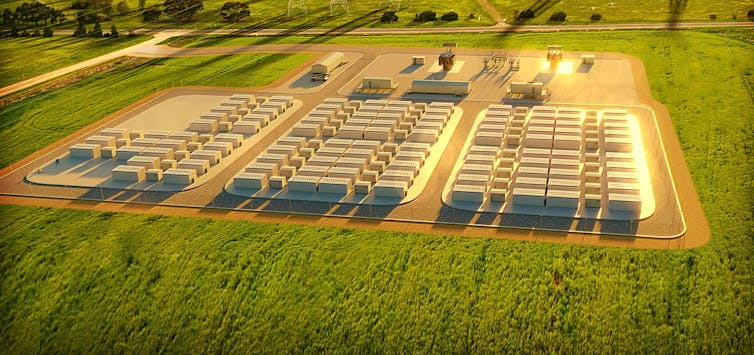
NEOEN Energy

Not completely national (it excludes Western Australia and the Northern Territory), it links most towns east of Port Lincoln and south of Port Douglas so that, in theory, electricity produced near any of them can be used anywhere else.

Australian Energy Market Commission

This year first Victoria, and now NSW, have brought the development of their transmission and generation systems back under their own control.

Victoria set the ball rolling earlier this year with legislation to take back the power to plan and deliver new transmission.

In November in its first major use of the new laws it announced the procurement of a 300 megawatt battery near Geelong. Just three years ago a battery this size would have been three times bigger than the biggest in the world.

NSW followed with legislation in November to create new authorities to plan and contract for the development of what it expects to be A$32 billion worth of new transmission, generation and storage facilities over the next 10 years.


AlsoRead...

Managing Aussie Share Portfolios Abroad: Tips for Growth

Managing Aussie Share Portfolios Abroad: Tips for Growth

2 July 2026
The New Meaning of Luxury: Lessons from Entrepreneur Chloe Hardy

The New Meaning of Luxury: Lessons from Entrepreneur Chloe Hardy

2 July 2026

In both states the legislation obtained widespread support in parliament.

Why they’re bringing electricity home

The reasons are political and economic.

Politically, reductions in the costs of wind and solar generation has meant decarbonisation is increasingly seen as a way to cut electricity prices.

But in both states a small number of privately-owned coal generators dominate production. Their owners have little interest in cutting the value of their plants by bringing on (renewable) replacements.

In addition, notwithstanding the privatisation of generation and the creation of the National Electricity Market, voters have continued to look to state ministers to decarbonise the grid, keep the lights on and get prices down.

Generators no longer need access to mines.

The arrangements that governed the market left state governments with responsibility but no control.

Economically, while the creators of the market 20 years ago recognised that separating generation from transmission could undermine the coordinated development of both, they were persuaded that the gains from competition in generation would deliver more value.

These days, in the context of the rapid switch from a small number of ageing coal-fired generators to a larger number of new renewable-powered generators that need access to transmission, coordination between generation and transmission has become more important.

And the ability of suppliers to site generators in multiple locations (including on the roofs of factories and homes) rather than near coal mines which might be in other states, has made it easier for state governments to plan for self-sufficiency.

What state power will look like

Much remains to be worked out, but the direction is clear.

State governments will increasingly plan and contract for the delivery of generators and storage services themselves.

Retailers who own coal generators will increasingly have to buy from wind farms.

They will also be facilitating, and perhaps to some degree funding, the development of the transmission system.

Most of the assets will continue to be privately owned, but producers and storage providers will increasingly be contracting with states for access to their markets rather than competing against other producers in the national market.

The companies that own coal generators and supply to their own retail businesses will be the big losers.

Their generation will be rendered uncompetitive by wind and solar farms, and they will be forced to buy from them (and perhaps even from generators owned by state governments) in order to keep customers.

This is a much tougher business model than the one they have become used to.

But it isn’t right to say the clock has come full circle; that we are going back to the bad old days of (often self-serving) state electricity commissions.

There are certainly similarities, and a risk of governments planning and procuring badly and forcing customers to pay for their failures.

But much is different. Customers are able to choose who they buy electricity from and are able to make some of it themselves if they want to.

This ability to choose exerts a powerful discipline. It is assisted by developments in production and storage and access to data that presents opportunities that could not have been imagined five years, much less 20 years ago.

There are plenty of new opportunities waiting to be explored.

Bruce Mountain, Director, Victoria Energy Policy Centre, Victoria University

This article is republished from The Conversation under a Creative Commons license. Read the original article.


Tags: SB001
DMCA.com Protection Status

SUBSCRIBE to our NEWSLETTER

[mc4wp_form id=”2384248″]

Don't Miss

Why Smarter Fleet Management Is For All Modern Business Options

by Fazila Olla-Logday
29 July 2026
Smarter Fleet Management
Motoring

Operating a business that relies on vehicles is harder than ever.

Read moreDetails

Animal Communication Goes Beyond What Science Can Currently Measure: Zoologist and Spiritual teacher Artemis, the heart whisperer on what the textbooks don’t teach

by Australian Times
7 July 2026
Animal Communication Goes Beyond What Science Can Currently Measure
Lifestyle

Animal communication classes and formal training can be valuable, providing tools, structure, and guidance.

Read moreDetails

Managing Aussie Share Portfolios Abroad: Tips for Growth

by Fazila Olla-Logday
2 July 2026
Managing Aussie Share Portfolios Abroad: Tips for Growth
at

Unlock the secrets to optimizing your Aussie share portfolios abroad. Discover essential tips for growth and navigate the global market...

Read moreDetails

The New Meaning of Luxury: Lessons from Entrepreneur Chloe Hardy

by Pauline Torongo
2 July 2026
The New Meaning of Luxury: Lessons from Entrepreneur Chloe Hardy
Business & Finance

Chloe Hardy, the founder and CEO of Dupes & Co established an Australian-made beauty brand focused on affordability and product...

Read moreDetails

Excel Funding Group emerges as Specialist in SMSF Property Lending amid growing demand

by Pauline Torongo
26 June 2026
Excel Funding Group emerges as Specialist in SMSF Property Lending amid growing demand
Business & Finance

Excel Funding Group has hit a new milestone, tripling its SMSF loan settlement volumes compared to Q1 2025.

Read moreDetails

Svitla Systems acquires Australia’s Kiandra IT to expand Global Engineering Footprint and Accelerate AI-Driven delivery

by Pauline Torongo
11 May 2026
Svitla Systems
Business & Finance

Acquisition marks Svitla’s entry into the Australian market and strengthens capabilities in low-code, Microsoft technologies, and enterprise software engineering.

Read moreDetails

Residential Healthcare Practices: Revolution or Evolution?

by Pauline Torongo
11 May 2026
Residential Healthcare Practices: Revolution or Evolution?
Lifestyle

President Bill Lutz’s "revolution" was born from his background in fine dining, which instilled a disciplined, customer-focused approach.

Read moreDetails
Load More

Copyright © Blue Sky Publications Ltd. All Rights Reserved.
australiantimes.co.uk is a division of Blue Sky Publications Ltd. Reproduction without permission prohibited. DMCA.com Protection Status

  • About us
  • Write for Us
  • Advertise
  • Contact us
  • T&Cs, Privacy and GDPR
No Result
View All Result
  • News
    • Weather
    • Sport
    • Technology
    • Business & Finance
      • Currency Zone
    • Lotto Results
      • The Lott
  • Lifestyle
    • Entertainment
    • Horoscopes
    • Health & Wellness
    • Recipes
  • Travel
  • Expat Life
  • Move to Australia

Copyright © Blue Sky Publications Ltd. All Rights Reserved.
australiantimes.co.uk is a division of Blue Sky Publications Ltd. Reproduction without permission prohibited. DMCA.com Protection Status

No Result
View All Result
  • News
    • Weather
    • Sport
    • Technology
    • Business & Finance
      • Currency Zone
    • Lotto Results
      • The Lott
  • Lifestyle
    • Entertainment
    • Horoscopes
    • Health & Wellness
    • Recipes
  • Travel
  • Expat Life
  • Move to Australia

Copyright © Blue Sky Publications Ltd. All Rights Reserved.
australiantimes.co.uk is a division of Blue Sky Publications Ltd. Reproduction without permission prohibited. DMCA.com Protection Status





