

• Advertise
  • About us
  • Terms and Conditions
  • Contact us
Saturday, December 6, 2025
Australian Times News
  • News
    • Weather
    • Sport
    • Technology
    • Business & Finance
      • Currency Zone
    • Lotto Results
      • The Lott
  • Lifestyle
    • Entertainment
    • Horoscopes
    • Health & Wellness
    • Recipes
  • Travel
  • Expat Life
  • Move to Australia
No Result
View All Result
  • News
    • Weather
    • Sport
    • Technology
    • Business & Finance
      • Currency Zone
    • Lotto Results
      • The Lott
  • Lifestyle
    • Entertainment
    • Horoscopes
    • Health & Wellness
    • Recipes
  • Travel
  • Expat Life
  • Move to Australia
No Result
View All Result
Australian Times News
No Result
View All Result
Home News

Morrison government plan to scrap water buybacks will hurt taxpayers and the environment

The Morrison government today declared it will axe buybacks of water entitlements from irrigators.

The Conversation by The Conversation
04-09-2020 18:07
in News
Morrison government plan to scrap water buybacks

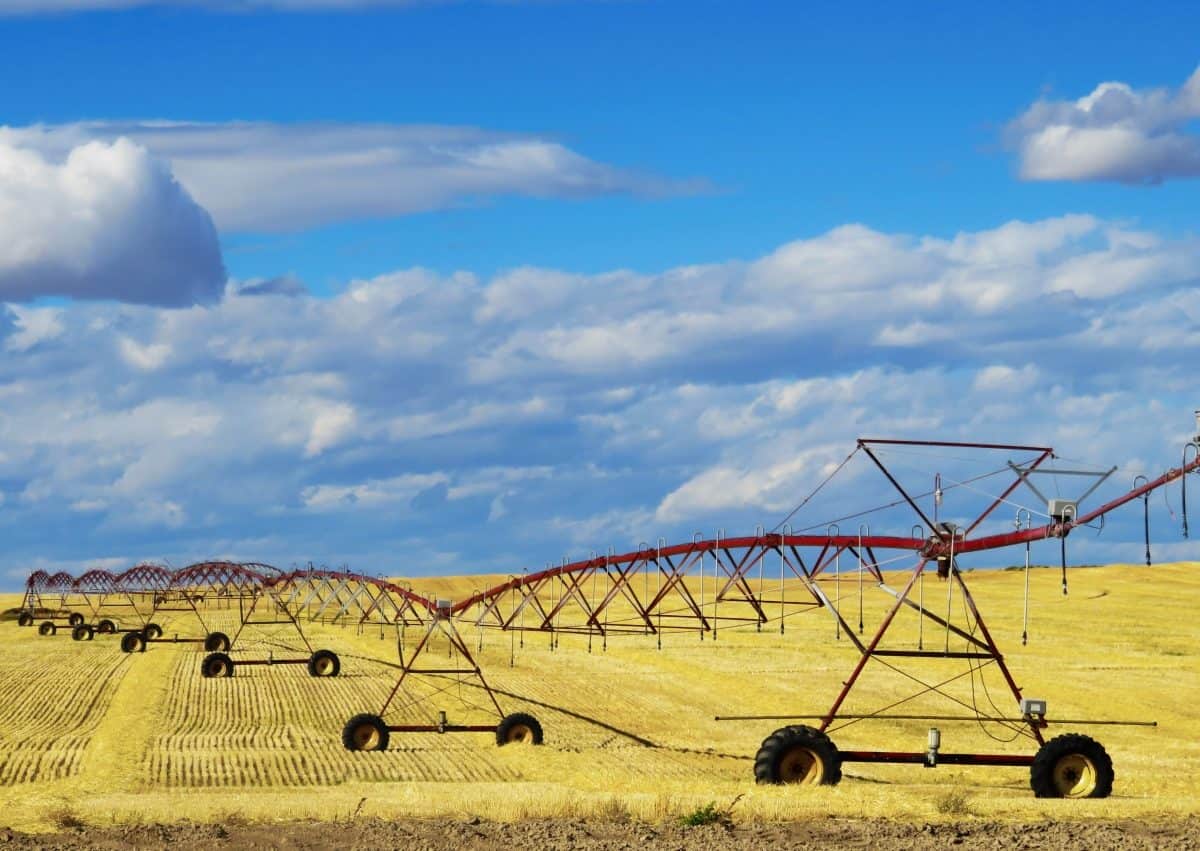
Morrison government plan to scrap water buybacks Photo by Peter Gonzalez on Unsplash

Quentin Grafton, Crawford School of Public Policy, Australian National University

The Morrison government today declared it will axe buybacks of water entitlements from irrigators, placating farmers who say the system has damaged their livelihood and communities.
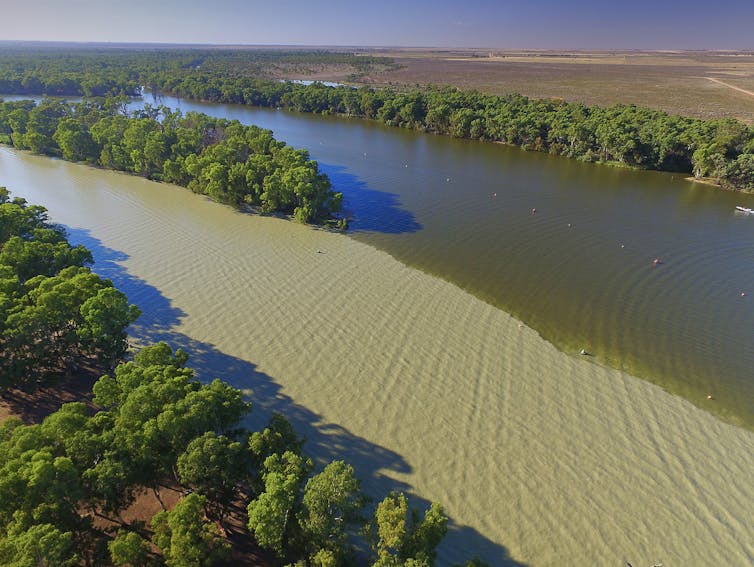
Shutterstock

Instead, Water Minister Keith Pitt says the government will scale up efforts to save water by upgrading infrastructure for farming irrigators in the Murray Darling Basin.

The move will anger environmentalists, who say water buybacks are vital to restoring flows to Australia’s most important river system. It also contradicts findings from the government’s own experts this week who said farm upgrades increase water prices more than buyback water recovery.

The government has chosen a route not backed by evidence, and which will deliver a bad deal to taxpayers and the environment.
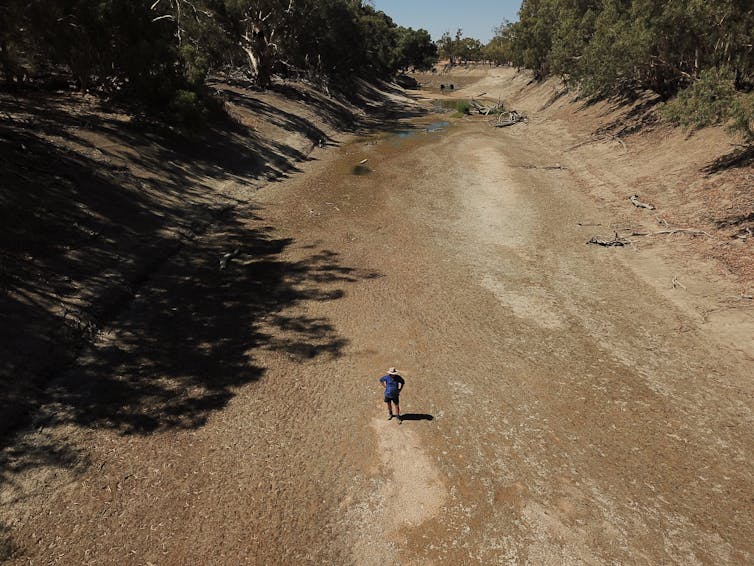
A farmer stands in the dry river bed of the Darling River
The government will no longer buy water from farmers for the environment. Dean Lewins/AAP

A brief history of water buybacks

Farmers along the Murray Darling are entitled to a certain amount of river water which they can use or sell. In 2008, the federal Labor government began buying some of these entitlements in an open-tender process known as “buybacks”. The purchased water was returned to the parched river system to boost the environment.

In 2012, the Murray Darling Basin Plan was struck. It stipulated that 2,750 billion litres of water would be bought back from irrigators and delivered to the environment every year. The buyback system was not universally supported – critics claim buybacks increase water prices, and hurt farmers by reducing the water available for irrigation.


AlsoRead...

Ryan: Building real freedom through e-commerce

Ryan: Building real freedom through e-commerce

27 November 2025
Design Australia Group: Redefining Drafting as the engine of housing growth

Design Australia Group: Redefining Drafting as the engine of housing growth

26 November 2025

The Coalition government came to office in 2013 and adopted a “strategic” approach to water buybacks. These purchases were made behind closed doors with chosen irrigators.

In a review of these buybacks released last month, the Australian National Audit Office found many of these taxpayer-funded deals were not good value for money.

The federal government ordered the review after controversy involving the 2017 purchase of water from two Queensland properties owned by Eastern Australia Agriculture. The government paid A$80 million for the entitlements – an amount critics said was well over market value. The deal was also contentious because government frontbencher Angus Taylor was, before the purchase, a non-financial director of the company. The company also had links to the Cayman Islands tax haven.
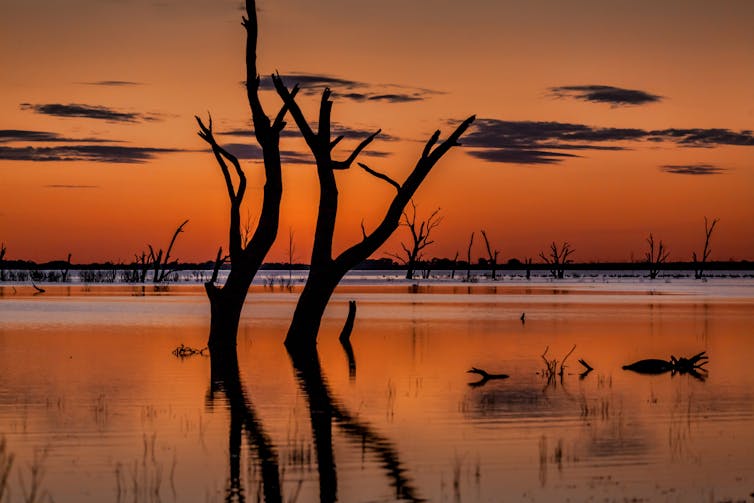
Dusk at Menindee Lakes in the Murray Darling Basin
The government took a strategic approach to water buybacks in the Murray Darling Basin. Shutterstock

Infrastructure subsidies: a flawed approach

The Coalition government is taking a different approach to recover water for the environment: subsidising water infrastructure on farms and elsewhere. This infrastructure includes lining ponds and possibly levees to trap and store water.

The subsidies have cost many billions of dollars yet recover water at a very much higher cost than reverse tenders. This approach also reduces the water that returns to streams and groundwater.

The justification for water infrastructure subsidies is that they are supposedly less damaging to irrigation communities. But the Australian Bureau of Agricultural and Resource Economics and Sciences (ABARES) concluded in a report published on Monday that on-farm water infrastructure subsidies, while beneficial for their participants, “push water prices higher, placing pressure on the wider irrigation sector”. This is the very sector the subsidies purport to help.

So why would the government expand the use of water infrastructure when it costs more and isn’t good value for money? The answer may lie in this finding from the ABARES report:

Irrigators who hold large volumes of entitlement relative to their water use (and are frequently net sellers of water allocations) may benefit from higher water prices, as this increases the value of their entitlements.

Farmers with limited entitlement holdings however may be adversely affected, as higher water prices increase their costs and lowers their profitability.

In other words, the “big end of town” benefits – at taxpayers’ expense – while the small-scale irrigators lose out.

Missing water

Adding insult to injury, the Wentworth Group of Concerned Scientists released a detailed report this week showing the basin plan is failing to deliver the water expected, even after accounting for dry weather. Some two trillion litres of water is not in the rivers and streams of the basin and appears to have been consumed – a volume that could be more than four times the water in Sydney Harbour.

The Wentworth Group says stream flows may be less than expected because environmental water recovery has been undermined by “water-saving” infrastructure reduces the amount of water that would otherwise return to rivers and groundwater.

Yet this infrastructure, on which taxpayers have spent over A$4 billion, has not had the desired effect. Research has found those who receive infrastructure subsidies increased water extractions by more than those who did not receive subsidies. That’s because farmers who were using water more efficiently often planted thirstier crops.
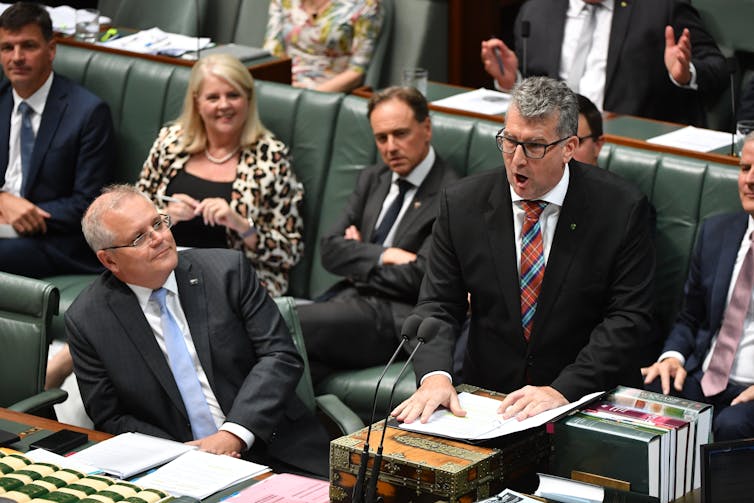
Keith Pitt speaks in Parliament as Prime Minister Scott Morrison watches on
Water Minister Keith Pitt, pictured during Question Time, is the minister responsible for the new approach. Mick Tsikas/AAP

We deserve better

It’s clear taxpayer dollars are much better spent buying back water entitlements, through open tenders, rather than subsidising water infrastructure. We can, and must, do much better with water policy.

Today, the federal government has doubled down on wasteful spending at taxpayer expense – in a time of a COVID-induced recession.

So what is on offer from the Morrison government? Continuing to ignore its own experts’ advice and delivering yet more ineffective subsidies for water infrastructure. Our rivers, our communities, and all Australians deserve much better.

Quentin Grafton, Director of the Centre for Water Economics, Environment and Policy, Crawford School of Public Policy, Australian National University

This article is republished from The Conversation under a Creative Commons license. Read the original article.


Tags: SB001
DMCA.com Protection Status

SUBSCRIBE to our NEWSLETTER

[mc4wp_form id=”2384248″]

Don't Miss

The evolution of Aesthetic Surgery through the lens of Dr Kourosh Tavakoli

by Pauline Torongo
4 December 2025
The evolution of Aesthetic Surgery through the lens of Dr. Kourosh Tavakoli
Health & Wellness

As global interest in Australian cosmetic surgery continues to grow, the combination of regulation, research and emerging digital tools is...

Read moreDetails

Ryan: Building real freedom through e-commerce

by Pauline Torongo
27 November 2025
Ryan: Building real freedom through e-commerce
Business & Finance

Ryan’s greatest achievement isn’t any single business or revenue milestone — it’s the ecosystem he’s built through the Change community.

Read moreDetails

Design Australia Group: Redefining Drafting as the engine of housing growth

by Pauline Torongo
26 November 2025
Design Australia Group: Redefining Drafting as the engine of housing growth
Business & Finance

Australia is under pressure to build homes faster, but design bottlenecks slow progress. Design Australia Group is fixing this by...

Read moreDetails

Louis Guy Detata builds Global Trading Empires through autonomous systems and disciplined leadership

by Pauline Torongo
25 November 2025
Louis Guy Detata builds Global Trading Empires through autonomous systems and disciplined leadership
Business & Finance

The path from investment banking to leading a global trading platform has taught Louis Detata that sustainable success requires more...

Read moreDetails

Burning Eucalyptus Wood: Tips, Advantages, Disadvantages & Alternatives

by Fazila Olla-Logday
20 November 2025
Image Supplied
Enviroment

Learn about burning eucalyptus wood for stoves and fireplaces. Discover benefits, drawbacks, harvesting tips, and better alternative firewood options for...

Read moreDetails

Everything Parents Need to Know About Baby Soft Play and Why It’s a Game Changer

by Fazila Olla-Logday
11 November 2025
Everything Parents Need to Know About Baby Soft Play
Health & Wellness

Baby soft play is a fun, safe, and educational way for little ones to explore and grow. Discover the benefits...

Read moreDetails

WOMAD Sets Up a New Camp in Wiltshire – Australian festival fans take note!

by Kris Griffiths
11 November 2025
Kumbia Boruka brought their reggae and dancehall flavour to the Taste the World Stage at WOMAD 2024 - Credit - Mike Massaro
Entertainment

With its 2026 edition moving to Neston Park in England, WOMAD offers Aussie music lovers a chance to reconnect with global...

Read moreDetails
Load More

Copyright © Blue Sky Publications Ltd. All Rights Reserved.
australiantimes.co.uk is a division of Blue Sky Publications Ltd. Reproduction without permission prohibited. DMCA.com Protection Status

  • About us
  • Write for Us
  • Advertise
  • Contact us
  • T&Cs, Privacy and GDPR
No Result
View All Result
  • News
    • Weather
    • Sport
    • Technology
    • Business & Finance
      • Currency Zone
    • Lotto Results
      • The Lott
  • Lifestyle
    • Entertainment
    • Horoscopes
    • Health & Wellness
    • Recipes
  • Travel
  • Expat Life
  • Move to Australia

Copyright © Blue Sky Publications Ltd. All Rights Reserved.
australiantimes.co.uk is a division of Blue Sky Publications Ltd. Reproduction without permission prohibited. DMCA.com Protection Status

No Result
View All Result
  • News
    • Weather
    • Sport
    • Technology
    • Business & Finance
      • Currency Zone
    • Lotto Results
      • The Lott
  • Lifestyle
    • Entertainment
    • Horoscopes
    • Health & Wellness
    • Recipes
  • Travel
  • Expat Life
  • Move to Australia

Copyright © Blue Sky Publications Ltd. All Rights Reserved.
australiantimes.co.uk is a division of Blue Sky Publications Ltd. Reproduction without permission prohibited. DMCA.com Protection Status





