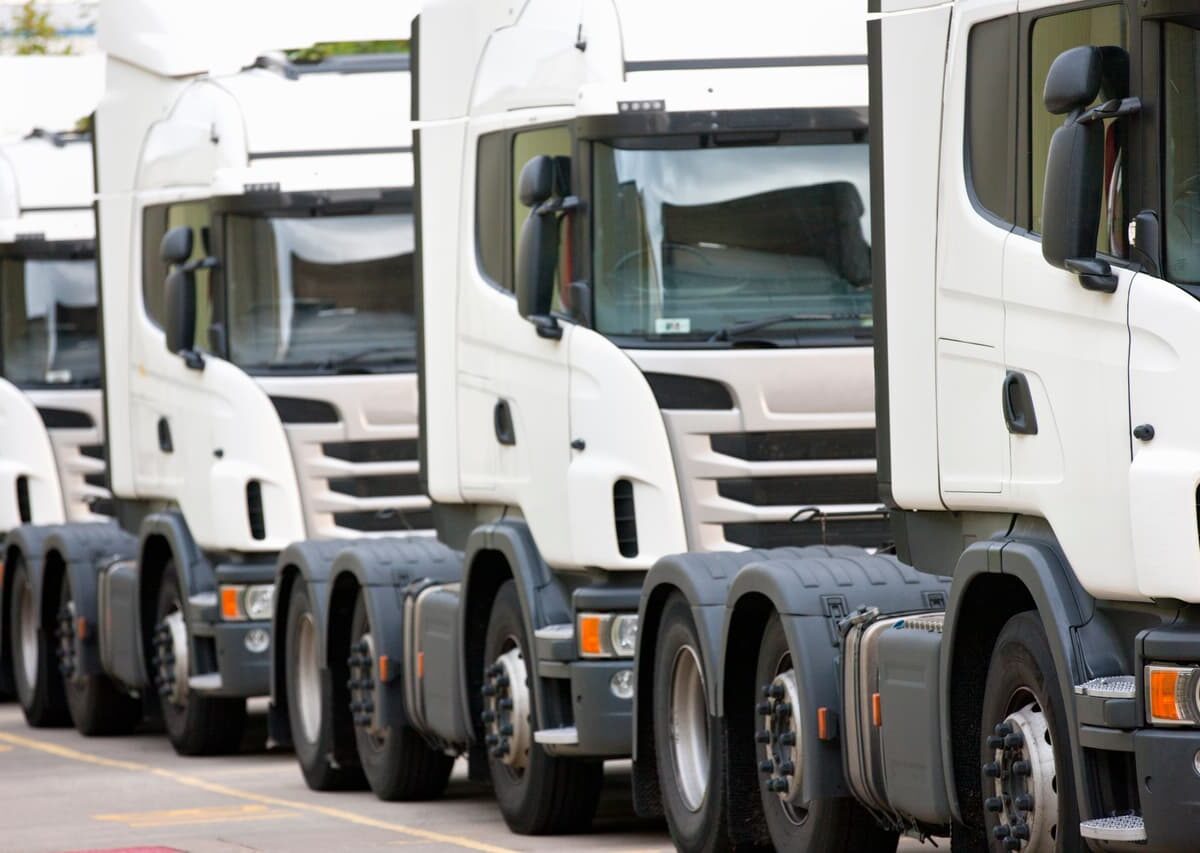
The cost of fuel is rising, customer expectations are changing dramatically, and regulations relating to sustainability are more stringent. These factors, as well as others, are putting the pinch on business owners and fleet managers. This is why many are now looking to go far beyond vehicle management and deploy a radius solution (https://www.radius.com/en-au/) to streamline operations.
Whether a business is operating a few vans or has the need for a fleet of trucks that spans the state, there are clear benefits that can help businesses become more profitable, efficient, and make a more meaningful customer impact.
The Big Picture, Connected As One
Fleet managers are looking to bring vehicles to life by getting them working for business. Vehicles are not just a way to get goods to places or people to their destination. Vehicles are a business asset, and if they are costing too much, booked in for repairs too often, or not on the road enough, a business can quickly be underwater where finances are concerned.
There are now plenty of digital tools available that can assist a business in tracking expenses, monitoring how vehicles are being utilised, and even planning routes more effectively. The solution to all of the above is to adopt a central system that links everything together. Doing so allows a business to see how they go about their daily work. If it turns out that what they’re doing is not sustainable, there is still time to make a change.
Telematics 101 And How It Can Play A More Effective Role In Managing A Fleet
One of the more advanced tools available to businesses that are looking to get more from their fleet is telematics. This tool has proven to be a game-changer for firms relying on an active fleet of vehicles, as it has the ability to report live location information along with engine health, driver behaviour, how much fuel is being used/where, and also provide an insight as to how the vehicle can be better deployed on the road.
When compared to guesswork, the data available to businesses is fairly impressive. After analysing the numbers, it’s possible to create something more to work with. For example, if a few trucks are idling too much or being stopped way too often, an issue might be at play. Too much accelerating, fast braking, or incidents on the road are indicative of some sort of issue with the driver or the vehicle itself and should be viewed as such. In any case, the ability to know more, before things get expensive, can save a business more in the long run.
How to Plan for the Future of Business Transport
Ultimately, adopting connected fleet management services ensures that companies have the agility to deal with changing circumstances in a market made all the more volatile by rapid technological advances. The quick ability to make decisions based on up-to-the-minute data is key to efficient operations and to instilling confidence around sustained future investments.


Underpinning this approach of a forward-looking strategy, businesses will also do well to follow the advice from established industry bodies that have published best practices to help companies shore up fleet operations and ensure they are future-ready. The resources from the Energy Commission in Australia are one example.