

• Advertise
  • About us
  • Terms and Conditions
  • Contact us
Saturday, December 6, 2025
Australian Times News
  • News
    • Weather
    • Sport
    • Technology
    • Business & Finance
      • Currency Zone
    • Lotto Results
      • The Lott
  • Lifestyle
    • Entertainment
    • Horoscopes
    • Health & Wellness
    • Recipes
  • Travel
  • Expat Life
  • Move to Australia
No Result
View All Result
  • News
    • Weather
    • Sport
    • Technology
    • Business & Finance
      • Currency Zone
    • Lotto Results
      • The Lott
  • Lifestyle
    • Entertainment
    • Horoscopes
    • Health & Wellness
    • Recipes
  • Travel
  • Expat Life
  • Move to Australia
No Result
View All Result
Australian Times News
No Result
View All Result
Home News

The Somalayas are the biggest mountain range you will never see

Every geography schoolbook has them: maps that look like today’s Earth, but not quite, since all continents are merged into a single supercontinent.

The Conversation by The Conversation
27-12-2021 01:47
in News
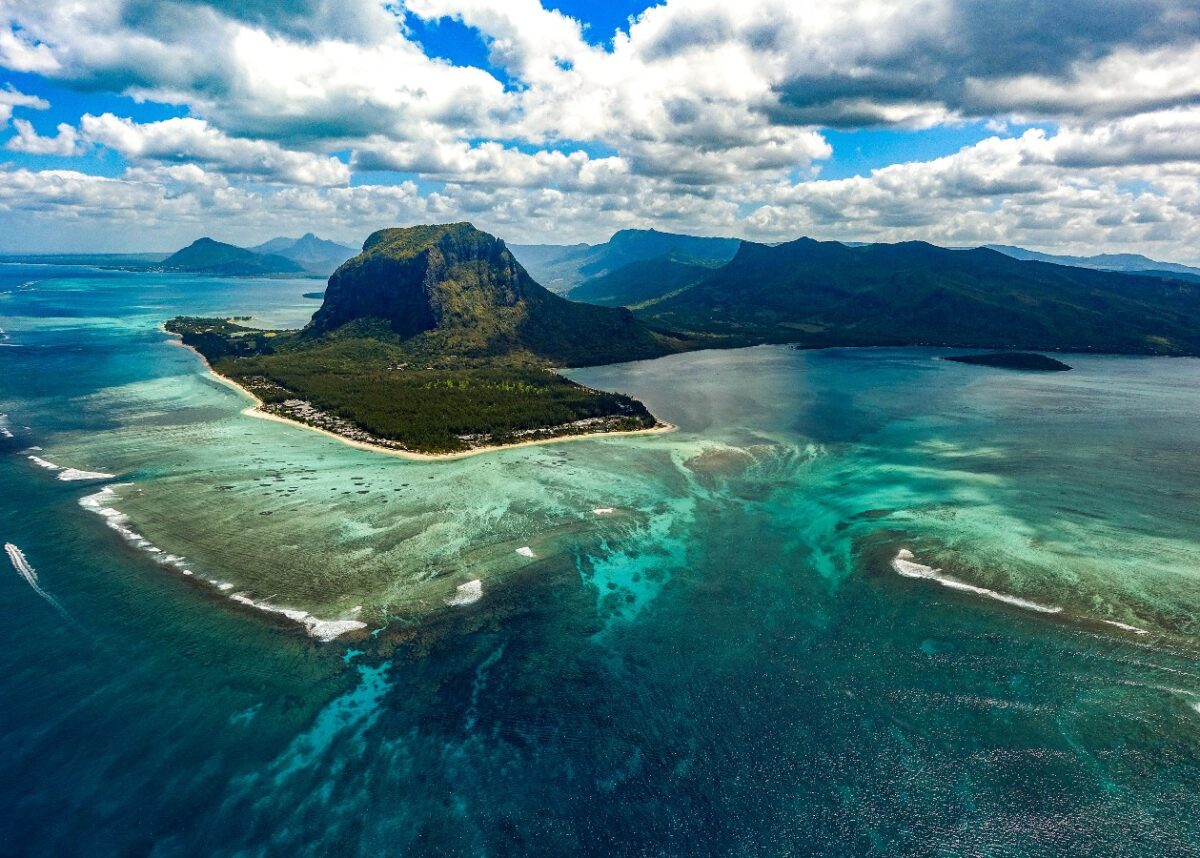
Photo by Xavier  Coiffic on Unsplash

Photo by Xavier Coiffic on Unsplash

Douwe van Hinsbergen, Utrecht University

Every geography schoolbook has them: maps that look like today’s Earth, but not quite, since all continents are merged into a single supercontinent. Those maps were used to explain why dinosaurs in South America and Africa, or North America and Europe looked so alike.

“Paleogeographic” reconstructions like these provide context to study the processes that shape our planet: the Earth’s engines of plate tectonics, volcanism, and mountain building, and their interactions with the oceans, atmosphere, and sun that shape climate and life. In the past ten years software has been developed that means anyone who is interested can make these reconstructions.
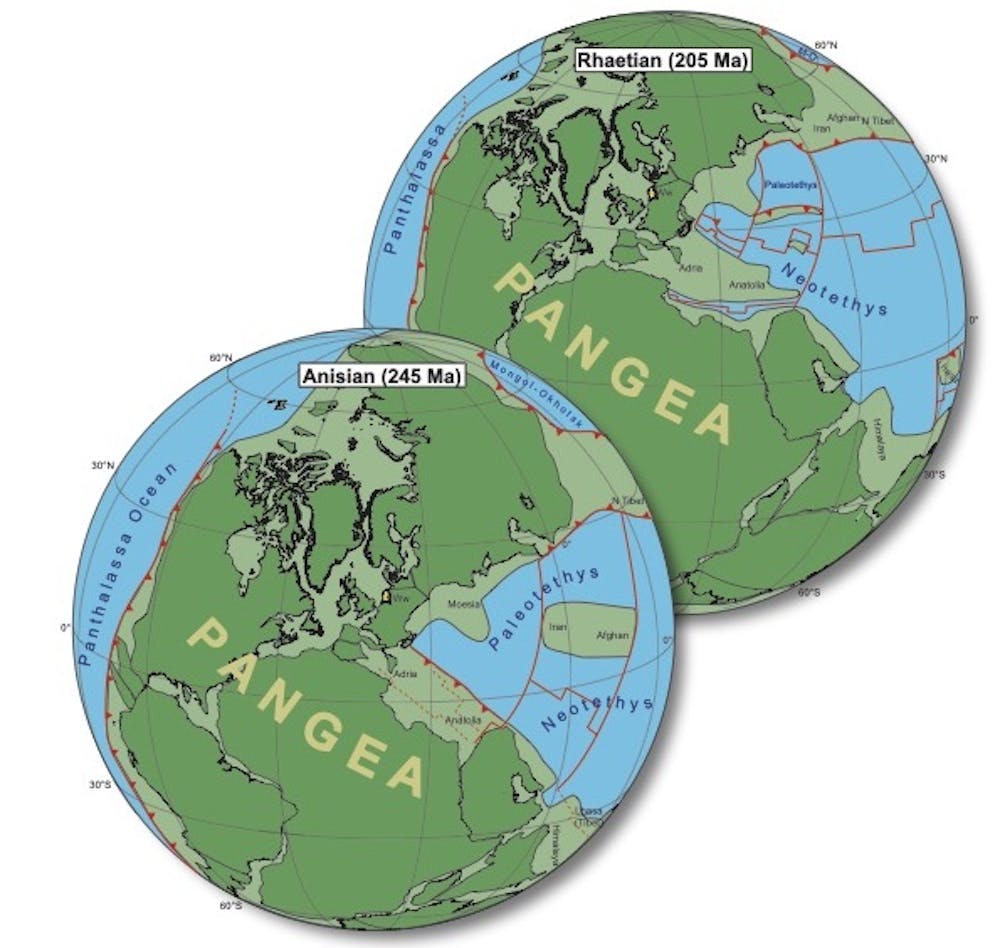
Maps of Pangea
200 million years ago, almost all the world’s land was in one supercontinent named Pangea. van Hinsbergen et al (2019), Author provided

But if paleogeographic maps were already in our primary school textbooks, then what are geologists like me trying to uncover? Just the details?

To some extent: yes, working out the details of plate motions in the distant past may make all the difference. For instance, major ocean currents can suddenly change course when narrow oceanic corridors open or close, such as between the Americas or when water suddenly flooded through the Straits of Gibraltar and filled up the Mediterranean. And subtle differences in the timing or location of such corridors may support or falsify what we think caused past changes in climate.

But the biggest problem for paleogeography is not the details: it’s that as much as 70% of the Earth’s crust that existed as “recently” as 150-200 million years ago, when dinosaurs were already roaming the planet, has been lost to subduction into the Earth’s inner mantle. On paleogeographic maps, we have filled in those now-subducted areas, usually in broad brush strokes using the simplest possible scenarios without much detail. But there are relics of this subducted crust left in the geological record, and in my field of research we try to use these records to learn about Earth’s “lost” surface.

Many mountains, most famously the Himalayas, are made of folded and stacked slices of rock that were scraped off the subducted plate. And the types of rock and the fossils and minerals they contain can tell us when and where these rocks formed. Geologists can then piece together how those continents and deep basins and volcanoes linked together in the distant past.


AlsoRead...

Ryan: Building real freedom through e-commerce

Ryan: Building real freedom through e-commerce

27 November 2025
Design Australia Group: Redefining Drafting as the engine of housing growth

Design Australia Group: Redefining Drafting as the engine of housing growth

26 November 2025

Mountains 200 million years from now

In recent years, when I explained how we make reconstructions of paleogeography from modern mountain ranges, I was sometimes asked if we could also predict future mountains. I always said “sure, but why would I? I’d have to wait a hundred million years to see if I’m right”. https://www.youtube.com/embed/HSilbObdCZ4?wmode=transparent&start=0 Mountains of the future, based on work by geologists at Utrecht University.

But then I realised that this could be an interesting thought experiment. Predicting the architecture of future mountain ranges would require formulating a set of “rules of mountain building”, which had not been done before. And we would have to predict how the geography we know well would transform into mountain belts, which would make us realise what the plates that were lost forever could have looked like, particularly the parts that subducted without leaving a record. And would we produce mountain belts that look much like the ones we have?

So we did. I formulated the rules by comparing which features are commonly found in mountain belts. My then-MSc student Thomas Schouten used the rules to predict the geological architecture of a mountain belt that will form in the next 200 million years, if Somalia, as expected, breaks off from Africa and collides with India.
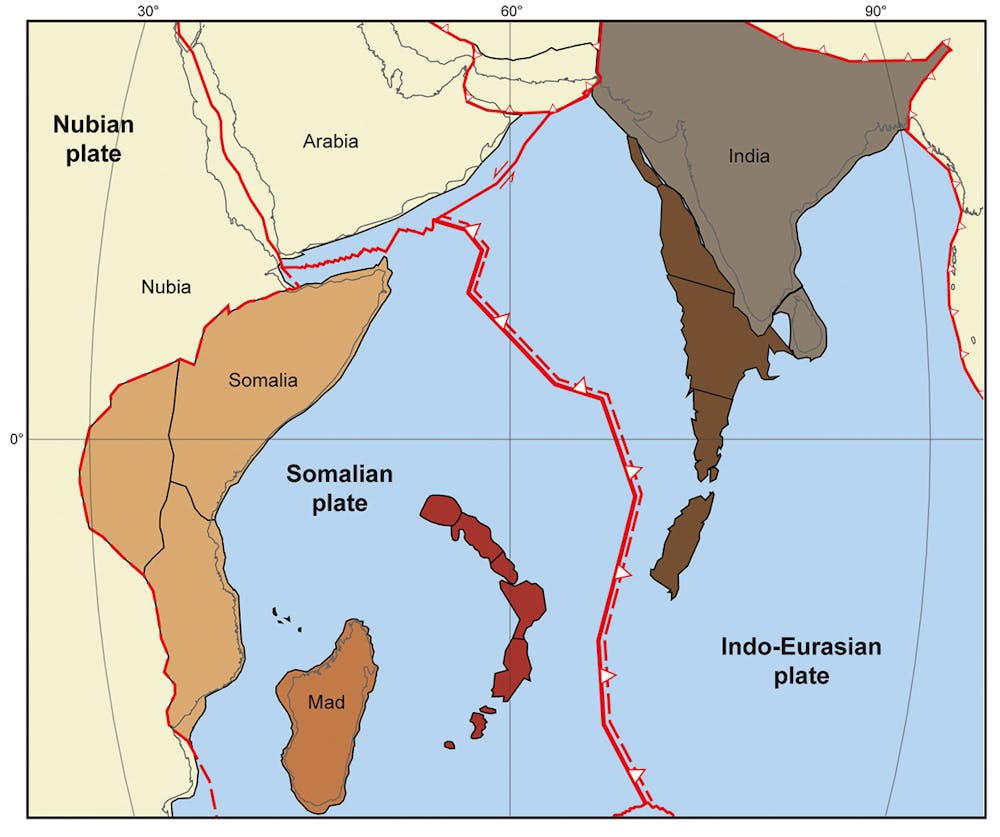
Map of Indian Ocean plates
Indian Ocean tectonic plates today. Douwe van Hinsbergen, Author provided

The resulting mountain range, which we called the “Somalaya mountains”, might be the Himalayas of their day. And seeing such similarities between the Somalaya and known mountains today can us with provide possible solutions we never thought of for paleogeographic evolution.
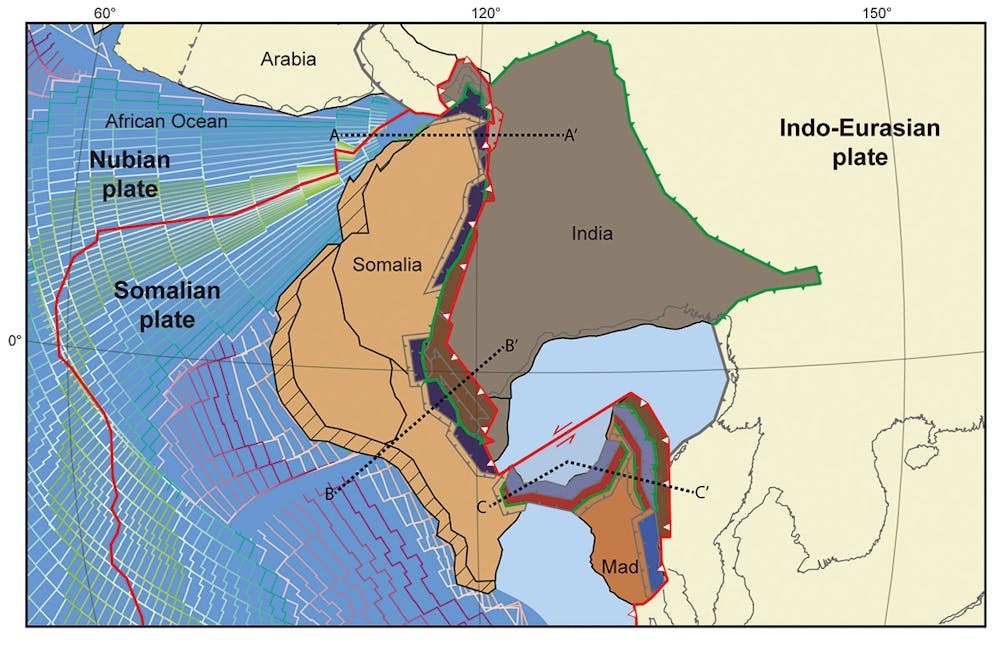
Map of India and Somalia plate tectonics in future
200 million years from now Somalia and India will have collided, forming a large mountain range. Douwe van Hinsbergen, Author provided

For instance, according to our research, a mountain belt may form in the bay between Madagascar and Africa, and it would be strongly curved much like the Carpathians of Eastern Europe or the Banda islands of Indonesia and Timor. And northwest India will first get deeply buried 50 km or so below Somalia, but then Somalia will rotate and northwest India will re-emerge – this is a geological history that looks much like western Norway around 400 million years ago.

Thought experiments like our look at the Somalayas help us to realise what we overlook when reconstructing the history of the Earth’s plates and surface. The better those reconstructions, the better we will predict Earth’s history and behaviour, its resources, and the effects of using them.

Douwe van Hinsbergen, Chair in Global Tectonics and Paleogeography, Utrecht University

This article is republished from The Conversation under a Creative Commons license. Read the original article.


Tags: SB001
DMCA.com Protection Status

SUBSCRIBE to our NEWSLETTER

[mc4wp_form id=”2384248″]

Don't Miss

The evolution of Aesthetic Surgery through the lens of Dr Kourosh Tavakoli

by Pauline Torongo
4 December 2025
The evolution of Aesthetic Surgery through the lens of Dr. Kourosh Tavakoli
Health & Wellness

As global interest in Australian cosmetic surgery continues to grow, the combination of regulation, research and emerging digital tools is...

Read moreDetails

Ryan: Building real freedom through e-commerce

by Pauline Torongo
27 November 2025
Ryan: Building real freedom through e-commerce
Business & Finance

Ryan’s greatest achievement isn’t any single business or revenue milestone — it’s the ecosystem he’s built through the Change community.

Read moreDetails

Design Australia Group: Redefining Drafting as the engine of housing growth

by Pauline Torongo
26 November 2025
Design Australia Group: Redefining Drafting as the engine of housing growth
Business & Finance

Australia is under pressure to build homes faster, but design bottlenecks slow progress. Design Australia Group is fixing this by...

Read moreDetails

Louis Guy Detata builds Global Trading Empires through autonomous systems and disciplined leadership

by Pauline Torongo
25 November 2025
Louis Guy Detata builds Global Trading Empires through autonomous systems and disciplined leadership
Business & Finance

The path from investment banking to leading a global trading platform has taught Louis Detata that sustainable success requires more...

Read moreDetails

Burning Eucalyptus Wood: Tips, Advantages, Disadvantages & Alternatives

by Fazila Olla-Logday
20 November 2025
Image Supplied
Enviroment

Learn about burning eucalyptus wood for stoves and fireplaces. Discover benefits, drawbacks, harvesting tips, and better alternative firewood options for...

Read moreDetails

Everything Parents Need to Know About Baby Soft Play and Why It’s a Game Changer

by Fazila Olla-Logday
11 November 2025
Everything Parents Need to Know About Baby Soft Play
Health & Wellness

Baby soft play is a fun, safe, and educational way for little ones to explore and grow. Discover the benefits...

Read moreDetails

WOMAD Sets Up a New Camp in Wiltshire – Australian festival fans take note!

by Kris Griffiths
11 November 2025
Kumbia Boruka brought their reggae and dancehall flavour to the Taste the World Stage at WOMAD 2024 - Credit - Mike Massaro
Entertainment

With its 2026 edition moving to Neston Park in England, WOMAD offers Aussie music lovers a chance to reconnect with global...

Read moreDetails
Load More

Copyright © Blue Sky Publications Ltd. All Rights Reserved.
australiantimes.co.uk is a division of Blue Sky Publications Ltd. Reproduction without permission prohibited. DMCA.com Protection Status

  • About us
  • Write for Us
  • Advertise
  • Contact us
  • T&Cs, Privacy and GDPR
No Result
View All Result
  • News
    • Weather
    • Sport
    • Technology
    • Business & Finance
      • Currency Zone
    • Lotto Results
      • The Lott
  • Lifestyle
    • Entertainment
    • Horoscopes
    • Health & Wellness
    • Recipes
  • Travel
  • Expat Life
  • Move to Australia

Copyright © Blue Sky Publications Ltd. All Rights Reserved.
australiantimes.co.uk is a division of Blue Sky Publications Ltd. Reproduction without permission prohibited. DMCA.com Protection Status

No Result
View All Result
  • News
    • Weather
    • Sport
    • Technology
    • Business & Finance
      • Currency Zone
    • Lotto Results
      • The Lott
  • Lifestyle
    • Entertainment
    • Horoscopes
    • Health & Wellness
    • Recipes
  • Travel
  • Expat Life
  • Move to Australia

Copyright © Blue Sky Publications Ltd. All Rights Reserved.
australiantimes.co.uk is a division of Blue Sky Publications Ltd. Reproduction without permission prohibited. DMCA.com Protection Status





