


Tim Nelson, Griffith University and Joel Gilmore, Griffith University
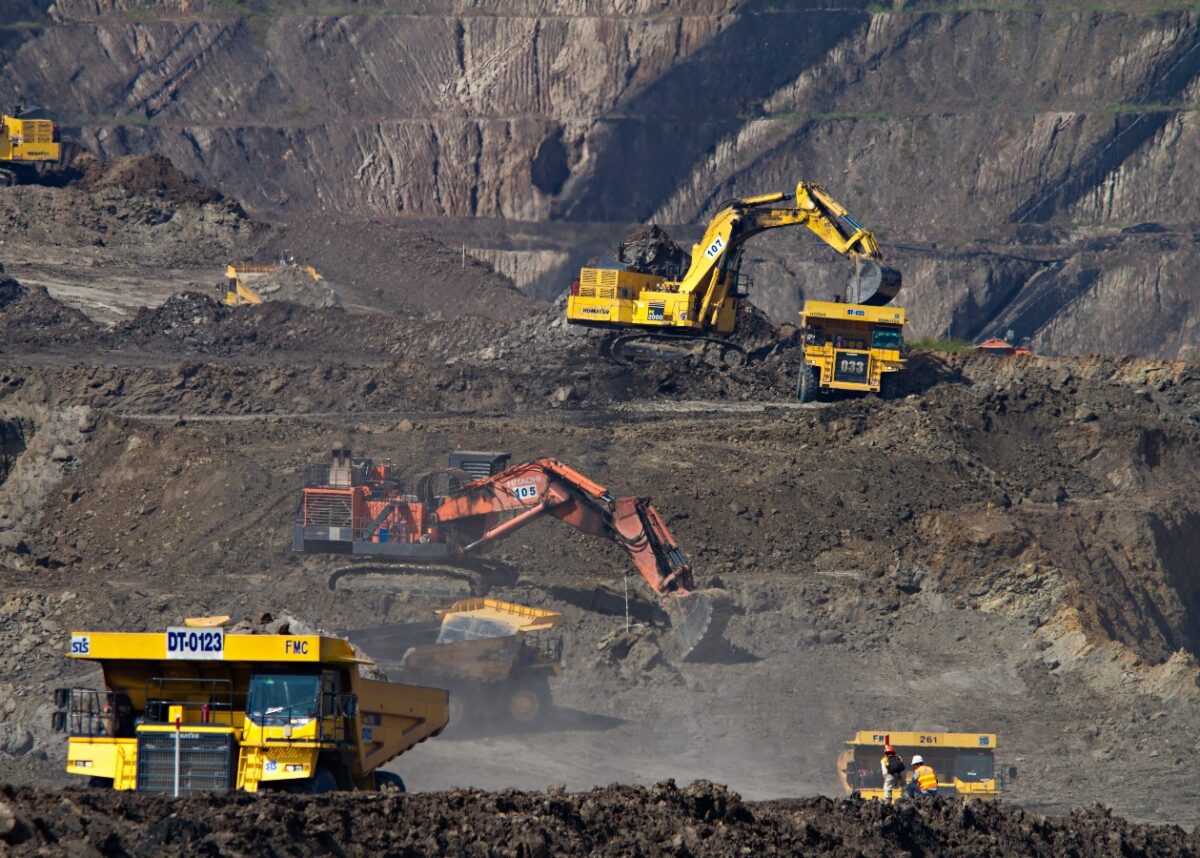
Coal is likely to be completely gone from Victoria’s electricity system by 2032 with most other parts of Australia not far behind, a report from the Australian Energy Market Operator (AEMO) declared last week.
The report, called the 2022 Integrated System Plan, confirmed what many of us in energy policy have long known: the end of coal is coming, and the pace may take some industries and governments by surprise.
The Integrated System Plan (ISP) is effectively the planning “blueprint” the market operator publishes to help industry and policy makers assess how Australia’s electricity system might evolve. It’s an incredibly important document for guiding where and when investment is needed to unlock new renewable resources to meet demand.
Given ISP’s prediction for the rapid closure of coal-fired power stations, it’s critical governments don’t stick their heads in the sand. Continuing to deny the impending end of coal-fired generation is simply not in the interest of coal workers and their communities, who urgently need support.
What is AEMO predicting?
The most important aspect of the ISP is that what used to be called the “step change” has now become the “central scenario”. For the first time, this central scenario is consistent with Australia’s commitment under the Paris Agreement and limiting global temperature rise to under 2℃.
The ISP is forecasting that huge volumes of coal will be retired in the next ten years, including all brown coal and two-thirds of black coal, and significant investments in new renewables and “firming technologies” (such as batteries, gas, and pumped hydro) will take their place.


Around 14 gigawatts (GW) of coal is now assumed to be exiting the National Electricity Market this decade – more than three times the amount of coal retirements the industry has announced.
Effectively, AEMO is saying (yet again) that the incumbent industry is likely to be caught by surprise by the speed of the transition.
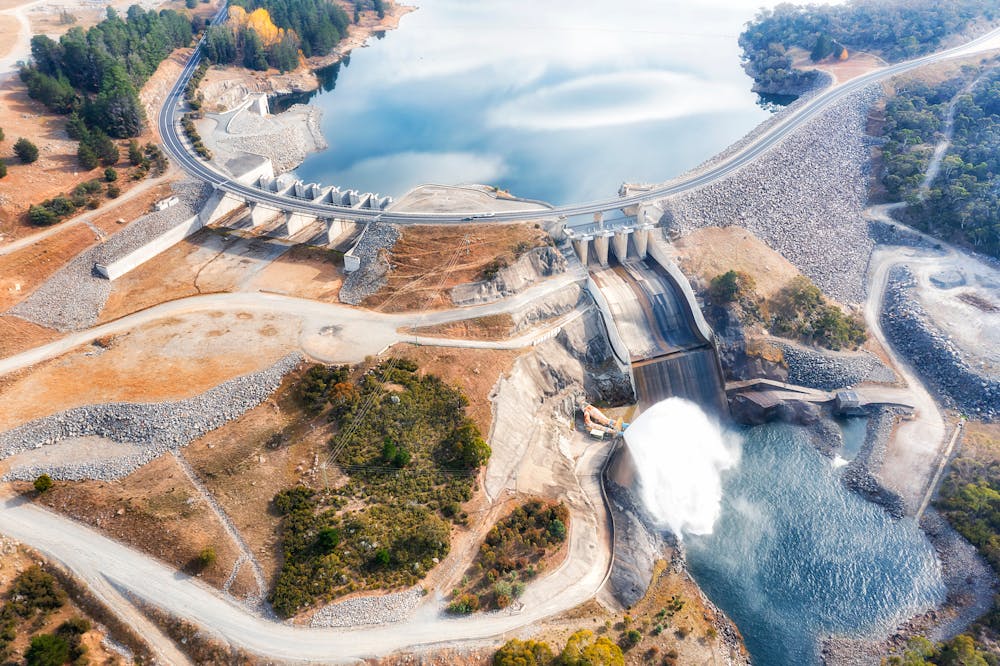
It’s not just an explosion of renewables investment that AEMO predicts. Around 9GW of gas-fired generation and an extra 620GW hours of storage (provided by batteries or pumped hydro) will be required to provide backup generation capacity when solar and wind are unavailable.
Electricity demand is expected to surge out to 2050 and will double to at least 350 terrawatt hours. This includes from electric vehicles uptake, converting natural gas heating and hot water to electric in homes, and electrifying many industrial processes such as low-emissions steel and aluminium.
All these developments will require a major overhaul of the grid. The ISP states around A$12.5 billion in transmission spending needs to occur to unlock $29 billion in investment benefits.
Why is coal being left behind?
There are two main drivers for this significant substitution of coal for new technologies.
First, the cost of these technologies continues to fall rapidly and consumers are voting with their feet. Some of Australia’s largest and most iconic businesses are increasingly buying 100% of their energy from renewable resources, including Woolworths, BHP and Coles.
Second, state governments have filled the void left by the lack of a nationally consistent energy and climate policy, and are now implementing ambitious policies to drive the uptake of renewable energy and firming.
The most ambitious of these policies is the NSW government’s 12GW energy roadmap, which effectively prepares for the retirement of ageing coal-fired power stations by facilitating investment in new capacity.

So what should governments be doing?
It is critical governments focus on a “just transition” to these new technologies, and provide support to communities and workers most impacted, such as those in the Hunter and Latrobe Valleys.
Structural adjustment policies such as job placements, relocation assistance, or financial support to transition local economies are vital to secure opportunities for these regions. Retraining ahead of closures will help workers transition to new or related industries.
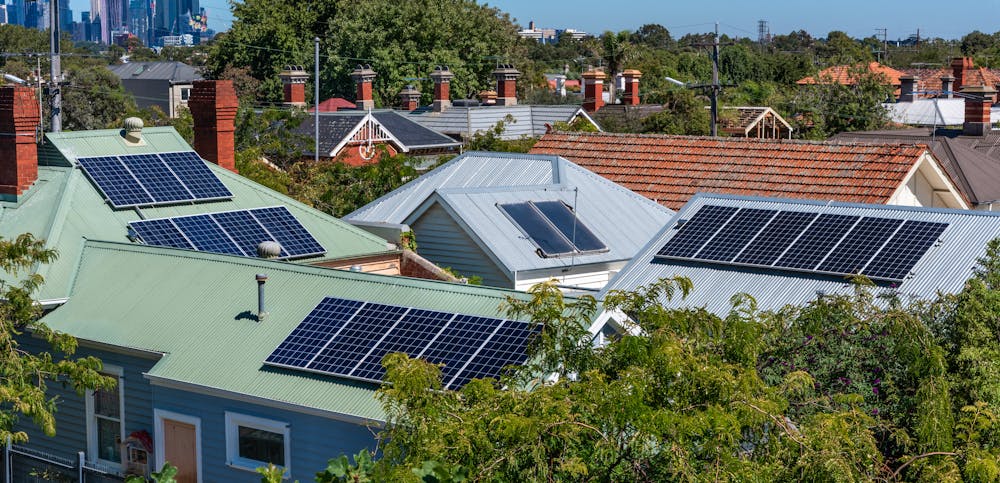
Everyone who uses energy must be afforded access to the clean energy transition. At present, the biggest barrier to participating in the solar and battery revolution is owning your own home.
Governments have been absent from this important policy debate. Australian low-income and rental households should be prioritised in any future policies that support adoption of solar and battery storage.
Governments must also ensure the private sector (rather than consumers) wear the risk of poor investments. Governments are increasingly taking on very significant risk (on behalf of consumers) through underwriting renewable energy and firming investments of large multi-national energy businesses.
Some economists (including us) have been providing alternative models for governments to achieve the same objectives, but with greater focus on reducing risks to consumers.
Given the surge in households and businesses voluntarily buying renewable energy, it’s important consumers know what they’re getting. The Clean Energy Regulator is doing some interesting work in this space by developing an emissions and renewable energy transparency register as part of the national greenhouse and energy reporting framework.
If governments really wanted to help, they could introduce a carbon price. Such a policy is considered political poison, but a carbon price would result in us reaching this future in a much less costly and more orderly way.
The end of the coal age
The ISP is forecasting a better and cleaner future. Australia has great opportunities from moving beyond the coal age and into the age of efficient renewable energy, as we’re blessed with some of the best renewable resources on the planet
With global leaders increasingly focused on rapidly reducing emissions, we have a lot to gain through new industries, such as green hydrogen and mineral processing. Both major political parties at the national level have targets that don’t really push beyond what AEMO now thinks is the status quo.
The stone age didn’t end because of a lack of stones. And the coal age is ending despite an abundance of it – whether governments believe it or not.
Tim Nelson, Associate Professor of Economics, Griffith University and Joel Gilmore, Associate Professor, Griffith University
This article is republished from The Conversation under a Creative Commons license. Read the original article.







