

• Advertise
  • About us
  • Terms and Conditions
  • Contact us
Saturday, December 6, 2025
Australian Times News
  • News
    • Weather
    • Sport
    • Technology
    • Business & Finance
      • Currency Zone
    • Lotto Results
      • The Lott
  • Lifestyle
    • Entertainment
    • Horoscopes
    • Health & Wellness
    • Recipes
  • Travel
  • Expat Life
  • Move to Australia
No Result
View All Result
  • News
    • Weather
    • Sport
    • Technology
    • Business & Finance
      • Currency Zone
    • Lotto Results
      • The Lott
  • Lifestyle
    • Entertainment
    • Horoscopes
    • Health & Wellness
    • Recipes
  • Travel
  • Expat Life
  • Move to Australia
No Result
View All Result
Australian Times News
No Result
View All Result
Home News

Why Australia’s diplomatic boycott of the Beijing Winter Olympics is important, but unlikely to have any significant impact

Prime Minister Scott Morrison has announced a diplomatic boycott of the Beijing Winter Olympics in Beijing in February. This means that while athletes will still compete in the games, no officials will represent Australia at the event.

The Conversation by The Conversation
10-12-2021 01:43
in News
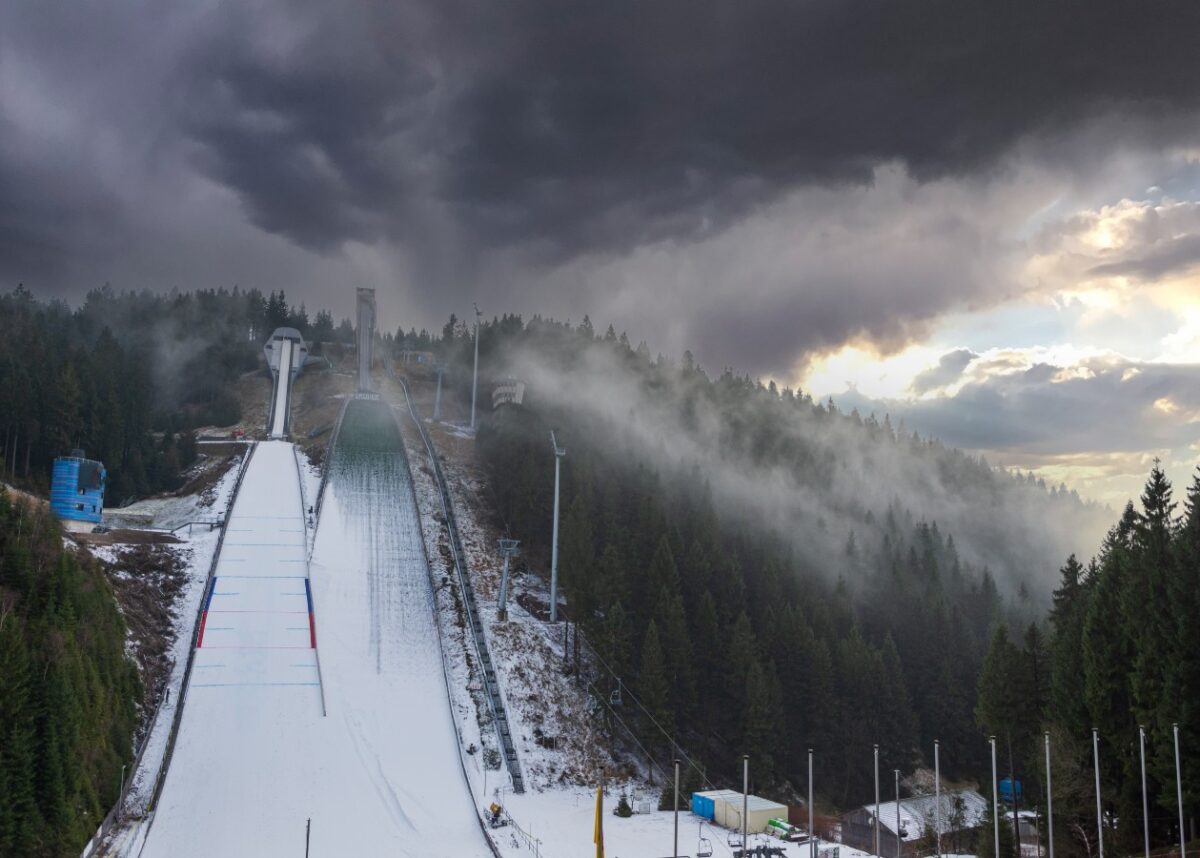
Photo by Mathias Elle on Unsplash

Photo by Mathias Elle on Unsplash

Richard Baka, Victoria University

Prime Minister Scott Morrison has announced a diplomatic boycott of the Beijing Winter Olympics in Beijing in February. This means that while athletes will still compete in the games, no officials will represent Australia at the event.

The move follows the United States’ announcement earlier this week of a diplomatic boycott. New Zealand has also said it will not send officials to the winter games, and other countries are expected to follow suit.

Morrison said the Australian boycott was due to China’s treatment of the mostly-Muslim Uighurs in the far western province of Xinjiang. In explaining the decision, he said

people have been very aware that we have been raising a number of issues that have not been received well in China, and there’s been a disagreement between us on those matters.

What is the purpose of a diplomatic boycott?

A “diplomatic boycott” is a new phenomenon – even the term itself appears to be a new invention. Traditionally, when it comes to the Olympic Games, countries either opted for a full boycott – which meant they did not attend in any capacity – or they participated.

So a diplomatic boycott appears to offer those countries engaging in it the best of both worlds: they still allow their athletes to compete (a full boycott would likely be very poorly received in their home countries), but they also register their dissatisfaction with China’s human rights record in the process.

It is something of a slap in the face to China, and the initial reaction from Beijing has been hostile, referring to the US’s stance as “posturing” and arguing the country hadn’t been invited in the first place.


AlsoRead...

Ryan: Building real freedom through e-commerce

Ryan: Building real freedom through e-commerce

27 November 2025
Design Australia Group: Redefining Drafting as the engine of housing growth

Design Australia Group: Redefining Drafting as the engine of housing growth

26 November 2025

The Olympics movement has long had difficulty managing China’s human rights record alongside the country’s hosting of games. China lost the bid for the 2000 games to Sydney in a close vote largely because of its human rights record, but it won the 2008 summer games on the promise it would improve.

In hindsight, the International Olympic Committee (IOC) should have pushed the issue harder. But they wanted to stay allied with China, and chose not to.

So is a diplomatic boycott even worthwhile?

Some officials, including the IOC’s Dick Pound, believe it will achieve little, and I tend to agree. But it’s a face-saving measure for everybody – a way of expressing discontent without actually withdrawing from the competition, and punishing the athletes in the process.

Usually, Olympics are not particularly significant diplomatic occasions in any event – they are more like a big party than a major international meeting. While officials are usually wined and dined by the host country, COVID restrictions mean that will not be happening in Beijing in 2022 to the usual extent, so officials are not missing much, and Morrison is probably saving Australian taxpayers some money.

Previous Australian diplomatic boycotts

Threats or talk of Olympics boycotts have long been louder than actual boycotts – once a live option at the height of the Cold War, they are no longer in fashion.

Australia’s most notable dalliance with an Olympic boycott was at the Moscow games in 1980. President Jimmy Carter announced the US would boycott the summer games in response to the Soviet Union’s 1979 invasion of Afghanistan.

Australian Prime Minister Malcolm Fraser wanted to follow suit, but the Australian Olympic Committee – which operates independently of government – decided Australia would still compete. In response, Fraser withdrew funding from the AOC.

A few Australian athletes decided not to go to the games, and those who did marched under the Olympic flag in the opening ceremony instead of the Australian flag.

But years later, Fraser conceded an attempted boycott was the wrong move, saying it was a “divisive” idea that had a terrible affect on the athletes.

The US-Soviet Union tit-for-tat boycotts endured for some years. The Russians didn’t go to the Los Angeles games in 1984. But since then, boycotts have fallen out of fashion, in acknowledgement, perhaps, that they achieve little and punish only the athletes.

Will the athletes be affected by the diplomatic boycott?

It is very unlikely there will be any repercussions for athletes in all of this. The Chinese will be happy the athletes are competing, and while the politicians will express their discontent with each other, it’s unlikely to have any real impact on competitors.

That is, of course, unless there are noticeable protests by the athletes themselves at the games. The IOC recently changed its policy to allow mild protest at the games – but not during events or awards ceremonies. If this happened, Chinese officials, the IOC or national Olympic committees would likely take action.

Richard Baka, Adjunct Fellow, Olympic Scholar and Co-Director of the Olympic Research Network, Institute for Health and Sport, Victoria University

This article is republished from The Conversation under a Creative Commons license. Read the original article.


Tags: SB001
DMCA.com Protection Status

SUBSCRIBE to our NEWSLETTER

[mc4wp_form id=”2384248″]

Don't Miss

The evolution of Aesthetic Surgery through the lens of Dr Kourosh Tavakoli

by Pauline Torongo
4 December 2025
The evolution of Aesthetic Surgery through the lens of Dr. Kourosh Tavakoli
Health & Wellness

As global interest in Australian cosmetic surgery continues to grow, the combination of regulation, research and emerging digital tools is...

Read moreDetails

Ryan: Building real freedom through e-commerce

by Pauline Torongo
27 November 2025
Ryan: Building real freedom through e-commerce
Business & Finance

Ryan’s greatest achievement isn’t any single business or revenue milestone — it’s the ecosystem he’s built through the Change community.

Read moreDetails

Design Australia Group: Redefining Drafting as the engine of housing growth

by Pauline Torongo
26 November 2025
Design Australia Group: Redefining Drafting as the engine of housing growth
Business & Finance

Australia is under pressure to build homes faster, but design bottlenecks slow progress. Design Australia Group is fixing this by...

Read moreDetails

Louis Guy Detata builds Global Trading Empires through autonomous systems and disciplined leadership

by Pauline Torongo
25 November 2025
Louis Guy Detata builds Global Trading Empires through autonomous systems and disciplined leadership
Business & Finance

The path from investment banking to leading a global trading platform has taught Louis Detata that sustainable success requires more...

Read moreDetails

Burning Eucalyptus Wood: Tips, Advantages, Disadvantages & Alternatives

by Fazila Olla-Logday
20 November 2025
Image Supplied
Enviroment

Learn about burning eucalyptus wood for stoves and fireplaces. Discover benefits, drawbacks, harvesting tips, and better alternative firewood options for...

Read moreDetails

Everything Parents Need to Know About Baby Soft Play and Why It’s a Game Changer

by Fazila Olla-Logday
11 November 2025
Everything Parents Need to Know About Baby Soft Play
Health & Wellness

Baby soft play is a fun, safe, and educational way for little ones to explore and grow. Discover the benefits...

Read moreDetails

WOMAD Sets Up a New Camp in Wiltshire – Australian festival fans take note!

by Kris Griffiths
11 November 2025
Kumbia Boruka brought their reggae and dancehall flavour to the Taste the World Stage at WOMAD 2024 - Credit - Mike Massaro
Entertainment

With its 2026 edition moving to Neston Park in England, WOMAD offers Aussie music lovers a chance to reconnect with global...

Read moreDetails
Load More

Copyright © Blue Sky Publications Ltd. All Rights Reserved.
australiantimes.co.uk is a division of Blue Sky Publications Ltd. Reproduction without permission prohibited. DMCA.com Protection Status

  • About us
  • Write for Us
  • Advertise
  • Contact us
  • T&Cs, Privacy and GDPR
No Result
View All Result
  • News
    • Weather
    • Sport
    • Technology
    • Business & Finance
      • Currency Zone
    • Lotto Results
      • The Lott
  • Lifestyle
    • Entertainment
    • Horoscopes
    • Health & Wellness
    • Recipes
  • Travel
  • Expat Life
  • Move to Australia

Copyright © Blue Sky Publications Ltd. All Rights Reserved.
australiantimes.co.uk is a division of Blue Sky Publications Ltd. Reproduction without permission prohibited. DMCA.com Protection Status

No Result
View All Result
  • News
    • Weather
    • Sport
    • Technology
    • Business & Finance
      • Currency Zone
    • Lotto Results
      • The Lott
  • Lifestyle
    • Entertainment
    • Horoscopes
    • Health & Wellness
    • Recipes
  • Travel
  • Expat Life
  • Move to Australia

Copyright © Blue Sky Publications Ltd. All Rights Reserved.
australiantimes.co.uk is a division of Blue Sky Publications Ltd. Reproduction without permission prohibited. DMCA.com Protection Status





