

• Advertise
  • About us
  • Terms and Conditions
  • Contact us
Thursday, March 5, 2026
Australian Times News
  • News
    • Weather
    • Sport
    • Technology
    • Business & Finance
      • Currency Zone
    • Lotto Results
      • The Lott
  • Lifestyle
    • Entertainment
    • Horoscopes
    • Health & Wellness
    • Recipes
  • Travel
  • Expat Life
  • Move to Australia
No Result
View All Result
  • News
    • Weather
    • Sport
    • Technology
    • Business & Finance
      • Currency Zone
    • Lotto Results
      • The Lott
  • Lifestyle
    • Entertainment
    • Horoscopes
    • Health & Wellness
    • Recipes
  • Travel
  • Expat Life
  • Move to Australia
No Result
View All Result
Australian Times News
No Result
View All Result
Home News

Carbon capture and storage: where should the world store CO₂? It’s a moral dilemma

The recent Glasgow climate pact committed 197 countries to “phas[ing] down unabated coal”. Unabated coal refers to when power stations or factories burn coal without capturing and storing the carbon dioxide (CO₂) generated.

The Conversation by The Conversation
09-12-2021 01:41
in News
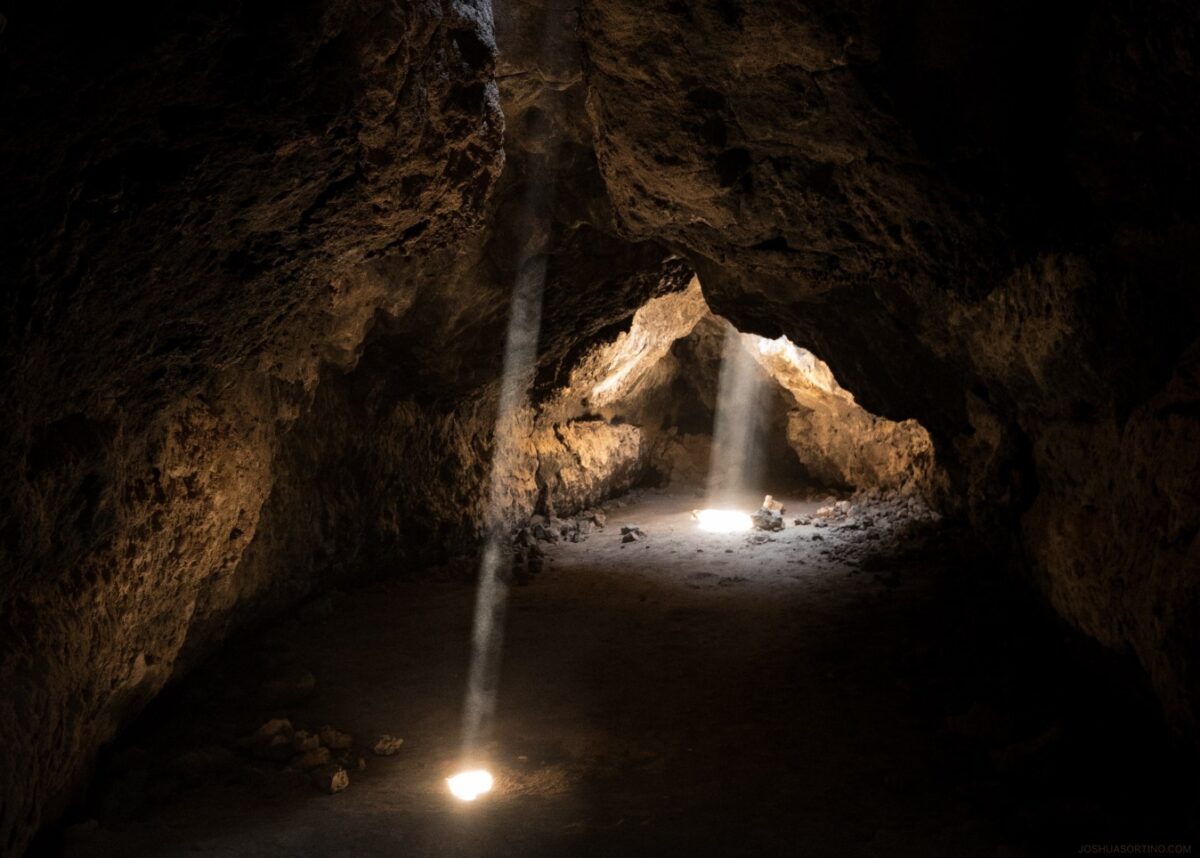
Photo by Joshua Sortino on Unsplash

Photo by Joshua Sortino on Unsplash

Kian Mintz-Woo, University College Cork

The recent Glasgow climate pact committed 197 countries to “phas[ing] down unabated coal”. Unabated coal refers to when power stations or factories burn coal without capturing and storing the carbon dioxide (CO₂) generated.

Because the world has made such little progress in eliminating coal, oil and fossil gas, climate modellers foresee some use of carbon capture and storage as necessary to reach zero emissions in enough time to avert catastrophic warming. The technology to capture carbon is in development, but one burning question remains: where on Earth should we store all that carbon?

Different methods of carbon capture will take place at different sites. Some involve absorbing emissions immediately after burning fossil fuels in chimneys and smokestacks where the CO₂ is highly concentrated. Other methods capture carbon directly from the air, either by using chemical reactions that bind the carbon using lots of energy or by growing carbon-hungry plants which can be burned for energy and the resulting emissions subsequently captured.

In new research, myself and environmental engineer Joe Lane at Princeton University in the US argued that, regardless of the method, leaving decisions about where to store carbon to commercial entities would mean avoiding an important moral dilemma.

Funding for carbon capture and storage is insufficient. At the current rate of deployment, 700 million tonnes of CO₂ storage capacity will be added by 2050 – 10% of what is required.

Countries would have to massively ramp up investment to be compliant with the Paris aqgreement’s target of limiting global warming to 1.5°C. Some of this money would be public funding, and people would reasonably expect it to fund projects which are morally sound.


AlsoRead...

The Rise of This Lead Generation Workshop Across Australia

The Rise of This Lead Generation Workshop Across Australia

13 February 2026
Brandon Willington: The Marketing Entrepreneur turning heads across Australia

Brandon Willington: The Marketing Entrepreneur Turning Heads Across Australia

8 January 2026

On the one hand, it might be deemed important to develop storage sites with the best prospects for storing lots of greenhouse gas for the longest duration. This argument maintains that the most important consideration for deploying carbon capture and storage is making the largest possible contribution to arresting climate change.

To give carbon storage sites the greatest chance of success, it makes sense to develop them in places where the geology has been thoroughly explored and where there is lots of relevant expertise. This would imply pumping carbon into underground storage sites in northern Europe, the Middle East and the US, where companies have spent centuries looking for and extracting fossil fuels. Storing carbon is roughly the reverse of extracting it from the ground, and there is an opportunity for workers in the oil and gas industry to lend their skills and expertise to this endeavour.
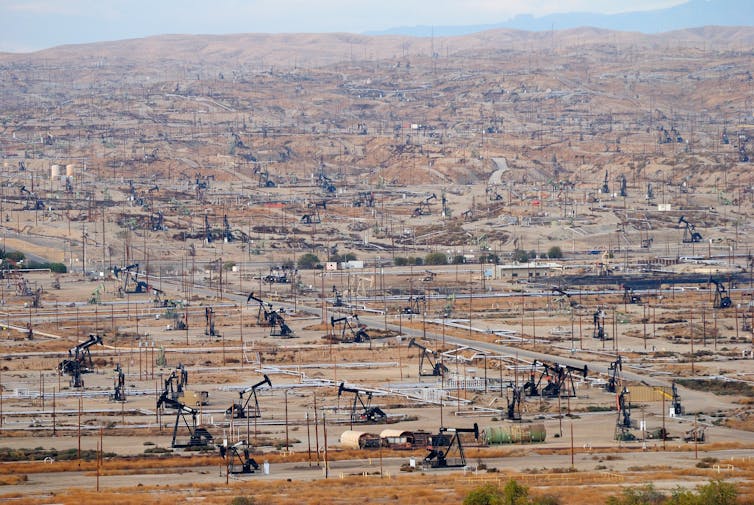
A California oil field dotted with derricks.
Some US companies have been extracting oil for well over a century. Alizada Studios/Shutterstock

On the other hand, it might be important to develop storage sites in economies where the current and future demand for carbon capture and storage is greatest. These competing aims pull in different directions. The regions with the best prospects are not often those with the greatest expected need.

Developing storage sites in economies where expected demand for carbon capture is highest overwhelmingly favours developing regions of Asia. In India and China, for instance, coal power stations and cement plants are expensive to decommission and will need lots of carbon capture and storage capacity to decarbonise. If developing regions are expected to decarbonise without sufficient support to roll out carbon capture and storage, it could mean they have to throttle development to reduce emissions.

There are no easy answers in this debate. Increasing carbon capture and storage capacity as quickly as possible could benefit future generations by reducing the severity of climate change. So, you could argue that developing the most promising sites in Europe is the best way forward. But directing investment for storage facilities from wealthy countries to developing regions could help address the debt the former owes the latter for causing the brunt of the climate crisis.

World leaders should recognise this moral dilemma and consider the choices with urgency. The need to remove and safely store carbon becomes more severe by the day. Given the time and costs involved in developing storage sites, and the real possibility that the storage sites may not be sufficient for the carbon countries emit, this is a question which cannot be delayed.


Imagine weekly climate newsletter

Don’t have time to read about climate change as much as you’d like?
Get a weekly roundup in your inbox instead. Every Wednesday, The Conversation’s environment editor writes Imagine, a short email that goes a little deeper into just one climate issue. Join the 10,000+ readers who’ve subscribed so far.


Kian Mintz-Woo, Lecturer in Philosophy, Environmental Research Institute, University College Cork

This article is republished from The Conversation under a Creative Commons license. Read the original article.


Tags: SB001
DMCA.com Protection Status

SUBSCRIBE to our NEWSLETTER

[mc4wp_form id=”2384248″]

Don't Miss

Zakeke AI Agent Studio Removes the E-Commerce Content Bottleneck With Outputs in Seconds

by Fazila Olla-Logday
3 March 2026
Zakeke AI Agent Studio Removes the E-Commerce Content Bottleneck With Outputs in Seconds
at

Zakeke AI Agent Studio removes the e-commerce content bottleneck by generating product content and visuals in seconds, enabling brands to...

Read moreDetails

Empire Traveller launches to give Small and Medium Businesses Enterprise-Level Travel rates

by Pauline Torongo
20 February 2026
Empire Traveller launches to give Small and Medium Businesses Enterprise-Level Travel rates
Travel

Empire Traveller suggests the travel sector may be entering a more inclusive phase — one where advantage is shaped less...

Read moreDetails

Is Feng Shui Master Xu Really A Modern Genius?

by Fazila Olla-Logday
19 February 2026
Is Feng Shui Master Xu Really A Modern Genius?
at

Is Feng Shui Master Xu truly a modern genius, or simply a master of timeless wisdom? Blending ancient Feng Shui...

Read moreDetails

The Rise of This Lead Generation Workshop Across Australia

by Pauline Torongo
13 February 2026
The Rise of This Lead Generation Workshop Across Australia
Business & Finance

“Where U?”, is a two-day in-person lead generation workshop that teaches Australian business owners how to build their own acquisition...

Read moreDetails

Lyca Mobile Australia’s Customer-First Overhaul Pays Off with Finder Award Win

by Fazila Olla-Logday
2 February 2026
Lyca Mobile Australia's Customer-First Overhaul Pays Off with Finder Award Win
Technology

Lyca Mobile Australia’s customer-first overhaul has earned a Finder Award, recognising its improved value, service, and stronger focus on Australian...

Read moreDetails

From Driveway to Dream Court: The Rise of High-Performance Hoops at Home in 2026

by Fazila Olla-Logday
20 January 2026
The Rise of High-Performance Hoops at Home in 2026
Sport

High-performance home basketball hoops are gaining momentum in 2026, as more homeowners invest in durable, professional-grade systems that combine advanced...

Read moreDetails

Brandon Willington: The Marketing Entrepreneur Turning Heads Across Australia

by Pauline Torongo
8 January 2026
Brandon Willington: The Marketing Entrepreneur turning heads across Australia
Business & Finance

Brandon Willington, founder of “Where U?” is changing the narrative for Australian businesses tired of inconsistent leads and empty promises.

Read moreDetails
Load More

Copyright © Blue Sky Publications Ltd. All Rights Reserved.
australiantimes.co.uk is a division of Blue Sky Publications Ltd. Reproduction without permission prohibited. DMCA.com Protection Status

  • About us
  • Write for Us
  • Advertise
  • Contact us
  • T&Cs, Privacy and GDPR
No Result
View All Result
  • News
    • Weather
    • Sport
    • Technology
    • Business & Finance
      • Currency Zone
    • Lotto Results
      • The Lott
  • Lifestyle
    • Entertainment
    • Horoscopes
    • Health & Wellness
    • Recipes
  • Travel
  • Expat Life
  • Move to Australia

Copyright © Blue Sky Publications Ltd. All Rights Reserved.
australiantimes.co.uk is a division of Blue Sky Publications Ltd. Reproduction without permission prohibited. DMCA.com Protection Status

No Result
View All Result
  • News
    • Weather
    • Sport
    • Technology
    • Business & Finance
      • Currency Zone
    • Lotto Results
      • The Lott
  • Lifestyle
    • Entertainment
    • Horoscopes
    • Health & Wellness
    • Recipes
  • Travel
  • Expat Life
  • Move to Australia

Copyright © Blue Sky Publications Ltd. All Rights Reserved.
australiantimes.co.uk is a division of Blue Sky Publications Ltd. Reproduction without permission prohibited. DMCA.com Protection Status





