

• Advertise
  • About us
  • Terms and Conditions
  • Contact us
Saturday, December 6, 2025
Australian Times News
  • News
    • Weather
    • Sport
    • Technology
    • Business & Finance
      • Currency Zone
    • Lotto Results
      • The Lott
  • Lifestyle
    • Entertainment
    • Horoscopes
    • Health & Wellness
    • Recipes
  • Travel
  • Expat Life
  • Move to Australia
No Result
View All Result
  • News
    • Weather
    • Sport
    • Technology
    • Business & Finance
      • Currency Zone
    • Lotto Results
      • The Lott
  • Lifestyle
    • Entertainment
    • Horoscopes
    • Health & Wellness
    • Recipes
  • Travel
  • Expat Life
  • Move to Australia
No Result
View All Result
Australian Times News
No Result
View All Result
Home News

Solar panels: we need to recycle parts of them to use again and avoid a mountain of waste

Billions of solar panels globally will soon come to the end of their lives, but when they get thrown away, essential materials that are needed to make future panels are being wasted.

The Conversation by The Conversation
26-11-2021 01:41
in News
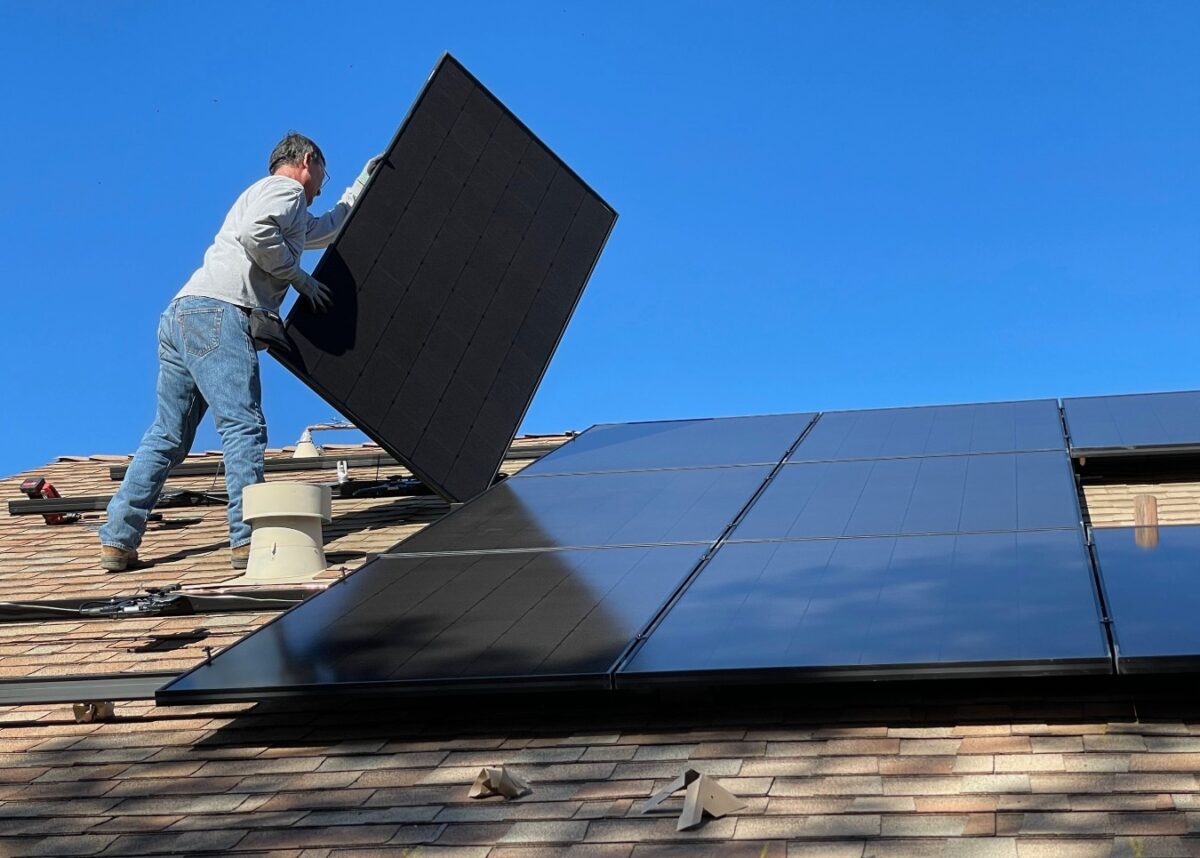
Photo by Bill Mead on Unsplash

Photo by Bill Mead on Unsplash

Matthew Davies, Swansea University

Billions of solar panels globally will soon come to the end of their lives, but when they get thrown away, essential materials that are needed to make future panels are being wasted.

It is estimated that there will be 78 million tonnes of total waste by 2050]. This is roughly 4 billion panels. But these panels have not been designed so that we can easily extract the elements within them again to use again, so it is likely that the majority of the panels will just be shredded in recycling. This contaminates materials, making them difficult to recover.

Globally, there is a desperate need to design electronics to allow easy extraction of the materials they contain so we can reuse them in new products and avoid waste. If we don’t change the way we use materials, then we are going to limit the much-needed deployment of renewable and climate-friendly technologies for the next phase of society and to mitigate climate change. The materials we will need will be lost in the waste we have created.

Using the waste

For the solar waste mentioned above, if the materials could be efficiently recovered, they would have an estimated value of US$15 billion (£11.2 billion) and could make 2 billion new solar panels. There are more than just financial benefits – 70% of greenhouse gas emissions are linked to the extraction, manufacture and use of goods. If the world does not reduce this by digging less materials from the earth, we will not be able to tackle climate change.

It is vitally important to avoid a scenario where technologies will have to compete for materials, limiting deployment and weakening society’s ability to mitigate the climate crisis. For example, semiconductors – materials widely used in computer chips – are also needed for solar panels and low-energy lighting, the magnets needed for wind turbines are also needed for low-carbon vehicles. Already certain elements, such as indium, are being designed out of emerging solar technologies because of worries over supply.

Reuse will have benefits

Humankind has developed an insatiable appetite for the consumption of materials. In 2020, it is estimated that 100 billion tonnes of materials were extracted from the earth, with only 8.6% cycled back into the economy. As a result of this electronic waste is the fastest-growing waste stream on the planet with 53.6 million tonnes generated in 2019 globally.


AlsoRead...

Ryan: Building real freedom through e-commerce

Ryan: Building real freedom through e-commerce

27 November 2025
Design Australia Group: Redefining Drafting as the engine of housing growth

Design Australia Group: Redefining Drafting as the engine of housing growth

26 November 2025

A recent report by the sustainability consultancy Giraffe Innovation working with Swansea University has shown that 1.6 metric tons of electronic waste was generated in the UK in 2019. This contained an estimated 379,000kg of critical materials, with a potential value of £148 million. Due to a lack of recycling infrastructure, poor design for end-of-life and inefficiencies in the recycling processes, the majority of these critical materials contained within the waste will be lost.

These critical elements are not being efficiently recovered and recycled, meaning that this technology is inherently unsustainable at present. The global recycling rate is less than 1% for 30 critical elements that are needed for future technologies.
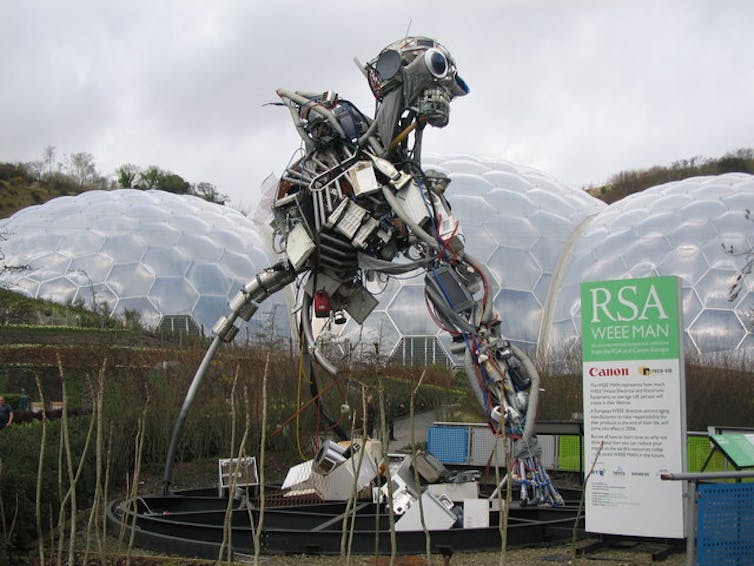
A sculpture made from electronic waste
The WEEE man, a figure made from electronic waste. Phil Williams/Wikipedia, CC BY

One major design flaw is that we tend to “glue” things together, leaving little option but to smash products into small fragments of mixed materials that are then difficult to separate. Another problem is highlighted in recent research on increasing recovery of critical raw materials from waste electronics. The figure below shows a typical circuit board and the location of the critical materials. It shows the difficulty in extracting these critical materials. Firstly, they are scattered in small amounts across the board and secondly, sophisticated equipment is needed to identify the position of these elements. This is before separation and recovery processes can even begin. Better design is key.
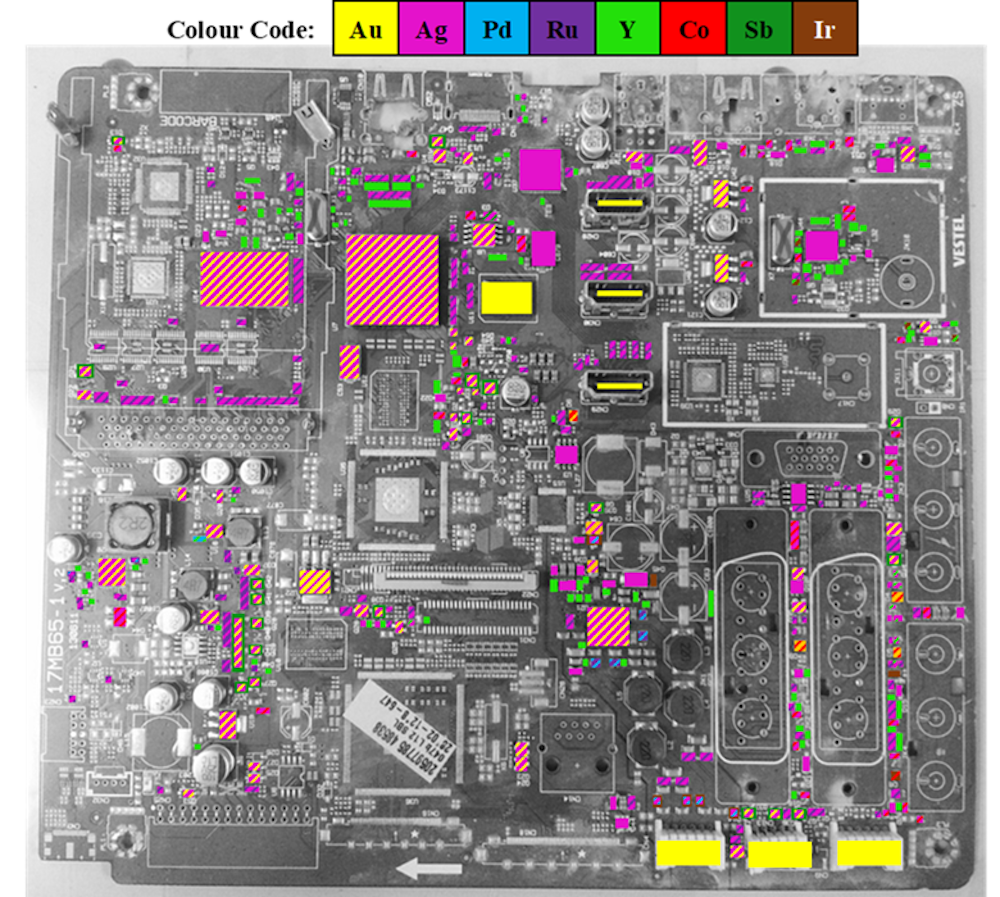
A typical circuit board with the location of critical materials highlighted. ScienceDirect

Design for end-of-life

Better design for end-of-life, greater processing and recycling infrastructure is needed to extract and reuse materials and to adopt of a circular economy approach. This will be beneficial for consumers, with better design of products that last longer and are easily upgradable or repairable.

For emerging technologies to be truly sustainable, it is vital that the world plans to extract critical materials when a product reaches the end of its useful life.

There is an opportunity to design emerging technologies with the circular economy in mind from the start. Waste should be thought of as be a resource, delivering maximum benefit to society and truly sustainable technologies.

Matthew Davies, Associate Professor, Swansea University

This article is republished from The Conversation under a Creative Commons license. Read the original article.


Tags: SB001
DMCA.com Protection Status

SUBSCRIBE to our NEWSLETTER

[mc4wp_form id=”2384248″]

Don't Miss

The evolution of Aesthetic Surgery through the lens of Dr Kourosh Tavakoli

by Pauline Torongo
4 December 2025
The evolution of Aesthetic Surgery through the lens of Dr. Kourosh Tavakoli
Health & Wellness

As global interest in Australian cosmetic surgery continues to grow, the combination of regulation, research and emerging digital tools is...

Read moreDetails

Ryan: Building real freedom through e-commerce

by Pauline Torongo
27 November 2025
Ryan: Building real freedom through e-commerce
Business & Finance

Ryan’s greatest achievement isn’t any single business or revenue milestone — it’s the ecosystem he’s built through the Change community.

Read moreDetails

Design Australia Group: Redefining Drafting as the engine of housing growth

by Pauline Torongo
26 November 2025
Design Australia Group: Redefining Drafting as the engine of housing growth
Business & Finance

Australia is under pressure to build homes faster, but design bottlenecks slow progress. Design Australia Group is fixing this by...

Read moreDetails

Louis Guy Detata builds Global Trading Empires through autonomous systems and disciplined leadership

by Pauline Torongo
25 November 2025
Louis Guy Detata builds Global Trading Empires through autonomous systems and disciplined leadership
Business & Finance

The path from investment banking to leading a global trading platform has taught Louis Detata that sustainable success requires more...

Read moreDetails

Burning Eucalyptus Wood: Tips, Advantages, Disadvantages & Alternatives

by Fazila Olla-Logday
20 November 2025
Image Supplied
Enviroment

Learn about burning eucalyptus wood for stoves and fireplaces. Discover benefits, drawbacks, harvesting tips, and better alternative firewood options for...

Read moreDetails

Everything Parents Need to Know About Baby Soft Play and Why It’s a Game Changer

by Fazila Olla-Logday
11 November 2025
Everything Parents Need to Know About Baby Soft Play
Health & Wellness

Baby soft play is a fun, safe, and educational way for little ones to explore and grow. Discover the benefits...

Read moreDetails

WOMAD Sets Up a New Camp in Wiltshire – Australian festival fans take note!

by Kris Griffiths
11 November 2025
Kumbia Boruka brought their reggae and dancehall flavour to the Taste the World Stage at WOMAD 2024 - Credit - Mike Massaro
Entertainment

With its 2026 edition moving to Neston Park in England, WOMAD offers Aussie music lovers a chance to reconnect with global...

Read moreDetails
Load More

Copyright © Blue Sky Publications Ltd. All Rights Reserved.
australiantimes.co.uk is a division of Blue Sky Publications Ltd. Reproduction without permission prohibited. DMCA.com Protection Status

  • About us
  • Write for Us
  • Advertise
  • Contact us
  • T&Cs, Privacy and GDPR
No Result
View All Result
  • News
    • Weather
    • Sport
    • Technology
    • Business & Finance
      • Currency Zone
    • Lotto Results
      • The Lott
  • Lifestyle
    • Entertainment
    • Horoscopes
    • Health & Wellness
    • Recipes
  • Travel
  • Expat Life
  • Move to Australia

Copyright © Blue Sky Publications Ltd. All Rights Reserved.
australiantimes.co.uk is a division of Blue Sky Publications Ltd. Reproduction without permission prohibited. DMCA.com Protection Status

No Result
View All Result
  • News
    • Weather
    • Sport
    • Technology
    • Business & Finance
      • Currency Zone
    • Lotto Results
      • The Lott
  • Lifestyle
    • Entertainment
    • Horoscopes
    • Health & Wellness
    • Recipes
  • Travel
  • Expat Life
  • Move to Australia

Copyright © Blue Sky Publications Ltd. All Rights Reserved.
australiantimes.co.uk is a division of Blue Sky Publications Ltd. Reproduction without permission prohibited. DMCA.com Protection Status





