

• Advertise
  • About us
  • Terms and Conditions
  • Contact us
Saturday, December 6, 2025
Australian Times News
  • News
    • Weather
    • Sport
    • Technology
    • Business & Finance
      • Currency Zone
    • Lotto Results
      • The Lott
  • Lifestyle
    • Entertainment
    • Horoscopes
    • Health & Wellness
    • Recipes
  • Travel
  • Expat Life
  • Move to Australia
No Result
View All Result
  • News
    • Weather
    • Sport
    • Technology
    • Business & Finance
      • Currency Zone
    • Lotto Results
      • The Lott
  • Lifestyle
    • Entertainment
    • Horoscopes
    • Health & Wellness
    • Recipes
  • Travel
  • Expat Life
  • Move to Australia
No Result
View All Result
Australian Times News
No Result
View All Result
Home News

COP26: countries are not spending nearly enough on adapting to climate change

Between 2014 and 2018, 57% of adaptation finance in sub-Saharan Africa arrived via loans, mainly, from wealthy countries and the World Bank. Only 42% of this money came through grants. Loans increase the debt burden on already beleagured countries.
The Conversation by The Conversation
09-11-2021 22:03
in News
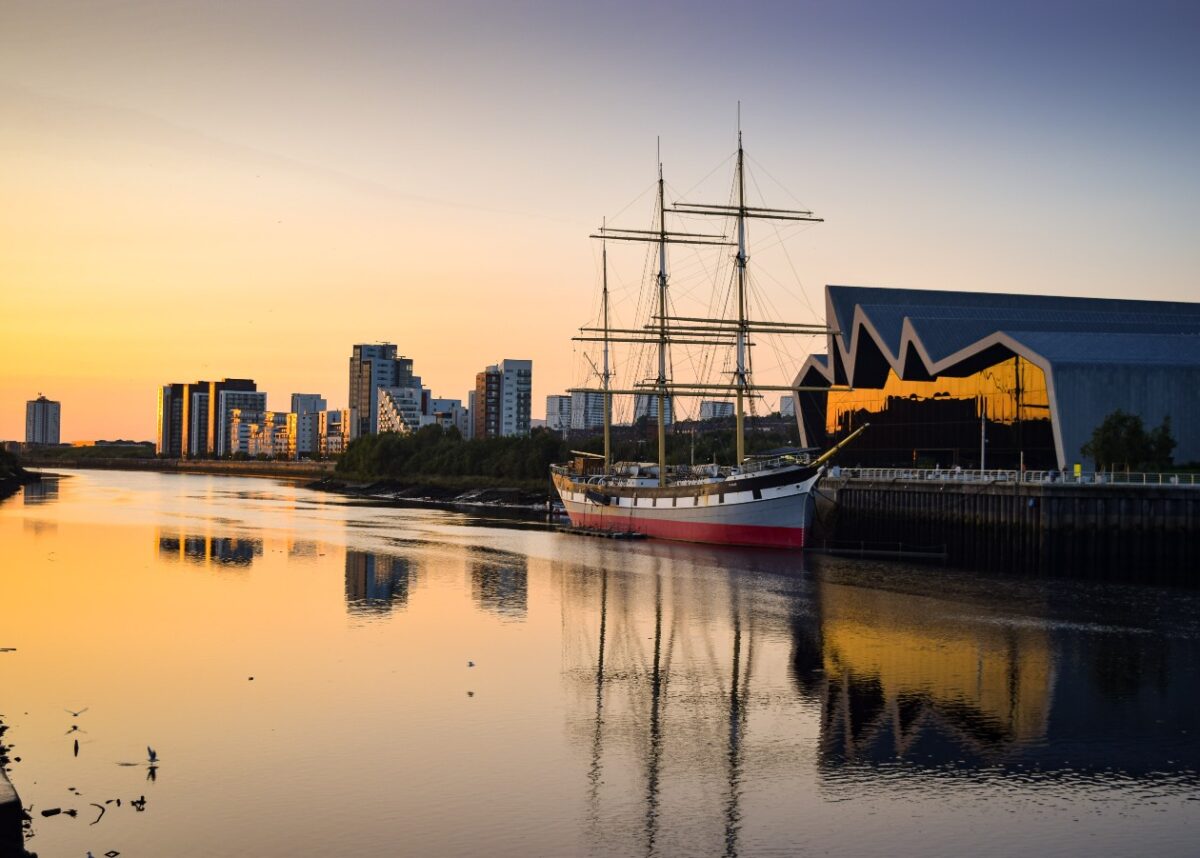
Photo by Fredrika Carlsson on Unsplash

Photo by Fredrika Carlsson on Unsplash

Olalekan Adekola, York St John University

Responding to climate change is a matter of “adapt or die” according to Emma Howard Boyd, the chair of the UK Environment Agency. While much of the attention at COP26 is trained on reducing greenhouse gas emissions and mitigating the crisis, these gases are already at dangerous levels in the atmosphere and will continue to influence the climate for decades to come. Adapting to the mounting floods, droughts and heatwaves is equally as important.

These consequences of climate change already affect communities worldwide. Many countries have developed national adaptation plans to make infrastructure more resilient. But most countries in the Global South are struggling to implement these changes without additional funding.

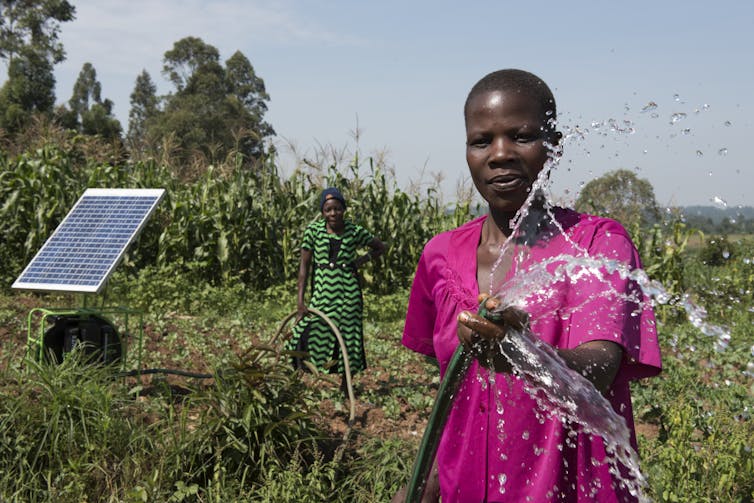
African nations, including Kenya, Tanzania and Uganda, have proposed a finance deal at COP26 – the UN climate change summit in Glasgow – which would channel US$700bn (£520bn) every year from 2025 to help poorer countries build barriers which could alleviate coastal flooding for example, and install solar-powered irrigation systems for growing food.

Between 2014 and 2018, 57% of adaptation finance in sub-Saharan Africa arrived via loans, mainly, from wealthy countries and the World Bank. Only 42% of this money came through grants. Loans increase the debt burden on already beleagured countries.

A person holds a hosepipe in front of a solar panel
The Sunflower solar irrigation pump outside of Kitale, Kenya, helps to sustainably grow food in the region as part of local adaptation plans supported by funding. IWMI/Flickr, CC BY-NC-SA

A new report by the UN Environment Programme showed that the costs of damage from climate change in developing countries are five to ten times greater than the amount of public aid so far raised. Zimbabwe, for example, devotes about 9% of its GDP to funding adaptation efforts. But need exceeds expenditure among developing countries by about 80%.

The gap between these two is growing. Continuing to delay adequate funding will be more expensive in the long run, and expose more people to greater and greater risk.


AlsoRead...

Ryan: Building real freedom through e-commerce

Ryan: Building real freedom through e-commerce

27 November 2025
Design Australia Group: Redefining Drafting as the engine of housing growth

Design Australia Group: Redefining Drafting as the engine of housing growth

26 November 2025

The benefits of funding adaptation

Although around 79% of all countries have adopted some form of national adaptation plan, no country is adapting fast enough.

Even in a wealthy country like the US, almost a quarter of roads and other critical infrastructure – from hospitals to police and fire stations to wastewater treatment plants – are at risk of inundation by flood water if they aren’t adapted, according to a recent report. Cities globally are unprepared. Two hospitals in east London had to tell patients to stay away after torrential rain caused severe flooding in July 2021.
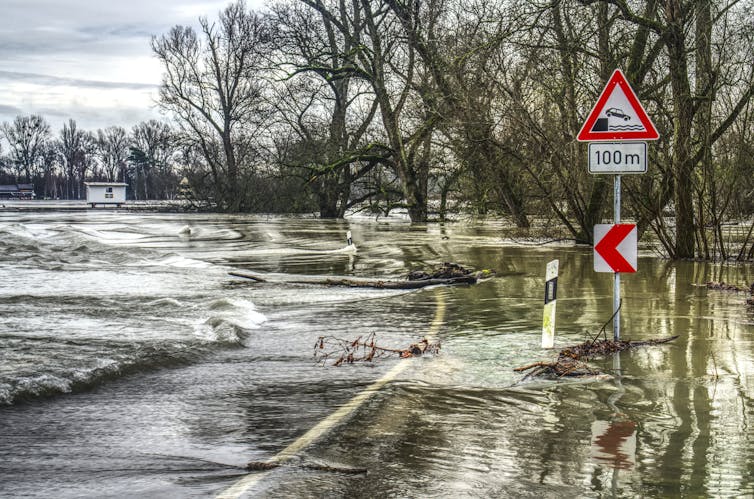
A flooded road.
Infrastructure in wealthy and poor countries alike is at risk from extreme weather. Pxfuel

US$16.7 trillion of fiscal stimulus has been deployed by governments since the beginning of the pandemic. This is far less than what governments have funnelled towards climate adaptation over the last few decades. But properly funding efforts to adapt to climate change can benefit public health as well, by slowing the environmental changes which breed disease outbreaks.

Research in Laos showed that investment in drought and flood-resistant rice seeds raised profits by 78%. Investing in projects to adapt to the effects of climate change can be lucrative. Investing US$1.8 trillion in things like storm early warning systems, protecting mangrove forests, reinforcing buildings and nurturing dryland farming could generate US$7.1 trillion in total net benefits. Additional funding could come from the private sector, which has so far contributed little.

Funding adaptations to climate change is not about giving money – it’s about ensuring countries can limit the damage from climate change and seize the opportunity to develop sustainably in a warming world.


COP26: the world's biggest climate talks

This story is part of The Conversation’s coverage on COP26, the Glasgow climate conference, by experts from around the world.
Amid a rising tide of climate news and stories, The Conversation is here to clear the air and make sure you get information you can trust. More.


Olalekan Adekola, Senior Lecturer in Geography, York St John University

This article is republished from The Conversation under a Creative Commons license. Read the original article.


Tags: SB001
DMCA.com Protection Status

SUBSCRIBE to our NEWSLETTER

[mc4wp_form id=”2384248″]

Don't Miss

The evolution of Aesthetic Surgery through the lens of Dr Kourosh Tavakoli

by Pauline Torongo
4 December 2025
The evolution of Aesthetic Surgery through the lens of Dr. Kourosh Tavakoli
Health & Wellness

As global interest in Australian cosmetic surgery continues to grow, the combination of regulation, research and emerging digital tools is...

Read moreDetails

Ryan: Building real freedom through e-commerce

by Pauline Torongo
27 November 2025
Ryan: Building real freedom through e-commerce
Business & Finance

Ryan’s greatest achievement isn’t any single business or revenue milestone — it’s the ecosystem he’s built through the Change community.

Read moreDetails

Design Australia Group: Redefining Drafting as the engine of housing growth

by Pauline Torongo
26 November 2025
Design Australia Group: Redefining Drafting as the engine of housing growth
Business & Finance

Australia is under pressure to build homes faster, but design bottlenecks slow progress. Design Australia Group is fixing this by...

Read moreDetails

Louis Guy Detata builds Global Trading Empires through autonomous systems and disciplined leadership

by Pauline Torongo
25 November 2025
Louis Guy Detata builds Global Trading Empires through autonomous systems and disciplined leadership
Business & Finance

The path from investment banking to leading a global trading platform has taught Louis Detata that sustainable success requires more...

Read moreDetails

Burning Eucalyptus Wood: Tips, Advantages, Disadvantages & Alternatives

by Fazila Olla-Logday
20 November 2025
Image Supplied
Enviroment

Learn about burning eucalyptus wood for stoves and fireplaces. Discover benefits, drawbacks, harvesting tips, and better alternative firewood options for...

Read moreDetails

Everything Parents Need to Know About Baby Soft Play and Why It’s a Game Changer

by Fazila Olla-Logday
11 November 2025
Everything Parents Need to Know About Baby Soft Play
Health & Wellness

Baby soft play is a fun, safe, and educational way for little ones to explore and grow. Discover the benefits...

Read moreDetails

WOMAD Sets Up a New Camp in Wiltshire – Australian festival fans take note!

by Kris Griffiths
11 November 2025
Kumbia Boruka brought their reggae and dancehall flavour to the Taste the World Stage at WOMAD 2024 - Credit - Mike Massaro
Entertainment

With its 2026 edition moving to Neston Park in England, WOMAD offers Aussie music lovers a chance to reconnect with global...

Read moreDetails
Load More

Copyright © Blue Sky Publications Ltd. All Rights Reserved.
australiantimes.co.uk is a division of Blue Sky Publications Ltd. Reproduction without permission prohibited. DMCA.com Protection Status

  • About us
  • Write for Us
  • Advertise
  • Contact us
  • T&Cs, Privacy and GDPR
No Result
View All Result
  • News
    • Weather
    • Sport
    • Technology
    • Business & Finance
      • Currency Zone
    • Lotto Results
      • The Lott
  • Lifestyle
    • Entertainment
    • Horoscopes
    • Health & Wellness
    • Recipes
  • Travel
  • Expat Life
  • Move to Australia

Copyright © Blue Sky Publications Ltd. All Rights Reserved.
australiantimes.co.uk is a division of Blue Sky Publications Ltd. Reproduction without permission prohibited. DMCA.com Protection Status

No Result
View All Result
  • News
    • Weather
    • Sport
    • Technology
    • Business & Finance
      • Currency Zone
    • Lotto Results
      • The Lott
  • Lifestyle
    • Entertainment
    • Horoscopes
    • Health & Wellness
    • Recipes
  • Travel
  • Expat Life
  • Move to Australia

Copyright © Blue Sky Publications Ltd. All Rights Reserved.
australiantimes.co.uk is a division of Blue Sky Publications Ltd. Reproduction without permission prohibited. DMCA.com Protection Status





