


Danielle Stanisic, Griffith University and Michael Good, Griffith University
The world’s first mass vaccination program against malaria, announced this week, is set to prevent millions of children from catching malaria and thousands dying from this debilitating disease.
The World Health Organization (WHO) has recommended widespread use of the RTS,S/AS01 (Mosquirix) vaccine in young children who are most at risk of malaria in Africa.
Malaria is a big deal
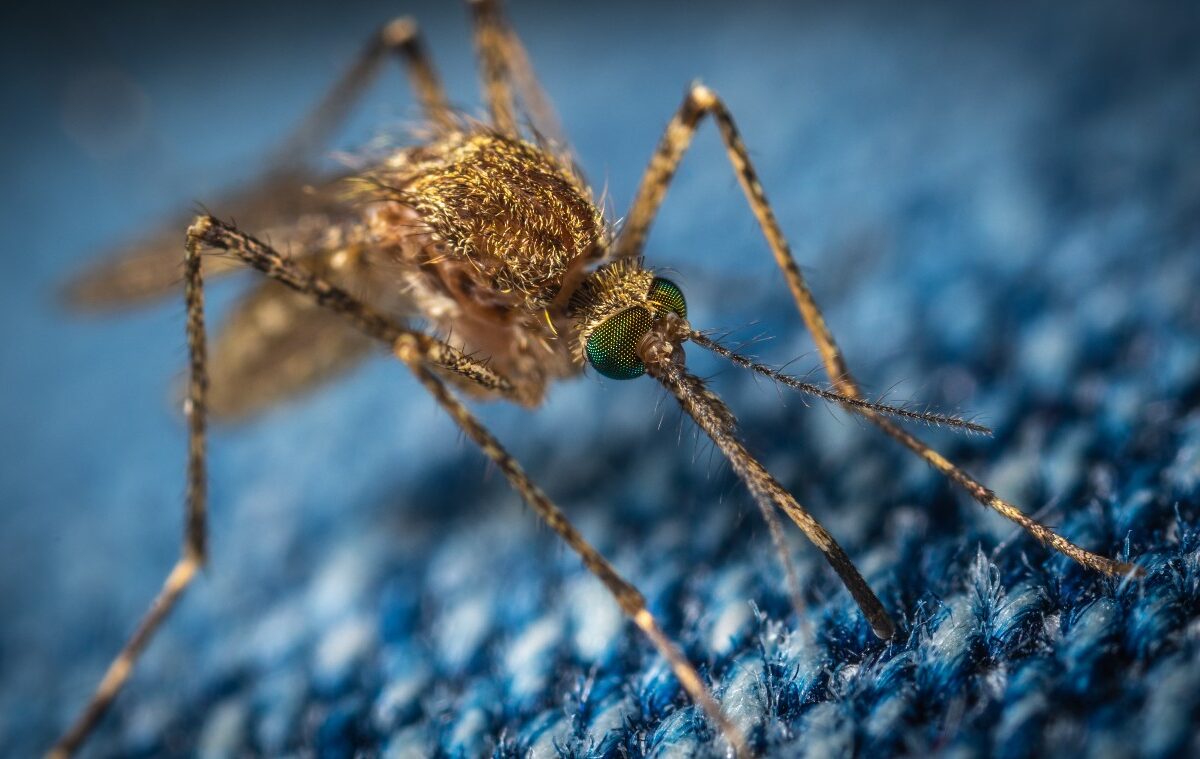
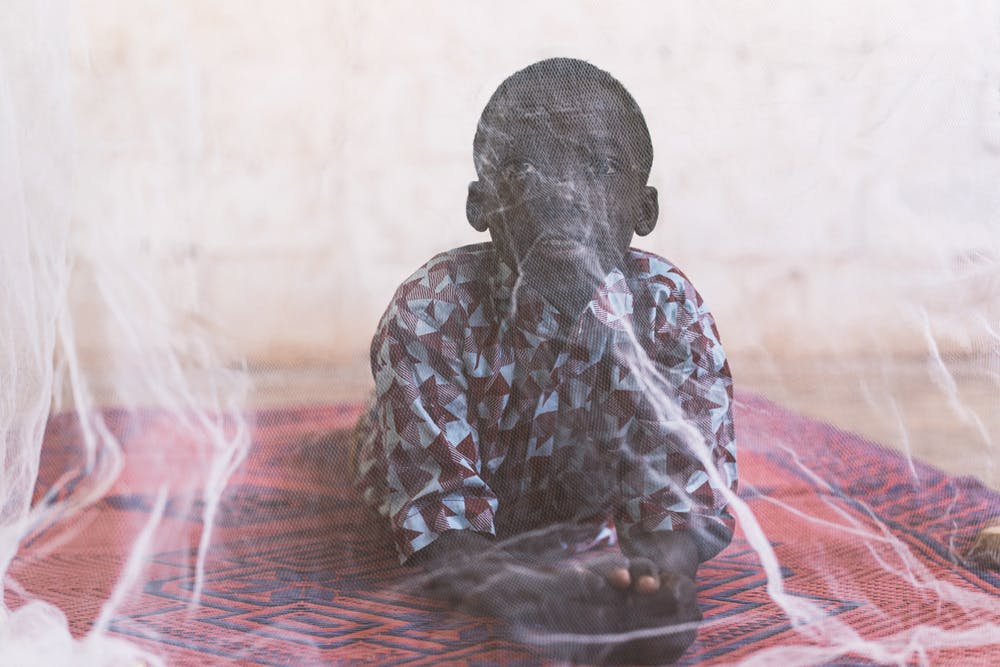
Mosquitoes spread the parasite Plasmodium falciparum from person to person when they bite. So until now, our fight against malaria has involved using mosquito nets to avoid being bitten and spraying insecticide to kill mosquitoes. Then there are drugs to prevent or treat malaria infection.
However, the parasite has developed resistance to antimalarial drugs and mosquitoes have developed resistance to insecticides. Nevertheless existing control measures have resulted in a significant decrease in the number of malaria deaths since 2000.
In recent years, however, progress has stalled. In 2019, malaria infection resulted in 409,000 deaths around the world, mostly in children under five years old, and 229 million new malaria cases.
So we need extra tools, such as an effective malaria vaccine, if we are to control the disease globally.


WHO’s recommendation to roll out the Mosquirix vaccine to children at high risk of infection with P. falciparum, which is widespread in Africa, is an important step towards controlling the deadliest of human malaria parasites.
What did the WHO recommend?
The WHO recommended four doses of the vaccine in children from five months old.
This recommendation follows recent results from a pilot program in Ghana, Kenya and Malawi, involving vaccinating more than 800,000 children since 2019.
The program showed delivering the vaccine is feasible and cost-effective in high-risk areas. It also increased the number of children (to more than 90%) who have access to at least one intervention to prevent malaria.
The vaccine has a good safety profile and reduces cases of clinical and severe malaria, which can be deadly.
What do we know about the vaccine?
Mosquirix is a “subunit” vaccine. This means it only contains a small part of the malaria parasite, which is produced as a synthetic protein.
This protein is coupled with an “adjuvant”, a molecule designed to stimulate a strong immune response.
The vaccine works mainly by stimulating the body to make antibodies against the parasite, neutralising it, and preventing it from entering liver cells. These are the first cells the parasite invades when it enters the body.
The vaccine also works by helping to mount an inflammatory response, when a different part of the immune system responds.
The vaccine isn’t perfect
The level of protection the vaccine provides isn’t ideal. Protection varies with the age of the child when vaccinated, with less protection for young infants compared with older children. In the older children (5-17 months old), this averaged at about 36% protection against developing clinical malaria over a four-year period.
Protective immunity also decreases rapidly over time. This means regular booster doses will be required. Alternative immunisation schedules are also being evaluated.
Yet, the vaccine can still make a significant contribution to malaria control when used in areas of high malaria risk and with other control measures.
One modelling study estimated that in sub-Saharan Africa, Mosquirix could prevent up to 5.2 million cases of malaria and 27,000 deaths in young children each year.
Why has it taken so long to get here?
Developing a malaria vaccine is challenging. Technically, it is difficult to develop a vaccine against a parasite that lives in two hosts (mosquitoes and humans).
There has also been limited interest by pharmaceutical companies in developing a malaria vaccine.
Although travellers would benefit from a vaccine when travelling to affected countries, the people who most need a malaria vaccine live in some of the world’s poorest countries. So there is little financial incentive to develop a vaccine.
Mosquirix is the result of more than 30 years of research and was created through a partnership between GlaxoSmithKline (GSK) and the Walter Reed Army Institute of Research in the USA.
This time-frame is not long considering both the antigen design and the adjuvant system were novel.
The Bill & Melinda Gates Foundation and GSK supported further development, including evaluating the vaccine in clinical trials. Over three decades, they invested around US$700,000 million to develop the vaccine.
What next?
This current version of Mosquirix is not expected to be the last. Preliminary results for a new modified vaccine, called R21, are encouraging.
Other malaria vaccines in development include whole parasite vaccines. These use the whole malaria parasite that has been killed or altered so it cannot cause a malaria infection but can still stimulate an immune response.
Passive vaccines are also being investigated. These involve injecting long-lasting antibodies to prevent malaria infection.
A whole new set of challenges
In the meantime, WHO’s recommendation presents a new set of challenges.
Malaria-affected countries must decide whether to include Mosquirix as part of their national malaria control strategy.
Critical funding decisions from the global public health community will be needed to enable a broad rollout of the vaccine to the children who will most benefit from it.
Manufacturing capacity for tens of millions of doses each year, global vaccine supply chains and distribution infrastructure in malaria-affected countries will also be needed.
Finally, each country will need to maximise vaccine uptake and ensure completion of the four-dose immunisation schedule to obtain the vaccine’s full benefit.
Danielle Stanisic, Associate Research Leader, Institute for Glycomics, Griffith University and Michael Good, Professor and NHMRC Investigator Fellow, Institute for Glycomics, Griffith University
This article is republished from The Conversation under a Creative Commons license. Read the original article.







