


Federica Genovese, University of Essex and Patrick Bayer, University of Strathclyde
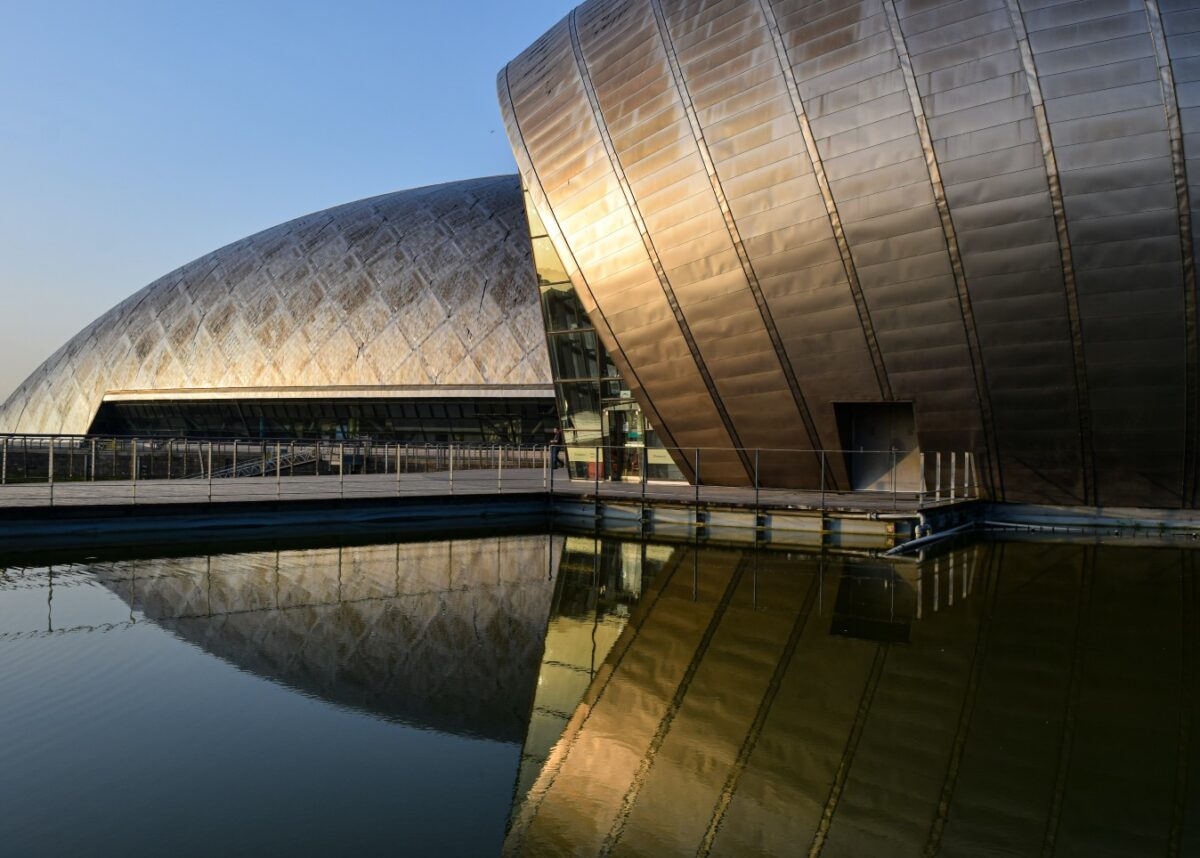
About 25,000 people are expected to travel to Glasgow this autumn for the annual meeting of the United Nations Framework Convention on Climate Change (UNFCCC).
This will be the 26th Conference of the Parties, also known as COP26, and all 197 states which are parties to the UNFCCC are supposed to be represented. As hosts of COP26, the UK has called for attendees to submit more ambitious emissions reductions targets for 2030 that will help the world reach net zero by mid-century, to raise contributions to climate adaptation and mitigation funds and to finalise the rules which would govern the implementation of the Paris climate agreement made in 2015.
This round of the UN climate talks was originally supposed to take place in 2020, but it was postponed because of the pandemic. Around the main talks, from October 31 to November 12 2021, Scotland’s largest city will host a series of meetings and events between world leaders, scientists and civil society groups.
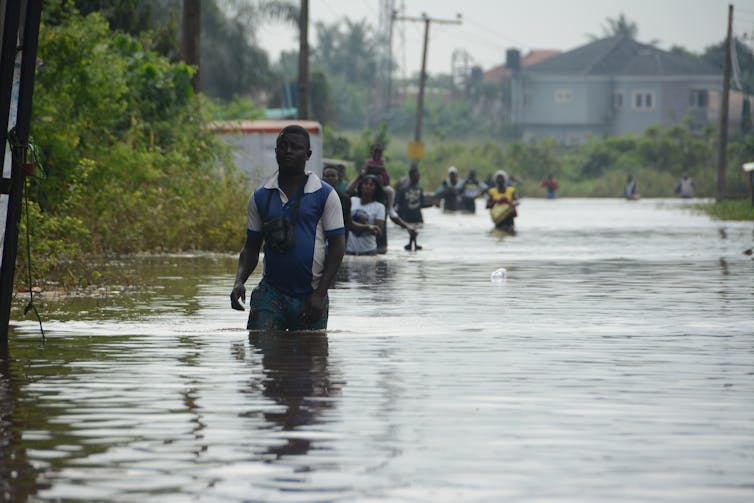
In a year plagued by catastrophic floods, wildfires and heatwaves, the need to act on climate change has never been more urgent. So what will the negotiators in Glasgow be debating?
Up for discussion
Many of the issues on the table have been left unresolved since the landmark Paris Agreement was concluded. This committed most of the world’s countries to try and limit global warming to well below 2°C, and to aim for 1.5°C.
A persistent source of disagreement concerns how international carbon markets should work – Article 6 of the Paris Agreement. These markets would allow countries to receive credits for reducing emissions in excess of their targets, which could then be sold to countries struggling to meet their own commitments.


Implementing carbon markets is very difficult. Developing countries worry that these markets will allow rich countries to avoid painful emissions reductions at home while making marginal contributions to abate emissions abroad through buying credits. Poor countries argue that developing countries could use the same emission cuts they sell as credits towards their own domestic reduction targets, effectively counting them twice.
Carrying over old credits accumulated under the previous system of the 1997 Kyoto Protocol might also allow emerging economies such as Brazil and India, and carbon-intensive economies such as Australia and Russia, to meet future reduction targets without much additional effort. This clashes with the spirit of the Paris Agreement to increase ambition over time.
Difficult negotiations are also expected over how to support poorer countries to develop sustainably. The Paris Agreement recognised the existential threats to climate-vulnerable countries from mounting floods and droughts. Loss and damage provisions in Article 8 of the Paris Agreement promise poorer countries technical and financial assistance, yet how to put these into practice remains unclear.
Another contentious issue will be the delivery of US$100 billion (£74 billion) annually in climate finance. Developing countries need this money to kickstart a green transition, but rich countries have consistently failed to provide it at the level agreed in 2010. While President Biden’s recent announcement to double US contributions might mobilise other major economies, a substantial shortfall will remain.
Spanners in the works
The list of issues before climate diplomats at COP26 is long, and the stakes are high. But the biggest complications might arise from the context in which the negotiations are taking place.
A lack of vaccines and high travel costs threaten the prospect of an inclusive event in Glasgow. Delegations from poor countries have warned that these issues make it difficult to travel to the climate talks.
Poor attendance is not guaranteed to derail talks, as several details can be ironed out remotely. But it’s disproportionately attendees from poorer countries who will struggle to access the event, potentially resulting in lower scrutiny of the summit’s outcomes.
COP26 also comes at a time when international relations are strained. The fallout from Brexit continues to poison the atmosphere between the UK and the EU. The US and China, accounting for more than 40% of global emissions, are embroiled in a standoff in the South China Sea. The recently negotiated AUKUS security partnership between Australia, the UK and the US, which seeks to counterbalance Chinese power in the Asia-Pacific region and has angered the French, could also dash hopes of cooperation at COP26.
Perhaps the biggest obstacle to progress lies not in Glasgow, but in each nation’s capitals. Each country is fighting a domestic battle that will determine the international credibility of COP26.
National withdrawal from the UNFCCC has happened before. Canada’s 2011 exit from the Kyoto Protocol and the US’s temporary 2017 departure from the Paris Agreement had domestic causes, and domestic politics have long been the decisive factor for a country’s climate commitments at COP meetings.
The framework of the Paris Agreement recognises this by allowing governments to make climate pledges that can vary from country to country, as long as national climate action increases in ambition over time. But a 2020 UN report found that current government pledges put the world on track for 3°C of warming. Ambition is nowhere near where it needs to be.
Yet, there is hope. While many government proposals risk being empty words, the latest spike in European gas prices and the recent UK fuel shortages provide incentives for some governments, including the UK as COP host, to fast-track elements of their green growth strategies by electrifying home heating and transport. Similarly, the success of the Green Party in the recent German elections, with 14.8% of votes, sends an important signal of public support for climate action in a major economy.
As much as we should pay close attention to the UN climate talks, we should never forget about the importance of national climate policy and the role of voters’ attitudes for shaping leadership on the world stage.
This story is part of The Conversation’s coverage on COP26, the Glasgow climate conference, by experts from around the world.
Amid a rising tide of climate news and stories, The Conversation is here to clear the air and make sure you get information you can trust. More.
Federica Genovese, Senior Lecturer in Government, University of Essex and Patrick Bayer, Senior Lecturer in International Relations, University of Strathclyde
This article is republished from The Conversation under a Creative Commons license. Read the original article.







