• Advertise
  • About us
  • Terms and Conditions
  • Contact us
Thursday, May 14, 2026
Australian Times News
  • News
    • Weather
    • Sport
    • Technology
    • Business & Finance
      • Currency Zone
    • Lotto Results
      • The Lott
  • Lifestyle
    • Entertainment
    • Horoscopes
    • Health & Wellness
    • Recipes
  • Travel
  • Expat Life
  • Move to Australia
No Result
View All Result
  • News
    • Weather
    • Sport
    • Technology
    • Business & Finance
      • Currency Zone
    • Lotto Results
      • The Lott
  • Lifestyle
    • Entertainment
    • Horoscopes
    • Health & Wellness
    • Recipes
  • Travel
  • Expat Life
  • Move to Australia
No Result
View All Result
Australian Times News
No Result
View All Result
Home News

Climate change: ditch 90% of world’s coal and 60% of oil and gas to limit warming to 1.5°C – experts

Global mean surface temperatures reached 1.2°C above the pre-industrial average in 2020, and the Intergovernmental Panel on Climate Change warned in its recent report that Earth could hit 1.5°C in as little as a decade.

The Conversation by The Conversation
09-09-2021 06:25
in News
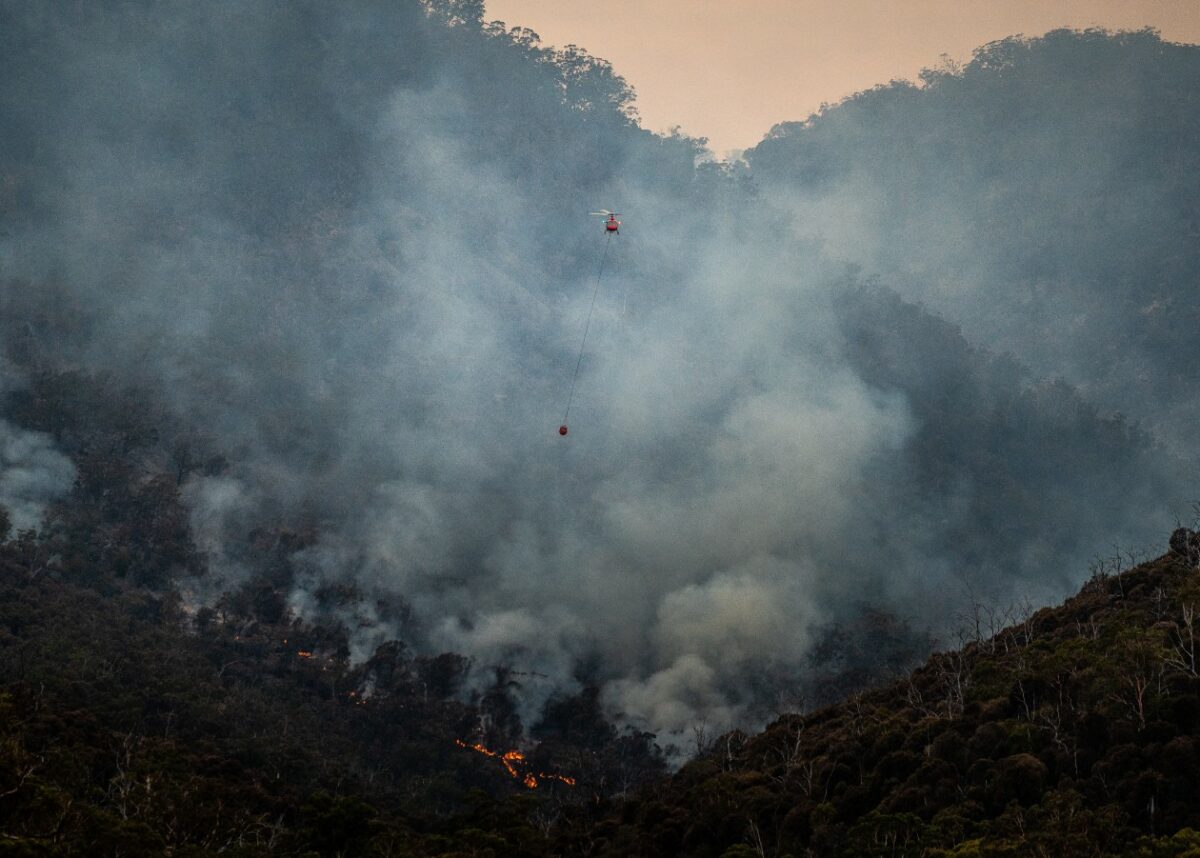
Photo by Matt Palmer on Unsplash

Photo by Matt Palmer on Unsplash

Daniel Welsby, UCL; James Price, UCL, and Steve Pye, UCL

Global mean surface temperatures reached 1.2°C above the pre-industrial average in 2020, and the Intergovernmental Panel on Climate Change warned in its recent report that Earth could hit 1.5°C in as little as a decade. The 0.3°C separating these two temperatures make a world of difference. Scientists believe that stabilising our warming world’s temperature at 1.5°C could help avoid the most serious effects of climate change.

Fossil fuels such as coal, oil and natural gas are the source of just over 80% of the world’s energy. Burning them accounts for 89% of human-derived CO₂ emissions. To avert catastrophic warming, the global community must rapidly reduce how much of these fuels it extracts and burns. Our new paper, published in Nature, revealed just how tight the world’s remaining carbon budget is likely to be.

In order to hold global warming at 1.5°C, we found that nearly 60% of global oil and fossil gas reserves will need to remain in the ground in 2050. Almost all of the world’s coal – 90% – will need to be spared from factory and power plant furnaces. Our analysis also showed that global oil and gas production must peak immediately and fall by 3% each year until mid-century.
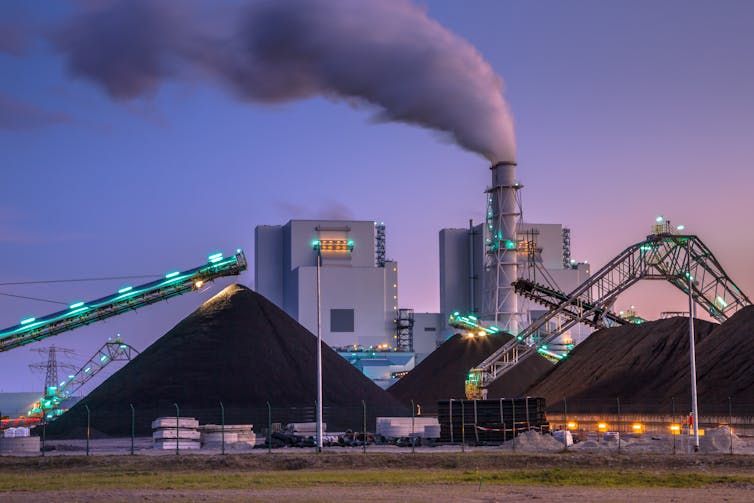
A coal power plant with smokestack and piles of coal nearby.
Fossil fuels still provide most of the world’s energy. Rudmer Zwerver/Shutterstock

Even meeting these stringent limits may not be enough on its own to stabilise global warming at 1.5°C, however.

That’s because we based our estimates on a carbon budget compatible with just a 50% probability of limiting warming to 1.5°C. Our model simply could not be pushed to a greater chance of achieving the 1.5C target because it was already at its limit, given our projections of fossil fuel demand in the near future.

Our analysis also relies on the large-scale deployment of technologies capable of removing CO₂ from the atmosphere sometime in the future. By 2050, our scenario expects around four gigatonnes a year will be being captured by so-called negative emission technologies. There remains a lot of doubt about whether it is even possible to sufficiently scale these technologies up in time.


AlsoRead...

Svitla Systems

Svitla Systems acquires Australia’s Kiandra IT to expand Global Engineering Footprint and Accelerate AI-Driven delivery

11 May 2026
How Clevero is helping Australian Service Businesses compete with Enterprises on a Fraction of the Budget

How Clevero is helping Australian Service Businesses compete with Enterprises on a Fraction of the Budget

28 April 2026

So, to aim for a better chance of achieving the Paris Agreement’s goal and to lower the risk of relying on as yet unproven technologies, we argue that our estimates of how much of the world’s fossil fuels which cannot safely be extracted should be treated as cautious underestimates. The world may need to be even more ambitious.

Fossil fuel rationing

We estimated how much fossil fuel production in each region must fall and how fast based on a global energy system model. We allocated the remaining shares of fossil fuel production allowed within the budget based on the costs and carbon intensity of producing different oil and gas assets, and how cheap low and zero-carbon technologies are in different parts of the world.

Our analysis showed that total fossil fuel production is limited by a global carbon budget. Production growing in one region of the world will require a decrease in another to keep the global trajectory pointing downwards. A mechanism such as the Global Fossil Fuel Registry – a public database of all known reserves – could provide the necessary transparency for an international effort, with the cooperation of governments and fossil fuel producers.

The US and Russia sit on half of the world’s coal but must leave 97% of it in the ground. Australia, which recently pledged to keep producing and exporting coal beyond 2030, would need to keep 95% of its reserves underground. Oil-producing states in the Middle East must not extract around two-thirds of their reserves, while most of Canada’s tar sand oil must not be burned, along with all of the fossil fuel buried beneath the Arctic.

Our analysis suggests that many countries will need to move out of fossil fuel production relatively quickly, which raises concerns about how the transition can be managed fairly. Countries such as Iraq and Angola have a high dependency on fossil fuels for government revenues. They will need support to diversify their economies in a managed way – including financial and technological assistance to develop new low-carbon industries – and to decarbonise domestically to reduce their own reliance on fossil fuels.

The necessary energy transformation highlighted in this research will require a range of policy levers, including measures that drive down fossil fuel consumption, such as banning petrol cars or promoting renewable electricity generation, and those targeting production itself, including restrictions on new fossil fuel extraction licenses.

Alliances between countries are also likely to be important to build political support for reducing fossil fuel production. The Beyond Oil and Gas Alliance, formed by Denmark and Costa Rica, has pressured other countries to halt investment in new oil and gas projects.

Phasing out global fossil fuel production at the rate suggested in our study is possible, but it will rely on some of the measures we’ve described expanding and gaining the support of large producing countries and companies – those which have benefited most from the fossil fuel era.

Daniel Welsby, PhD Candidate in Energy Systems, UCL; James Price, Senior Research Associate in Energy, UCL, and Steve Pye, Associate Professor in Energy Systems, UCL

This article is republished from The Conversation under a Creative Commons license. Read the original article.


Tags: SB001
DMCA.com Protection Status

SUBSCRIBE to our NEWSLETTER

[mc4wp_form id=”2384248″]

Don't Miss

Svitla Systems acquires Australia’s Kiandra IT to expand Global Engineering Footprint and Accelerate AI-Driven delivery

by Pauline Torongo
11 May 2026
Svitla Systems
Business & Finance

Acquisition marks Svitla’s entry into the Australian market and strengthens capabilities in low-code, Microsoft technologies, and enterprise software engineering.

Read moreDetails

Residential Healthcare Practices: Revolution or Evolution?

by Pauline Torongo
11 May 2026
Residential Healthcare Practices: Revolution or Evolution?
Lifestyle

President Bill Lutz’s "revolution" was born from his background in fine dining, which instilled a disciplined, customer-focused approach.

Read moreDetails

Medicana Health Group launches HPV vaccination campaign to support cervical cancer prevention

by Pauline Torongo
28 April 2026
Medicana Health Group launches HPV vaccination campaign to support cervical cancer prevention
Health & Wellness

The Türkiye-based healthcare group has introduced a new awareness campaign focused on HPV vaccination, regular check-ups and early detection, with...

Read moreDetails

How Clevero is helping Australian Service Businesses compete with Enterprises on a Fraction of the Budget

by Pauline Torongo
28 April 2026
How Clevero is helping Australian Service Businesses compete with Enterprises on a Fraction of the Budget
Business & Finance

By consolidating CRM, scheduling, workflow automation, invoicing, reporting, and client communications into a single platform, Clevero gives smaller operators the...

Read moreDetails

How CJAM Group is building 1,100 homes across Southeast Queensland

by Pauline Torongo
24 March 2026
How CJAM Group is building 1,100 homes across Southeast Queensland
Lifestyle

The CJAM Group founder is quietly building a 1,100+ home pipeline, with projects in Hervey Bay and Toowoomba, using a...

Read moreDetails

Design Without Compromise: Where Gutter Protection Meets Modern Architecture

by Fazila Olla-Logday
20 March 2026
Design Without Compromise: Where Gutter Protection Meets Modern Architecture
Business & Finance

Design without compromise by integrating gutter protection seamlessly into modern architecture. Discover how innovative gutter systems enhance your home’s aesthetics...

Read moreDetails

How WageSafe Secured Australia’s Most Reputable Retail Business Among Its Premium Clients

by Fazila Olla-Logday
12 March 2026
How WageSafe Secured Australia’s Most Reputable Retail Business Among Its Premium Clients
at

Learn how WageSafe helps businesses stay compliant with payroll and wage regulations through reliable monitoring, risk management, and expert support—protecting...

Read moreDetails
Load More

Copyright © Blue Sky Publications Ltd. All Rights Reserved.
australiantimes.co.uk is a division of Blue Sky Publications Ltd. Reproduction without permission prohibited. DMCA.com Protection Status

  • About us
  • Write for Us
  • Advertise
  • Contact us
  • T&Cs, Privacy and GDPR
No Result
View All Result
  • News
    • Weather
    • Sport
    • Technology
    • Business & Finance
      • Currency Zone
    • Lotto Results
      • The Lott
  • Lifestyle
    • Entertainment
    • Horoscopes
    • Health & Wellness
    • Recipes
  • Travel
  • Expat Life
  • Move to Australia

Copyright © Blue Sky Publications Ltd. All Rights Reserved.
australiantimes.co.uk is a division of Blue Sky Publications Ltd. Reproduction without permission prohibited. DMCA.com Protection Status

No Result
View All Result
  • News
    • Weather
    • Sport
    • Technology
    • Business & Finance
      • Currency Zone
    • Lotto Results
      • The Lott
  • Lifestyle
    • Entertainment
    • Horoscopes
    • Health & Wellness
    • Recipes
  • Travel
  • Expat Life
  • Move to Australia

Copyright © Blue Sky Publications Ltd. All Rights Reserved.
australiantimes.co.uk is a division of Blue Sky Publications Ltd. Reproduction without permission prohibited. DMCA.com Protection Status