• Advertise
  • About us
  • Terms and Conditions
  • Contact us
Thursday, February 5, 2026
Australian Times News
  • News
    • Weather
    • Sport
    • Technology
    • Business & Finance
      • Currency Zone
    • Lotto Results
      • The Lott
  • Lifestyle
    • Entertainment
    • Horoscopes
    • Health & Wellness
    • Recipes
  • Travel
  • Expat Life
  • Move to Australia
No Result
View All Result
  • News
    • Weather
    • Sport
    • Technology
    • Business & Finance
      • Currency Zone
    • Lotto Results
      • The Lott
  • Lifestyle
    • Entertainment
    • Horoscopes
    • Health & Wellness
    • Recipes
  • Travel
  • Expat Life
  • Move to Australia
No Result
View All Result
Australian Times News
No Result
View All Result
Home News

Bitcoin will soon be ‘legal tender’ in El Salvador – here’s what that means

The government even went a step further in promoting the cryptocurrency’s use by giving US$30 in free bitcoins to citizens who sign up for its national digital wallet, known as “Chivo,” or “cool” in English. Foreigners who invest three bitcoins in the country – currently about $140,000 – will be granted residency.

The Conversation by The Conversation
03-09-2021 22:21
in News
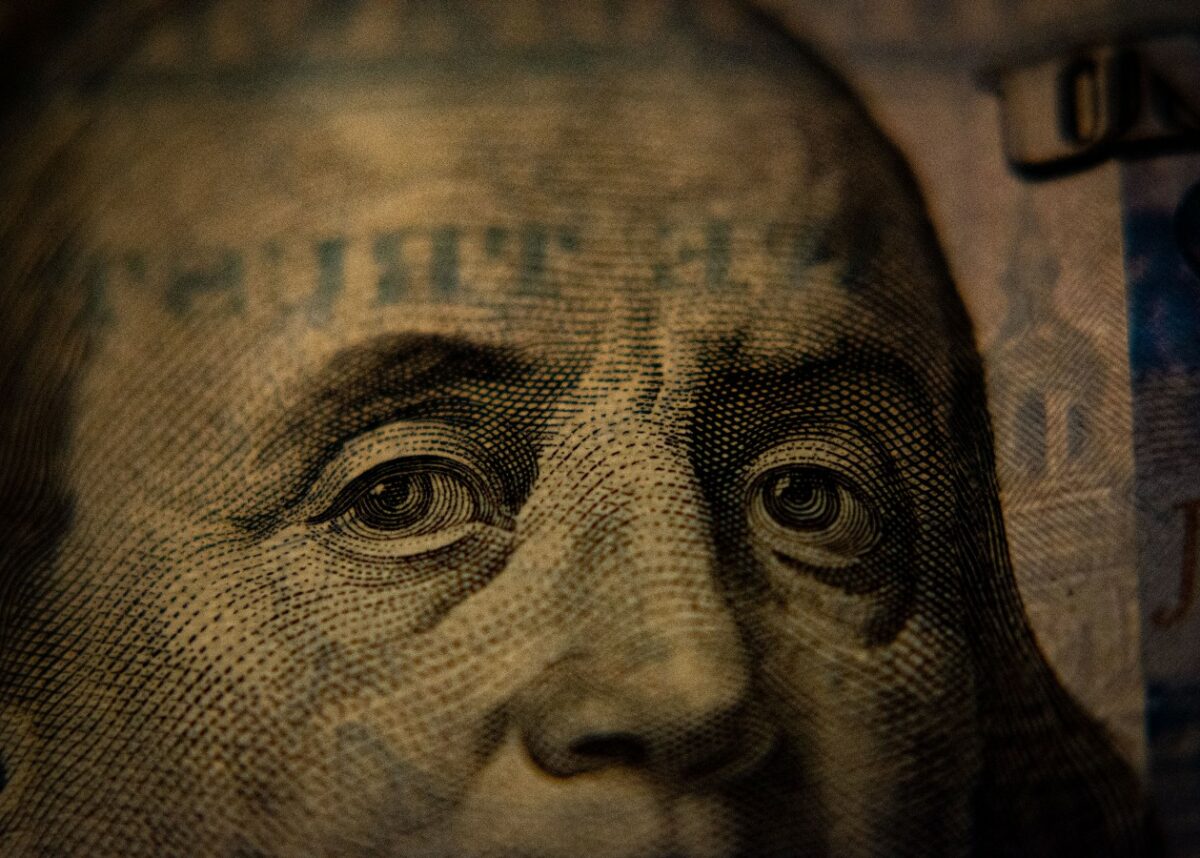
Photo by Adam Nir on Unsplash

Photo by Adam Nir on Unsplash

Jay L. Zagorsky, Boston University

On Sept. 7, 2021, El Salvador will become the first country to make bitcoin legal tender.

The government even went a step further in promoting the cryptocurrency’s use by giving US$30 in free bitcoins to citizens who sign up for its national digital wallet, known as “Chivo,” or “cool” in English. Foreigners who invest three bitcoins in the country – currently about $140,000 – will be granted residency.

Panama is considering following El Salvador’s lead.

Does making bitcoin legal tender mean every store and merchant in El Salvador will now have to accept digital payments? If more countries do the same thing, what will this mean for consumers and businesses around the world?

As an economist who studies wealth and money, I believe that briefly explaining what legal tender is will help answer these questions.
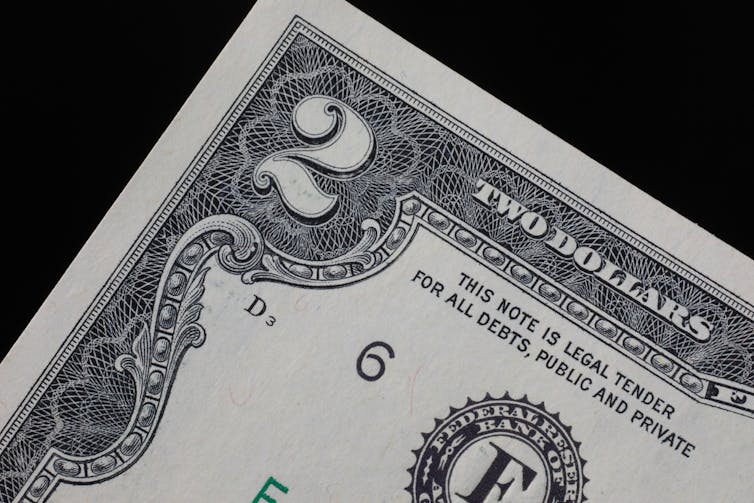
A closeup of the $2 bill and the words 'this note is legal tender for all debts, public and private'
The $2 bill may be out of widespread circulation, but it’s still legal tender. Douglas Sacha/Moment via Getty Images

What is legal tender?

Legal tender refers to money – typically coins and banknotes – that must be accepted if offered in payment of a debt.


AlsoRead...

Brandon Willington: The Marketing Entrepreneur turning heads across Australia

Brandon Willington: The Marketing Entrepreneur Turning Heads Across Australia

8 January 2026
How Turnkey Building Group Is Restoring Trust In An Industry Known For Customer Disappointment

How Turnkey Building Group Is Restoring Trust In An Industry Known For Customer Disappointment

17 December 2025

The front of every U.S. banknote states “This note is legal tender for all debts public and private.” This statement has been enshrined in federal law in various forms since the late 1800s.

The greenback is not legal tender in just the U.S. El Salvador, for example, switched from the colon, its previous currency, to the U.S. dollar in 2001. Ecuador, Panama, East Timor and the Federated States of Micronesia also all use the dollar as legal tender.

Do merchants have to accept legal tender?

But despite the definition above, legal tender doesn’t mean all businesses must accept it in payment for a good or service.

That requirement applies only to debts owed to creditors. The ability for a store to refuse cash or other legal tender is made explicit on the websites of both the U.S. Treasury, which is in charge of printing paper money and minting coins, and the Federal Reserve, which is in charge of distributing currency to the nation’s banks.

This is why many companies such as airlines accept payments exclusively by credit card, and many small retailers take only cash.

As the U.S. Treasury points out, there is “no federal statute mandating that a private business, a person or an organization must accept currency or coins as payment for goods or services. Private businesses are free to develop their own policies on whether to accept cash unless there is a state law which says otherwise.”

And this would be no different if the U.S. made bitcoin legal tender. Private businesses would not be required to accept it.

There is clearly some confusion in El Salvador over the issue, however. Its original bitcoin law, passed in June 2021, states that “every economic agent must accept bitcoin as payment when offered to him by whoever acquires a good or service.”

This led to protests and resulted in skeptcism from economists and others. As a result, El Salvador President Nayib Bukele tweeted in August that businesses did not have to accept bitcoin.
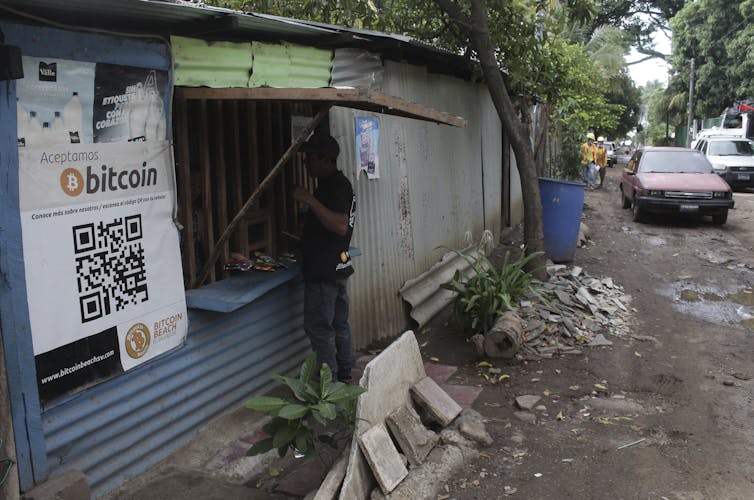
A man in Tamanique, El Salvador, makes a purchase at the opening of a small store that has a sign that says it accepts bitcoin.
Will bitcoin catch on in El Salvador? AP Photo/Salvador Melendez

Why did El Salvador make bitcoin legal tender?

El Salvador is betting that being the first to open its doors completely to bitcoin will help boost its economy.

President Bukele said he believes this will encourage investors with cryptocurrency to spend more of it in his country. He even has a plan to have El Salvador’s state-run geothermal utility use energy from the country’s volcanoes to mine bitcoin.

Creating, or mining, bitcoin takes a lot of energy, so mining makes sense only in places with cheap electricity.

The $30 given to every citizen who joins the cryptocurrency craze will temporarily stimulate the economy. However, the overall impact will likely be a short-term boost. The impact of similar payments in other countries, like COVID-19 stimulus payments, appear to end after people have spent the money. Moreover, it’s unclear El Salvador’s increasingly indebted government can even afford it.

[Insight, in your inbox each day. You can get it with The Conversation’s email newsletter.]

And the widespread adoption of bitcoin will likely take years. El Salvador has been installing 200 bitcoin ATMs to allow people to convert cryptocurrency into dollars.

Since just 30% of the Central American country’s population even has a bank account, I believe the U.S. dollar will still be used in El Salvador for a long time, even if its president wants to move toward bitcoin.

Jay L. Zagorsky, Senior Lecturer, Questrom School of Business, Boston University

This article is republished from The Conversation under a Creative Commons license. Read the original article.


Tags: SB001
DMCA.com Protection Status

SUBSCRIBE to our NEWSLETTER

[mc4wp_form id=”2384248″]

Don't Miss

Lyca Mobile Australia’s Customer-First Overhaul Pays Off with Finder Award Win

by Fazila Olla-Logday
2 February 2026
Lyca Mobile Australia's Customer-First Overhaul Pays Off with Finder Award Win
Technology

Lyca Mobile Australia’s customer-first overhaul has earned a Finder Award, recognising its improved value, service, and stronger focus on Australian...

Read moreDetails

From Driveway to Dream Court: The Rise of High-Performance Hoops at Home in 2026

by Fazila Olla-Logday
20 January 2026
The Rise of High-Performance Hoops at Home in 2026
Sport

High-performance home basketball hoops are gaining momentum in 2026, as more homeowners invest in durable, professional-grade systems that combine advanced...

Read moreDetails

Brandon Willington: The Marketing Entrepreneur Turning Heads Across Australia

by Pauline Torongo
8 January 2026
Brandon Willington: The Marketing Entrepreneur turning heads across Australia
Business & Finance

Brandon Willington, founder of “Where U?” is changing the narrative for Australian businesses tired of inconsistent leads and empty promises.

Read moreDetails

How Turnkey Building Group Is Restoring Trust In An Industry Known For Customer Disappointment

by Fazila Olla-Logday
17 December 2025
How Turnkey Building Group Is Restoring Trust In An Industry Known For Customer Disappointment
Business & Finance

Turnkey Building Group is changing the narrative in an industry often associated with missed deadlines and broken promises. By prioritizing...

Read moreDetails

Risk Awareness for International Travellers – What Australians Should Know Before Entering Multi-State Regions

by Fazila Olla-Logday
10 December 2025
Schengen
Travel

This guide helps Australian travellers understand cross-border requirements, assess political and environmental risks, manage health and safety considerations, and prepare...

Read moreDetails

The evolution of Aesthetic Surgery through the lens of Dr Kourosh Tavakoli

by Pauline Torongo
4 December 2025
The evolution of Aesthetic Surgery through the lens of Dr. Kourosh Tavakoli
Health & Wellness

As global interest in Australian cosmetic surgery continues to grow, the combination of regulation, research and emerging digital tools is...

Read moreDetails

Ryan: Building real freedom through e-commerce

by Pauline Torongo
27 November 2025
Ryan: Building real freedom through e-commerce
Business & Finance

Ryan’s greatest achievement isn’t any single business or revenue milestone — it’s the ecosystem he’s built through the Change community.

Read moreDetails
Load More

Copyright © Blue Sky Publications Ltd. All Rights Reserved.
australiantimes.co.uk is a division of Blue Sky Publications Ltd. Reproduction without permission prohibited. DMCA.com Protection Status

  • About us
  • Write for Us
  • Advertise
  • Contact us
  • T&Cs, Privacy and GDPR
No Result
View All Result
  • News
    • Weather
    • Sport
    • Technology
    • Business & Finance
      • Currency Zone
    • Lotto Results
      • The Lott
  • Lifestyle
    • Entertainment
    • Horoscopes
    • Health & Wellness
    • Recipes
  • Travel
  • Expat Life
  • Move to Australia

Copyright © Blue Sky Publications Ltd. All Rights Reserved.
australiantimes.co.uk is a division of Blue Sky Publications Ltd. Reproduction without permission prohibited. DMCA.com Protection Status

No Result
View All Result
  • News
    • Weather
    • Sport
    • Technology
    • Business & Finance
      • Currency Zone
    • Lotto Results
      • The Lott
  • Lifestyle
    • Entertainment
    • Horoscopes
    • Health & Wellness
    • Recipes
  • Travel
  • Expat Life
  • Move to Australia

Copyright © Blue Sky Publications Ltd. All Rights Reserved.
australiantimes.co.uk is a division of Blue Sky Publications Ltd. Reproduction without permission prohibited. DMCA.com Protection Status