



Mark C. Bicket, University of Michigan
The opioid crisis has resulted in more than 500,000 overdose deaths over the past two decades. The federal government, states and other entities have filed litigation against drug manufacturers, suppliers and pharmacies as one approach to address the harm and suffering caused by inappropriate opioid prescribing practices. Billions of dollars of funds have since been awarded, and more is likely to come.
To ensure these funds are used in areas relevant to opioids, policy and public health groups led by experts at Johns Hopkins University, Harvard University and other organizations have proposed frameworks detailing priorities on what to do with the money. But none of them address the needs of one critical group: patients who suffer from acute and chronic pain.
Gaps in pain care and treatment, one of the key factors that enabled inappropriate opioid prescribing in the first place, persist. I am a physician scientist specializing in pain medicine. My colleagues, law professor Barbara McQuade and anesthesiologist Chad Brummett, and I believe there are three key ways these funds could be used to improve pain treatment and address resource gaps for patients with acute and chronic pain.
1. Comprehensive pain management
There are two common types of pain. Acute pain is usually sharp and sudden. It’s the pain typically felt after a cut or an injury, and helps warn the body about tissue damage. Acute pain is very common, and generally goes away once the body heals.
Chronic pain, on the other hand, persists even after tissue has healed and the injury has resolved. When this happens, pain can transform from a symptom into a chronic disease. Many conditions can cause chronic pain, ranging from arthritis and migraines to fibromyalgia and nerve pains like sciatica and postherpetic neuralgia from shingles, among others. Why acute pain transforms into chronic pain is not always clear.
Due to a combination of factors, recent approaches to pain treatment, such as the concept of the fifth vital sign which reduced pain to a number on a scale between 0 and 10, led to an over-reliance on medications and limited approaches to treatment, all of which persist to this day. https://www.youtube.com/embed/I7wfDenj6CQ?wmode=transparent&start=0 People have different responses to different levels of pain. What may be an effective treatment for one person might not be for someone else.


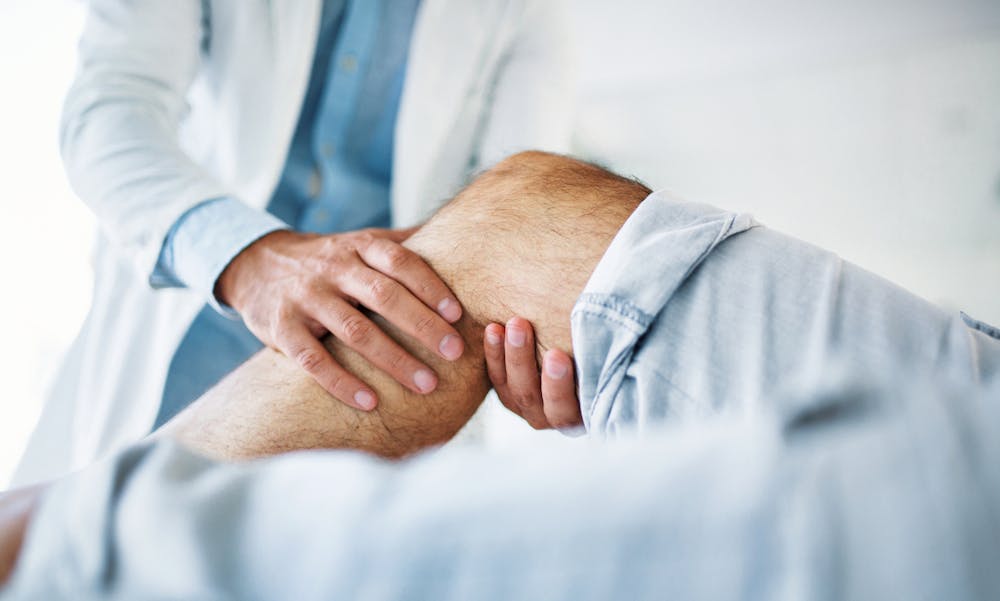
The most effective care for chronic pain, however, typically includes therapy beyond pills. Comprehensive pain management involves care from a diverse team of clinicians, such as physical therapists and pain psychologists, to name a few. It also involves a suite of treatment approaches and care methodologies, including behavioral therapy which focuses on the psychological and social aspects of pain. Complementary and integrative approaches, such as acupuncture, biofeedback and yoga, can also be combined with interventional approaches like injections, dry needling and electrical stimulation.
While the right combination of therapies depends on the individual patient, the goal is to alleviate their pain, help them regain their ability to perform everyday activities and improve their quality of life.
This multidisciplinary and multimodal approach to pain management became less common due to financial pressures after the rise of managed care in the late 1980s and early 1990s. Limited access to comprehensive pain management can lead to worse outcomes for patients. One study found that insurance policies that carve out physical therapy from pain management programs led to worse physical and psychosocial function up to one year after treatment in patients with chronic pain compared to patients whose insurance policies directly covered physical therapy.
Funding to bolster team-based and multidisciplinary approaches to treatment could not only improve care for patients in pain, but also increase their accessibility outside of academic medical centers.
2. Evidence-based care models
Translating research into evidence-based care models will help bring the best treatment approaches to patients in pain. These models of care review the evidence provided by clinical studies and implement their findings to improve patient care.
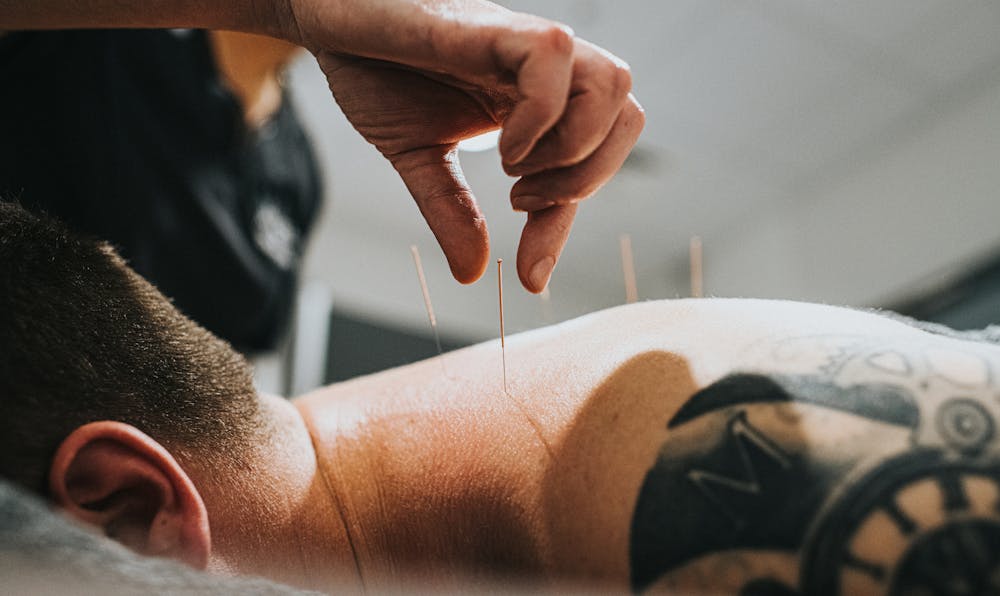
For example, there is evidence to support the use of heat therapy and acupuncture for acute lower back pain, and non-opioid pills for kidney stone pain. Yet patients may not be offered these treatments due in part to wide variation in coverage of these treatments.
Opioid prescribing represents another area where several gaps in evidence exist for their effectiveness in treating both acute and chronic pain. Until a few years ago, there was no data-driven answer as to what dose of opioids should be prescribed after common types of surgery. This was partly based on an assumption that patients needed prescription opioids after certain surgeries, which is not always the case. Building evidence-based pain management recommendations to prevent unnecessary exposure to prescription opioids remain a focus of organizations like the Michigan Opioid Prescribing Engagement Network.
3. Research on acute and chronic pain
Additional research is needed to advance therapies to treat acute and chronic pain. A recent summary of acute pain treatments noted a lack of evidence to support current therapies for patients with sickle cell, acute nerve and neck pain, among others.

The National Institutes of Health has boosted funding for research on pain and opioids in recent years via the HEAL Initiative, a program focusing on opioid addiction and pain management. In 2019, the NIH awarded US$945 million to projects on improving chronic pain treatment, reducing opioid misuse and overdose and facilitating recovery from opioid addiction. Despite this effort, however, significant gaps still exist in both lab-based and clinical pain research.
Giving patients with pain a seat at the table
The economic impact of pain has been estimated to have a more than $700 billion dollar price tag in the U.S. when adjusted for inflation. A little more than half of that amount comes from care costs, while the other half comes from reduced productivity or the inability to work.
[Over 100,000 readers rely on The Conversation’s newsletter to understand the world. Sign up today.]
Addressing gaps in addiction treatment and overdose prevention is vital to turning the tide on the opioid epidemic. But implementing even some of these three ways to improve pain care could also put a dent in how much the U.S. spends on pain. Giving patients with pain a say in how funds from the opioid lawsuits are distributed can help make sure they’re not forgotten.
Mark C. Bicket, Assistant Professor of Anesthesiology, University of Michigan
This article is republished from The Conversation under a Creative Commons license. Read the original article.







