


Michelle Lim, Macquarie University
We all know action on climate change is urgently needed. But that doesn’t mean a forest should be razed to build a wind farm. Nor should vast fields of a single crop be grown year after year – reducing the number of other species that can live there – even if the plant is used to produce renewable bio-fuel.
Climate change and biodiversity loss are the two greatest challenges to humanity and our planet. But they’re often dealt with by separate laws and policies, which can lead to perverse, unwanted outcomes.
Clearly, this siloed approach must change. This was recognised in a draft plan by the Convention on Biological Diversity, released overnight, which stated that biodiversity should not be harmed by efforts to tackle climate change.
But how do we ensure solutions to one of these wicked problems does not worsen the other? Some 50 of the world’s leading researchers on biodiversity and climate have released a report which sought to answer this question. Below, I outline the conundrums we tackled and the solutions we came up with.
A world-first collaboration
Our report, released last month, represents the first ever collaboration between the world’s largest research and policy communities on biodiversity and climate – the Intergovernmental Science-Policy Platform on Biodiversity and Ecosystem Services (IPBES) and the Intergovernmental Panel on Climate Change (IPCC).
IPBES is an independent intergovernmental body that synthesises evidence on the state of biodiversity, ecosystems and natures’ contributions to people. The IPCC is the United Nations body for assessing climate science.


The word “biodiversity” refers to the variety of living things: all the animals, plants and tiny micro-organisms on Earth, including the genetic information they contain and the ecosystems they form.
Biodiversity loss, then, is a reduction in the variety of species in an ecosystem, a geographic area or the planet as a whole. Biodiversity, including extinctions, is currently declining at rates unprecedented in human history.
There’s a growing recognition that climate, biodiversity and human well-being are inextricably linked.
To date, biodiversity loss has largely been caused by human actions which harm land, rivers and oceans. However, research suggests worsening climate change will be the main cause of global biodiversity loss this century.
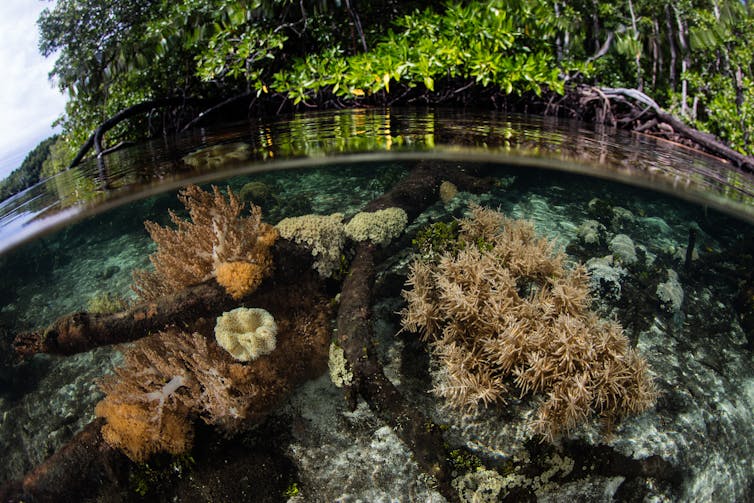
For example, climate change is causing marine heatwaves which threaten the existence of the Great Barrier Reef. Climate change also makes bushfires more intense and frequent, pushing species closer to extinction.
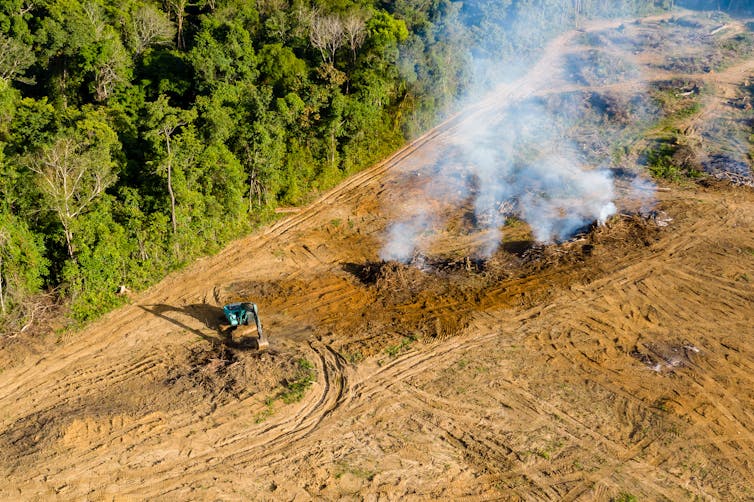
Biodiversity loss can also make climate change worse. For example, forests store large amounts of carbon, and their destruction is a key source of greenhouse gas emissions.
Robbing Peter to pay Paul
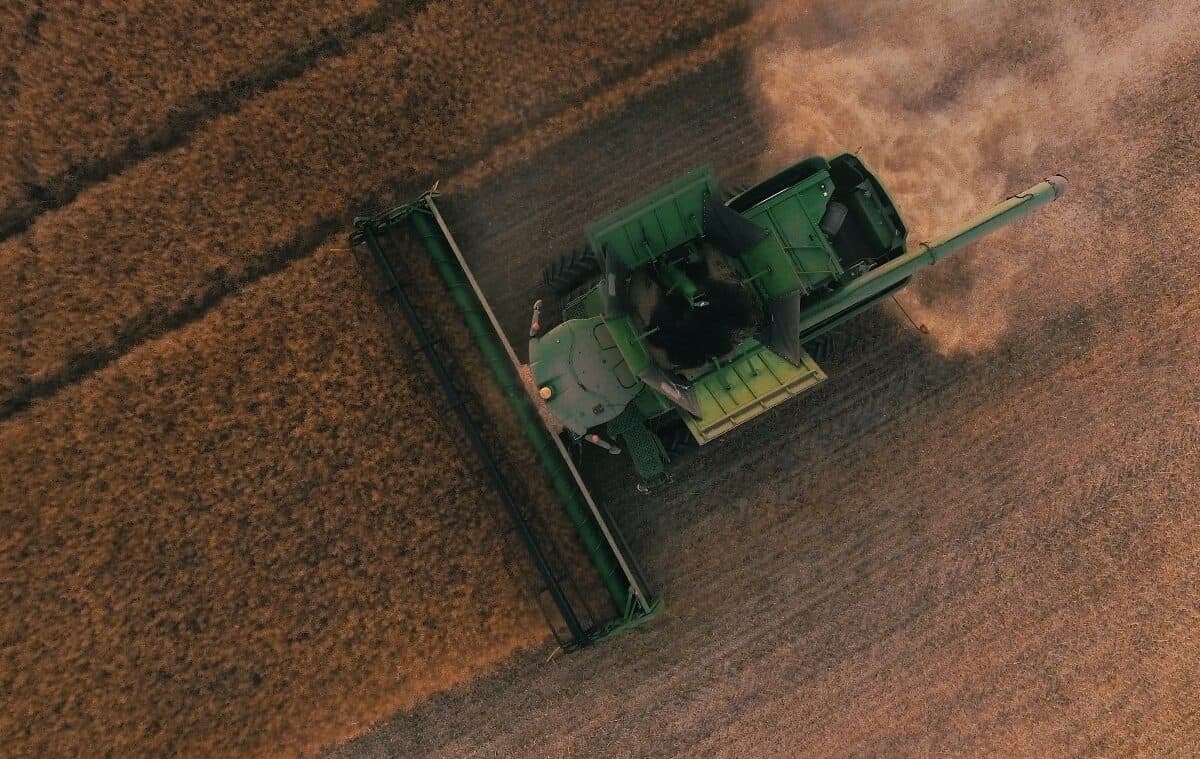
Bioenergy crops such as corn, canola and soybeans can be processed and used as a fuel for heat or energy. This can provide an alternative energy source to fossil fuels. And forest plantations storing carbon dioxide can be an effective way to reduce atmospheric carbon levels.
But these climate solutions can be bad for nature. Crop or forest monocultures greatly diminish the diversity of other plant and animal species the land can support. Such practices can also degrade ecosystems and damage native species.
Similarly, renewable energy technologies can harm biodiversity. For example, large-scale solar plants across vast areas of land can destroy animal habitat and disrupt wildlife movement.
Crucially, climate and biodiversity interventions can also be harmful to human well-being. Many communities in developing countries rely directly on nature for their everyday needs. Efforts to protect biodiversity by locking up natural areas in forest reserves can deprive local people of their lands and erode their food security.
What must be done?
Our report sets out key steps to protecting the climate, biodiversity and human well-being in unison. I outline these below.
Protect and restore carbon-rich ecosystems
This is the number one priority for joint action on climate and biodiversity. It is critical, however, that such processes involve – and consider the needs of – local communities. They must also take future climate conditions into account.
Slash carbon emissions
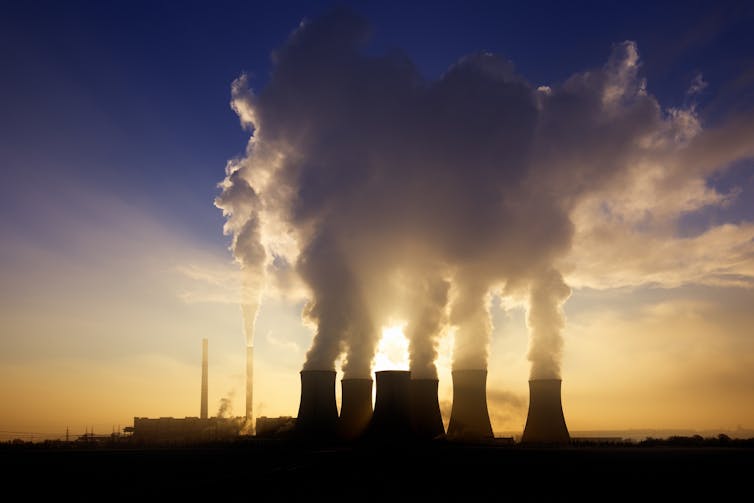
By storing carbon in forests, wetlands and other ecosystems, nature can do a lot to tackle climate change. But it can’t do everything. Ambitious reductions in greenhouse gas emissions are needed across multiple sectors of the global economy. Without this, it will be virtually impossible to restore and protect natural ecosystems.
Increase sustainable agricultural and forestry practices
Food systems contribute up to one-third of total human-caused greenhouse gas emissions. The agricultural sector must urgently reduce waste. And if humans, particularly those in rich countries, eat less meat this will also help address emissions and biodiversity loss. In the forestry sector, careful species selection and management can mitigate climate while being good for biodiversity.
Eliminate harmful subsidies
Government subsidies for activities that harm the environment, such as burning fossil fuels, should be removed.
Delivering a revolution
The above measures will not be easily achieved. And they are each contingent on revolutionary economic and societal shifts.
Unsustainable consumption and production are key causes of climate change and biodiversity loss. Our report calls for a shift in individual and societal values away from materialism. We must also challenge the dominant worldview which equates continuous economic growth with human well-being.
Justice and equity must be at the centre of our new ways of being. Indigenous and local communities should lead the stewardship of forest, lands and seas. And system-wide change should not disproportionately impact the already disadvantaged.
And all this will require coordinated action at local, national and global scales. This must integrate multiple knowledge systems and worldviews.
A bright future for people and nature is possible. But achieving win-wins across climate, biodiversity and society requires urgent, transformative and just action which addresses not only the symptoms, but the causes of our greatest problems.
Michelle Lim, Senior Lecturer, Macquarie Law School, Macquarie University
This article is republished from The Conversation under a Creative Commons license. Read the original article.







