• Advertise
  • About us
  • Terms and Conditions
  • Contact us
Thursday, May 14, 2026
Australian Times News
  • News
    • Weather
    • Sport
    • Technology
    • Business & Finance
      • Currency Zone
    • Lotto Results
      • The Lott
  • Lifestyle
    • Entertainment
    • Horoscopes
    • Health & Wellness
    • Recipes
  • Travel
  • Expat Life
  • Move to Australia
No Result
View All Result
  • News
    • Weather
    • Sport
    • Technology
    • Business & Finance
      • Currency Zone
    • Lotto Results
      • The Lott
  • Lifestyle
    • Entertainment
    • Horoscopes
    • Health & Wellness
    • Recipes
  • Travel
  • Expat Life
  • Move to Australia
No Result
View All Result
Australian Times News
No Result
View All Result
Home News

Amazon found destroying unsold stock – would better accounting practices help?

A recent undercover investigation in an Amazon warehouse in Dunfermline, Scotland, reported the disposal of more than 130,000 “new or lightly used” objects in a single week in just that one location.

The Conversation by The Conversation
29-06-2021 09:17
in News
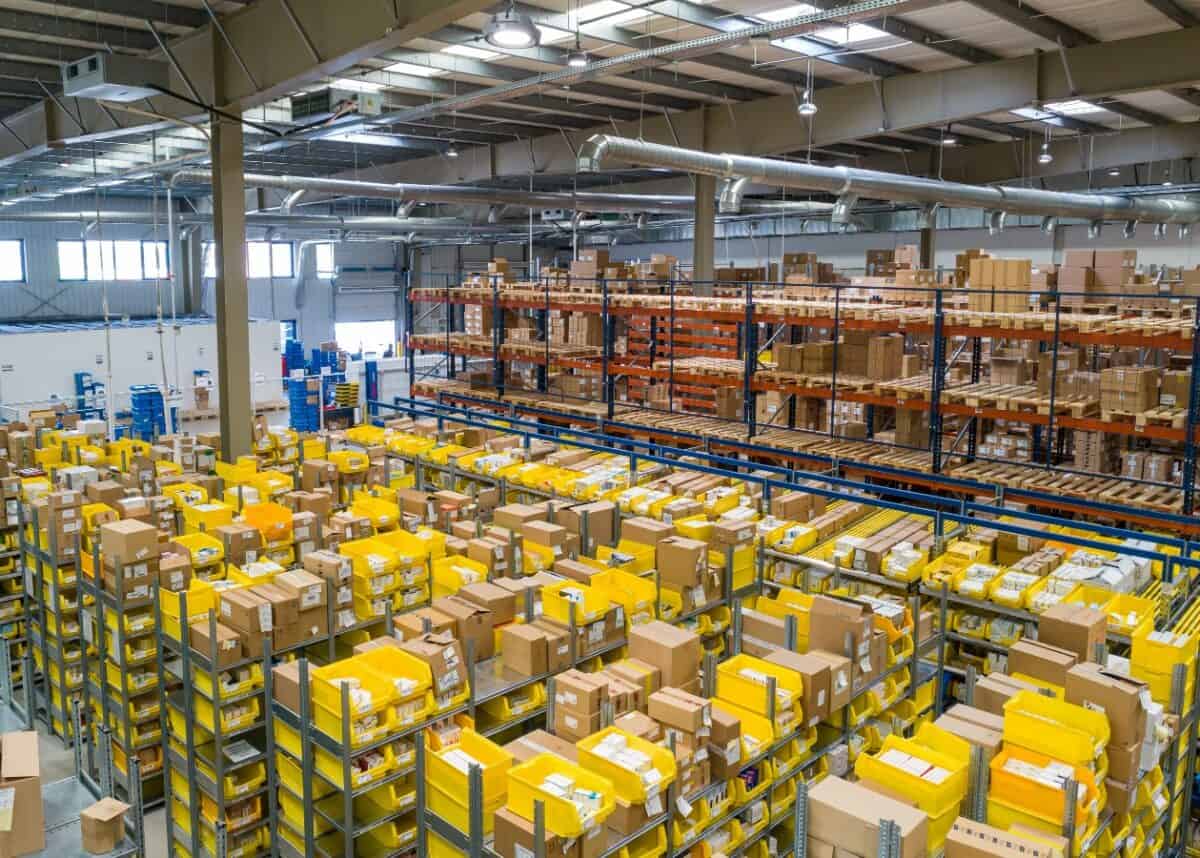
Photo by Adrian Sulyok on Unsplash

Photo by Adrian Sulyok on Unsplash

Lucy Wishart, University of St Andrews

A recent undercover investigation in an Amazon warehouse in Dunfermline, Scotland, reported the disposal of more than 130,000 “new or lightly used” objects in a single week in just that one location. Public outrage was clear. Questions were asked about how Amazon could be so wasteful and why weren’t the usable objects sent to those in need?

Amazon responded to the ITV investigation by saying it is “working towards a goal of zero product disposal”, and that “no items are sent to landfill in the UK”. UK business secretary Kwasi Kwarteng responded to the warehouse story with “surprise” implying that this waste was unexpected (both Amazon and the Scottish government have circular economy strategies designed to limit waste to landfill). The Amazon whistleblower behind the story claimed “there’s no rhyme or reason to what gets destroyed” suggesting this “surprise” waste was the consequence of a disorganised system.

But waste doesn’t just happen. Trash is the result of socio-cultural acts of classification in which objects are considered valueless within a particular context. Organisations classify objects within financial accounts. From an accounting perspective, the waste in the Amazon warehouse was neither disorganised nor unexpected but rather was a predictable consequence of accounting designed for a linear economy.

Most objects in financial accounts are classified as stock, a type of asset. Stocks depreciate in value over time, until ultimately – when cost of storage outweighs potential return – that unsold stock becomes a liability. Organisations can choose how to dispose of their liabilities but, in balance-book terms, the stock has become waste: worthless objects to be discarded (in the cheapest possible way).

Society is producing more waste every year and yet, for most of us, that waste remains out of sight. Most wealthy countries have designed waste management systems that remove perceived worthless objects from our economy quickly and cheaply.

The efficiency of these hidden waste management systems is reflected in financial accounts. Traditional waste infrastructure (landfill and materials recovery facilities) is accessible and reliable enough to still be the cheapest disposal option for many organisations, despite landfill taxes designed to encourage alternative paths for unwanted objects.


AlsoRead...

Svitla Systems

Svitla Systems acquires Australia’s Kiandra IT to expand Global Engineering Footprint and Accelerate AI-Driven delivery

11 May 2026
How Clevero is helping Australian Service Businesses compete with Enterprises on a Fraction of the Budget

How Clevero is helping Australian Service Businesses compete with Enterprises on a Fraction of the Budget

28 April 2026
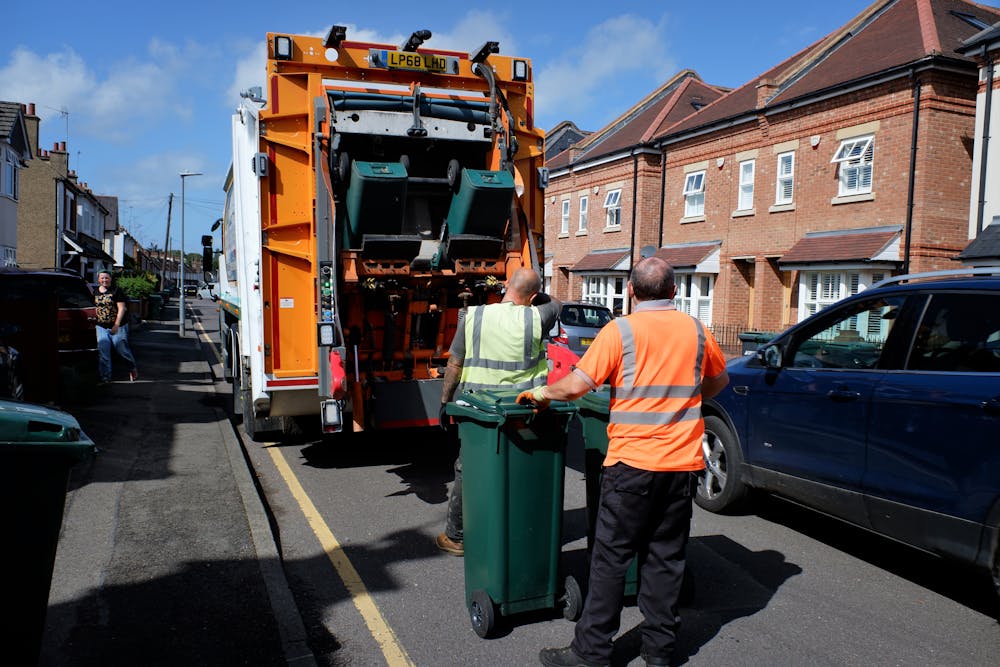
Two men load bins onto a lorry
Most people in wealthy countries never have to think about where their waste goes. Peter_Fleming / shutterstock

What makes the Amazon case particularly alarming is the volumes of waste involved (several million tonnes a year by some estimates). Importantly most of this waste is not from Amazon’s own retail business, but rather the unwanted stock from some of the thousands of smaller organisations that use Amazon as a retail platform and distributor. The waste generated by financial accounting is a systemic problem.

The low cost of landfill disposal is another example of the now well-recognised failure of financial accounts to capture negative environmental consequences. However, in the case of waste disposal, it is not necessarily that alternatives to landfill or recycling cost more. Rather, the associated costs (such as the markets for reuse) are unknown and so difficult to include within financial accounts.

Accounting in a circular economy

We should encourage a transition from a linear to more circular economy, in which resources are reused and the need for landfill largely eliminated. To do this, we must begin to understand the financial costs associated with recycling and reuse, how objects retain some value beyond an individual organisational context and how this value might be reported within accounts. We need to envisage a system of accounting for circularity.

Accounting for circularity will inevitably require organisations to produce social and environmental reports in addition to financial accounts, and a recognition that organisations cannot become circular on their own. Accounting in a circular economy requires collaborative accounts between organisations that transcend traditional boundaries and extend across supply chains to consider value in production and consumption systems.

Through these accounts we can begin to make waste visible, identify ecological limits to consumption and challenge those organisations and organisational practices that test those limits. In the case of Amazon, this might involve both the platform (Amazon) and its sellers collaborating on publicly available accounts that capture the material value of excess stock.

Efforts to account for the material flow within our production and consumption system are being pursued and Scotland, where I work and the Amazon warehouse is located, is leading the way. This week Zero Waste Scotland publicised its report which found that the total weight of resources used in 2017 by individual Scots (18.4 tonnes) was more than double predicted sustainable levels (8 tonnes). Work is still required to understand the contribution of organisational practices to this national material flow.

Scotland’s proposed Circular Economy Bill – including mandatory reporting of business waste – was put on hold indefinitely in light of the pandemic. However, the Amazon warehouse exposé reinforces that accounting for waste should be put back on the legislative agenda.

Lucy Wishart, Associate Lecturer, University of St Andrews

This article is republished from The Conversation under a Creative Commons license. Read the original article.


Tags: SB001
DMCA.com Protection Status

SUBSCRIBE to our NEWSLETTER

[mc4wp_form id=”2384248″]

Don't Miss

Svitla Systems acquires Australia’s Kiandra IT to expand Global Engineering Footprint and Accelerate AI-Driven delivery

by Pauline Torongo
11 May 2026
Svitla Systems
Business & Finance

Acquisition marks Svitla’s entry into the Australian market and strengthens capabilities in low-code, Microsoft technologies, and enterprise software engineering.

Read moreDetails

Residential Healthcare Practices: Revolution or Evolution?

by Pauline Torongo
11 May 2026
Residential Healthcare Practices: Revolution or Evolution?
Lifestyle

President Bill Lutz’s "revolution" was born from his background in fine dining, which instilled a disciplined, customer-focused approach.

Read moreDetails

Medicana Health Group launches HPV vaccination campaign to support cervical cancer prevention

by Pauline Torongo
28 April 2026
Medicana Health Group launches HPV vaccination campaign to support cervical cancer prevention
Health & Wellness

The Türkiye-based healthcare group has introduced a new awareness campaign focused on HPV vaccination, regular check-ups and early detection, with...

Read moreDetails

How Clevero is helping Australian Service Businesses compete with Enterprises on a Fraction of the Budget

by Pauline Torongo
28 April 2026
How Clevero is helping Australian Service Businesses compete with Enterprises on a Fraction of the Budget
Business & Finance

By consolidating CRM, scheduling, workflow automation, invoicing, reporting, and client communications into a single platform, Clevero gives smaller operators the...

Read moreDetails

How CJAM Group is building 1,100 homes across Southeast Queensland

by Pauline Torongo
24 March 2026
How CJAM Group is building 1,100 homes across Southeast Queensland
Lifestyle

The CJAM Group founder is quietly building a 1,100+ home pipeline, with projects in Hervey Bay and Toowoomba, using a...

Read moreDetails

Design Without Compromise: Where Gutter Protection Meets Modern Architecture

by Fazila Olla-Logday
20 March 2026
Design Without Compromise: Where Gutter Protection Meets Modern Architecture
Business & Finance

Design without compromise by integrating gutter protection seamlessly into modern architecture. Discover how innovative gutter systems enhance your home’s aesthetics...

Read moreDetails

How WageSafe Secured Australia’s Most Reputable Retail Business Among Its Premium Clients

by Fazila Olla-Logday
12 March 2026
How WageSafe Secured Australia’s Most Reputable Retail Business Among Its Premium Clients
at

Learn how WageSafe helps businesses stay compliant with payroll and wage regulations through reliable monitoring, risk management, and expert support—protecting...

Read moreDetails
Load More

Copyright © Blue Sky Publications Ltd. All Rights Reserved.
australiantimes.co.uk is a division of Blue Sky Publications Ltd. Reproduction without permission prohibited. DMCA.com Protection Status

  • About us
  • Write for Us
  • Advertise
  • Contact us
  • T&Cs, Privacy and GDPR
No Result
View All Result
  • News
    • Weather
    • Sport
    • Technology
    • Business & Finance
      • Currency Zone
    • Lotto Results
      • The Lott
  • Lifestyle
    • Entertainment
    • Horoscopes
    • Health & Wellness
    • Recipes
  • Travel
  • Expat Life
  • Move to Australia

Copyright © Blue Sky Publications Ltd. All Rights Reserved.
australiantimes.co.uk is a division of Blue Sky Publications Ltd. Reproduction without permission prohibited. DMCA.com Protection Status

No Result
View All Result
  • News
    • Weather
    • Sport
    • Technology
    • Business & Finance
      • Currency Zone
    • Lotto Results
      • The Lott
  • Lifestyle
    • Entertainment
    • Horoscopes
    • Health & Wellness
    • Recipes
  • Travel
  • Expat Life
  • Move to Australia

Copyright © Blue Sky Publications Ltd. All Rights Reserved.
australiantimes.co.uk is a division of Blue Sky Publications Ltd. Reproduction without permission prohibited. DMCA.com Protection Status