


Carla Archibald, Deakin University; Eduardo van den Berg, Federal University of Lavras, and Jonathan Rhodes, The University of Queensland
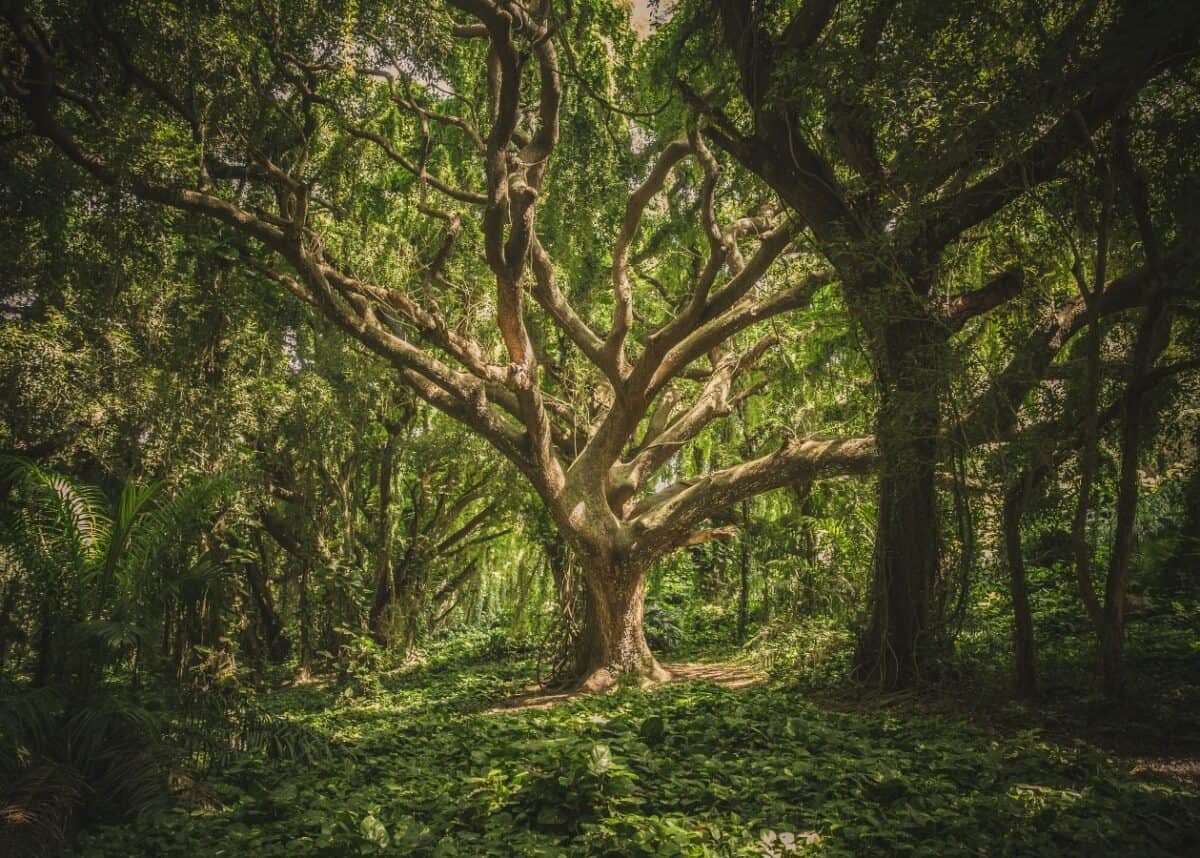
Vast, treeless paddocks and fields can be dangerous for wildlife, who encounter them as “roadblocks” between natural areas nearby. But our new research found even one lone tree in an otherwise empty paddock can make a huge difference to an animal’s movement.
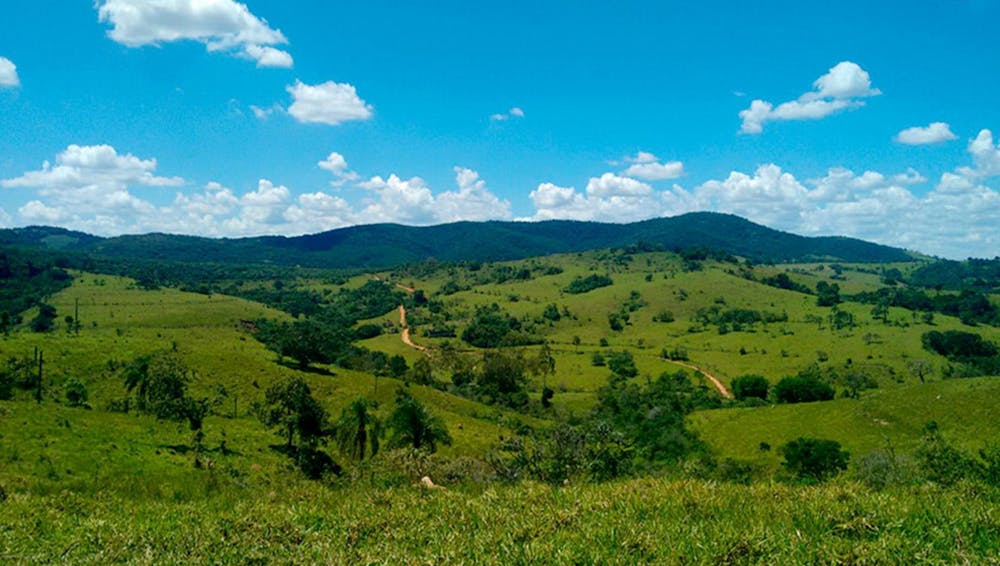
We focused on the Atlantic Forest in Brazil, a biodiversity hotspot with 1,361 different known species of wildlife, such as jaguars, sloths, tamarins and toucans. Habitat loss from expanding and intensifying farmland, however, increasingly threatens the forest’s rich diversity of species and ecosystems.
We researched the value of paddock trees and hedges for birds and bees, and found small habitat features like these can double how easily they find their way through farmland.
This is important because enabling wildlife to journey across farmlands not only benefits the conservation of species, but also people. It means bees can improve crop pollination, and seed-dispersing birds can help restore ecosystems.
Connecting habitats
Lone trees in paddocks, hedges and tree-lined fences are common features of farmlands across the world, from Brazil to Australia.
They may be few and far between, but this scattered vegetation makes important areas of refuge for birds and bees, acting like roads or stepping stones to larger natural habitats nearby.


Scattered paddock trees, for instance, offer shelter, food, and places to land. They’ve also been found to create cooler areas within their canopy and right beneath it, providing some relief on scorching summer days.
Hedges and tree-lined fences are also important, as they provide a safe pathway by providing hiding places from predators.
For our research, we used satellite images of the Atlantic Forest and randomly selected 20 landscapes containing different amounts of forest cover.
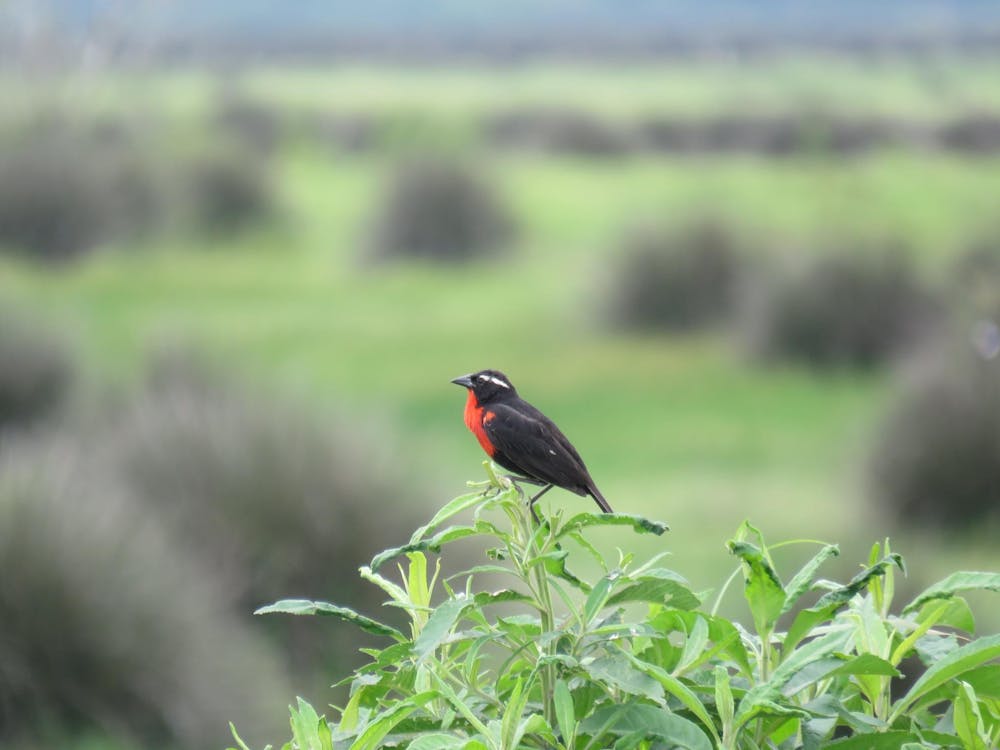
We then used mathematical models to calculate the habitat connectivity of these landscapes for three groups of species — bees, small birds such as the rufous-bellied thrush, and large birds such as toucans — based on how far they can travel.
And we found in areas with low forest cover, wildlife is twice as likely to move from one natural habitat to another if paddock trees and hedges can be used as stepping stones.
We also found vegetation around creeks and waterways are the most prevalent and important type of on-farm habitat for wildlife movement. In Brazil, there are legal protections for these areas preventing them from being cleared, which means vegetation along waterways has become relatively common compared to lone trees and hedges, in places with lower forest cover.
Insights for Australia
While the contribution of lone trees, hedges and tree-lined fences towards conservation targets is relatively low, our research shows they’re still important. And we can apply this knowledge more widely.
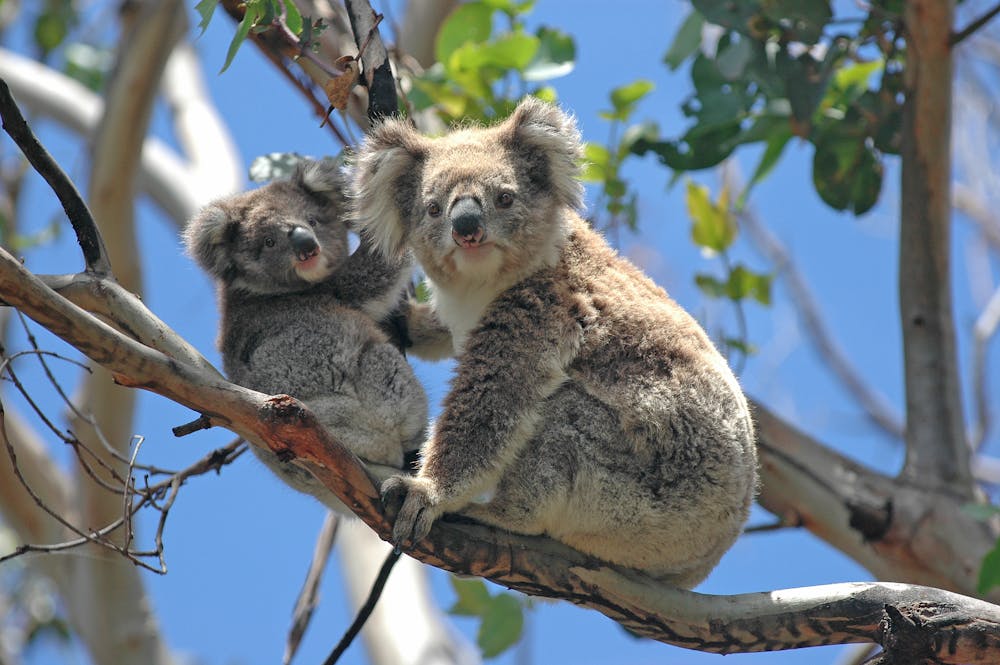
For example, in Australia, many koala populations depend on scattered trees for movement and habitat. In 2018, CSIRO researchers in Queensland tracked koalas using GPS, and found koalas used roadside vegetation and scattered trees for feeding and resting significantly more than they expected.
Likewise, lone trees, hedges and tree-lined fences can also facilitate the movement of Australian fruit-eating birds such as the olive-backed oriole and the rose-crowned fruit dove. Improving habitat connectivity can help these birds travel across landscapes, feeding and dispersing seeds as they go.
In fragmented landscapes, where larger patches of vegetation are hard to find, dispersing the seeds of native plants encourages natural regeneration of ecosystems. This is a key strategy to help achieve environmental restoration and conservation targets.
Policies overlook lone trees
In Brazil, there’s a strong initiative to restore natural areas, known as the Brazilian Pact for Restoration. This pact is a commitment from non-government organisations, government, companies and research centres to restore 15 million hectares of native vegetation by 2050.
However, the pact doesn’t recognise the value of lone trees, hedges and tree-lined fences.
Likewise, the Brazilian Forest Code has historically provided strong legal protection for forests since it was introduced. While this policy does value vegetation along waterways, it overlooks the value of lone trees, hedges or tree-lined fences.
These oversights could result in poor connectivity between natural areas, seriously hampering conservation efforts.
Australia doesn’t fare much better. For example, in Queensland, the native vegetation management laws protect only intact native vegetation or vegetation of a certain age. This means scattered, but vital, vegetation isn’t protected from land clearing.
Helping your local wildlife
But farmers and other landowners in Australia can make a big difference through land stewardship grant schemes (such as from Landcare) and private land conservation programs (such as Land for Wildlife or conservation covenants).
These schemes and programs can help landowners finance revegetation and protect native vegetation. Grants and programs vary by state and territory, and local council.
Restoring natural areas is a key goal on the global conservation agenda for the next decade, and it’s clear that lone trees, hedges and tree-lined fences on farms may play a larger role than once thought.
So think twice before you remove a tree or a hedge. It might be a crucial stepping stone for your local birds and bees.
The authors gratefully acknowledge the contributions of Dr Flávia Freire Siqueira who led this research collaboration, and co-authours Dr Dulcineia de Carvalho and Dr Vanessa Leite Rezende from the Federal University of Lavras.
Carla Archibald, Research Fellow, Conservation Science, Deakin University; Eduardo van den Berg, , Federal University of Lavras, and Jonathan Rhodes, Associate Professor, The University of Queensland
This article is republished from The Conversation under a Creative Commons license. Read the original article.







