

• Advertise
  • About us
  • Terms and Conditions
  • Contact us
Friday, August 14, 2026
Australian Times News
  • News
    • Weather
    • Sport
    • Technology
    • Business & Finance
      • Currency Zone
    • Lotto Results
      • The Lott
  • Lifestyle
    • Entertainment
    • Horoscopes
    • Health & Wellness
    • Recipes
  • Travel
  • Expat Life
  • Move to Australia
No Result
View All Result
  • News
    • Weather
    • Sport
    • Technology
    • Business & Finance
      • Currency Zone
    • Lotto Results
      • The Lott
  • Lifestyle
    • Entertainment
    • Horoscopes
    • Health & Wellness
    • Recipes
  • Travel
  • Expat Life
  • Move to Australia
No Result
View All Result
Australian Times News
No Result
View All Result
Home News

Australia has all but abandoned the COVIDSafe app in favour of QR codes (so make sure you check in)

The COVIDSafe app was pretty popular upon its release, with around 70% of surveyed Australians saying they supported the idea. And it was a good idea at the time. Now? Not so much.

The Conversation by The Conversation
01-06-2021 22:05
in News
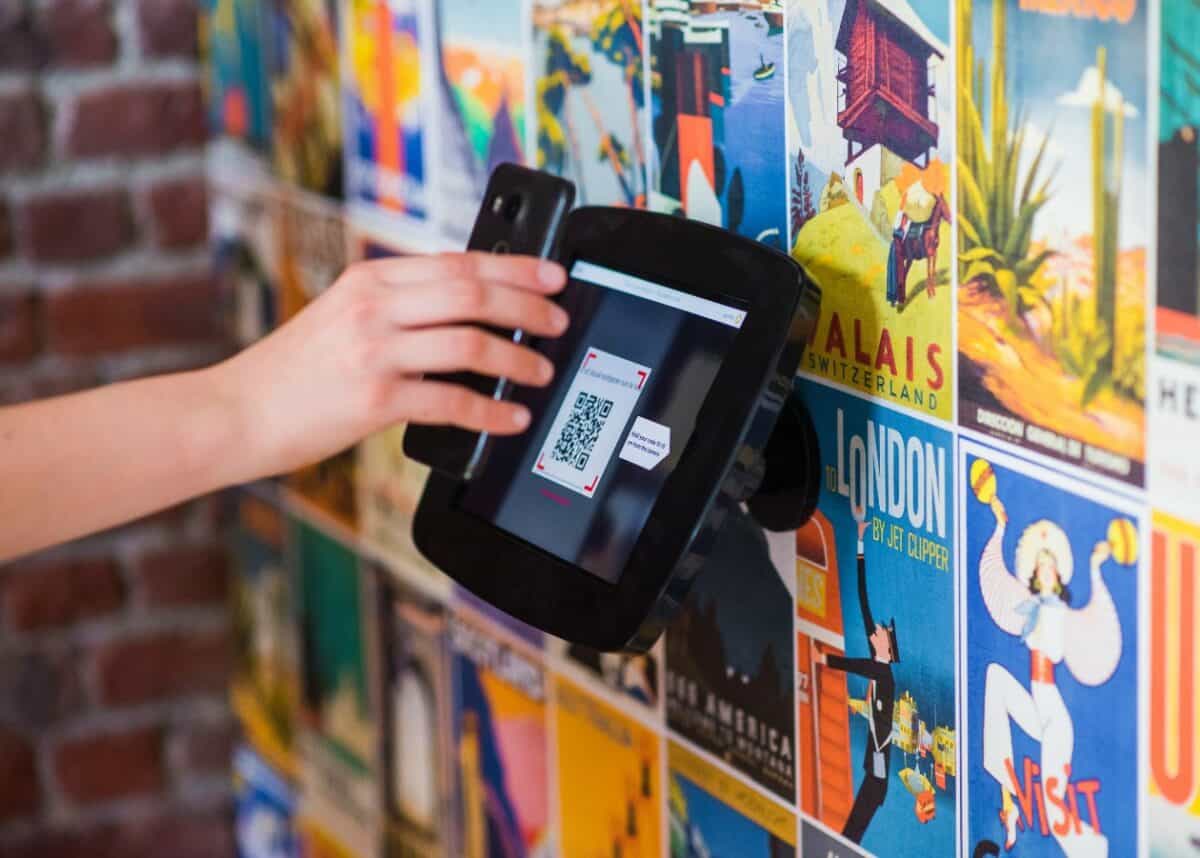
Photo by Proxyclick Visitor Management System on Unsplash

Photo by Proxyclick Visitor Management System on Unsplash

Paul M. Garrett, The University of Melbourne and Simon J Dennis, The University of Melbourne

The COVIDSafe app was pretty popular upon its release, with around 70% of surveyed Australians saying they supported the idea. And it was a good idea at the time. Now? Not so much.

Actual uptake was never high. By May last year, only 44% of those surveyed had actually downloaded it. Plenty on social media are now saying they’ve all but abandoned COVIDSafe in favour of the QR code check-ins done via, for example, the Victorian government app or the Service NSW app.

And when Victoria’s health minister Martin Foley was asked this week whether the COVIDSafe app had been used in responding to the latest outbreak, he said:

No. Not to my knowledge, and I’m sure in such a rare event it would have been brought to my attention.

For now, it seems the benefits to Australia’s public health may be better served by other technology, such as QR code check-ins. And the public cost of maintaining the COVIDSafe app may not be in our collective interest.

Was COVIDSafe a failure?

COVIDSafe was supposed to work by using Bluetooth technology to create an anonymous registry of close contacts (other app users). If one of your close contacts self-identified as having COVID-19 through the app, government contact tracers would be alerted and notify you to get tested and isolate, before starting manual contact tracing efforts.

It’s clear COVIDSafe didn’t live up to the hype, but understanding why may be more difficult than you might think.


AlsoRead...

Managing Aussie Share Portfolios Abroad: Tips for Growth

Managing Aussie Share Portfolios Abroad: Tips for Growth

2 July 2026
The New Meaning of Luxury: Lessons from Entrepreneur Chloe Hardy

The New Meaning of Luxury: Lessons from Entrepreneur Chloe Hardy

2 July 2026

Australia may be a victim of its own success in keeping the outbreak at bay. Having successfully suppressed the spread of COVID-19, the benefits of using COVIDSafe may not outweigh data privacy and security concerns many people had about it.

Even in places around the world where case numbers have been relatively high, this never guaranteed that a COVIDSafe-style contact tracing app would be widely used.

For example, Germany showed similar levels of app approval to Australia, but had similarly poor uptake of their CORONA-Warn App, even when their case numbers exceeded 30,000 per day.


And a large part of why QR scanning technology works is because we are reminded to use it when we enter a shop, restaurant or school. But there are no public reminders about COVIDSafe, and no consequences to not using it (whereas some — although by no means all — venues won’t let you in unless you can show you’ve checked in via a QR code scan).

Finally, there is no incentive to use COVIDSafe without public compliance. Without widespread support, COVIDSafe fails as a technology (it only works if others are using it in your proximity) and as a socially desirable behaviour (we often act and do things so as to fit in with our peers). This “social license” is necessary for any voluntary measure to be effective, and right now COVIDSafe doesn’t have it.

QR code scan tech and Google location services

Human memories are prone to making errors, with people wrong about where they were about a third of the time. The cost of a memory error is high during a pandemic and misremembering which shopping centre you visited could have dire consequences.

This is why the QR code scan system works well. They are a reliable way to track where you have been, you’re constantly reminded to use it and you get notifications if you visited an exposure site.

There are, of course, gaps. Not all venues or places require QR codes because it is impractical, and the use of QR check-ins is not uniformly enforced.

If, like many people, you keep your phone’s location services on, that provides a back-up plan. You can easily download your location history and take a digital walk through your past week, month or year, identifying where you were down to the minute. And there are services like unforgettable.me that provide more detailed information from multiple sources, combining your location data with messages, emails, and weather forecasts.

So, does Australia still need COVIDSafe?

Well, we need some sort of help to prevent memory errors that put others at risk. Overwhelmingly, people are more concerned about the health of others than themselves. What’s important is to remind others to use these technology aids, and highlight the public benefit of using them.

For now, it seems QR code check-ins are providing more benefit than COVIDSafe.

So if you are not using COVIDSafe, rest assured you’re not the only one. But there is still technology that helps you remember where you’ve been and when. That helps keep you and your loved ones safe and well.


Paul M. Garrett, Post Doctoral Research Fellow, The University of Melbourne and Simon J Dennis, Director of Complex Human Data Hub and Professor of Psychology, The University of Melbourne

This article is republished from The Conversation under a Creative Commons license. Read the original article.


Tags: SB001
DMCA.com Protection Status

SUBSCRIBE to our NEWSLETTER

[mc4wp_form id=”2384248″]

Don't Miss

Why Smarter Fleet Management Is For All Modern Business Options

by Fazila Olla-Logday
29 July 2026
Smarter Fleet Management
Motoring

Operating a business that relies on vehicles is harder than ever.

Read moreDetails

Animal Communication Goes Beyond What Science Can Currently Measure: Zoologist and Spiritual teacher Artemis, the heart whisperer on what the textbooks don’t teach

by Australian Times
7 July 2026
Animal Communication Goes Beyond What Science Can Currently Measure
Lifestyle

Animal communication classes and formal training can be valuable, providing tools, structure, and guidance.

Read moreDetails

Managing Aussie Share Portfolios Abroad: Tips for Growth

by Fazila Olla-Logday
2 July 2026
Managing Aussie Share Portfolios Abroad: Tips for Growth
at

Unlock the secrets to optimizing your Aussie share portfolios abroad. Discover essential tips for growth and navigate the global market...

Read moreDetails

The New Meaning of Luxury: Lessons from Entrepreneur Chloe Hardy

by Pauline Torongo
2 July 2026
The New Meaning of Luxury: Lessons from Entrepreneur Chloe Hardy
Business & Finance

Chloe Hardy, the founder and CEO of Dupes & Co established an Australian-made beauty brand focused on affordability and product...

Read moreDetails

Excel Funding Group emerges as Specialist in SMSF Property Lending amid growing demand

by Pauline Torongo
26 June 2026
Excel Funding Group emerges as Specialist in SMSF Property Lending amid growing demand
Business & Finance

Excel Funding Group has hit a new milestone, tripling its SMSF loan settlement volumes compared to Q1 2025.

Read moreDetails

Svitla Systems acquires Australia’s Kiandra IT to expand Global Engineering Footprint and Accelerate AI-Driven delivery

by Pauline Torongo
11 May 2026
Svitla Systems
Business & Finance

Acquisition marks Svitla’s entry into the Australian market and strengthens capabilities in low-code, Microsoft technologies, and enterprise software engineering.

Read moreDetails

Residential Healthcare Practices: Revolution or Evolution?

by Pauline Torongo
11 May 2026
Residential Healthcare Practices: Revolution or Evolution?
Lifestyle

President Bill Lutz’s "revolution" was born from his background in fine dining, which instilled a disciplined, customer-focused approach.

Read moreDetails
Load More

Copyright © Blue Sky Publications Ltd. All Rights Reserved.
australiantimes.co.uk is a division of Blue Sky Publications Ltd. Reproduction without permission prohibited. DMCA.com Protection Status

  • About us
  • Write for Us
  • Advertise
  • Contact us
  • T&Cs, Privacy and GDPR
No Result
View All Result
  • News
    • Weather
    • Sport
    • Technology
    • Business & Finance
      • Currency Zone
    • Lotto Results
      • The Lott
  • Lifestyle
    • Entertainment
    • Horoscopes
    • Health & Wellness
    • Recipes
  • Travel
  • Expat Life
  • Move to Australia

Copyright © Blue Sky Publications Ltd. All Rights Reserved.
australiantimes.co.uk is a division of Blue Sky Publications Ltd. Reproduction without permission prohibited. DMCA.com Protection Status

No Result
View All Result
  • News
    • Weather
    • Sport
    • Technology
    • Business & Finance
      • Currency Zone
    • Lotto Results
      • The Lott
  • Lifestyle
    • Entertainment
    • Horoscopes
    • Health & Wellness
    • Recipes
  • Travel
  • Expat Life
  • Move to Australia

Copyright © Blue Sky Publications Ltd. All Rights Reserved.
australiantimes.co.uk is a division of Blue Sky Publications Ltd. Reproduction without permission prohibited. DMCA.com Protection Status





