


Ruth Steiner, University of Florida
Congress now has control over what kind of commute – good, bad, awful – workers returning to offices in the U.S. will have.
President Joe Biden’s American Jobs Plan, released in March 2021, includes US$85 billion for city transit agencies to improve their systems by purchasing new buses and train cars and maintaining subway stations and tracks.
If passed in Congress, the dollars would explicitly build on the relief already provided to cities in last year’s American Rescue Plan, according to the White House. That coronavirus relief bill, passed in March 2020, kept fare-starved buses, trains and subways running throughout the pandemic, often with scaled-back service, helping millions of U.S. workers to reach jobs providing essential services. The money covered payroll, rider safety measures and pandemic protective equipment for drivers.
Each of these bills supports public transit systems in different but critical ways. U.S. transit agencies have always maintained a delicate balance in how they spend scarce taxpayer money, between operations and capital investment.
In practice, both are necessary to keep subway and bus systems running – and as a scholar of urban planning who studies transportation systems, I emphasize the necessity of reliable mass transit to revitalize American cities post-pandemic.
Languishing systems
Even before COVID-19, transit agencies lacked the money to maintain their systems.


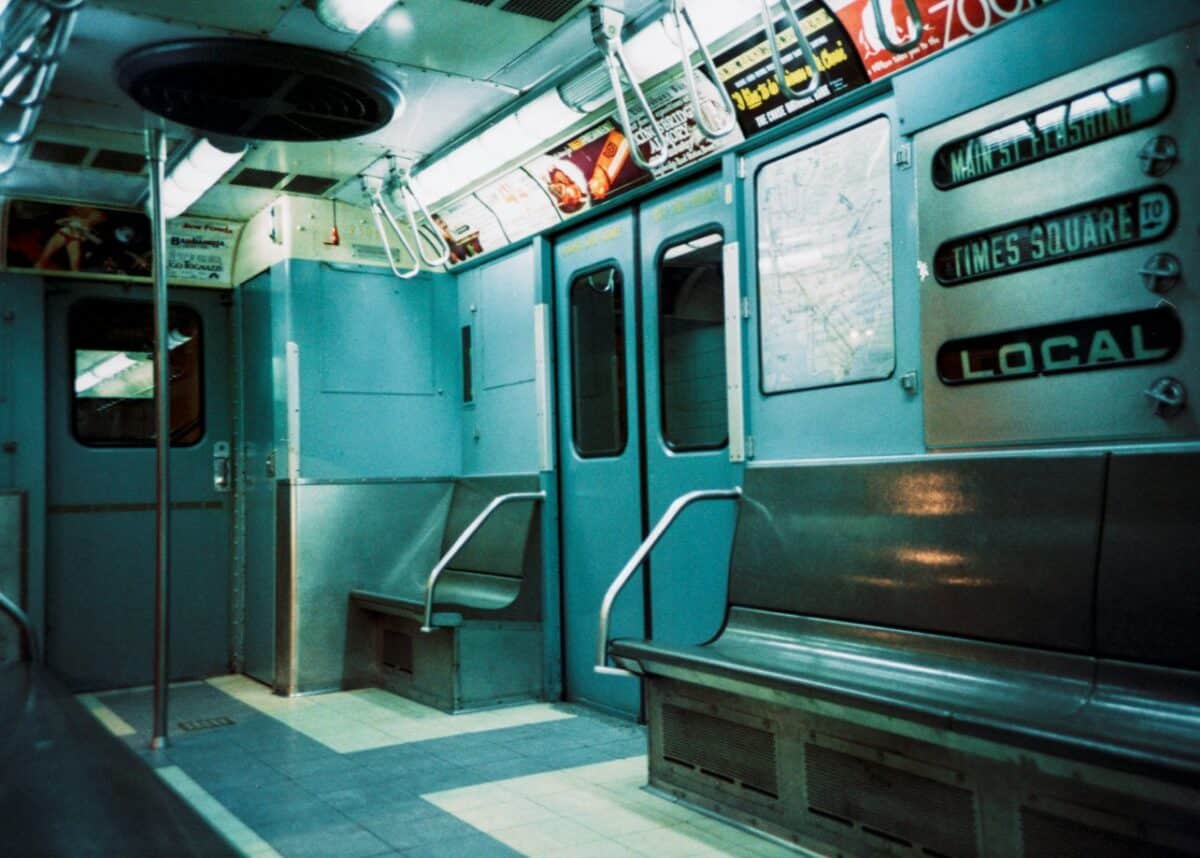
In a recent report the American Society of Civil Engineers gave a D minus to American transit infrastructure. The country’s aging “fixed-rail” systems, a category that includes subways, commuter rail and light rail, are in chronic disrepair. Boston’s subway system opened in 1897 and others shortly thereafter, or in the 1960s and 1970s. Over time, these systems require more investment just to maintain reliable service.
During recessions, however, many have foregone it out of financial necessity. And starting around 2014, transit agencies saw declining ridership – and resulting revenue decreases – as on-demand services like Uber and Lyft expanded nationwide.
The American Society of Civil Engineers documented the predictable consequences. The industry has $176 billion in needed investments that is expected to grow to $250 billion by 2029. Currently, 19% of transit vehicles and 6% of tracks and tunnels are rated in “poor condition.”
Essential service for all workers
The pandemic further upset the fragile financial balance of American mass transit.
Ridership on subways, trains and buses nationwide plummeted 80% during April 2020 as people who could work remotely did. Large-scale events, like sports and concerts, were canceled. People increasingly ordered goods online.

Some people – those who deliver goods, pick up trash and take care of patients – never stopped reporting to work during the pandemic. Other essential workers, such as construction and restaurant staff, soon resumed on-site work. But cities saw much less daily movement of people.
Studies suggest that the sharpest decline in transit ridership occurred in regions with higher percentages of white, educated and high-income workers. Regions with more jobs in trade, transportation and utilities saw lower declines. So did transit systems in the South, where a higher percentage of riders may be essential workers.
Less money from fares was compounded by reductions to the various local and state taxes and other revenue sources that help support transit operations. New York’s Metropolitan Transportation Authority says it will require an additional $8 billion through 2024 to avoid service cuts and layoffs.
Everyone wants good transit
Many essential workers are what transportation planners often refer to as “captive riders” – they have to use public transit. They contrast with higher-income “choice riders,” who sometimes own cars.
This longstanding distinction between “captive” and “choice” transit riders, however, ignores that most people who live in cities want affordable and convenient ways to reach a diversity of destinations, not just their offices but also shops, their friends’ houses, parks and theaters.
Ultimately, how urbanites get to those places depends on where they live. According to a survey of 3,000 transit riders nationwide conducted by the New York nonprofit TransitCenter, “in walkable neighborhoods with frequent transit service, people with and without cars both ride transit more than people in areas with poor transit.”
This is why public transit’s societal benefits extend beyond shuttling people to and from work. It offers choice about how they travel, which reduces congestion. According to the Texas A&M Transportation Institute, the average driving commuter wastes 54 hours per year in traffic, costing them $1,080 in wasted time and fuel.
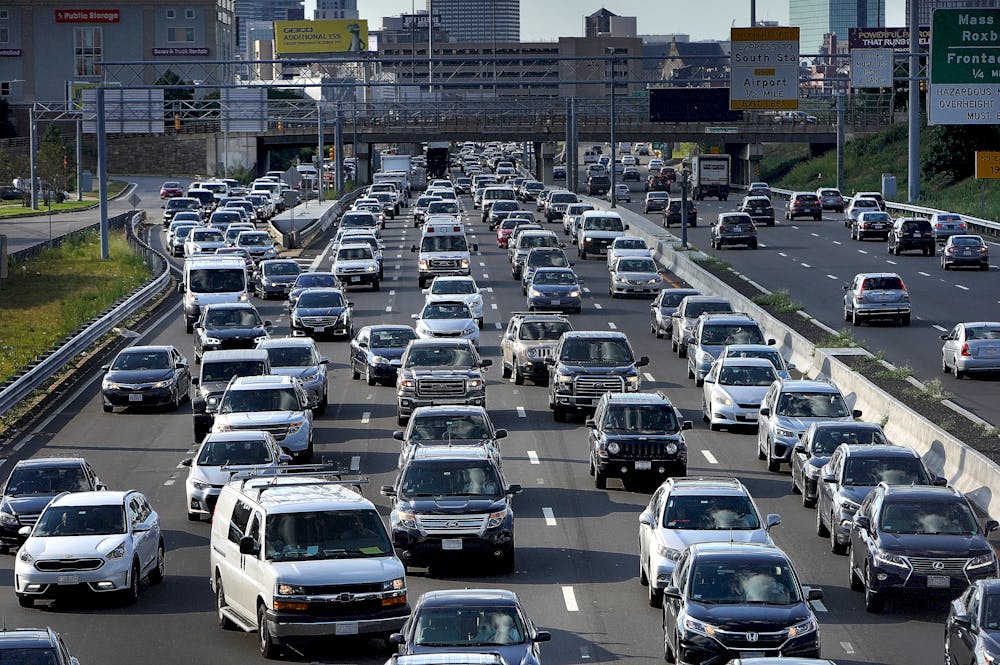
Many large urban areas can expect extreme traffic congestion this year as workers stop working remotely – if they choose cars over public transportation. Fifty-five percent of Americans have access to transit. But car owners will drive if subways and buses cannot maintain frequent, convenient and reliable service.
Transit is safe
As for COVID-19 risk on public transportation, evidence shows it is quite low.
The ventilation systems in most transit systems are better than many other indoor spaces. In addition to mandatory mask-wearing, many cities – including Detroit and San Antonio – made transit free or enabled back-door entry to limit rider-driver interactions.
These COVID-19 safety protocols, along with good air flow, ensured the safety of transit passengers throughout the pandemic. Enforcing the mask requirement will remain a challenge.
Worldwide, transit agencies in Korea, China and Taiwan continued to carry between 70% and 90% of typical ridership without new local cases among riders. Studies in Japan and France, using contract tracing, showed limited connections between transit usage and COVID-19 clusters
If Congress passes the American Jobs Plan, the infrastructure funding it sends to cities and states will encourage American transit agencies to upgrade their buses, trains and subways, improve tracks or expand service for all workers returning to their regular lives. The package allows cities to spend their portion of the $85 billion to provide the kind of frequent, reliable and less costly service that makes mass transit a more appealing option than a rideshare service.
Good mass transit also encourages people to travel in cities – fueling the pandemic recovery that people badly want and the economy so desperately needs.
Ruth Steiner, Professor of Urban and Regional Planning, University of Florida
This article is republished from The Conversation under a Creative Commons license. Read the original article.







