

• Advertise
  • About us
  • Terms and Conditions
  • Contact us
Saturday, December 6, 2025
Australian Times News
  • News
    • Weather
    • Sport
    • Technology
    • Business & Finance
      • Currency Zone
    • Lotto Results
      • The Lott
  • Lifestyle
    • Entertainment
    • Horoscopes
    • Health & Wellness
    • Recipes
  • Travel
  • Expat Life
  • Move to Australia
No Result
View All Result
  • News
    • Weather
    • Sport
    • Technology
    • Business & Finance
      • Currency Zone
    • Lotto Results
      • The Lott
  • Lifestyle
    • Entertainment
    • Horoscopes
    • Health & Wellness
    • Recipes
  • Travel
  • Expat Life
  • Move to Australia
No Result
View All Result
Australian Times News
No Result
View All Result
Home News

Minimum space for passing cyclists is now law Australia-wide. It increases safety – but possibly road rage too

To protect cyclists on the roads, state governments in Australia have introduced laws that set a minimum space drivers must give cyclists when overtaking them. These laws are now in place nationwide, with Victoria the final state to join the ranks last month.

The Conversation by The Conversation
19-05-2021 22:13
in News
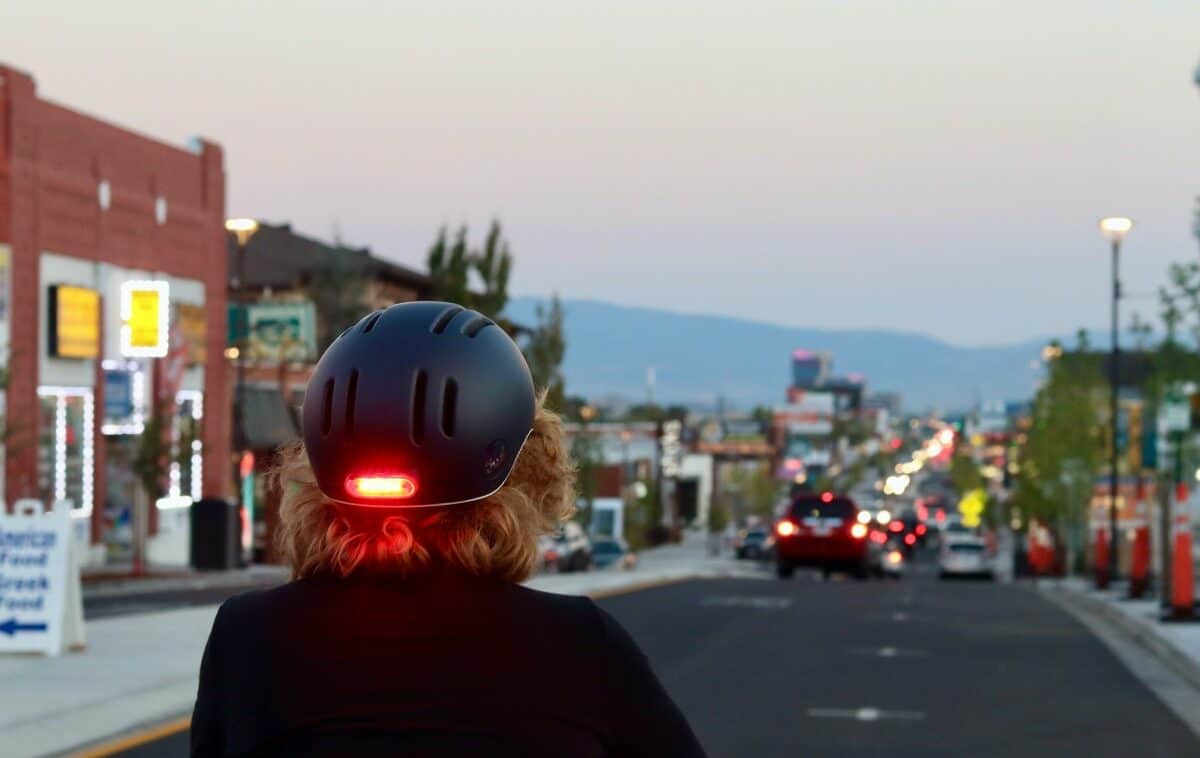
Photo by Manny Becerra on Unsplash

Photo by Manny Becerra on Unsplash

Laura Fruhen, The University of Western Australia; Isabel Rossen, The University of Western Australia, and Lisette Kanse, The University of Western Australia

To protect cyclists on the roads, state governments in Australia have introduced laws that set a minimum space drivers must give cyclists when overtaking them. These laws are now in place nationwide, with Victoria the final state to join the ranks last month. But do these passing distance laws actually change drivers’ behaviour towards cyclists?

Our research set out to answer this question by evaluating Western Australia’s passing distance law introduced in 2017. We found that since the law took effect drivers do indeed report giving cyclists more space when overtaking. However, there were possible unintended consequences. Drivers also self-reported more aggressive behaviour directed at cyclists, such as beeping horns or swearing.


What is in a passing distance law?

Passing distance laws are based on the understanding that close overtaking by cars greatly increases the risk of accidents involving cyclists and motor vehicles. Previously, drivers had to use their own judgement in providing “sufficient” space when overtaking cyclists. Now the laws instead specify a minimum distance.

In Australia, the distance is usually 1 metre on roads with speed limits less than 60km/h and 1.5 metres on roads with higher speed limits.
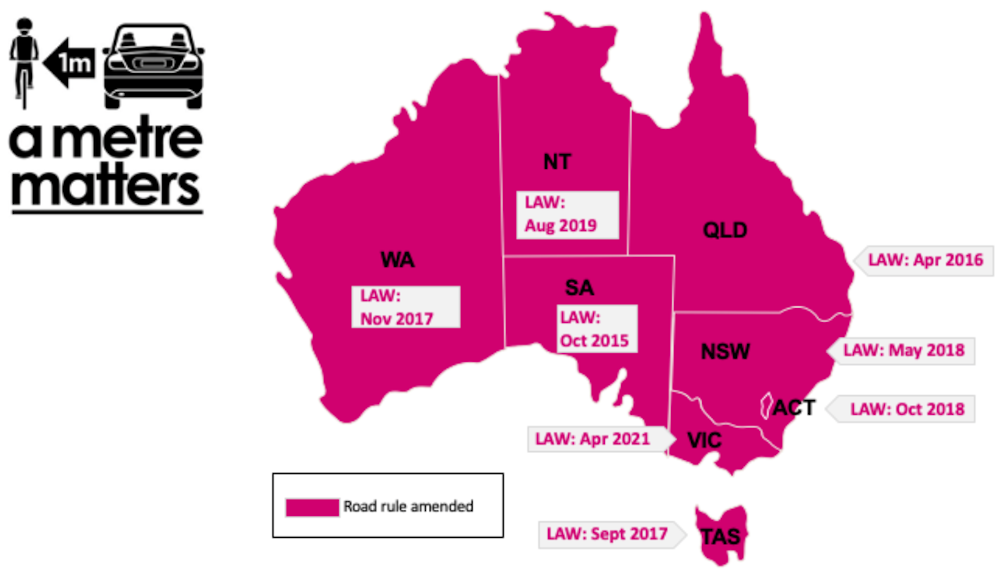
Map showing when minimum passing distance laws took effect in Australian states and territories.
Laws requiring that motorists observe a minimum passing distance when overtaking cyclists now apply across Australia. Amy Gillett Foundation

Some European countries and several states in the US have adopted similar laws.

Lawmakers understand that legislation can also send important social signals: cyclists are legitimate road users, and the road is a safe place to cycle.


AlsoRead...

Ryan: Building real freedom through e-commerce

Ryan: Building real freedom through e-commerce

27 November 2025
Design Australia Group: Redefining Drafting as the engine of housing growth

Design Australia Group: Redefining Drafting as the engine of housing growth

26 November 2025

Why do we need these laws to protect cyclists?

Cycling is a healthy and environmentally friendly mode of transport. It can play a key role in reducing pollution and congestion in ever more densely populated cities. Yet cycling rates in Australia are low.

Clearly, it would be desirable for more people to take up cycling. Why is this not happening?

Partly, low cycling rates might be due to the risks involved in cycling. Cyclist fatalities and injuries have been on the rise in Australia in recent years. We know this is not related to the roads becoming more dangerous for everybody, because car driver deaths have been decreasing over the same time.


As well as objective safety, cycling participation is also related to whether people perceive cycling to be safe. Part of this perception comes from how other road users treat cyclists. Unfortunately, cyclists report motorists direct a fair amount of aggressive behaviour at them.

So what difference do these laws make?

Our study in WA confirms what others have found: passing distance laws make overtaking by cars safer for cyclists.

However, we found the law may have the unintended side effect of increased aggressive behaviour towards cyclists.

There are several possible explanations for these unintended changes. We think it is an issue of culture: Australia is a car-centric society. Many car drivers in Australia believe cyclists do not belong on the roads.


Passing distance laws signal that cyclists are deserving of space and may “force” drivers to give cyclists more space, against their beliefs. Some drivers may give cyclists more space to comply with the law, but counter any discomfort they experience by being more aggressive towards cyclists.

Drivers often experience frustration with having to overtake cyclists and other slow road users. The law may have actually drawn attention to this frustration, which in turn may have contributed to more aggressive behaviour among drivers.

Angry man yells while driving
An increase in driver aggression directed at cyclists appears to be an unintended consequence of the laws. Shutterstock

We also found cycling rates have remained stable since the passing distance law was introduced. Unfortunately, this suggests the law did not translate into greater enthusiasm for cycling.

What can be done to improve the situation?

If these laws have these side effects, what else can we do?

It seems passing distance laws are effective in regulating the specific behaviour of overtaking cyclists. This is great news for cyclists’ safety. However, to make cycling safer overall, and to increase cycling rates, further measures to complement these laws are needed.

Changing drivers’ deeply ingrained beliefs and attitudes towards cyclists may be a longer process, but one worth embarking on. Infrastructure and road layouts also matter and can play a role in shifting priorities away from cars.


Infrastructure that plans space for cyclists would reduce the number of interactions between cyclists and drivers. It also signals that cyclists have a right to this space.

As an added benefit, this type of infrastructure can play a key part in preparing the road network for emerging technology such as e-scooters and other transport modes.

Public policy is an inexact science. Most new laws will have some unintended consequences. Our study confirms the importance of careful evaluation of such laws. It shows the passing distance law is a great first step, but more can be done to protect cyclists on the roads.

Laura Fruhen, Lecturer, School of Psychological Science, The University of Western Australia; Isabel Rossen, Senior Learning Skills Officer, The University of Western Australia, and Lisette Kanse, Senior Lecturer, School of Psychological Science, The University of Western Australia

This article is republished from The Conversation under a Creative Commons license. Read the original article.


Tags: SB001
DMCA.com Protection Status

SUBSCRIBE to our NEWSLETTER

[mc4wp_form id=”2384248″]

Don't Miss

The evolution of Aesthetic Surgery through the lens of Dr Kourosh Tavakoli

by Pauline Torongo
4 December 2025
The evolution of Aesthetic Surgery through the lens of Dr. Kourosh Tavakoli
Health & Wellness

As global interest in Australian cosmetic surgery continues to grow, the combination of regulation, research and emerging digital tools is...

Read moreDetails

Ryan: Building real freedom through e-commerce

by Pauline Torongo
27 November 2025
Ryan: Building real freedom through e-commerce
Business & Finance

Ryan’s greatest achievement isn’t any single business or revenue milestone — it’s the ecosystem he’s built through the Change community.

Read moreDetails

Design Australia Group: Redefining Drafting as the engine of housing growth

by Pauline Torongo
26 November 2025
Design Australia Group: Redefining Drafting as the engine of housing growth
Business & Finance

Australia is under pressure to build homes faster, but design bottlenecks slow progress. Design Australia Group is fixing this by...

Read moreDetails

Louis Guy Detata builds Global Trading Empires through autonomous systems and disciplined leadership

by Pauline Torongo
25 November 2025
Louis Guy Detata builds Global Trading Empires through autonomous systems and disciplined leadership
Business & Finance

The path from investment banking to leading a global trading platform has taught Louis Detata that sustainable success requires more...

Read moreDetails

Burning Eucalyptus Wood: Tips, Advantages, Disadvantages & Alternatives

by Fazila Olla-Logday
20 November 2025
Image Supplied
Enviroment

Learn about burning eucalyptus wood for stoves and fireplaces. Discover benefits, drawbacks, harvesting tips, and better alternative firewood options for...

Read moreDetails

Everything Parents Need to Know About Baby Soft Play and Why It’s a Game Changer

by Fazila Olla-Logday
11 November 2025
Everything Parents Need to Know About Baby Soft Play
Health & Wellness

Baby soft play is a fun, safe, and educational way for little ones to explore and grow. Discover the benefits...

Read moreDetails

WOMAD Sets Up a New Camp in Wiltshire – Australian festival fans take note!

by Kris Griffiths
11 November 2025
Kumbia Boruka brought their reggae and dancehall flavour to the Taste the World Stage at WOMAD 2024 - Credit - Mike Massaro
Entertainment

With its 2026 edition moving to Neston Park in England, WOMAD offers Aussie music lovers a chance to reconnect with global...

Read moreDetails
Load More

Copyright © Blue Sky Publications Ltd. All Rights Reserved.
australiantimes.co.uk is a division of Blue Sky Publications Ltd. Reproduction without permission prohibited. DMCA.com Protection Status

  • About us
  • Write for Us
  • Advertise
  • Contact us
  • T&Cs, Privacy and GDPR
No Result
View All Result
  • News
    • Weather
    • Sport
    • Technology
    • Business & Finance
      • Currency Zone
    • Lotto Results
      • The Lott
  • Lifestyle
    • Entertainment
    • Horoscopes
    • Health & Wellness
    • Recipes
  • Travel
  • Expat Life
  • Move to Australia

Copyright © Blue Sky Publications Ltd. All Rights Reserved.
australiantimes.co.uk is a division of Blue Sky Publications Ltd. Reproduction without permission prohibited. DMCA.com Protection Status

No Result
View All Result
  • News
    • Weather
    • Sport
    • Technology
    • Business & Finance
      • Currency Zone
    • Lotto Results
      • The Lott
  • Lifestyle
    • Entertainment
    • Horoscopes
    • Health & Wellness
    • Recipes
  • Travel
  • Expat Life
  • Move to Australia

Copyright © Blue Sky Publications Ltd. All Rights Reserved.
australiantimes.co.uk is a division of Blue Sky Publications Ltd. Reproduction without permission prohibited. DMCA.com Protection Status





