


Trevor Duke, The University of Melbourne
New waves of the COVID-19 pandemic in countries, such as Kenya and India, have exposed the poor management of oxygen supplies. Moina Spooner, from The Conversation Africa, asked Professor Trevor Duke, an expert on [oxygen provision] and editor of the World Health Organisation (WHO) guidelines on oxygen therapy for children, to provide insights into what countries, with limited resources, can do to secure better supplies.
Why is oxygen so important for treating COVID-19?
The SARS CoV-2 virus causes COVID-19 pneumonia and hypoxaemia. Hypoxaemia is a lack of oxygen in the blood – the most important complication of COVID-19 pneumonia and a major cause of death.
A few antiviral drugs have been effective in treating COVID-19 infection however, in severe pneumonia, oxygen relieves hypoxaemia. It can allow time for the infection to clear and the lungs to heal. For many people affected by COVID-19, oxygen is lifesaving.
What are the challenges getting oxygen to patients?
Low and middle income countries face huge hurdles in getting oxygen to patients. In many countries proper systems to supply oxygen have been neglected for decades, despite pneumonia being the single biggest cause of hospital admission in low and middle income countries, even before the pandemic.
An oxygen system involves the equipment needed to detect hypoxaemia and give oxygen. This includes; a small device called a pulse oximeter which is essential to detect hypoxaemia, the source of oxygen (of which there are several options), other technical equipment to give oxygen (such as flow meters and oxygen tubing), a small device called an oxygen analyser (which assesses the purity of oxygen from the source), and a power supply. In addition to this, trained health workers, biomedical technicians and equipment maintenance are vital.
The neglect of oxygen systems has been partly market failure, partly lack of knowledge and anticipation, partly inertia.


In health care settings, with no effective oxygen systems, there is also usually been an under-resourcing of other essential services required to make a hospital run safely – such as power, water supply, sanitation and infection control.
Until the pandemic, some governments may not have fully appreciated that oxygen is lifesaving. Or they may have been unprepared to invest in a properly functioning oxygen system.
Finally, a low priority has been given to develop and scale up oxygen relative to new drugs, for which a patent can be taken out and big pharmaceutical companies can make a large profit.
Robust oxygen systems, that would support a pandemic, take time to put in place. The basics are the oxygen source, and the options include gas cylinders, oxygen concentrators and oxygen generators.
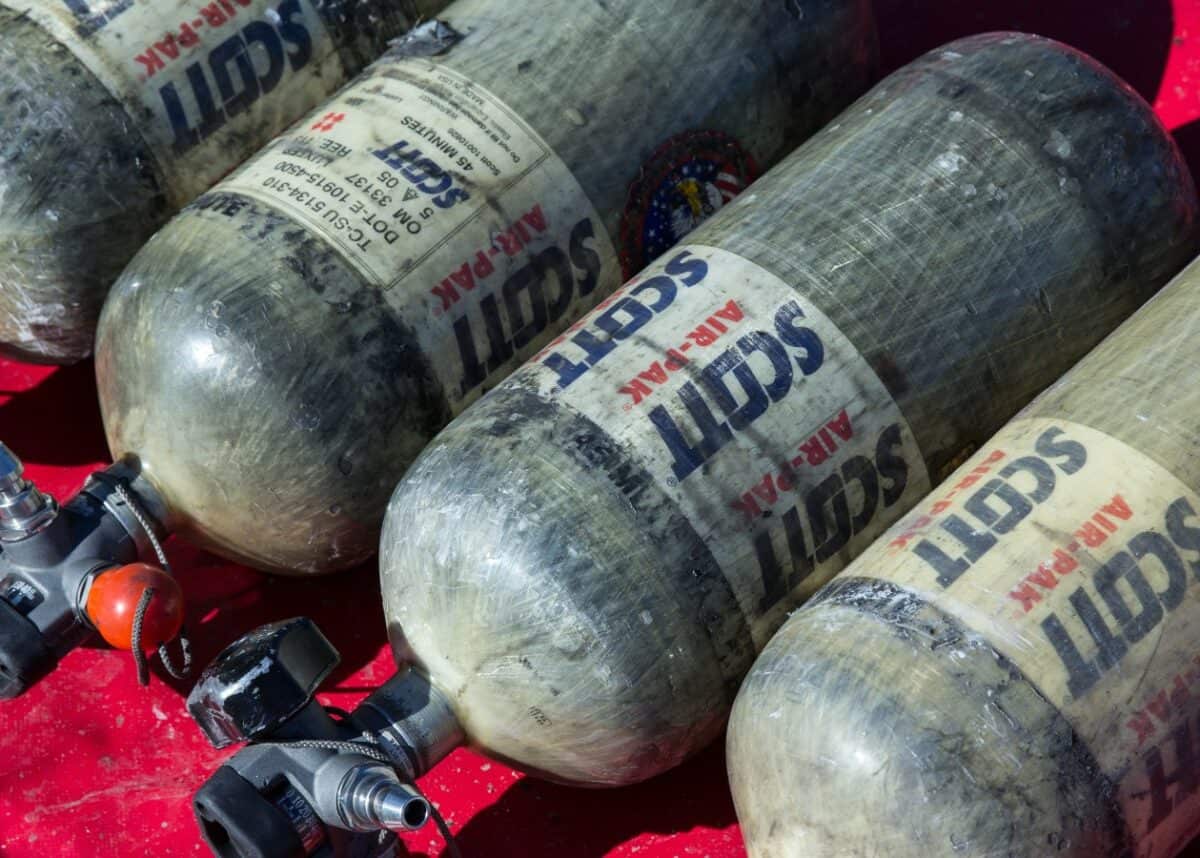
Oxygen cylinders are logistically difficult and expensive to transport from many private suppliers in big cities, especially to remote hospitals. A single oxygen cylinder, which would supply one person, may last for between 24 to 72 hours depending on the severity of hypoxaemia and how much oxygen they need. However, people with severe COVID-19 often have hypoxaemia for more than a week, so a cylinder can run out.
Oxygen concentrators are small bedside machines. They take in atmospheric air and remove nitrogen (which is 78% of air) leaving near pure oxygen. They were developed commercially for the home care of adults with chronic lung disease in north America and Europe. Since the 1990s they’ve effectively provided oxygen in hospitals in low and middle income countries.
Oxygen concentrators can provide oxygen to up to five children, or one or two sick adults, at a time. They provide a continuous source of oxygen, drawn from the air, so don’t need refilling. They are relatively cheap (about US$500-US$1000), but require a reliable power supply (they can be solar powered), some training for staff, and maintenance. They are manufactured in many places including the US, Europe, China, India and Russia.
Oxygen generators are another way of providing oxygen. They are large machines which generate oxygen from the air (about 5000 litres per hour) and can fill between 30 to 50 cylinders per day. Oxygen generators are expensive (about US$100,000) and require a trained biomedical technician, but they are a long-term investment. They have been used in Asia, Canada, and recently in Papua New Guinea. They are made in China and the US. Some are produced fully set up and can be shipped to hospitals. They only require an electrical connection and a trained biomedical technician to run them.
A key benefit of oxygen generators and concentrators is that they can supply a whole region or health service in a way that can be independent of private gas companies.
What can be done to improve the situation?
Each situation will be different. For an oxygen system to be developed there must be a good understanding of the local context. This includes the systems that are already in use, the local providers, biomedical technician capacity, reliability of power supplies (often power supplies are erratic and power surges can damage concentrators, solar power is more stable), and the size of local populations and projected oxygen needs.
For instance, a medium sized district hospital (treating 15 to 20 patients with oxygen daily) will need upwards of 40,000 litres per day. To meet these needs, the provision of oxygen should be done using oxygen concentrators and oxygen generators, using some cylinders for immediate emergency use, such as transport in an ambulance.
Can any immediate steps be taken?
For now, governments and health services should invest in bedside oxygen concentrators and generators to supply whole hospital or district needs. Global agencies should support this in a similar way that vaccines are being scaled up through global partnerships like COVAX.
There are many global manufacturers of oxygen concentrators and oxygen generators, and there are specifications from the WHO for this equipment. Supply is tight at present, but production is being scaled up. India recently announced the importation of 10,000 oxygen concentrators.
Health services and their partners should conduct training programs for health care workers in the use of oxygen technology. This can be done in a relatively short time if there is good planning and management.
In many settings, the use of mechanical ventilators – machines which provide positive pressure to a patient’s airways and lungs through a tube – will not be appropriate. They require sedation or anaesthesia, close monitoring in an intensive care unit, and the ability to detect and deal with complications, including the effects on the heart and circulation, a major feature of advanced COVID-19 infection. The drive to acquire mechanical ventilators can be a distraction from scaling up oxygen supplies.
So, the priority should be scaling up oxygen and quality of care and monitoring. There are ways and models to do this, in even the least resourced health care settings.
COVID-19 is a long-game; the best time to start implementing effective oxygen systems may have been several years ago, but the next best time is now.
Trevor Duke, Director, Centre for International Child Health, The University of Melbourne
This article is republished from The Conversation under a Creative Commons license. Read the original article.







