

• Advertise
  • About us
  • Terms and Conditions
  • Contact us
Tuesday, March 24, 2026
Australian Times News
  • News
    • Weather
    • Sport
    • Technology
    • Business & Finance
      • Currency Zone
    • Lotto Results
      • The Lott
  • Lifestyle
    • Entertainment
    • Horoscopes
    • Health & Wellness
    • Recipes
  • Travel
  • Expat Life
  • Move to Australia
No Result
View All Result
  • News
    • Weather
    • Sport
    • Technology
    • Business & Finance
      • Currency Zone
    • Lotto Results
      • The Lott
  • Lifestyle
    • Entertainment
    • Horoscopes
    • Health & Wellness
    • Recipes
  • Travel
  • Expat Life
  • Move to Australia
No Result
View All Result
Australian Times News
No Result
View All Result
Home News

Cycling is ten times more important than electric cars for reaching net-zero cities

Globally, only one in 50 new cars were fully electric in 2020, and one in 14 in the UK. Sounds impressive, but even if all new cars were electric now, it would still take 15-20 years to replace the world’s fossil fuel car fleet.

The Conversation by The Conversation
30-03-2021 18:05
in News
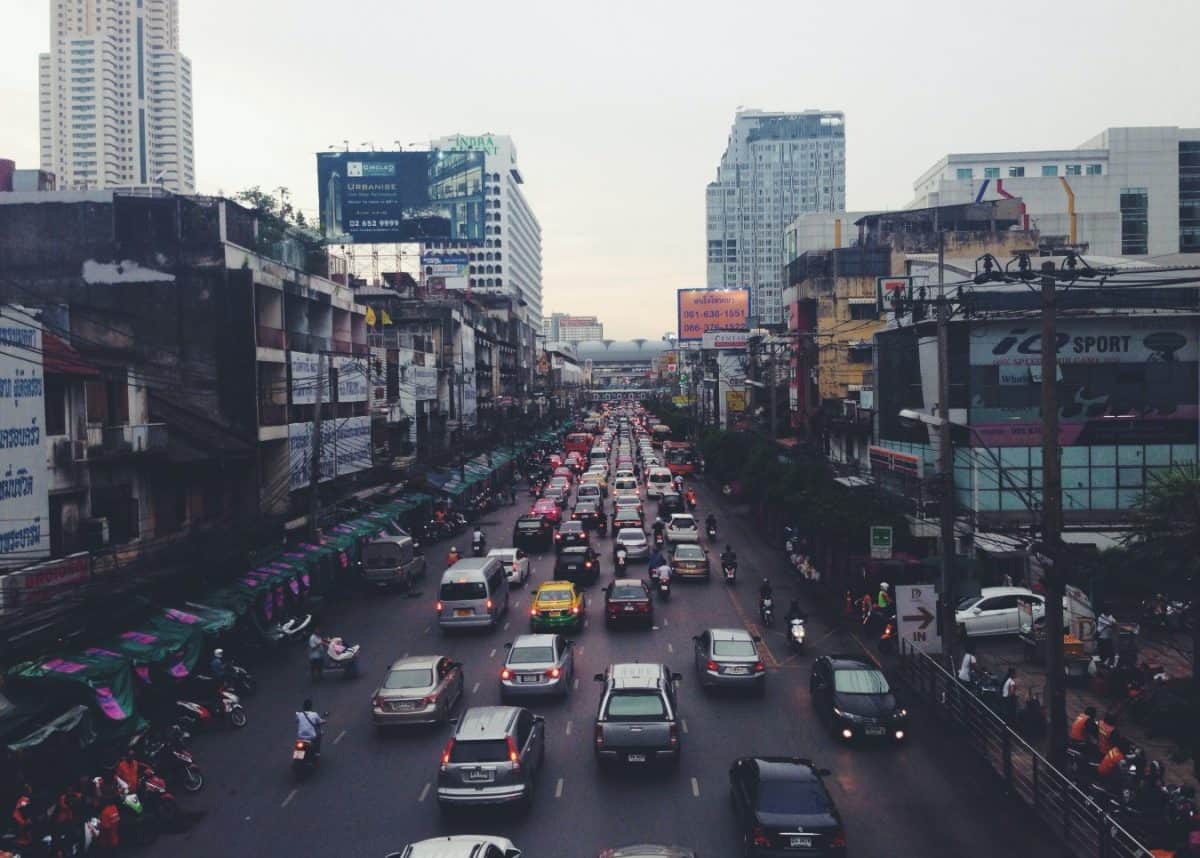
Photo by RayBay on Unsplash

Photo by RayBay on Unsplash

Christian Brand, University of Oxford

Globally, only one in 50 new cars were fully electric in 2020, and one in 14 in the UK. Sounds impressive, but even if all new cars were electric now, it would still take 15-20 years to replace the world’s fossil fuel car fleet.

The emission savings from replacing all those internal combustion engines with zero-carbon alternatives will not feed in fast enough to make the necessary difference in the time we can spare: the next five years. Tackling the climate and air pollution crises requires curbing all motorised transport, particularly private cars, as quickly as possible. Focusing solely on electric vehicles is slowing down the race to zero emissions.

This is partly because electric cars aren’t truly zero-carbon – mining the raw materials for their batteries, manufacturing them and generating the electricity they run on produces emissions.

Transport is one of the most challenging sectors to decarbonise due to its heavy fossil fuel use and reliance on carbon-intensive infrastructure – such as roads, airports and the vehicles themselves – and the way it embeds car-dependent lifestyles. One way to reduce transport emissions relatively quickly, and potentially globally, is to swap cars for cycling, e-biking and walking – active travel, as it’s called.
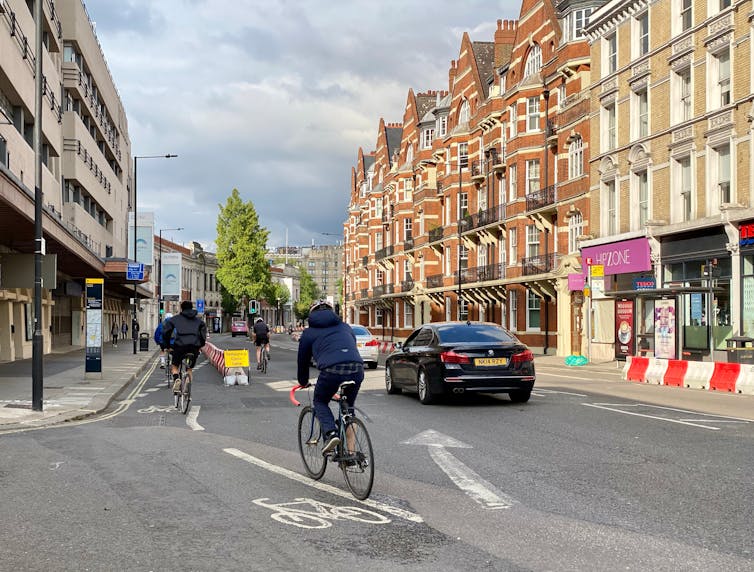
Cyclists pass cars on the left in a temporary cycle lane in Hammersmith, London, UK.
Temporary bike lanes have popped up in cities around the world during the pandemic. Texturemaster/Shutterstock

Active travel is cheaper, healthier, better for the environment, and no slower on congested urban streets. So how much carbon can it save on a daily basis? And what is its role in reducing emissions from transport overall?

In new research, colleagues and I reveal that people who walk or cycle have lower carbon footprints from daily travel, including in cities where lots of people are already doing this. Despite the fact that some walking and cycling happens on top of motorised journeys instead of replacing them, more people switching to active travel would equate to lower carbon emissions from transport on a daily and trip-by-trip basis.


AlsoRead...

Design Without Compromise: Where Gutter Protection Meets Modern Architecture

Design Without Compromise: Where Gutter Protection Meets Modern Architecture

20 March 2026
The Rise of This Lead Generation Workshop Across Australia

The Rise of This Lead Generation Workshop Across Australia

13 February 2026

What a difference a trip makes

We observed around 4,000 people living in London, Antwerp, Barcelona, Vienna, Orebro, Rome and Zurich. Over a two-year period, our participants completed 10,000 travel diary entries which served as records of all the trips they made each day, whether going to work by train, taking the kids to school by car or riding the bus into town. For each trip, we calculated the carbon footprint.

Strikingly, people who cycled on a daily basis had 84% lower carbon emissions from all their daily travel than those who didn’t.

We also found that the average person who shifted from car to bike for just one day a week cut their carbon footprint by 3.2kg of CO₂ – equivalent to the emissions from driving a car for 10km, eating a serving of lamb or chocolate, or sending 800 emails.

When we compared the life cycle of each travel mode, taking into account the carbon generated by making the vehicle, fuelling it and disposing of it, we found that emissions from cycling can be more than 30 times lower for each trip than driving a fossil fuel car, and about ten times lower than driving an electric one.
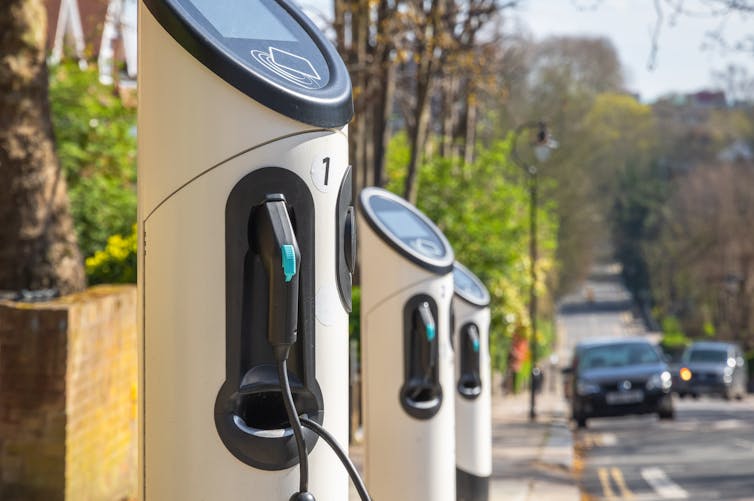
A row of three electric vehicle charging points beside a road in London.
Driving an electric vehicle is only as green as the energy supply. I Wei Huang/Shutterstock

We also estimate that urban residents who switched from driving to cycling for just one trip per day reduced their carbon footprint by about half a tonne of CO₂ over the course of a year, and save the equivalent emissions of a one-way flight from London to New York. If just one in five urban residents permanently changed their travel behaviour in this way over the next few years, we estimate it would cut emissions from all car travel in Europe by about 8%.

Nearly half of the fall in daily carbon emissions during global lockdowns in 2020 came from reductions in transport emissions. The pandemic forced countries around the world to adapt to reduce the spread of the virus. In the UK, walking and cycling have been the big winners, with a 20% rise in people walking regularly, and cycling levels increasing by 9% on weekdays and 58% on weekends compared to pre-pandemic levels. This is despite cycle commuters being very likely to work from home.

Active travel has offered an alternative to cars that keeps social distancing intact. It has helped people to stay safe during the pandemic and it could help reduce emissions as confinement is eased, particularly as the high prices of some electric vehicles are likely to put many potential buyers off for now.

So the race is on. Active travel can contribute to tackling the climate emergency earlier than electric vehicles while also providing affordable, reliable, clean, healthy and congestion-busting transportation.

Christian Brand, Associate Professor in Transport, Energy & Environment, Transport Studies Unit, University of Oxford

This article is republished from The Conversation under a Creative Commons license. Read the original article.


Tags: SB001
DMCA.com Protection Status

SUBSCRIBE to our NEWSLETTER

[mc4wp_form id=”2384248″]

Don't Miss

Design Without Compromise: Where Gutter Protection Meets Modern Architecture

by Fazila Olla-Logday
20 March 2026
Design Without Compromise: Where Gutter Protection Meets Modern Architecture
Business & Finance

Design without compromise by integrating gutter protection seamlessly into modern architecture. Discover how innovative gutter systems enhance your home’s aesthetics...

Read moreDetails

How WageSafe Secured Australia’s Most Reputable Retail Business Among Its Premium Clients

by Fazila Olla-Logday
12 March 2026
How WageSafe Secured Australia’s Most Reputable Retail Business Among Its Premium Clients
at

Learn how WageSafe helps businesses stay compliant with payroll and wage regulations through reliable monitoring, risk management, and expert support—protecting...

Read moreDetails

Zakeke AI Agent Studio Removes the E-Commerce Content Bottleneck With Outputs in Seconds

by Fazila Olla-Logday
3 March 2026
Zakeke AI Agent Studio Removes the E-Commerce Content Bottleneck With Outputs in Seconds
at

Zakeke AI Agent Studio removes the e-commerce content bottleneck by generating product content and visuals in seconds, enabling brands to...

Read moreDetails

Empire Traveller launches to give Small and Medium Businesses Enterprise-Level Travel rates

by Pauline Torongo
20 February 2026
Empire Traveller launches to give Small and Medium Businesses Enterprise-Level Travel rates
Travel

Empire Traveller suggests the travel sector may be entering a more inclusive phase — one where advantage is shaped less...

Read moreDetails

Is Feng Shui Master Xu Really A Modern Genius?

by Fazila Olla-Logday
19 February 2026
Is Feng Shui Master Xu Really A Modern Genius?
at

Is Feng Shui Master Xu truly a modern genius, or simply a master of timeless wisdom? Blending ancient Feng Shui...

Read moreDetails

The Rise of This Lead Generation Workshop Across Australia

by Pauline Torongo
13 February 2026
The Rise of This Lead Generation Workshop Across Australia
Business & Finance

“Where U?”, is a two-day in-person lead generation workshop that teaches Australian business owners how to build their own acquisition...

Read moreDetails

Lyca Mobile Australia’s Customer-First Overhaul Pays Off with Finder Award Win

by Fazila Olla-Logday
2 February 2026
Lyca Mobile Australia's Customer-First Overhaul Pays Off with Finder Award Win
Technology

Lyca Mobile Australia’s customer-first overhaul has earned a Finder Award, recognising its improved value, service, and stronger focus on Australian...

Read moreDetails
Load More

Copyright © Blue Sky Publications Ltd. All Rights Reserved.
australiantimes.co.uk is a division of Blue Sky Publications Ltd. Reproduction without permission prohibited. DMCA.com Protection Status

  • About us
  • Write for Us
  • Advertise
  • Contact us
  • T&Cs, Privacy and GDPR
No Result
View All Result
  • News
    • Weather
    • Sport
    • Technology
    • Business & Finance
      • Currency Zone
    • Lotto Results
      • The Lott
  • Lifestyle
    • Entertainment
    • Horoscopes
    • Health & Wellness
    • Recipes
  • Travel
  • Expat Life
  • Move to Australia

Copyright © Blue Sky Publications Ltd. All Rights Reserved.
australiantimes.co.uk is a division of Blue Sky Publications Ltd. Reproduction without permission prohibited. DMCA.com Protection Status

No Result
View All Result
  • News
    • Weather
    • Sport
    • Technology
    • Business & Finance
      • Currency Zone
    • Lotto Results
      • The Lott
  • Lifestyle
    • Entertainment
    • Horoscopes
    • Health & Wellness
    • Recipes
  • Travel
  • Expat Life
  • Move to Australia

Copyright © Blue Sky Publications Ltd. All Rights Reserved.
australiantimes.co.uk is a division of Blue Sky Publications Ltd. Reproduction without permission prohibited. DMCA.com Protection Status





