

• Advertise
  • About us
  • Terms and Conditions
  • Contact us
Sunday, December 7, 2025
Australian Times News
  • News
    • Weather
    • Sport
    • Technology
    • Business & Finance
      • Currency Zone
    • Lotto Results
      • The Lott
  • Lifestyle
    • Entertainment
    • Horoscopes
    • Health & Wellness
    • Recipes
  • Travel
  • Expat Life
  • Move to Australia
No Result
View All Result
  • News
    • Weather
    • Sport
    • Technology
    • Business & Finance
      • Currency Zone
    • Lotto Results
      • The Lott
  • Lifestyle
    • Entertainment
    • Horoscopes
    • Health & Wellness
    • Recipes
  • Travel
  • Expat Life
  • Move to Australia
No Result
View All Result
Australian Times News
No Result
View All Result
Home News

Hard bump ahead? Drop in insolvencies and bankruptcies is a ticking time bomb

The vast arsenal of fiscal, monetary and legal measures used by Australian governments to offset the COVID-induced economic crisis have worked well. They did not prevent a recession (popularly defined as two quarters of negative GDP growth) but things could have been much worse.

The Conversation by The Conversation
11-03-2021 18:09
in News
Photo credit

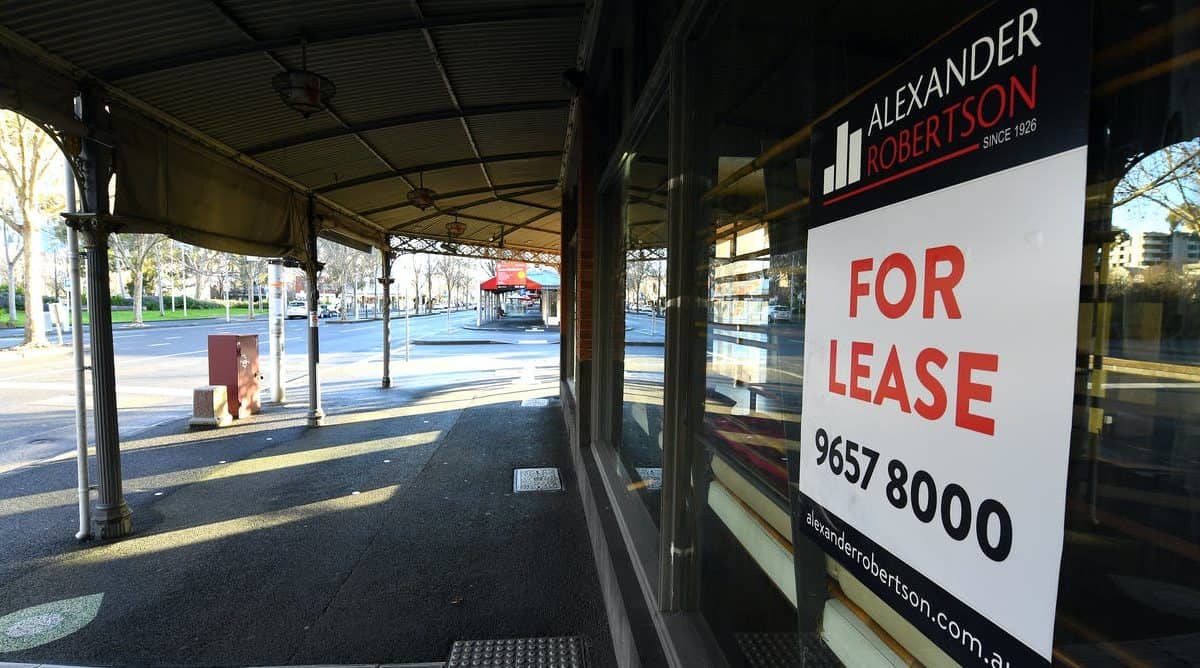
Photo credit James Ross/AAP

Kevin Davis, The University of Melbourne

The vast arsenal of fiscal, monetary and legal measures used by Australian governments to offset the COVID-induced economic crisis have worked well. They did not prevent a recession (popularly defined as two quarters of negative GDP growth) but things could have been much worse.

What is particularly interesting is that the expected consequences have not shown up in the official statistics for financial distress – insolvent companies entering administration and individuals declaring bankruptcy.

Indeed, a misleading impression of 2020 being one of “economic good times” could be gained from the statistics.

The big question is whether these statistics show government relief measures have averted economic pain or simply deferred it. As measures are wound down and withdrawn, will the private sector be willing and able to pick up the resulting slack?

Companies entering administration

There are, of course, “lies, damn lies, and statistics”. The figures hide what is likely to be actually happening in terms of financial distress.

Impacts on businesses and individuals have been quite varied. Some large corporations have come through in good shape, much better than might have been imagined. But the tourism, hospitality, entertainment and higher education sectors have taken significant hits and face an uncertain and drawn-out recovery.


AlsoRead...

Ryan: Building real freedom through e-commerce

Ryan: Building real freedom through e-commerce

27 November 2025
Design Australia Group: Redefining Drafting as the engine of housing growth

Design Australia Group: Redefining Drafting as the engine of housing growth

26 November 2025

The following graphic, using data from the Australian Securities and Investments Commission, shows the number of companies entering external administration (quarterly from 2010 to 2020).


Graphic showing company insolvencies, 2011 to 2020
CC BY-ND

Notable is the decline in business collapses in 2020 – the opposite of what one would expect in a time of economic stress.

A number of policy actions contributed to this.

The most obvious contributors to keeping failing businesses alive were JobKeeper payments as well as changes increasing “safe-harbour protections” to reduce the risk of prosecution for trading while insolvent. These changes also reduced the ability of creditors to speedily force a debtor company into insolvency.


In many cases it is quite possible these simply put off that day to some time in 2021.

Individuals declaring bankruptcy

At the personal level, which includes owners of small unincorporated businesses, a similar pattern can be seen.

The next graph uses data from the Australian Financial Security Authority. It shows the number of individuals entering into insolvency (bankruptcy, debt agreements etc) on a quarterly basis. The latest data is for the September quarter of 2020. The number had fallen to about half of what it had been prior to 2020.


Graphic showing personal insolvencies in Australia 2011 to 2020.
CC BY-NC

Notably, the number of personal insolvencies began falling in early 2018. There is no obvious single explanation for this trend, though good economic conditions and low interest rates are probably part of the story.

The further decline in 2020 (in contrast to expectations of an increase) is most likely due to legislative changes introduced in March 2020 and extended in September 2020. These include increasing the size of debt owed before a creditor can initiate action from A$5,000 to A$20,000, and allowing debtors six months (rather than 21 days) to respond to creditor demands. Mortgage repayment deferrals by banks also would have helped.

A difficult balancing act

What to make of these unexpected declines in official indicators of financial distress when economic conditions have surely increased the reality?

The more optimistic interpretation is that various government support measures have prevented both business and individuals sliding into insolvency.

The less optimistic interpretation is the measures have simply deferred the final outcome – with the statistics soon to show a bounce in business failures and personal insolvencies.


There is no point keeping “zombie” businesses alive, nor in dissuading heavily indebted individuals from taking action under insolvency arrangements that can give them a fresh start.

But finding the right balance of continuing support for recoverable cases while terminating it for others (and limiting the hardship caused by failure) is a difficult and challenging task for our economic masters.

Kevin Davis, Emeritus Professor of Finance, The University of Melbourne

This article is republished from The Conversation under a Creative Commons license. Read the original article.


Tags: SB001
DMCA.com Protection Status

SUBSCRIBE to our NEWSLETTER

[mc4wp_form id=”2384248″]

Don't Miss

The evolution of Aesthetic Surgery through the lens of Dr Kourosh Tavakoli

by Pauline Torongo
4 December 2025
The evolution of Aesthetic Surgery through the lens of Dr. Kourosh Tavakoli
Health & Wellness

As global interest in Australian cosmetic surgery continues to grow, the combination of regulation, research and emerging digital tools is...

Read moreDetails

Ryan: Building real freedom through e-commerce

by Pauline Torongo
27 November 2025
Ryan: Building real freedom through e-commerce
Business & Finance

Ryan’s greatest achievement isn’t any single business or revenue milestone — it’s the ecosystem he’s built through the Change community.

Read moreDetails

Design Australia Group: Redefining Drafting as the engine of housing growth

by Pauline Torongo
26 November 2025
Design Australia Group: Redefining Drafting as the engine of housing growth
Business & Finance

Australia is under pressure to build homes faster, but design bottlenecks slow progress. Design Australia Group is fixing this by...

Read moreDetails

Louis Guy Detata builds Global Trading Empires through autonomous systems and disciplined leadership

by Pauline Torongo
25 November 2025
Louis Guy Detata builds Global Trading Empires through autonomous systems and disciplined leadership
Business & Finance

The path from investment banking to leading a global trading platform has taught Louis Detata that sustainable success requires more...

Read moreDetails

Burning Eucalyptus Wood: Tips, Advantages, Disadvantages & Alternatives

by Fazila Olla-Logday
20 November 2025
Image Supplied
Enviroment

Learn about burning eucalyptus wood for stoves and fireplaces. Discover benefits, drawbacks, harvesting tips, and better alternative firewood options for...

Read moreDetails

Everything Parents Need to Know About Baby Soft Play and Why It’s a Game Changer

by Fazila Olla-Logday
11 November 2025
Everything Parents Need to Know About Baby Soft Play
Health & Wellness

Baby soft play is a fun, safe, and educational way for little ones to explore and grow. Discover the benefits...

Read moreDetails

WOMAD Sets Up a New Camp in Wiltshire – Australian festival fans take note!

by Kris Griffiths
11 November 2025
Kumbia Boruka brought their reggae and dancehall flavour to the Taste the World Stage at WOMAD 2024 - Credit - Mike Massaro
Entertainment

With its 2026 edition moving to Neston Park in England, WOMAD offers Aussie music lovers a chance to reconnect with global...

Read moreDetails
Load More

Copyright © Blue Sky Publications Ltd. All Rights Reserved.
australiantimes.co.uk is a division of Blue Sky Publications Ltd. Reproduction without permission prohibited. DMCA.com Protection Status

  • About us
  • Write for Us
  • Advertise
  • Contact us
  • T&Cs, Privacy and GDPR
No Result
View All Result
  • News
    • Weather
    • Sport
    • Technology
    • Business & Finance
      • Currency Zone
    • Lotto Results
      • The Lott
  • Lifestyle
    • Entertainment
    • Horoscopes
    • Health & Wellness
    • Recipes
  • Travel
  • Expat Life
  • Move to Australia

Copyright © Blue Sky Publications Ltd. All Rights Reserved.
australiantimes.co.uk is a division of Blue Sky Publications Ltd. Reproduction without permission prohibited. DMCA.com Protection Status

No Result
View All Result
  • News
    • Weather
    • Sport
    • Technology
    • Business & Finance
      • Currency Zone
    • Lotto Results
      • The Lott
  • Lifestyle
    • Entertainment
    • Horoscopes
    • Health & Wellness
    • Recipes
  • Travel
  • Expat Life
  • Move to Australia

Copyright © Blue Sky Publications Ltd. All Rights Reserved.
australiantimes.co.uk is a division of Blue Sky Publications Ltd. Reproduction without permission prohibited. DMCA.com Protection Status





