

• Advertise
  • About us
  • Terms and Conditions
  • Contact us
Friday, February 6, 2026
Australian Times News
  • News
    • Weather
    • Sport
    • Technology
    • Business & Finance
      • Currency Zone
    • Lotto Results
      • The Lott
  • Lifestyle
    • Entertainment
    • Horoscopes
    • Health & Wellness
    • Recipes
  • Travel
  • Expat Life
  • Move to Australia
No Result
View All Result
  • News
    • Weather
    • Sport
    • Technology
    • Business & Finance
      • Currency Zone
    • Lotto Results
      • The Lott
  • Lifestyle
    • Entertainment
    • Horoscopes
    • Health & Wellness
    • Recipes
  • Travel
  • Expat Life
  • Move to Australia
No Result
View All Result
Australian Times News
No Result
View All Result
Home News

Why David Attenborough cannot be replaced

Now that Sir David is gradually drawing his career to a close with the latest BBC documentary A Perfect Planet, the question appears more topical than ever. But still nobody has emerged to replace him at the top of the food chain. The short answer is that no one can replace David Attenborough because wildlife television – in Britain at least – is constructed around him.

The Conversation by The Conversation
07-01-2021 06:07
in News
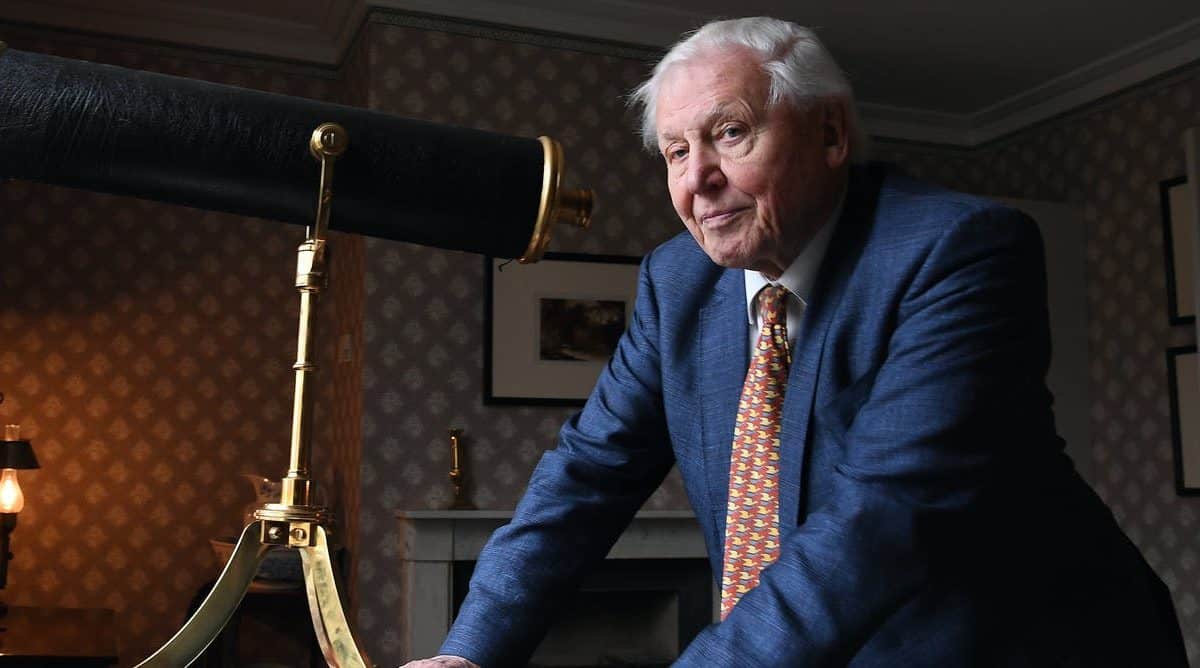
David Attenborough

Image Andy Rain / EPA

Jean-Baptiste Gouyon, UCL

At a recent event on the history of wildlife documentaries, I was asked a question that has popped up regularly in my 15 years of research: “Who, do you think, will replace David Attenborough?”

Now that Sir David is gradually drawing his career to a close with the latest BBC documentary A Perfect Planet, the question appears more topical than ever. But still nobody has emerged to replace him at the top of the food chain. The short answer is that no one can replace David Attenborough because wildlife television – in Britain at least – is constructed around him. Take him away and the whole thing needs to be reinvented.

That Attenborough is irreplaceable has nothing to do with his exceptional individual qualities, but owes everything to the way he’s reached his position as the front-of-the-house person of British wildlife television. For sure, he is a mesmerising storyteller. Yet wildlife television as it is experienced in Britain today came into being over several decades, and one outcome of this process was to establish Attenborough’s skills and approach as the gold-standard, and the man himself as the queen in the hive. https://www.youtube.com/embed/692fiaoJWy8?wmode=transparent&start=0 Attenborough has been on TV since the days of clipped ‘BBC English’ accents.

Attenborough began his work at the BBC in 1953. At the time, Peter Scott was the voice and face of nature on British television. Scott’s series Look was the BBC’s flagship programme and the standard every aspiring wildlife filmmaker aimed for.

With Look, Scott had transferred radio programmes to TV, adding images to the spoken word. In each episode, Scott introduced the work of amateur wildlife cameramen, on which he would improvise a loose commentary, before engaging in a rather guarded conversation with the filmmaker.

By contrast, at the same time, Attenborough was busy producing the successive Zoo Quest series. By the end of the decade, these story-based, scripted programmes, which took viewers on an adventure of discovery had become the most popular animal programmes on British television.

AlsoRead...

Brandon Willington: The Marketing Entrepreneur turning heads across Australia

Brandon Willington: The Marketing Entrepreneur Turning Heads Across Australia

8 January 2026
How Turnkey Building Group Is Restoring Trust In An Industry Known For Customer Disappointment

How Turnkey Building Group Is Restoring Trust In An Industry Known For Customer Disappointment

17 December 2025

In 1965, Attenborough became BBC Two controller. In the years that followed, the BBC Natural History Unit in Bristol began to diversify its output. One strategy was to turn to Attenborough.

First as a model, when for example the unit recruited the naturalist Gerald Durrell to appear in clones of the Zoo Quest programmes in which Durrell could be seen collecting animals for his Jersey Zoo. Then as a contributor, in an effort to import “the Attenborough style” from London to Bristol, notably his habit of scripting in detail the commentary for his programmes, paying close attention to how the words matched the images.
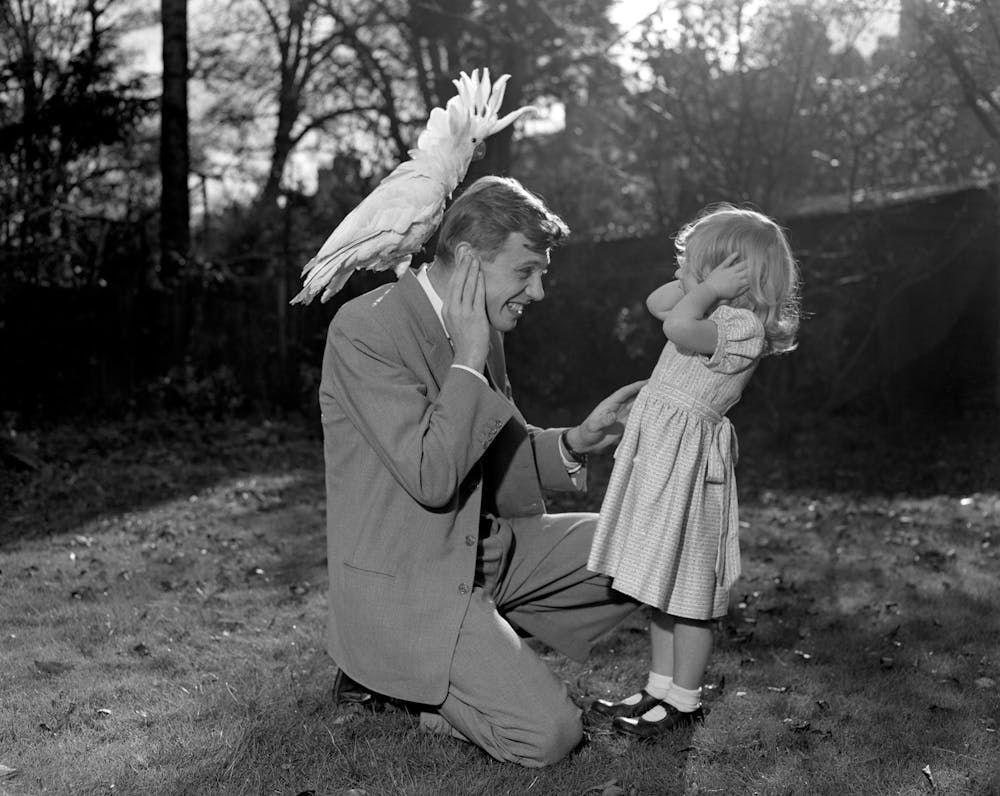
A man with bird on his back kneels beside his daughter.
Attenborough, his daughter, and a sulphur-crested cockatoo, 1957. PA Archive

During his tenure in BBC management from 1965 to 1972, Attenborough profoundly reformed wildlife television. Getting rid of Look, he severed the link with amateur natural history, instead forging an association with scientists working on animal behaviour and evolution through programmes such as Life.

He also promoted the use of pre-recorded material over live sequences, instituting post-production as the key moment in wildlife television-making. Tightly controlled visual performances resting on skilled presenters could then be assembled to produce specific effects on viewers.

When, in November 1972, David Attenborough resigned from his managing position to become a freelance programme maker for the BBC, the professional culture of wildlife television making had changed in such a way that it was easier for him to play a central role in it as a presenter.

From the moment he became a freelancer, the BBC took an active part in fashioning David Attenborough as the voice and face of nature on British television. One of his first contracts with the Natural History Unit was to record the commentary for several episodes of the BBC film-based series The World about Us, which Attenborough himself had launched in 1967 when controller of BBC Two.

Then came Eastward with Attenborough in 1973. The series set in Borneo was meant to reconnect Attenborough with his public. Positive reviews framed the series as the return of the prodigal son of wildlife television. And in 1977 he became the narrator of the weekly series Wildlife on One, which ran until 2005.
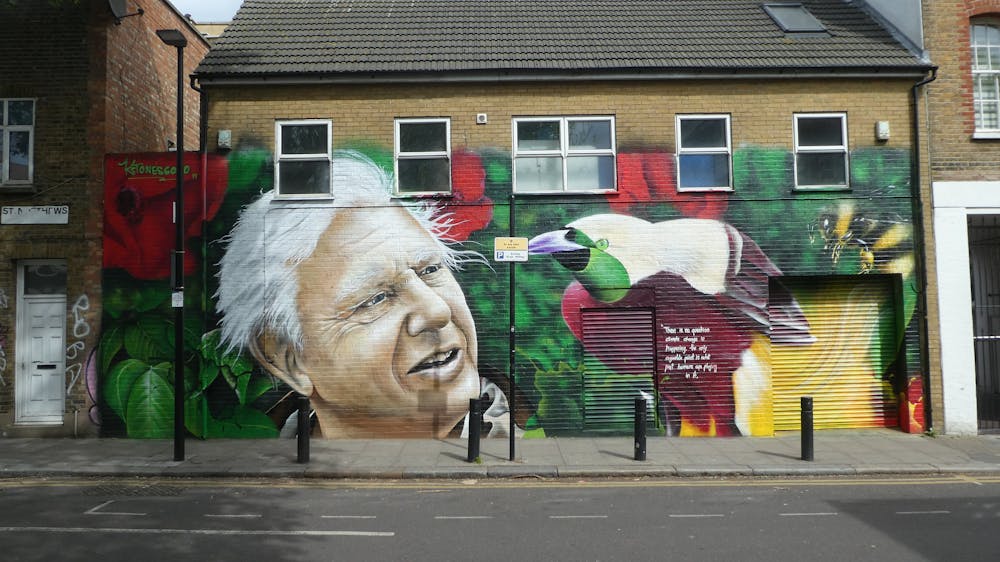
Street art of David Attenborough and a colourful bird
An Attenborough mural in London, 2019. Duncan C / flickr; artist: ketones6000, CC BY-NC-SA

But it was with Life on Earth (1979) that a new approach to producing wildlife television that rested entirely on Attenborough’s performance materialised. Scripting the series and working hand in hand with the producers in Bristol, Attenborough invented for himself the pivotal role of wildlife television writer and performer, wildlife storyteller.

In this role, he did not work for the series producers. Instead they worked for him, providing him with the visual background for his storytelling performance. Attenborough was aware that Life on Earth would consolidate his reputation, as he opposed any contract that would replace him with another presenter for the American version.

The decades since have been dominated by documentaries that are entirely dependent on Attenborough’s involvement and revolve around his performance as a wildlife storyteller. Replacing him will entail changing the very style of programmes that are produced.

Just like a new queen bee has to leave the hive and establish its own colony, for another personality to rise and become as central to wildlife television as David Attenborough is today, wildlife television will have to be reinvented, and different ways of showing nature on TV will have to be found.

What these will be, nobody can predict. My hunch is that it might involve fewer grand vistas and a return to amateur natural history with more down-to-earth, “wildlife on your doorstep” kind of programming.

Jean-Baptiste Gouyon, Associate professor in Science Communication, UCL

This article is republished from The Conversation under a Creative Commons license. Read the original article.

Tags: SB001
DMCA.com Protection Status

SUBSCRIBE to our NEWSLETTER

[mc4wp_form id=”2384248″]

Don't Miss

Lyca Mobile Australia’s Customer-First Overhaul Pays Off with Finder Award Win

by Fazila Olla-Logday
2 February 2026
Lyca Mobile Australia's Customer-First Overhaul Pays Off with Finder Award Win
Technology

Lyca Mobile Australia’s customer-first overhaul has earned a Finder Award, recognising its improved value, service, and stronger focus on Australian...

Read moreDetails

From Driveway to Dream Court: The Rise of High-Performance Hoops at Home in 2026

by Fazila Olla-Logday
20 January 2026
The Rise of High-Performance Hoops at Home in 2026
Sport

High-performance home basketball hoops are gaining momentum in 2026, as more homeowners invest in durable, professional-grade systems that combine advanced...

Read moreDetails

Brandon Willington: The Marketing Entrepreneur Turning Heads Across Australia

by Pauline Torongo
8 January 2026
Brandon Willington: The Marketing Entrepreneur turning heads across Australia
Business & Finance

Brandon Willington, founder of “Where U?” is changing the narrative for Australian businesses tired of inconsistent leads and empty promises.

Read moreDetails

How Turnkey Building Group Is Restoring Trust In An Industry Known For Customer Disappointment

by Fazila Olla-Logday
17 December 2025
How Turnkey Building Group Is Restoring Trust In An Industry Known For Customer Disappointment
Business & Finance

Turnkey Building Group is changing the narrative in an industry often associated with missed deadlines and broken promises. By prioritizing...

Read moreDetails

Risk Awareness for International Travellers – What Australians Should Know Before Entering Multi-State Regions

by Fazila Olla-Logday
10 December 2025
Schengen
Travel

This guide helps Australian travellers understand cross-border requirements, assess political and environmental risks, manage health and safety considerations, and prepare...

Read moreDetails

The evolution of Aesthetic Surgery through the lens of Dr Kourosh Tavakoli

by Pauline Torongo
4 December 2025
The evolution of Aesthetic Surgery through the lens of Dr. Kourosh Tavakoli
Health & Wellness

As global interest in Australian cosmetic surgery continues to grow, the combination of regulation, research and emerging digital tools is...

Read moreDetails

Ryan: Building real freedom through e-commerce

by Pauline Torongo
27 November 2025
Ryan: Building real freedom through e-commerce
Business & Finance

Ryan’s greatest achievement isn’t any single business or revenue milestone — it’s the ecosystem he’s built through the Change community.

Read moreDetails
Load More

Copyright © Blue Sky Publications Ltd. All Rights Reserved.
australiantimes.co.uk is a division of Blue Sky Publications Ltd. Reproduction without permission prohibited. DMCA.com Protection Status

  • About us
  • Write for Us
  • Advertise
  • Contact us
  • T&Cs, Privacy and GDPR
No Result
View All Result
  • News
    • Weather
    • Sport
    • Technology
    • Business & Finance
      • Currency Zone
    • Lotto Results
      • The Lott
  • Lifestyle
    • Entertainment
    • Horoscopes
    • Health & Wellness
    • Recipes
  • Travel
  • Expat Life
  • Move to Australia

Copyright © Blue Sky Publications Ltd. All Rights Reserved.
australiantimes.co.uk is a division of Blue Sky Publications Ltd. Reproduction without permission prohibited. DMCA.com Protection Status

No Result
View All Result
  • News
    • Weather
    • Sport
    • Technology
    • Business & Finance
      • Currency Zone
    • Lotto Results
      • The Lott
  • Lifestyle
    • Entertainment
    • Horoscopes
    • Health & Wellness
    • Recipes
  • Travel
  • Expat Life
  • Move to Australia

Copyright © Blue Sky Publications Ltd. All Rights Reserved.
australiantimes.co.uk is a division of Blue Sky Publications Ltd. Reproduction without permission prohibited. DMCA.com Protection Status





