

• Advertise
  • About us
  • Terms and Conditions
  • Contact us
Sunday, December 7, 2025
Australian Times News
  • News
    • Weather
    • Sport
    • Technology
    • Business & Finance
      • Currency Zone
    • Lotto Results
      • The Lott
  • Lifestyle
    • Entertainment
    • Horoscopes
    • Health & Wellness
    • Recipes
  • Travel
  • Expat Life
  • Move to Australia
No Result
View All Result
  • News
    • Weather
    • Sport
    • Technology
    • Business & Finance
      • Currency Zone
    • Lotto Results
      • The Lott
  • Lifestyle
    • Entertainment
    • Horoscopes
    • Health & Wellness
    • Recipes
  • Travel
  • Expat Life
  • Move to Australia
No Result
View All Result
Australian Times News
No Result
View All Result
Home News

‘Nobody checked on us’: what people with disability told us about their experiences of disasters and emergencies

Australians with disability are disproportionately affected by disasters such as fire, floods, cyclones and heatwaves. Yet we rarely hear their perspectives and insights on what’s needed to ensure they’re not left stranded when disaster strikes.
The Conversation by The Conversation
03-12-2020 06:27
in News
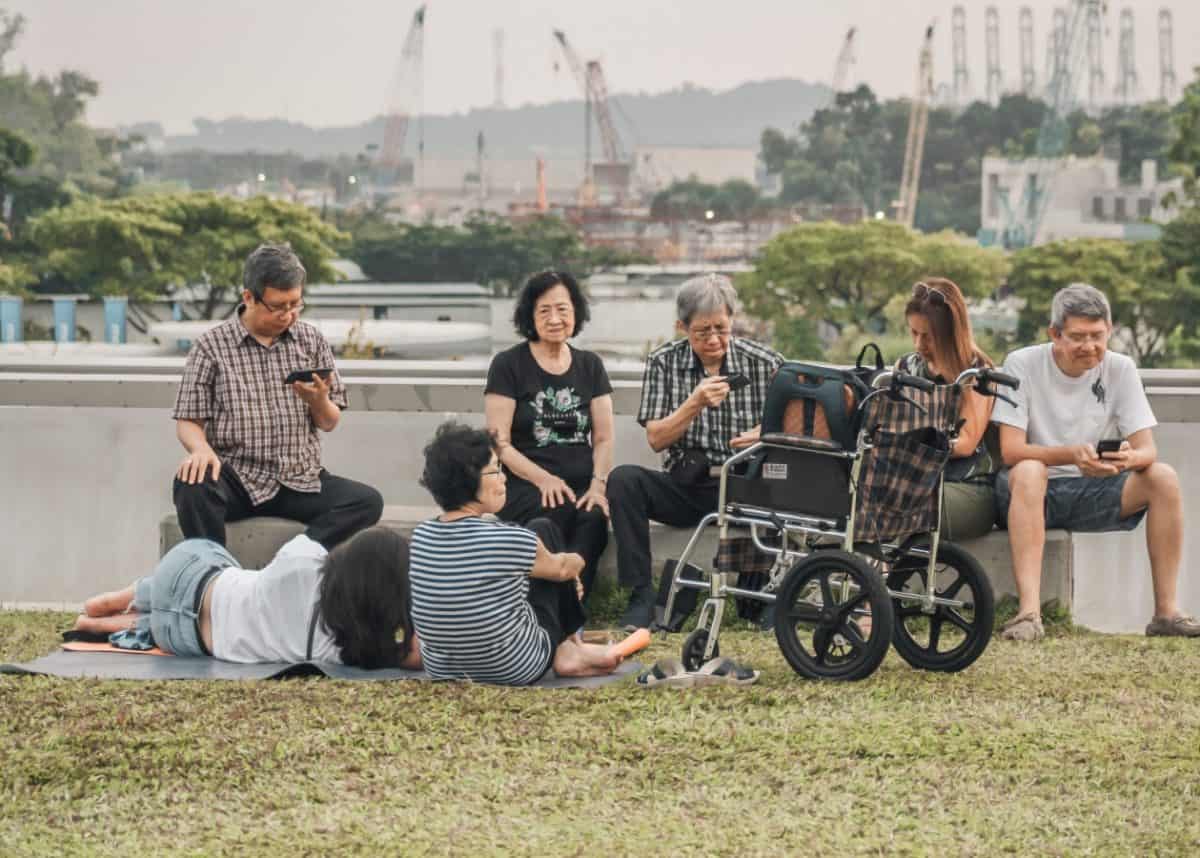
Australians with disability are disproportionately affected by disasters

Australians with disability are disproportionately affected by disasters Photo by Kevia Tan on Unsplash

Michelle Villeneuve, University of Sydney

Australians with disability are disproportionately affected by disasters such as fire, floods, cyclones and heatwaves. Yet we rarely hear their perspectives and insights on what’s needed to ensure they’re not left stranded when disaster strikes.

Images provided by the Disability Inclusive and Disaster Resilient Queensland Project.

So in 2019 we hosted seven community engagement forums in four Queensland communities to find out more about the experiences of people with disability in emergencies. The 190 participants included 66 people with disability. Our research was published this week in the International Journal of Disaster Risk Reduction.

Out of the 66 people with disability we spoke to, only a handful had taken emergency preparedness steps such as:

  • documenting instructions for support workers in an emergency
  • holding household emergency meetings
  • planning evacuation routes.

Australia has no nationally consistent standards to ensure access and inclusion of people with disability in disaster risk reduction. Too often, people with disabilities are left out of the conversation until it’s too late.

Our study participants with disability called for “disability-specific” training and tools (including funding) to help them build emergency preparedness plans.
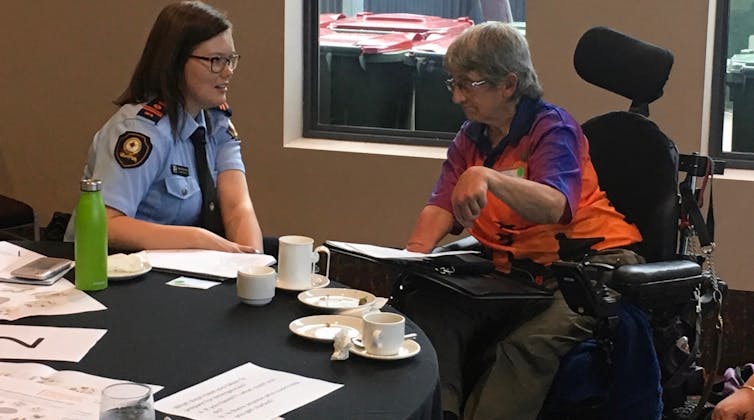
Researchers talk with Queensland community members to understand the experience of people with disability in emergencies.
Australia has no nationally consistent standards to ensure access and inclusion of people with disability in disaster risk reduction. Images provided by the Disability Inclusive and Disaster Resilient Queensland Project.

Preparedness builds confidence – but most ‘don’t have a plan’

For people with disability, having an emergency preparedness plan can help build confidence. One person observed:


AlsoRead...

Ryan: Building real freedom through e-commerce

Ryan: Building real freedom through e-commerce

27 November 2025
Design Australia Group: Redefining Drafting as the engine of housing growth

Design Australia Group: Redefining Drafting as the engine of housing growth

26 November 2025

I noticed that that person felt very confident about how things would progress if there was an emergency because she knew what she would take from her apartment. She had a circle of support around her who understood what her support needs were, and I just picked up on a really strong sense of security and confidence, actually, because it was probably the most fleshed-out plan that I heard.

Another said:

They’ve set themselves up as being self-sufficient, and they had basically emergency kits done up […] They basically had a DEB, a disability emergency bag, done up with the missing pieces. Now they’re prepared for it.

However, most participants with disability reported they “don’t have a plan”, acknowledging emergency plans are “in our heads”. Their plans tend not to have been formalised, communicated to others, or practised to see if they work.

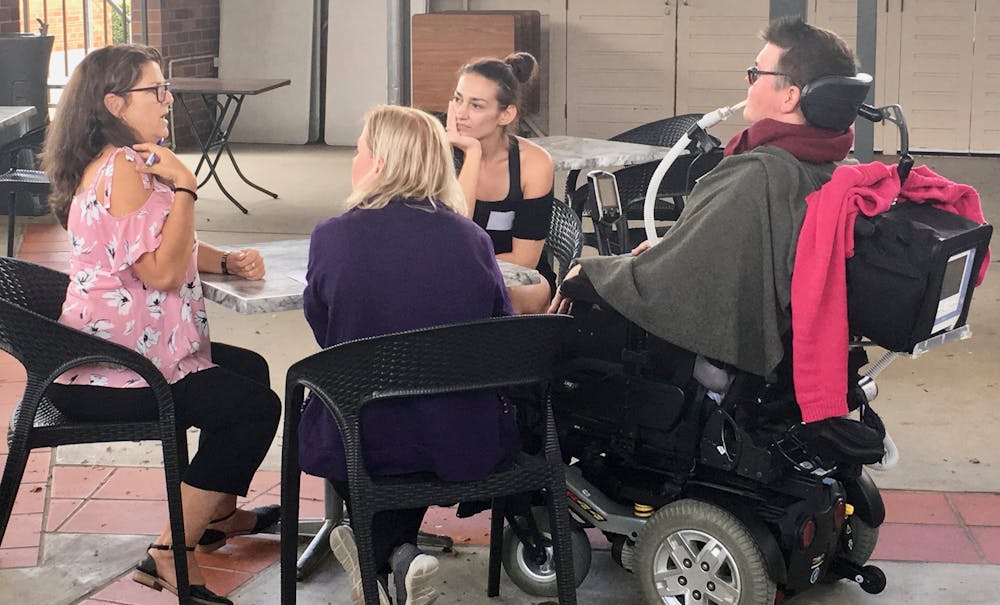
Researchers talk with Queensland community members to understand the experience of people with disability in emergencies.
Most participants with disability reported they ‘don’t have a plan’. Images provided by the Disability Inclusive and Disaster Resilient Queensland Project.

Research shows people with disability are two to four times more likely to die or be injured in a disaster than the general population.

They experience higher risk of injury and loss of property, and greater difficulty with evacuation and sheltering. They generally require more intensive health and social services during and after disasters.

Stigma and discrimination marginalise people with disability from mainstream social, economic and cultural participation. Distressing examples from our study in Queensland reinforced this. One person told us:

That [person] … he’s in a wheelchair. He’s got a unit in [area of town]. Don’t have family, he was under water. His carer was gone; and then we heard that he was there. So, they went over there, and they found him in the water sitting in his [wheel]chair by himself.

Another said:

That was our problem because we went five days, it’s just myself and my brother who has a learning disability, we were in the house for five days. Nobody checked on us.

Then the next person [I spoke to] didn’t feel any sense of community whatsoever. Felt totally isolated through the flood. Doesn’t live in town. Lives on acreage. Had challenges. Carers couldn’t get to him to look after him and the family. Immediate family had disabilities as well. And it would’ve been lovely if somebody had cared.
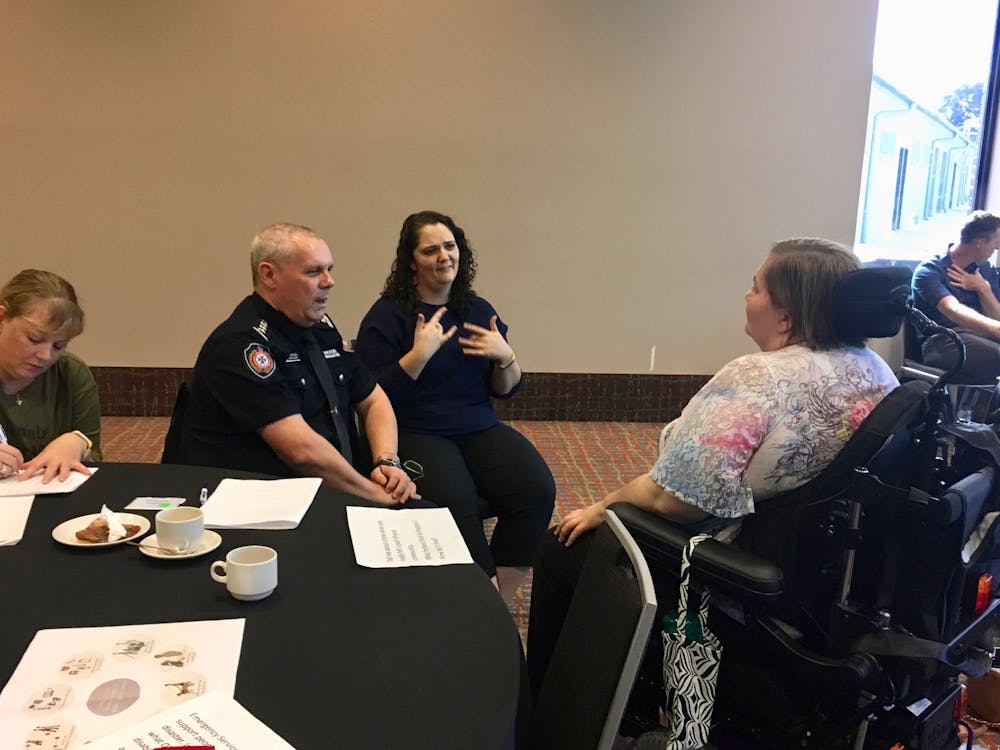
Researchers talk with Queensland community members to understand the experience of people with disability in emergencies.
Research shows people with disability are more likely to die or be injured in a disaster. Images provided by the Disability Inclusive and Disaster Resilient Queensland Project.

Excluded from community engagement

Despite facing disproportionate risk in emergencies, people with disability are often excluded from community engagement activities aimed at boosting self-reliance in a disaster.

A UN survey on disability and disasters found the majority of respondents with disability (85.57%) from 137 countries had not participated in community-level disaster risk reduction.

Only 20% were able to evacuate effectively, rising to 38% when appropriate information was available.

What did people with disability recommend?

First, people with disability want access to the same information others receive. As one interviewee said:

We do a lot of education. I just don’t think it’s tailored to people with disabilities, for sure it’s not.

Another said:

The other thing, which is an eye-opener for me as well, is that you tend to put disability in one group. But I spoke to three different people who had three different disabilities, and you realise that the communication has to be targeted. Because those three people required completely different things. And the information they got was not in a mode which they could use.

The Disability Inclusive Disaster Risk Reduction Framework and Toolkit provides direction for government and emergency services to get started on creating resources in formats people with disability can use.

Second, people with disability want “disability-specific” tools and training, to help them develop a personal emergency preparedness plan.

We worked with the Queenslanders with Disability Network to co-design the Person-Centred Emergency Preparedness Workbook.

The workbook is a four-step conversation guide that helps people with disability to:

  1. identify their strengths and support needs in everyday life
  2. know their level of emergency preparedness and learn about their disaster risk
  3. plan for how they will manage their support needs in an emergency
  4. communicate the plan with the people in their support network and address gaps through collaboration.

Are you an Australian resident living with disability or chronic health condition? The University of Sydney is carrying out a project supporting people with disability to prepare for, respond to and recover from an emergency event such as pandemic, bushfire, flood etc. The researchers are keen to know how prepared you are for an emergency, what you can do for yourself and what supports you need in an emergency. Complete an online survey here. If you prefer a telephone survey, please email your name and contact number to kcha8811@uni.sydney.edu.au


This article was co-authored by Michelle Moss, Director of Policy and Strategic Engagement at the Queenslanders with Disability Network.

Michelle Villeneuve, Associate Professor, University of Sydney

This article is republished from The Conversation under a Creative Commons license. Read the original article.


Tags: SB001
DMCA.com Protection Status

SUBSCRIBE to our NEWSLETTER

[mc4wp_form id=”2384248″]

Don't Miss

The evolution of Aesthetic Surgery through the lens of Dr Kourosh Tavakoli

by Pauline Torongo
4 December 2025
The evolution of Aesthetic Surgery through the lens of Dr. Kourosh Tavakoli
Health & Wellness

As global interest in Australian cosmetic surgery continues to grow, the combination of regulation, research and emerging digital tools is...

Read moreDetails

Ryan: Building real freedom through e-commerce

by Pauline Torongo
27 November 2025
Ryan: Building real freedom through e-commerce
Business & Finance

Ryan’s greatest achievement isn’t any single business or revenue milestone — it’s the ecosystem he’s built through the Change community.

Read moreDetails

Design Australia Group: Redefining Drafting as the engine of housing growth

by Pauline Torongo
26 November 2025
Design Australia Group: Redefining Drafting as the engine of housing growth
Business & Finance

Australia is under pressure to build homes faster, but design bottlenecks slow progress. Design Australia Group is fixing this by...

Read moreDetails

Louis Guy Detata builds Global Trading Empires through autonomous systems and disciplined leadership

by Pauline Torongo
25 November 2025
Louis Guy Detata builds Global Trading Empires through autonomous systems and disciplined leadership
Business & Finance

The path from investment banking to leading a global trading platform has taught Louis Detata that sustainable success requires more...

Read moreDetails

Burning Eucalyptus Wood: Tips, Advantages, Disadvantages & Alternatives

by Fazila Olla-Logday
20 November 2025
Image Supplied
Enviroment

Learn about burning eucalyptus wood for stoves and fireplaces. Discover benefits, drawbacks, harvesting tips, and better alternative firewood options for...

Read moreDetails

Everything Parents Need to Know About Baby Soft Play and Why It’s a Game Changer

by Fazila Olla-Logday
11 November 2025
Everything Parents Need to Know About Baby Soft Play
Health & Wellness

Baby soft play is a fun, safe, and educational way for little ones to explore and grow. Discover the benefits...

Read moreDetails

WOMAD Sets Up a New Camp in Wiltshire – Australian festival fans take note!

by Kris Griffiths
11 November 2025
Kumbia Boruka brought their reggae and dancehall flavour to the Taste the World Stage at WOMAD 2024 - Credit - Mike Massaro
Entertainment

With its 2026 edition moving to Neston Park in England, WOMAD offers Aussie music lovers a chance to reconnect with global...

Read moreDetails
Load More

Copyright © Blue Sky Publications Ltd. All Rights Reserved.
australiantimes.co.uk is a division of Blue Sky Publications Ltd. Reproduction without permission prohibited. DMCA.com Protection Status

  • About us
  • Write for Us
  • Advertise
  • Contact us
  • T&Cs, Privacy and GDPR
No Result
View All Result
  • News
    • Weather
    • Sport
    • Technology
    • Business & Finance
      • Currency Zone
    • Lotto Results
      • The Lott
  • Lifestyle
    • Entertainment
    • Horoscopes
    • Health & Wellness
    • Recipes
  • Travel
  • Expat Life
  • Move to Australia

Copyright © Blue Sky Publications Ltd. All Rights Reserved.
australiantimes.co.uk is a division of Blue Sky Publications Ltd. Reproduction without permission prohibited. DMCA.com Protection Status

No Result
View All Result
  • News
    • Weather
    • Sport
    • Technology
    • Business & Finance
      • Currency Zone
    • Lotto Results
      • The Lott
  • Lifestyle
    • Entertainment
    • Horoscopes
    • Health & Wellness
    • Recipes
  • Travel
  • Expat Life
  • Move to Australia

Copyright © Blue Sky Publications Ltd. All Rights Reserved.
australiantimes.co.uk is a division of Blue Sky Publications Ltd. Reproduction without permission prohibited. DMCA.com Protection Status





