

• Advertise
  • About us
  • Terms and Conditions
  • Contact us
Thursday, May 14, 2026
Australian Times News
  • News
    • Weather
    • Sport
    • Technology
    • Business & Finance
      • Currency Zone
    • Lotto Results
      • The Lott
  • Lifestyle
    • Entertainment
    • Horoscopes
    • Health & Wellness
    • Recipes
  • Travel
  • Expat Life
  • Move to Australia
No Result
View All Result
  • News
    • Weather
    • Sport
    • Technology
    • Business & Finance
      • Currency Zone
    • Lotto Results
      • The Lott
  • Lifestyle
    • Entertainment
    • Horoscopes
    • Health & Wellness
    • Recipes
  • Travel
  • Expat Life
  • Move to Australia
No Result
View All Result
Australian Times News
No Result
View All Result
Home News

The coronavirus pandemic has worsened tinnitus for many sufferers – new research

We learn more about the effects of COVID-19 on our health every day. We now know that contracting the coronavirus SARS-COV-2 can have a long-term impact on our heart and lungs, and the infection can even persist for months in some people.
The Conversation by The Conversation
09-11-2020 01:37
in News
The coronavirus pandemic has worsened tinnitus

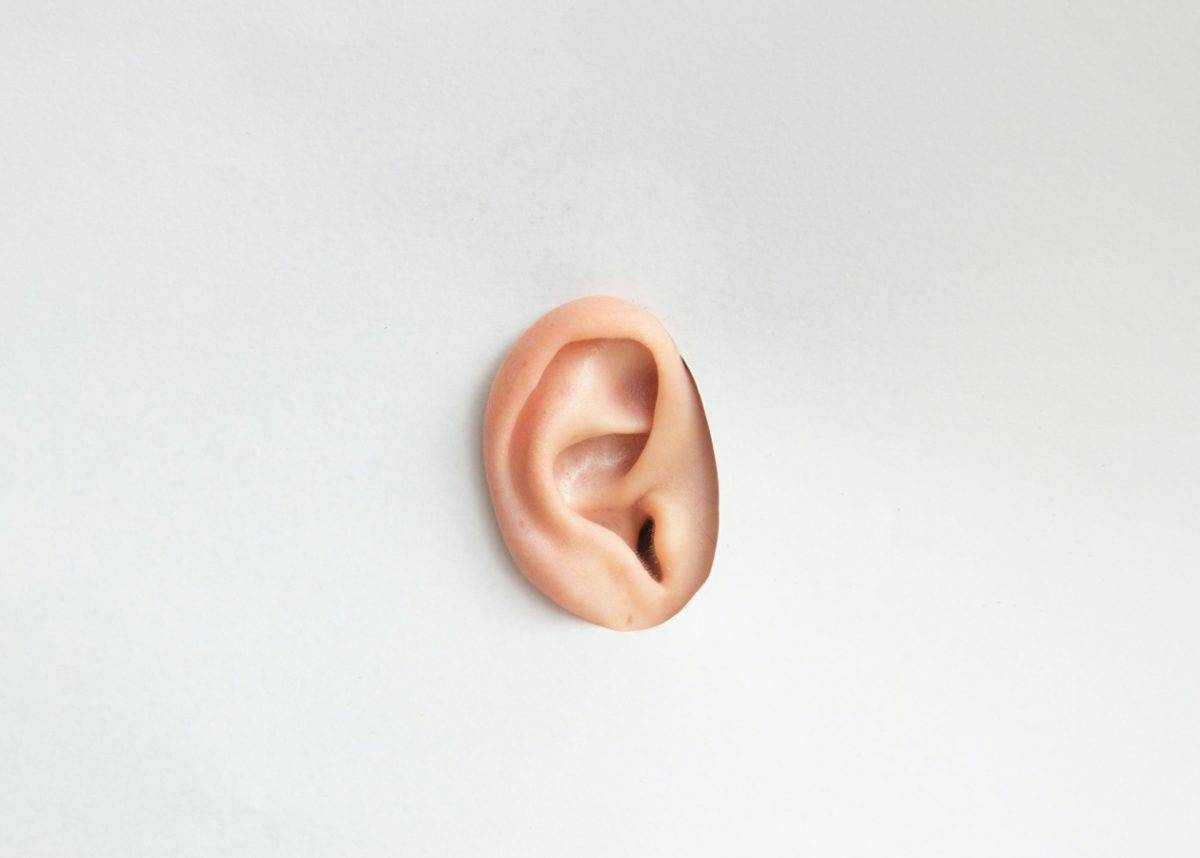
The coronavirus pandemic has worsened tinnitus Photo by Franco Antonio Giovanella on Unsplash

Eldre Beukes, Anglia Ruskin University

We learn more about the effects of COVID-19 on our health every day. We now know that contracting the coronavirus SARS-COV-2 can have a long-term impact on our heart and lungs, and the infection can even persist for months in some people.

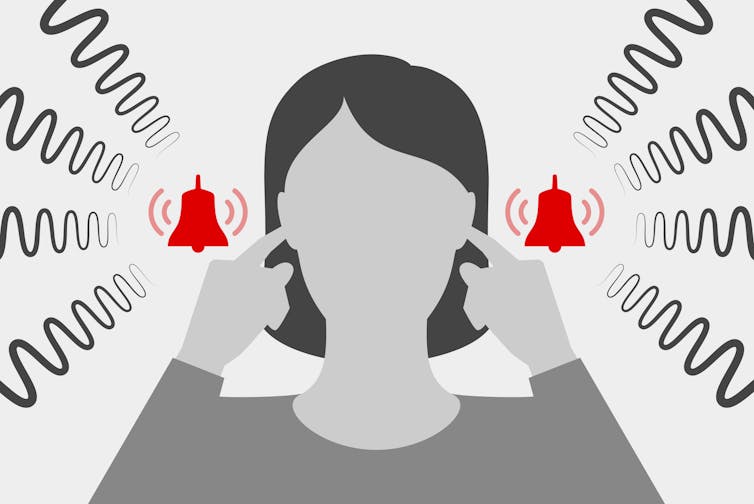
Around 40% of people with pre-existing tinnitus experienced a worsening of symptoms after contracting COVID-19. Elena Abrazhevich/ Shutterstock

We are now also seeing reports that COVID-19 is producing hearing-related symptoms, such dizziness, vertigo and hearing loss. Our recent study has also found that the pandemic has worsened tinnitus for many individuals.

Tinnitus is characterised by hearing unwanted sounds, such as a ringing or buzzing in your ears, without a corresponding external sound. It’s one of the most frequently occurring chronic conditions, affecting 12%–30% of the adult population worldwide. Although tinnitus occurs in all age groups, it’s more common in older adults.

Numerous factors – including hearing loss, ear infections, exposure to loud noise and head injuries – are known to be associated with developing tinnitus. It can also be made worse by certain noises, poor sleep, allergies or infections.

People with tinnitus are found to be at higher risk of lower emotional wellbeing, depression and anxiety, possibly because of people’s frustration with their inability to escape or control the condition. Tinnitus may also make it difficult to sleep and concentrate, which can affect daytime functioning.

This led our team to realise that people with tinnitus might be experiencing increased levels of the condition as a result of the added stress and anxiety brought on by the pandemic. As such, we decided to perform an exploratory study to examine changes in tinnitus during the pandemic.


AlsoRead...

Svitla Systems

Svitla Systems acquires Australia’s Kiandra IT to expand Global Engineering Footprint and Accelerate AI-Driven delivery

11 May 2026
How Clevero is helping Australian Service Businesses compete with Enterprises on a Fraction of the Budget

How Clevero is helping Australian Service Businesses compete with Enterprises on a Fraction of the Budget

28 April 2026

Getting worse

We surveyed a total of 3,103 people with tinnitus from 48 countries, almost half of whom were from the US and Canada. Although the survey was aimed at those with pre-existing tinnitus, seven respondents reported that having COVID-19 led to tinnitus, and four reported it led to hearing loss. These symptoms remained despite recovering from the virus, confirming what other studies have reported.

Of the respondents, 237 reported experiencing COVID-19 symptoms, and 26 had tested positive for the virus. Of those reporting symptoms, 40% said their pre-existing tinnitus worsened as a result.

Those who took medication (such as paracetamol or tyenol) to alleviate coronavirus symptoms reported a significant increase in the presence of their tinnitus. Certain medications (such as aspirin and some antibiotics) are known to have an adverse effect on hearing and tinnitus, so closely monitoring hospitalised patients will be important.

Of the respondents who had not had COVID-19, 67% reported their tinnitus stayed the same during the pandemic, worsened for 32%, and improved for 1% of respondents. Females and younger adults (under the age of 50 years) found tinnitus significantly more bothersome during the pandemic.

The respondents in these groups explained that these changes might partly be caused by changes in employment and increased childcare and household responsibilities during the pandemic. This may be associated with possible exposure to more noise (such as toys, or DIY tools) or higher levels of stress which often aggravates tinnitus.

Young mother holding child as she tries to speak on the phone while working from home.
Increased childcare responsibilities might be one reason tinnitus worsened for women. ErsinTekkol/ Shutterstock

Other factors found to have worsened participants’ tinnitus during the pandemic included health-related concerns, social distancing measures, lifestyle changes, and reduced exercise levels. Health-related concerns included worrying about contracting the virus and not been able to receive healthcare for other conditions during the pandemic.

Respondents reported that the pandemic made it more difficult to do activities that helped distract them from their tinnitus – such as going to an exercise class. It was also harder for them to relax due to the constant worry, which aggravated their tinnitus. Loneliness as a result of fewer social interactions, self-isolation and poor sleep also significantly worsened tinnitus.

Healthcare support for tinnitus was not always readily available during the pandemic, and the lockdown restrictions also limited social support and contributed to feelings of loneliness. Lack of support may also have contributed to worsening tinnitus due to people feeling unable to deal with the condition alone.

Respondents also reported that higher levels of depression, anxiety, irritability, and financial worries also contributed significantly to tinnitus being more bothersome during the pandemic. This finding highlights the complex two-way interaction that exists between tinnitus and emotional distress. They can trigger or worsen each other, and tinnitus frequently spikes or begins during stressful periods.

Due to the influx of reports of tinnitus and hearing loss associated with contracting COVID-19, there’s a need for further research in this area. In theory, COVID-19 could cause problems with parts of the auditory system.

Viral infections, including the Herpes viruses, rubella, cytomegalovirus, measles and mumps are all known to affect the hearing and/or balance system – and this could be the same with SARS-COV-2. However, more research is needed to identify whether there’s a link between COVID-19, tinnitus and hearing loss, and the mechanisms behind this possible association.

For those who have developed tinnitus or experienced a worsening of it during the pandemic, medical services, helplines, and online support groups can help. Cognitive behavioural therapy and mindfulness may also help people better manage tinnitus.

Eldre Beukes, Postdoctoral Fellow in Audiology, Anglia Ruskin University

This article is republished from The Conversation under a Creative Commons license. Read the original article.


Tags: SB001
DMCA.com Protection Status

SUBSCRIBE to our NEWSLETTER

[mc4wp_form id=”2384248″]

Don't Miss

Svitla Systems acquires Australia’s Kiandra IT to expand Global Engineering Footprint and Accelerate AI-Driven delivery

by Pauline Torongo
11 May 2026
Svitla Systems
Business & Finance

Acquisition marks Svitla’s entry into the Australian market and strengthens capabilities in low-code, Microsoft technologies, and enterprise software engineering.

Read moreDetails

Residential Healthcare Practices: Revolution or Evolution?

by Pauline Torongo
11 May 2026
Residential Healthcare Practices: Revolution or Evolution?
Lifestyle

President Bill Lutz’s "revolution" was born from his background in fine dining, which instilled a disciplined, customer-focused approach.

Read moreDetails

Medicana Health Group launches HPV vaccination campaign to support cervical cancer prevention

by Pauline Torongo
28 April 2026
Medicana Health Group launches HPV vaccination campaign to support cervical cancer prevention
Health & Wellness

The Türkiye-based healthcare group has introduced a new awareness campaign focused on HPV vaccination, regular check-ups and early detection, with...

Read moreDetails

How Clevero is helping Australian Service Businesses compete with Enterprises on a Fraction of the Budget

by Pauline Torongo
28 April 2026
How Clevero is helping Australian Service Businesses compete with Enterprises on a Fraction of the Budget
Business & Finance

By consolidating CRM, scheduling, workflow automation, invoicing, reporting, and client communications into a single platform, Clevero gives smaller operators the...

Read moreDetails

How CJAM Group is building 1,100 homes across Southeast Queensland

by Pauline Torongo
24 March 2026
How CJAM Group is building 1,100 homes across Southeast Queensland
Lifestyle

The CJAM Group founder is quietly building a 1,100+ home pipeline, with projects in Hervey Bay and Toowoomba, using a...

Read moreDetails

Design Without Compromise: Where Gutter Protection Meets Modern Architecture

by Fazila Olla-Logday
20 March 2026
Design Without Compromise: Where Gutter Protection Meets Modern Architecture
Business & Finance

Design without compromise by integrating gutter protection seamlessly into modern architecture. Discover how innovative gutter systems enhance your home’s aesthetics...

Read moreDetails

How WageSafe Secured Australia’s Most Reputable Retail Business Among Its Premium Clients

by Fazila Olla-Logday
12 March 2026
How WageSafe Secured Australia’s Most Reputable Retail Business Among Its Premium Clients
at

Learn how WageSafe helps businesses stay compliant with payroll and wage regulations through reliable monitoring, risk management, and expert support—protecting...

Read moreDetails
Load More

Copyright © Blue Sky Publications Ltd. All Rights Reserved.
australiantimes.co.uk is a division of Blue Sky Publications Ltd. Reproduction without permission prohibited. DMCA.com Protection Status

  • About us
  • Write for Us
  • Advertise
  • Contact us
  • T&Cs, Privacy and GDPR
No Result
View All Result
  • News
    • Weather
    • Sport
    • Technology
    • Business & Finance
      • Currency Zone
    • Lotto Results
      • The Lott
  • Lifestyle
    • Entertainment
    • Horoscopes
    • Health & Wellness
    • Recipes
  • Travel
  • Expat Life
  • Move to Australia

Copyright © Blue Sky Publications Ltd. All Rights Reserved.
australiantimes.co.uk is a division of Blue Sky Publications Ltd. Reproduction without permission prohibited. DMCA.com Protection Status

No Result
View All Result
  • News
    • Weather
    • Sport
    • Technology
    • Business & Finance
      • Currency Zone
    • Lotto Results
      • The Lott
  • Lifestyle
    • Entertainment
    • Horoscopes
    • Health & Wellness
    • Recipes
  • Travel
  • Expat Life
  • Move to Australia

Copyright © Blue Sky Publications Ltd. All Rights Reserved.
australiantimes.co.uk is a division of Blue Sky Publications Ltd. Reproduction without permission prohibited. DMCA.com Protection Status





