


Pippa Moore, Newcastle University and Nick Atkinson, Centre for Ecology & Hydrology
The climate crisis means that countries around the world are not only looking to reduce their greenhouse gas emissions – but also to increase natural carbon sequestration.
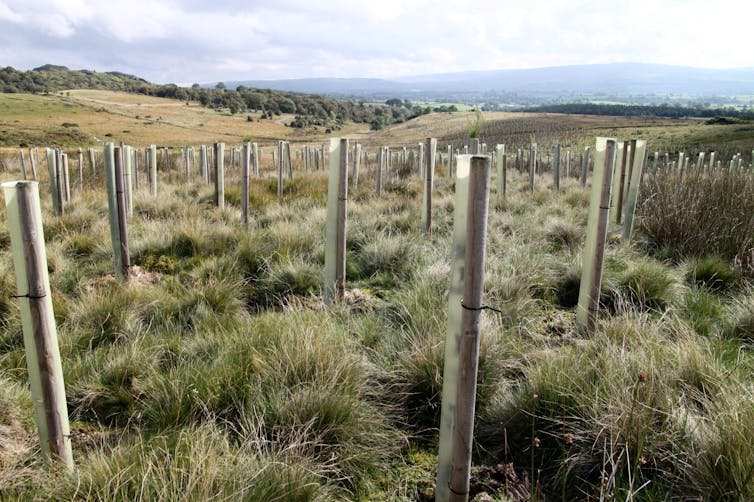
The UK government, for example, is committed to a massive increase in woodland cover – some 30,000 hectares (300km²) per year – to meet its legally binding 2050 net zero greenhouse gas emissions target. Together with re-wetting half the country’s degraded peatlands, this will help offset residual emissions in other sectors.
Yet as an island nation with the 12th longest coastline in the world, perhaps the UK is missing something. Marine and coastal habitats are rich in carbon, but they are entirely overlooked in the greenhouse gas (GHG) inventory.
GHG inventories are national accounts of emissions that cause global warming, from transport, construction, agriculture and so on, and underpin any country’s national and international reporting requirements for greenhouse gases. They include a category for land-based carbon sinks, such as woodlands and peat bogs. Coastal habitats, however, such as saltmarshes, seagrass meadows and kelp forests, aren’t currently included in the UK’s inventory.
Large areas of these habitats have been lost or damaged by agriculture, aquaculture and fisheries practice, so their exclusion potentially hides a national loss of carbon. Indeed, globally it is estimated that the CO₂ lost from degraded or vanished coastal wetlands is equivalent to the annual greenhouse gas emissions of the UK.
The trouble with woodland
The government’s much publicised but largely unrealised tree-planting ambitions currently meet around a third of the required 30,000 hectares per year. There are many reasons why woodland expansion is desirable, but it’s also a tough ask. Land is a valuable commodity and woodland creation always comes with an opportunity cost: the goods or income that the land might otherwise achieve.


This is particularly true where that land is in private hands. The costs of tree planting are mostly upfront and it can be many years before a woodland breaks even financially. Yet even in the 1980s, with government subsidies that perversely incentivised the creation of plantations in the least appropriate areas, the highest planting rates never topped what we now need to see on a sustained basis for the next three decades.
Trees also take a long time to grow. Some have argued that by the time the carbon is locked into the trees and the soils beneath them it will be too late to stop runaway temperature rise. Others point to the multiple benefits that woodlands provide, such as timber, recreation and natural flood protection, as reasons canopy extent should be expanded no matter the difficulties.
Carbon coastline
Given these issues, it’s worth noting that the UK is surrounded by some of the most productive actively sequestering habitats on the planet. Often referred to as “blue carbon” habitats, saltmarshes and seagrass meadows lock carbon down by trapping organic material into sediment, which can build at rates similar to temperate woodland plantations.
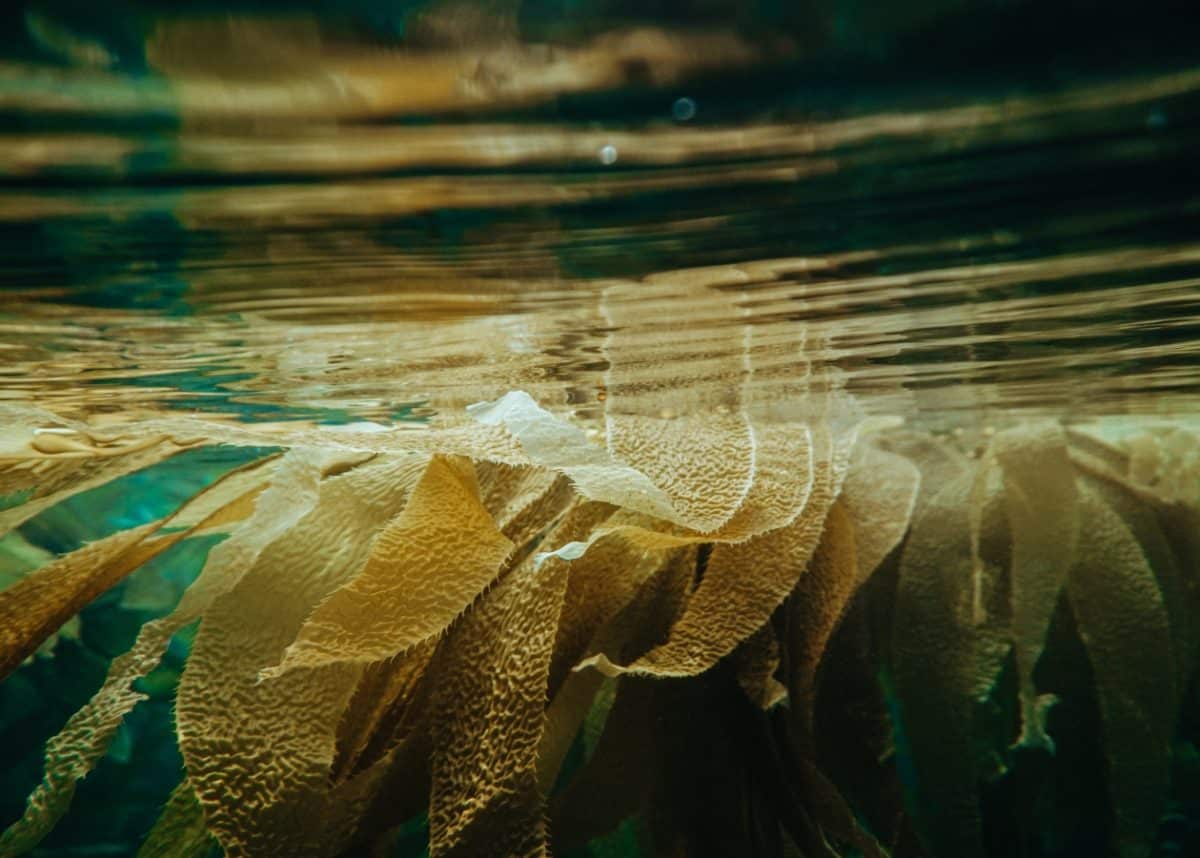
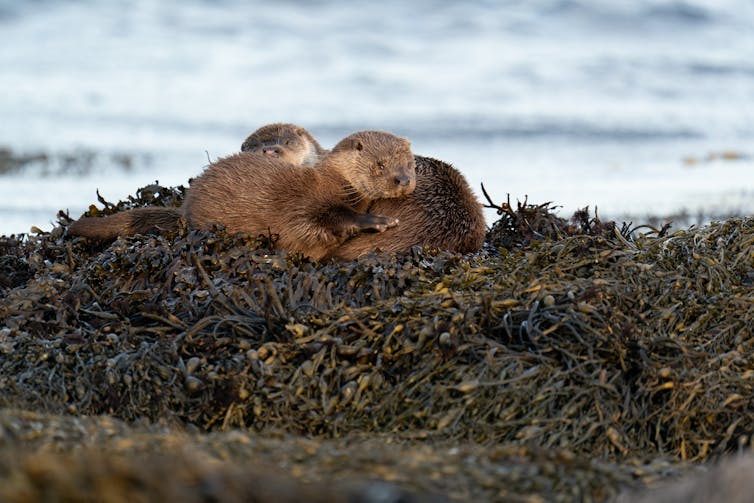
Meanwhile, kelp forests grow on rocky surfaces and so don’t sequester carbon locally, but produce and release large amounts of carbon via erosion. Some of this carbon then makes its way to be sequestered in sea lochs, offshore sediments and the deep sea.
It’s perhaps surprising that these extensive sources and sinks of carbon are ignored in the UK government’s greenhouse gas accounting, especially when nations such as Belize and another 27 countries around the world are including coastal wetlands in their national response to climate change.
What lies beneath
The exclusion is primarily due to some significant knowledge gaps. To date, estimates of the UK’s coastal and marine carbon stocks and flows come from a single study in Scotland, which suggested nearly 8 million tonnes of marine-derived carbon is sequestered around the Scottish coast each year.
When scaled across the whole of the UK these quantities will be much higher, but the full extent of many of the country’s coastal carbon stores is unknown. Mapping underwater habitats is a challenging and costly process, requiring a combination of direct and remotely-sensed observations, and computer modelling.
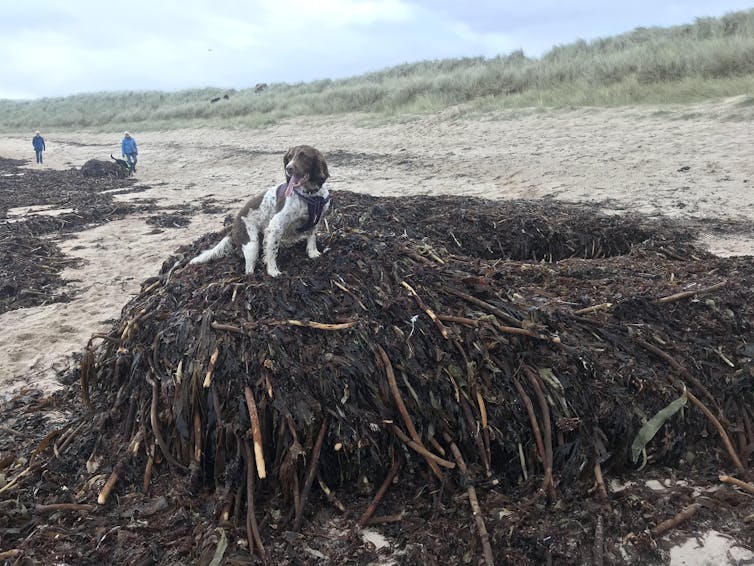
Another unknown is precisely how carbon is sequestered, partitioned and stored over space and time. Kelp forests are more extensive around the UK than seagrass meadows and saltmarsh, and we need to identify the sinks where the kelp’s carbon ends up.
But these knowledge gaps shouldn’t be a hindrance. Importantly, including these habitats in the greenhouse gas inventory would also benefit conservation efforts. Protecting and restoring seagrass meadows, saltmarshes and kelp forests would supply a host of additional ecosystem services. Together they provide nurseries for many commercially important species such as cod, crab and lobster. They also reduce coastal flooding and erosion and play a major role in maintaining water quality.
As on land, marine habitats depend on connectivity to function. Many species move between different habitats, so a holistic conservation approach is required.
A focus on blue carbon would also fit well with the shifting business attention on the “triple bottom line”, which makes environmental and social governance as important as financial profits. Supermarket supply chains, for example, could become more sustainable if action was also being taken to protect the environments from which products are being harvested.
With the UK chairing next year’s COP 26 UN climate conference, there is a real opportunity to demonstrate global leadership. Let’s hope this isn’t missed.
Pippa Moore, Professor of Marine Science, Newcastle University and Nick Atkinson, Associate Fellow, Centre for Ecology & Hydrology
This article is republished from The Conversation under a Creative Commons license. Read the original article.







