

• Advertise
  • About us
  • Terms and Conditions
  • Contact us
Saturday, December 6, 2025
Australian Times News
  • News
    • Weather
    • Sport
    • Technology
    • Business & Finance
      • Currency Zone
    • Lotto Results
      • The Lott
  • Lifestyle
    • Entertainment
    • Horoscopes
    • Health & Wellness
    • Recipes
  • Travel
  • Expat Life
  • Move to Australia
No Result
View All Result
  • News
    • Weather
    • Sport
    • Technology
    • Business & Finance
      • Currency Zone
    • Lotto Results
      • The Lott
  • Lifestyle
    • Entertainment
    • Horoscopes
    • Health & Wellness
    • Recipes
  • Travel
  • Expat Life
  • Move to Australia
No Result
View All Result
Australian Times News
No Result
View All Result
Home News

Why sleep experts say it’s time to ditch daylight saving time

The American Academy of Sleep Medicine, the largest scientific organization that studies sleep, now wants to replace daylight saving time with a move to a year-round fixed time.

The Conversation by The Conversation
29-10-2020 18:07
in News
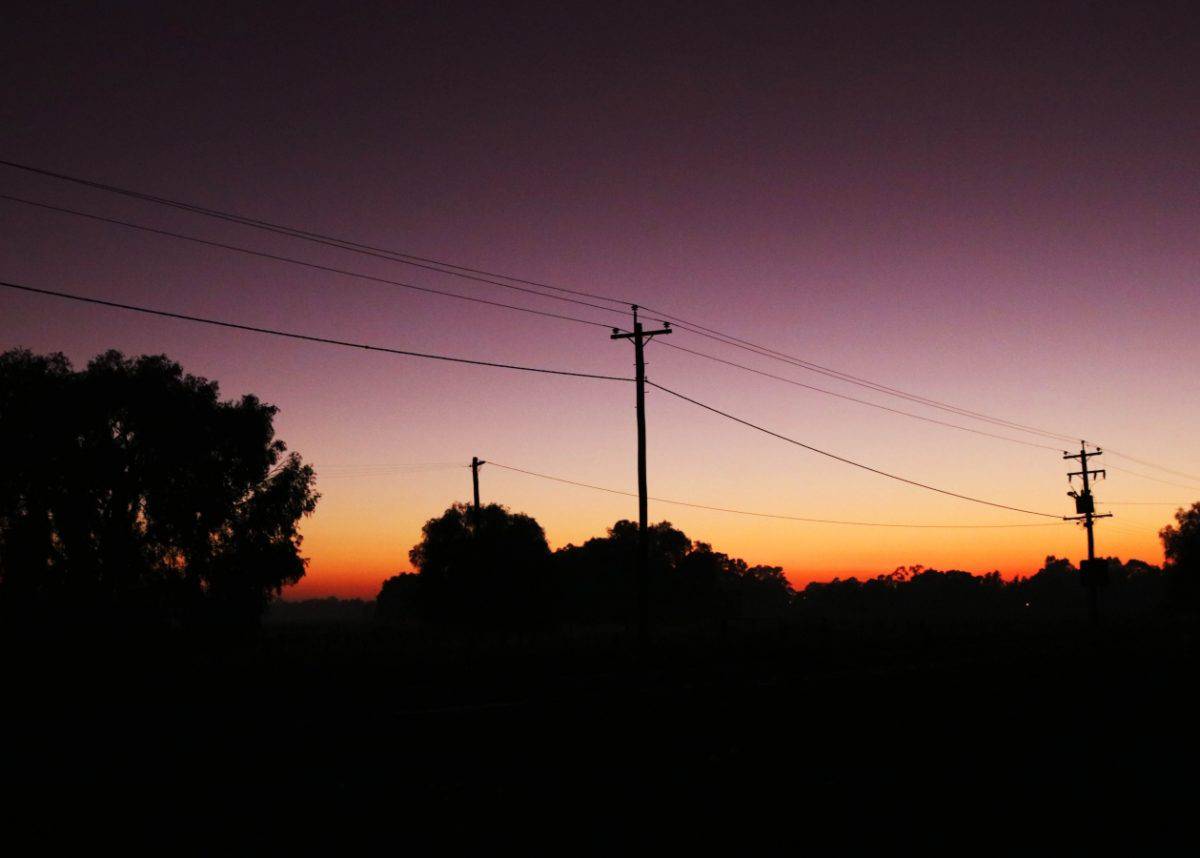
Time to ditch daylight saving time

Time to ditch daylight saving time Photo by Victoria Kennedy on Unsplash

Michael S. Jaffee, University of Florida

For most of the U.S., the clock goes back one hour on Sunday morning, Nov. 1, the “fall back” for daylight saving time. Many of us appreciate the extra hour of sleep.

“Spring forward, fall back”: The clock goes back one hour on Nov. 1. billberryphotography via Getty Images

But for millions, that gain won’t counter the inadequate sleep they get the rest of the year. About 40% of adults – 50 to 70 million Americans – get less than the recommended minimum seven hours per night.

Some researchers are concerned about how the twice-a-year switch impacts our body’s physiology. The American Academy of Sleep Medicine, the largest scientific organization that studies sleep, now wants to replace daylight saving time with a move to a year-round fixed time. That way, our internal circadian clocks would not be misaligned for half the year. And it would eliminate the safety risk from sleep loss when transitioning to daylight savings time.

I am a neurologist at the University of Florida. I’ve studied how a lack of sleep can impair the brain. In the 1940s, most American adults averaged 7.9 hours of sleep a night. Today, it’s only 6.9 hours. To put it another way: In 1942, 84% of us got the recommended seven to nine hours; in 2013, it was 59%. To break it down further, a January 2018 study from Fitbit reported that men got even less sleep per night than women, about 6.5 hours.

A six year old needs nine to twelve hours of sleep a day.
Children age 12 and under need 9-12 hours of sleep per night. Tetra Images via Getty Images

The case for sleep

Problems from sleep shortage go beyond simply being tired. Compared to those who got enough sleep, adults who are short sleepers – those getting less than seven hours per day – were more likely to report 10 chronic health conditions, including heart disease, diabetes, obesity, asthma and depression.

Children, who need more sleep than adults, face even more challenges. To promote optimal health, six- to 12-year-olds should sleep nine to 12 hours a day; teens from 13 to 18, eight to 10 hours. But a Sleep Foundation poll of parents says children are getting at least one hour less than that. And researchers have found that sleep deprivation of even a single hour can harm a child’s developing brain, affecting memory encoding and attentiveness in school.


AlsoRead...

Ryan: Building real freedom through e-commerce

Ryan: Building real freedom through e-commerce

27 November 2025
Design Australia Group: Redefining Drafting as the engine of housing growth

Design Australia Group: Redefining Drafting as the engine of housing growth

26 November 2025

Sleep impacts every one of our biological systems. Serious consequences can result with poor sleep quality. Here’s a short list: Blood pressure may increase. Risk of coronary heart disease could go up. Our endocrine system releases more cortisol, a stress hormone. We become more aroused by “fight or flight” syndrome. There’s a reduction of growth hormone and muscle maintenance. There’s a higher chance of increased appetite and weight gain. The body has less glucose tolerance and greater insulin resistance; in the long term, that means an increased risk for Type 2 diabetes.

Sleep deprivation is associated with increased inflammation and a decreased number of antibodies to fight infections. It may also cause a decrease in pain tolerance, reaction times and memory. Occupational studies show sleep loss can cause poor work performance, including more days missed and more car accidents.

Recent research suggests the body’s waste removal process relies on sleep to get rid of harmful proteins from the brain, particularly abnormal variants of amyloid. These are the same proteins that are elevated in Alzheimer’s patients. Studies show that older adults who sleep less have greater accumulation of these proteins in their brains.

On the other hand, getting enough sleep helps the body in many ways by protecting against some of these damaging effects and by boosting the immune system.

Some educators worry about transporting schoolchildren at dusk.
Some educators worry about the safety factor when transporting schoolchildren at dusk. FatCamera via Getty Images

The problem with DST

Most of the risk associated with daylight saving time occurs in the spring, when we turn the clock forward and lose one hour of sleep. The idea of a national permanent year-round time has support, but disagreements exist on whether the fixed time should be standard time or daylight savings time.

States advocating for permanent daylight saving time are typically those that rely on tourism. Environmentalists, favoring less energy consumption from morning heating and evening air conditioning, often support permanent standard time. Religious groups, whose prayer times are linked to sundown and sunrise, also tend to prefer permanent standard time. So do many educators, opposed to transporting children to school during mornings when it’s still dark.

As you ponder what system is best for a national year-round standard, consider this: The American Academy of Sleep Medicine has recommended we go with permanent standard time – a better way to align with our natural circadian clock and minimize health and safety risks.

And just think: If we change to permanent standard time, then for the first time in decades, you won’t lose an hour of sleep every spring.

Michael S. Jaffee, Vice Chair, Department of Neurology, University of Florida

This article is republished from The Conversation under a Creative Commons license. Read the original article.


Tags: SB001
DMCA.com Protection Status

SUBSCRIBE to our NEWSLETTER

[mc4wp_form id=”2384248″]

Don't Miss

The evolution of Aesthetic Surgery through the lens of Dr Kourosh Tavakoli

by Pauline Torongo
4 December 2025
The evolution of Aesthetic Surgery through the lens of Dr. Kourosh Tavakoli
Health & Wellness

As global interest in Australian cosmetic surgery continues to grow, the combination of regulation, research and emerging digital tools is...

Read moreDetails

Ryan: Building real freedom through e-commerce

by Pauline Torongo
27 November 2025
Ryan: Building real freedom through e-commerce
Business & Finance

Ryan’s greatest achievement isn’t any single business or revenue milestone — it’s the ecosystem he’s built through the Change community.

Read moreDetails

Design Australia Group: Redefining Drafting as the engine of housing growth

by Pauline Torongo
26 November 2025
Design Australia Group: Redefining Drafting as the engine of housing growth
Business & Finance

Australia is under pressure to build homes faster, but design bottlenecks slow progress. Design Australia Group is fixing this by...

Read moreDetails

Louis Guy Detata builds Global Trading Empires through autonomous systems and disciplined leadership

by Pauline Torongo
25 November 2025
Louis Guy Detata builds Global Trading Empires through autonomous systems and disciplined leadership
Business & Finance

The path from investment banking to leading a global trading platform has taught Louis Detata that sustainable success requires more...

Read moreDetails

Burning Eucalyptus Wood: Tips, Advantages, Disadvantages & Alternatives

by Fazila Olla-Logday
20 November 2025
Image Supplied
Enviroment

Learn about burning eucalyptus wood for stoves and fireplaces. Discover benefits, drawbacks, harvesting tips, and better alternative firewood options for...

Read moreDetails

Everything Parents Need to Know About Baby Soft Play and Why It’s a Game Changer

by Fazila Olla-Logday
11 November 2025
Everything Parents Need to Know About Baby Soft Play
Health & Wellness

Baby soft play is a fun, safe, and educational way for little ones to explore and grow. Discover the benefits...

Read moreDetails

WOMAD Sets Up a New Camp in Wiltshire – Australian festival fans take note!

by Kris Griffiths
11 November 2025
Kumbia Boruka brought their reggae and dancehall flavour to the Taste the World Stage at WOMAD 2024 - Credit - Mike Massaro
Entertainment

With its 2026 edition moving to Neston Park in England, WOMAD offers Aussie music lovers a chance to reconnect with global...

Read moreDetails
Load More

Copyright © Blue Sky Publications Ltd. All Rights Reserved.
australiantimes.co.uk is a division of Blue Sky Publications Ltd. Reproduction without permission prohibited. DMCA.com Protection Status

  • About us
  • Write for Us
  • Advertise
  • Contact us
  • T&Cs, Privacy and GDPR
No Result
View All Result
  • News
    • Weather
    • Sport
    • Technology
    • Business & Finance
      • Currency Zone
    • Lotto Results
      • The Lott
  • Lifestyle
    • Entertainment
    • Horoscopes
    • Health & Wellness
    • Recipes
  • Travel
  • Expat Life
  • Move to Australia

Copyright © Blue Sky Publications Ltd. All Rights Reserved.
australiantimes.co.uk is a division of Blue Sky Publications Ltd. Reproduction without permission prohibited. DMCA.com Protection Status

No Result
View All Result
  • News
    • Weather
    • Sport
    • Technology
    • Business & Finance
      • Currency Zone
    • Lotto Results
      • The Lott
  • Lifestyle
    • Entertainment
    • Horoscopes
    • Health & Wellness
    • Recipes
  • Travel
  • Expat Life
  • Move to Australia

Copyright © Blue Sky Publications Ltd. All Rights Reserved.
australiantimes.co.uk is a division of Blue Sky Publications Ltd. Reproduction without permission prohibited. DMCA.com Protection Status





