


Authors: Sean Maxwell and James Watson, The University of Queensland
The proportion of Earth’s surface designated as “protected” has expanded over the past decade. But new findings show these areas have failed to improve the state of the environment, casting doubt on government commitments to biodiversity conservation.
Our global research published in Nature yesterday found between 2010 and 2019, protected areas expanded from covering 14.1% to 15.3% of global land and freshwater environments (excluding Antarctica), and from 2.9% to 7.5% of marine environments.
However, 78% of known threatened species and more than half of all ecoregions on land and sea remain without adequate protection. In Australia, we found nearly half of land-based ecoregions and threatened species have inadequate protections.
“Adequate” protection is different for individual species, but typically requires 10-100% of a species’ geographic range to be under some form of protection.
The Coalition government’s federal budget allocated A$233.4 million to six Commonwealth-run national parks — but most will be spent on tourism infrastructure upgrades. What’s needed is more staff and equipment to restore, enrich and maintain natural ecosystems, and to secure our most iconic natural places.
The best and worst performing countries
Our global assessment examined how nations are tracking a decade after committing to UN targets for area-based conservation: at least 17% of land and 10% of ocean must be protected by 2020.


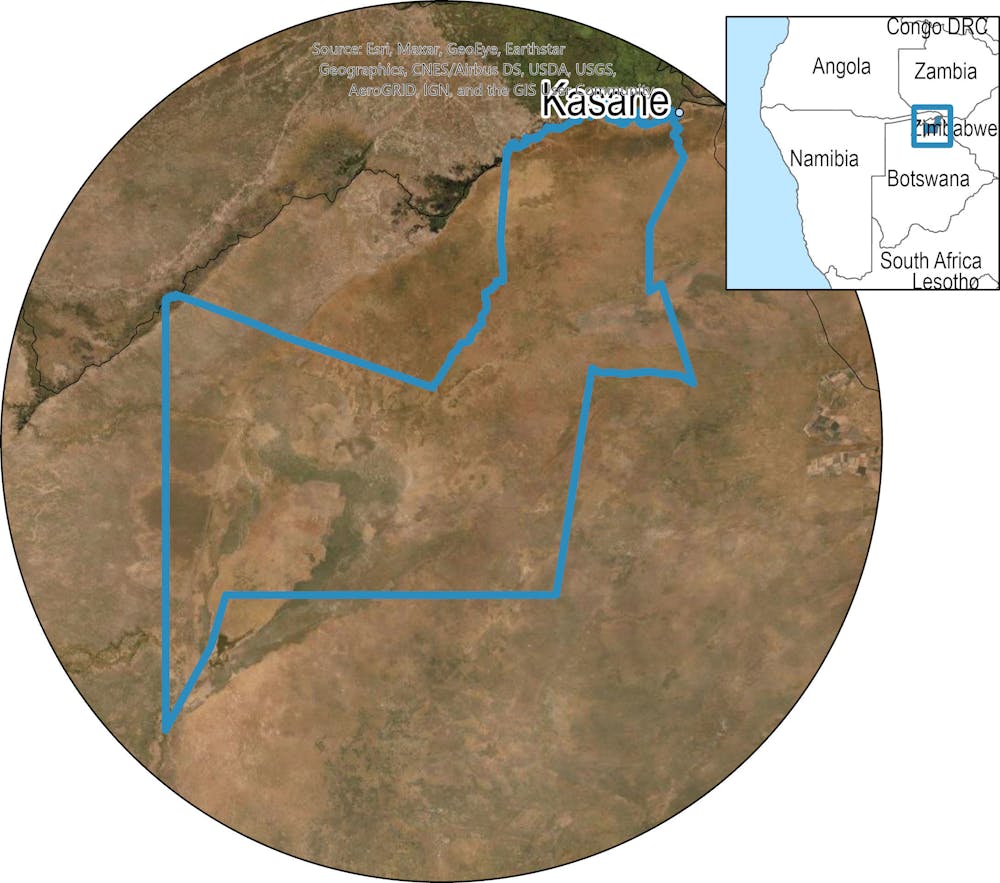
Best-performing countries include Botswana, Hungary and Thailand. Botswana’s protected area estate adequately covers 86% of its ecoregions and 83% of its threatened species.
The worst performing countries — such as Indonesia, Canada and Madagascar — have a long way to go to meet these targets. For example, only 3% of Canada’s ocean waters are under formal protection.
But there are alarming and consistent problems with management. Globally, as much as 90% of marine protected areas have inadequate or below optimum on-site staff capacity. On land, some 47% of protected areas suffer from inadequate staff and budget resources. And the global budget shortfall for protected areas likely exceeds the multi-billion dollar mark.
Threatened species in Australia
Australia’s protected area estate is not immune to these management shortfalls. Between 1997 and 2014, there were more than 1,500 legal changes in Australia that eased restrictions, reduced boundaries or eliminated legal protections in protected areas.
Our research also showed less than 1% of the geographic ranges of the orange-bellied frog (Geocrinia vitellina), carpentarian dunnart (Sminthopsis butleri) and upriver orange mangrove (Bruguiera sexangula) — all threatened species — are protected.
Many of Australia’s savanna ecoregions also have poor levels of protection, including the Mitchell grass downs (less than 3% of its range is protected), Brigalow tropical savanna (less than 5% protected) and southeast Australian temperate savannas (less than 4% protected).
But it’s not all bad news. We found around 36% of Australia’s oceans are protected and 76% of our marine ecoregions have adequate protection.

Previous studies also suggest protected areas governed by Indigenous Australians and local communities effectively reduce deforestation pressure and support similar numbers of species to those inside nationally designated protected areas.
How should funds be used?
Protecting our wild places will not come cheap. One estimate suggests an effective global land-based protected area network would cost US$76 billion annually.
This level of investment would ensure each protected area has sufficient staff, resources and equipment to conserve local species and ecosystems. The spending is justified, given the direct value generated by visits to protected areas around the world is valued at US$600 billion per year.
In Australia, effective conservation typically requires mimicking land and sea use practices that were in place before Europeans arrived, which involves actively managing disturbances such as fire and invasive species.
Funds should also be used to track the biodiversity outcomes of protected areas to make sure they’re meeting their objectives.
Beyond budgets, national governments around the world must be more ambitious when negotiating the next round of international environmental targets, due in mid-2021. These negotiations will define national conservation agendas for the next decade.
Governments must adopt policies that make biodiversity conservation a greater part of broader land and sea management plans. They can, for example, embrace new models for land and sea stewardship that reward good behaviour by farmers, developers and miners.
Budget breakdown
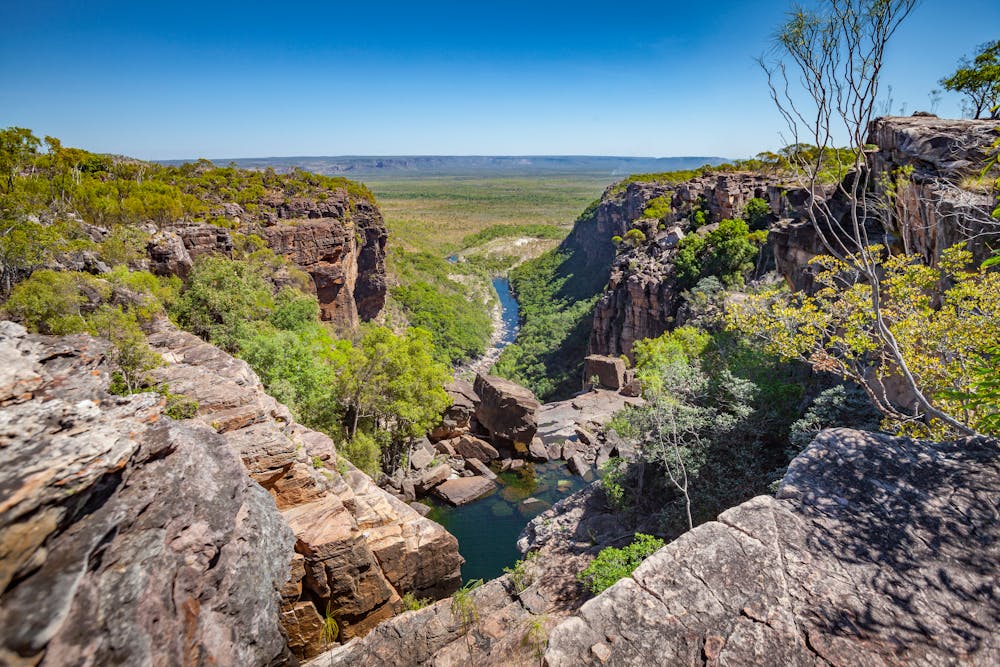
In Australia, most national parks are funded and run by state governments. The federal government, through Parks Australia, is responsible for Kakadu, Uluru-Kata Tjuta, Christmas Island, Pulu Keeling, Booderee and Norfolk Island.
The Commonwealth also plays a key role in funding and managing Australia’s 16 natural World Heritage sites, including K’gari and the Ningaloo Coast.
Of the A$329.2 million allocated in the budget to protect iconic places, A$233.4 million (71%) is set aside for tourism infrastructure in non-World Heritage national parks in Australia.
We calculate this provides about A$18,000 for every hectare of Booderee National Park and national parks on Christmas Island, Norfork Island and Pulu Keeling. Most of this will likely be spent on improving visitor amenities or ensuring nearby businesses can stay open, rather than directed to measures such as invasive species control or fire management.
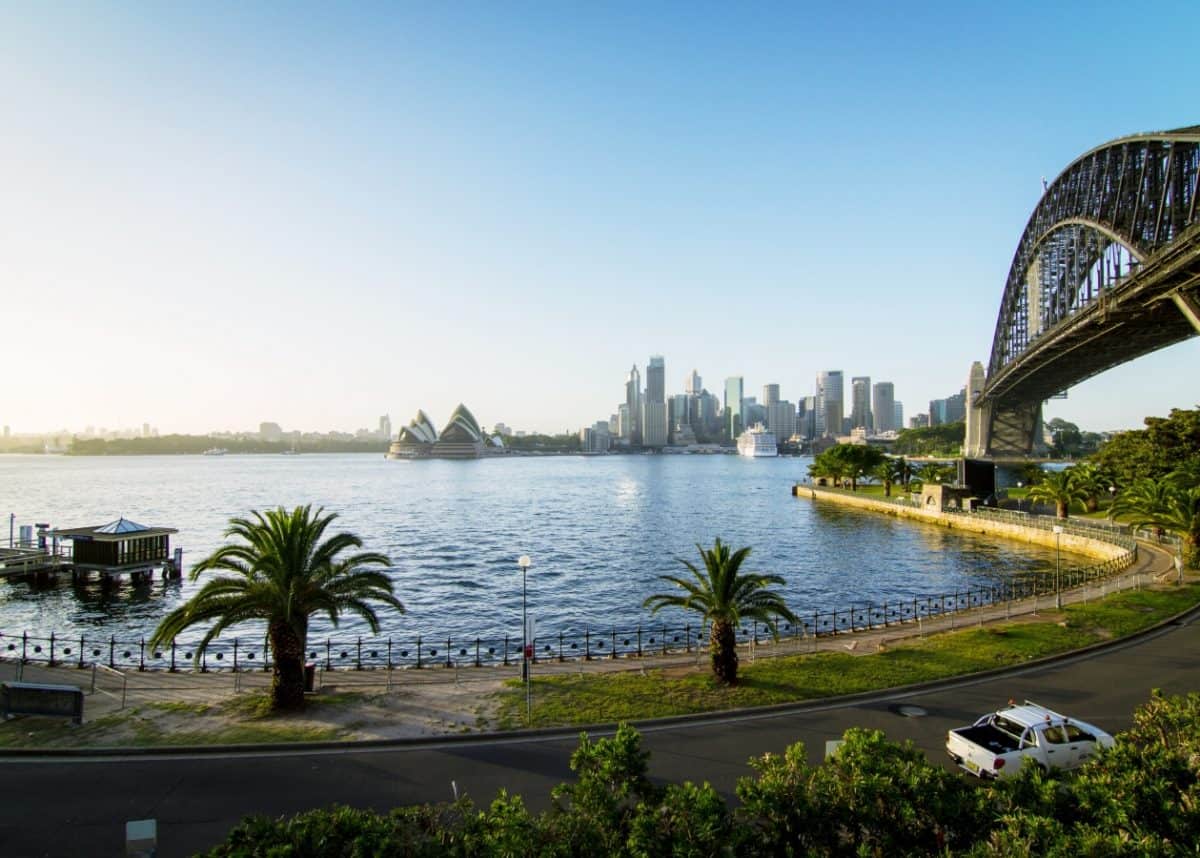
Australia’s 16 natural World Heritage sites will receive just A$33.5 million — less than the $40.6 million promised to maintain and restore historical sites across Sydney Harbour.
A further $23.6 million was promised for compliance, enforcement and monitoring activities across Australia’s marine parks. Enforcing no-take marine protected areas improves species populations and biomass, but this funding boost is grossly inadequate. It equates to just 1 cent for every hectare of Commonwealth-run marine parks.
It’s hard to see how these measures will prevent further ecosystem degradation or species extinctions, when conservation of Australia’s biodiversity heavily relies on protected areas.
In response to this article, a spokesperson for federal Environment Minister Sussan Ley said investment in protecting national parks went beyond infrastructure spending, however infrastructure did assist people to “access parks in a responsible manner”.
Ley’s spokesperson said protecting biodiversity was “a core aspect of park operations” and included eradicating invasive species, and interaction with the National Environmental Science Program and the office of the threatened species commissioner.
In addition to national parks, Australia “also has the world’s largest network of Indigenous protected areas, which the government is already in the process of expanding,” the spokesperson said.







