

• Advertise
  • About us
  • Terms and Conditions
  • Contact us
Saturday, December 6, 2025
Australian Times News
  • News
    • Weather
    • Sport
    • Technology
    • Business & Finance
      • Currency Zone
    • Lotto Results
      • The Lott
  • Lifestyle
    • Entertainment
    • Horoscopes
    • Health & Wellness
    • Recipes
  • Travel
  • Expat Life
  • Move to Australia
No Result
View All Result
  • News
    • Weather
    • Sport
    • Technology
    • Business & Finance
      • Currency Zone
    • Lotto Results
      • The Lott
  • Lifestyle
    • Entertainment
    • Horoscopes
    • Health & Wellness
    • Recipes
  • Travel
  • Expat Life
  • Move to Australia
No Result
View All Result
Australian Times News
No Result
View All Result
Home News

Going cashless isn’t straightforward. Ask Sweden, or Zimbabwe

“No Cash Accepted” signs are increasingly common in Australian shops, thanks to COVID-19. Even before the the pandemic struck, though, we were well along the cashless path, with demand for coins halving between 2013 and 2019.
The Conversation by The Conversation
30-09-2020 01:45
in News
Going cashless isn’t straightforward

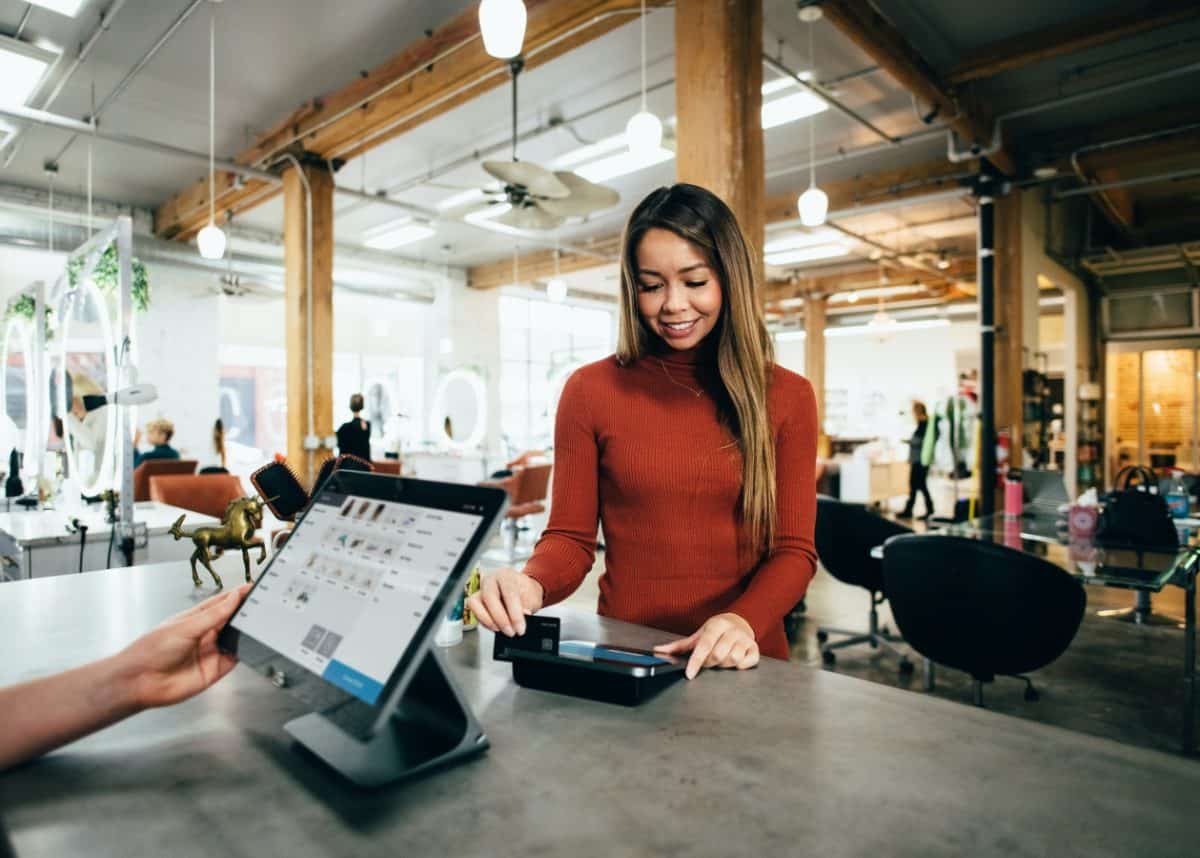
Going cashless isn’t straightforward Photo by Blake Wisz on Unsplash

Chris Vasantkumar, Macquarie University

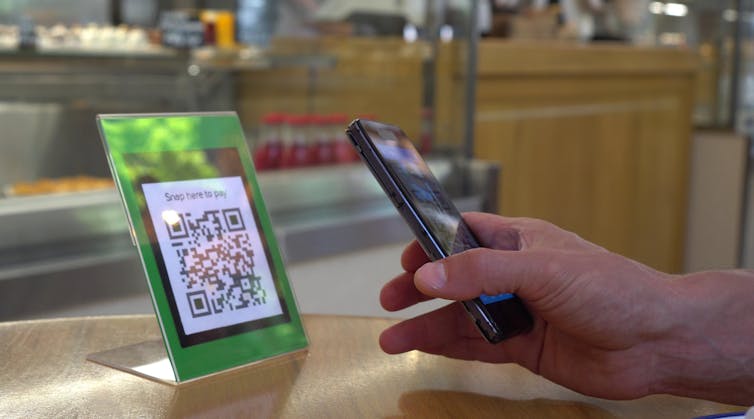
“No Cash Accepted” signs are increasingly common in Australian shops, thanks to COVID-19. Even before the the pandemic struck, though, we were well along the cashless path, with demand for coins halving between 2013 and 2019.

Shutterstock

For the most part Australians have taken cashless payments in their stride. A fully cashless society is often envisaged as inevitable.

But the experiences of Sweden and Zimbabwe, two very different countries that have gone much farther down the path to a cashless society, highlight the pitfalls of such thinking. Sweden shows the need to safeguard access to cash. Zimbabwe shows the importance of the transition not being forced.

Sweden’s cashless experience

Sweden was quick to move toward a cashless society. In the decade to 2018, its central bank, the Riksbank, says the proportion of purchases in shops using cash dropped from about 40% to 13%. Now even panhandlers and public toilets take cards or a mobile payment system called Swish.
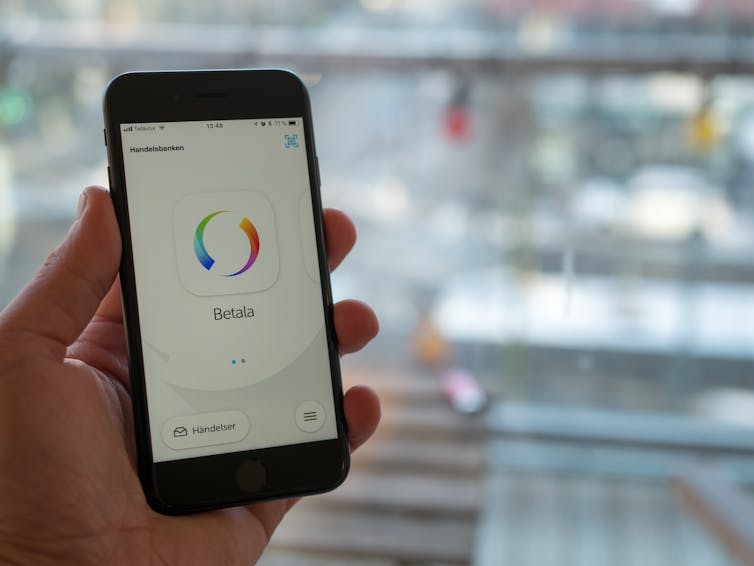
Sweden's Swish app on smart phone.
Sweden’s Swish payment system is widely used. Shutterstock

But the bloom started coming off Sweden’s cashless rose relatively quickly.

Over the past few years Swedes have been increasingly concerned about the elderly, those living in rural areas and people from migrant backgrounds being left behind by businesses switching to Swish no longer accepting cash.


AlsoRead...

Ryan: Building real freedom through e-commerce

Ryan: Building real freedom through e-commerce

27 November 2025
Design Australia Group: Redefining Drafting as the engine of housing growth

Design Australia Group: Redefining Drafting as the engine of housing growth

26 November 2025

Last year all but one of Sweden’s political parties supported new laws requiring Sweden’s major banks to continue to offer cash services across the country.

Britain’s government has also promised to guarantee access to cash, with the UK Treasury drafting legislation based on the Swedish laws.

In Australia, research by the Reserve Bank of Australia (from 2019) suggests about a quarter of the population remain “high cash users”, for whom no longer being able to use cash would be “a major inconvenience or genuine hardship”:

These high cash users are more likely to be older, have lower household income, live in regional areas, and/or have limited internet access.

With the vast majority of Australians still wanting the choice of cash, the moral from Sweden is maintaining access to cash is likely to require regulation.

Zimbabwe’s cashless experience

The lesson from Zimbabwe’s experience with cashless transactions is rather different. It’s about the importance of the move to cashless being voluntary, and occurring organically.

While the conditions shaping Zimbabwe’s experience are unlikely to be replicated in Australia, it is nonetheless worth understanding for the broader moral.

In Sweden the transition to cashless payments was overwhelmingly welcomed. In Zimbabwe, the change was mixed up with bigger economic travails. It was neither wanted nor particularly welcomed.

Zimbabwe’s chequered history of economic crises include hyperinflation hitting 231,000,000% in October 2008. To deal with that problem, in 2009 the government suspended the Zimbabwean dollar and instead allowed Zimbabweans to use foreign currencies as legal tender. US dollars fast became the cash of choice.

This de facto “dollarisation” stabilised the economy, but it also resulted in a scarcity of cash. Supply could not be topped up by the government printing money. The supply of US dollars was also reduced by their use to buy imports as well as being stashed away as savings.

Government attempts to address this cash shortage, such the introduction of a “surrogate currency” in 2014, failed due to the lack of popular trust. Zimbabweans instead turned to electronic payment platforms such as Ecocash, a phone-based money-transfer service. By 2017, 96% of all transactions were electronic.

Use shapes understanding

In Sweden, the transition to cashless payments has not fundamentally affected people’s concepts of money and value.

In Zimbabwe, however, the move toward cashlessness has been experienced as a disruption of pre-existing forms of economic life, rather than their seamless extension.

It is tainted by distrust in government institutions and the value of all money. “Bad cash is better than good plastic!” as one street trader in Bulawayo (Zimbabwe’s second-largest city) told me.

This crisis of trust in the very understanding of money is worth noting at a time when the COVID-19 pandemic accelerates our move to cashless transactions. Changes in everyday economic life brought about by the shift to cashless transactions have the potential to reshape how we understand money in unpredictable ways.

Chris Vasantkumar, Lecturer in Anthropology, Macquarie University

This article is republished from The Conversation under a Creative Commons license. Read the original article.


Tags: SB001
DMCA.com Protection Status

SUBSCRIBE to our NEWSLETTER

[mc4wp_form id=”2384248″]

Don't Miss

The evolution of Aesthetic Surgery through the lens of Dr Kourosh Tavakoli

by Pauline Torongo
4 December 2025
The evolution of Aesthetic Surgery through the lens of Dr. Kourosh Tavakoli
Health & Wellness

As global interest in Australian cosmetic surgery continues to grow, the combination of regulation, research and emerging digital tools is...

Read moreDetails

Ryan: Building real freedom through e-commerce

by Pauline Torongo
27 November 2025
Ryan: Building real freedom through e-commerce
Business & Finance

Ryan’s greatest achievement isn’t any single business or revenue milestone — it’s the ecosystem he’s built through the Change community.

Read moreDetails

Design Australia Group: Redefining Drafting as the engine of housing growth

by Pauline Torongo
26 November 2025
Design Australia Group: Redefining Drafting as the engine of housing growth
Business & Finance

Australia is under pressure to build homes faster, but design bottlenecks slow progress. Design Australia Group is fixing this by...

Read moreDetails

Louis Guy Detata builds Global Trading Empires through autonomous systems and disciplined leadership

by Pauline Torongo
25 November 2025
Louis Guy Detata builds Global Trading Empires through autonomous systems and disciplined leadership
Business & Finance

The path from investment banking to leading a global trading platform has taught Louis Detata that sustainable success requires more...

Read moreDetails

Burning Eucalyptus Wood: Tips, Advantages, Disadvantages & Alternatives

by Fazila Olla-Logday
20 November 2025
Image Supplied
Enviroment

Learn about burning eucalyptus wood for stoves and fireplaces. Discover benefits, drawbacks, harvesting tips, and better alternative firewood options for...

Read moreDetails

Everything Parents Need to Know About Baby Soft Play and Why It’s a Game Changer

by Fazila Olla-Logday
11 November 2025
Everything Parents Need to Know About Baby Soft Play
Health & Wellness

Baby soft play is a fun, safe, and educational way for little ones to explore and grow. Discover the benefits...

Read moreDetails

WOMAD Sets Up a New Camp in Wiltshire – Australian festival fans take note!

by Kris Griffiths
11 November 2025
Kumbia Boruka brought their reggae and dancehall flavour to the Taste the World Stage at WOMAD 2024 - Credit - Mike Massaro
Entertainment

With its 2026 edition moving to Neston Park in England, WOMAD offers Aussie music lovers a chance to reconnect with global...

Read moreDetails
Load More

Copyright © Blue Sky Publications Ltd. All Rights Reserved.
australiantimes.co.uk is a division of Blue Sky Publications Ltd. Reproduction without permission prohibited. DMCA.com Protection Status

  • About us
  • Write for Us
  • Advertise
  • Contact us
  • T&Cs, Privacy and GDPR
No Result
View All Result
  • News
    • Weather
    • Sport
    • Technology
    • Business & Finance
      • Currency Zone
    • Lotto Results
      • The Lott
  • Lifestyle
    • Entertainment
    • Horoscopes
    • Health & Wellness
    • Recipes
  • Travel
  • Expat Life
  • Move to Australia

Copyright © Blue Sky Publications Ltd. All Rights Reserved.
australiantimes.co.uk is a division of Blue Sky Publications Ltd. Reproduction without permission prohibited. DMCA.com Protection Status

No Result
View All Result
  • News
    • Weather
    • Sport
    • Technology
    • Business & Finance
      • Currency Zone
    • Lotto Results
      • The Lott
  • Lifestyle
    • Entertainment
    • Horoscopes
    • Health & Wellness
    • Recipes
  • Travel
  • Expat Life
  • Move to Australia

Copyright © Blue Sky Publications Ltd. All Rights Reserved.
australiantimes.co.uk is a division of Blue Sky Publications Ltd. Reproduction without permission prohibited. DMCA.com Protection Status





