


Tinglong Dai, Johns Hopkins University School of Nursing; Guihua Wang, University of Texas at Dallas, and Ronghuo Zheng, University of Texas at Austin
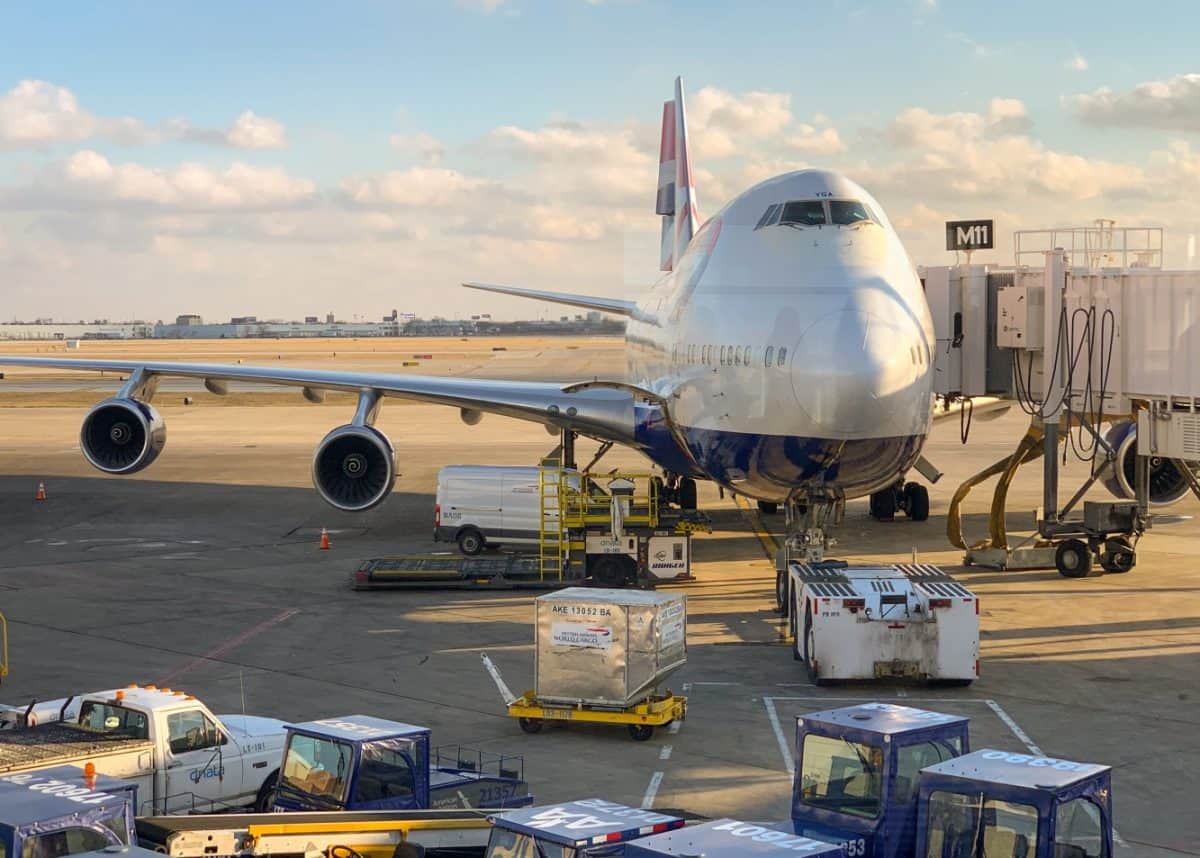
The COVID-19 pandemic has crippled the airline industry. Passenger numbers are down more than two-thirds from last year, and airlines have been canceling flights and shutting down routes.
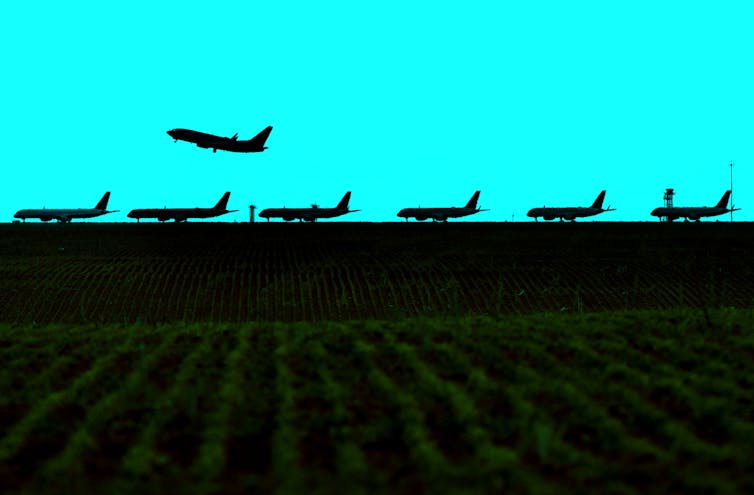
It’s frustrating for travelers, but for patients on organ transplant waitlists, the loss of flights can put a life-saving kidney or heart out of reach.
Our research shows just how valuable each flight route can be for connecting donor organs with people in need of transplants. It also suggests that the industry’s great rebooting in the coming years can be an opportunity to help make the U.S. organ transplantation system more equitable.
As business scholars specializing in the fields of health care operations management, business analytics and economics of information, we believe policymakers need to understand the potential impacts of the airline network on organ transplantation as they guide the post-pandemic recovery of the airline industry.
How the industry recovered in the years following the September 11 terrorist attacks offers important cues.
Racing the clock
Nearly 40,000 transplants were performed in 2019, and yet more than 100,000 patients are on the waitlist for transplants. Each day, 18 people die while waiting for a donor organ.


Organ transplantation is a time-sensitive operation. The time between when an organ is harvested and when it is transplanted, known as “cold ischemia time,” has a significant impact on whether the transplanted kidney will be a success or lose its function. For a kidney from a deceased donor, the maximum allowable time is between 24 and 36 hours.
Whenever a kidney from a deceased donor becomes available, it is offered first to local transplant centers that are closest, followed by other centers in the same region, and finally centers around the country. Every year, about 1,400 kidneys are shipped across regions, typically by commercial flights, and they are racing the clock.
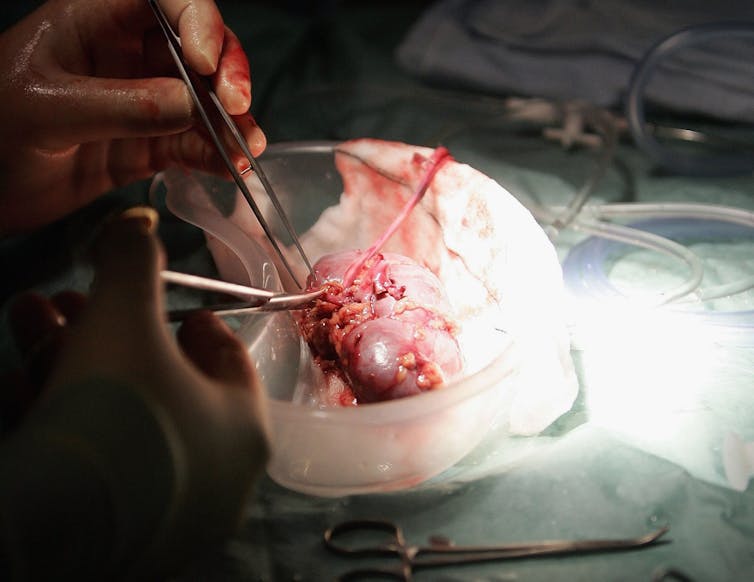
Each flight connection poses a potential danger of missing the time window, as several transplantation professionals described in a recent public forum. In some cases, life-saving organs have gotten lost during flight connections.
Because of those risks, transplant centers may have a strong preference for direct flights when deciding whether to accept a kidney from a remote location. Regions with fewer airline connections are clearly disadvantaged. For example, regular flights make it easier for hospitals near Chicago to share donor organs with those in the Denver region than with other, geographically closer locations, as Dr. John Friedewald of Northwestern University explained.
One recent analysis found that during the COVID-19 pandemic, normally direct flights used for carrying donor organs long distances have been down 65%, and some median wait time between flights increased from 1.5 hours to nearly 5 hours.
Learning from the post-9/11 airline recovery
The September 11 attacks also led to severe disruptions to the U.S. airline industry. By some estimates, the demand for air travel decreased by over 30% following the attacks. It then took nearly four years for capacity to return to the pre-9/11 level. Such a slow recovery offers a unique window into the effect of airline transportation on organ transplantation.
Using data from the U.S. Department of Transportation, we tracked all the airline routes between 2002 and 2017, focusing on airport pairs at least 800 miles apart. Between 2002 and 2005, we observed 18 new airline routes that connected airports previously not served by any direct flight. Then, between 2006 and 2017, another 41 new airline routes were added.
Over our study period, 28,822 kidneys were shared across geographic regions, according to the United Network for Organ Sharing.
We found that each new airline route led to an increase of about 7.3% in the number of kidneys that are sent to transplant centers across regions in the U.S.
Importantly, we found that an increase in the number of kidneys sent between pairs of airports did not decrease the number of kidneys sent elsewhere and that the overall quality of kidneys did not decline. Our research showed that it often takes two to three years for new airline routes to reflect on organ transplantation numbers.
Lessening the inequality in organ sharing
The waiting time for a kidney transplant depends heavily on where the recipient lives. The median waiting time before the pandemic ranged from about four months in Arkansas to more than three years in parts of Northern California.
One primary driver of the inequity is that most organs are matched locally, and different regions have different supply-and-demand characteristics.
Numerous policies have been proposed for expanding the sharing of organs across regions, but most focus on changing how organs are allocated. To make the organ transplantation system more equitable, policymakers also need to pay attention to the role of airline transportation.
The airline industry will experience a slow recovery after the COVID-19 pandemic, and several major airlines are expected to receive billions of dollars in financial assistance from the federal government.
Our research suggests that as policymakers give taxpayer money to airline companies and guide the recovery of this industry, they have a unique opportunity to shape the U.S. airline networks and, in turn, make the U.S. organ transplantation system more equitable.
Tinglong Dai, Associate Professor of Operations Management & Business Analytics, Johns Hopkins Carey Business School, Johns Hopkins University School of Nursing; Guihua Wang, Assistant Professor of Operations Management, University of Texas at Dallas, and Ronghuo Zheng, Assistant Professor of Accounting, University of Texas at Austin
This article is republished from The Conversation under a Creative Commons license. Read the original article.







