• Advertise
  • About us
  • Terms and Conditions
  • Contact us
Saturday, December 6, 2025
Australian Times News
  • News
    • Weather
    • Sport
    • Technology
    • Business & Finance
      • Currency Zone
    • Lotto Results
      • The Lott
  • Lifestyle
    • Entertainment
    • Horoscopes
    • Health & Wellness
    • Recipes
  • Travel
  • Expat Life
  • Move to Australia
No Result
View All Result
  • News
    • Weather
    • Sport
    • Technology
    • Business & Finance
      • Currency Zone
    • Lotto Results
      • The Lott
  • Lifestyle
    • Entertainment
    • Horoscopes
    • Health & Wellness
    • Recipes
  • Travel
  • Expat Life
  • Move to Australia
No Result
View All Result
Australian Times News
No Result
View All Result
Home News

The 2020 Atlantic hurricane season is so intense, it just ran out of storm names – and then two more storms formed

Here’s how active this year’s Atlantic hurricane season has been: When Tropical Storm Wilfred formed on Sept. 18, the National Hurricane Center exhausted its list of storm names for only the second time since naming began in 1950.

The Conversation by The Conversation
20-09-2020 01:55
in News
The 2020 Atlantic hurricane season is so intense, it just ran out of storm names

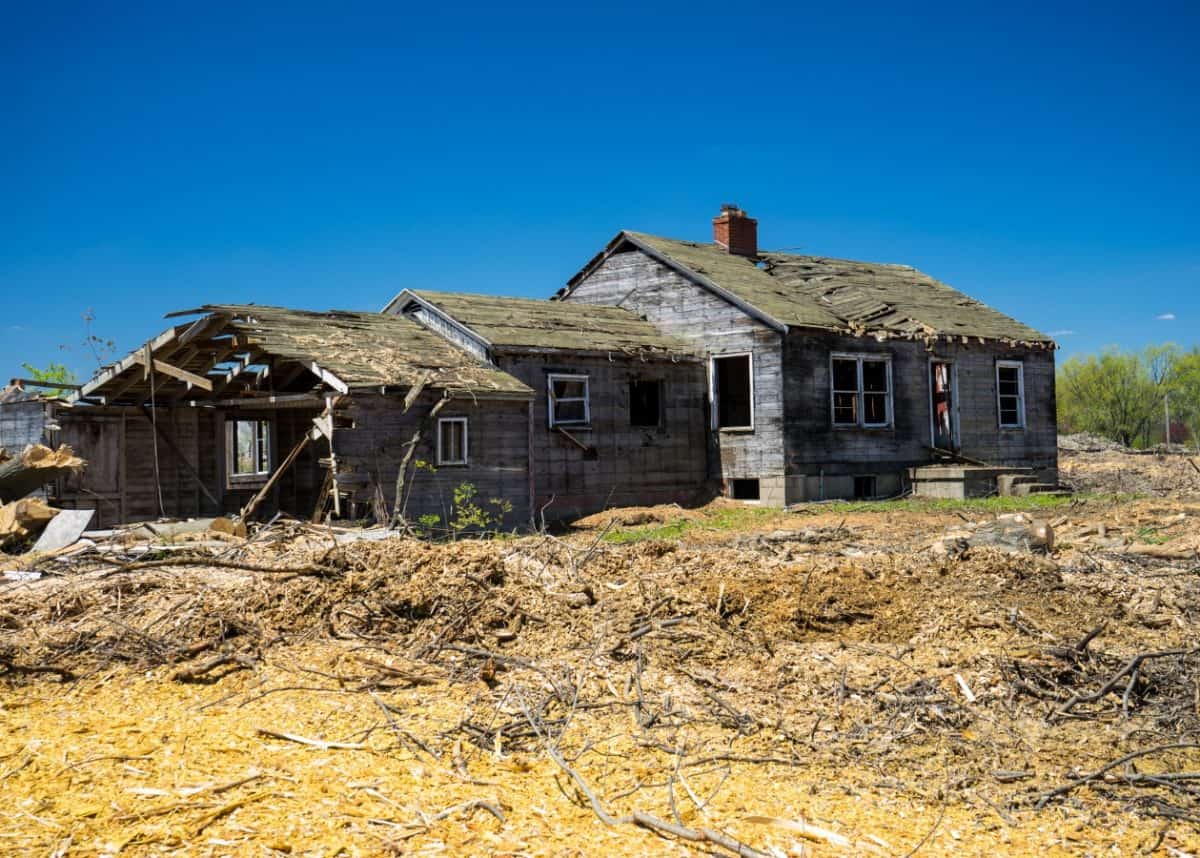
The 2020 Atlantic hurricane season is so intense, it just ran out of storm names Photo by BASIL ANAS on Unsplash

Kimberly Wood, Mississippi State University

Here’s how active this year’s Atlantic hurricane season has been: When Tropical Storm Wilfred formed on Sept. 18, the National Hurricane Center exhausted its list of storm names for only the second time since naming began in 1950. Within hours, two more storm had formed – now known as Alpha and Beta.
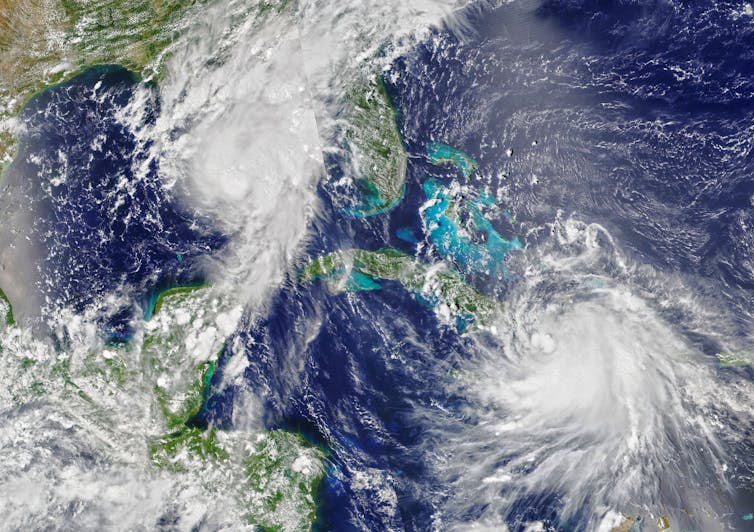
Hurricanes Marco and Laura swept through the Gulf of Mexico just two days apart in August 2020. Joshua Stevens/NASA Earth Observatory

Even more surprising is that we reached the 23rd tropical storm of the year, Beta, more than a month earlier than in 2005, the only other year on record with so many named storms.

The 2020 Atlantic hurricane season is far from over. With the new storms, forecasters shifted from the alphabetical list of people’s names to letters of the Greek alphabet. The 2005 season had six Greek-letter storms, ending with Zeta.

So, why is the Atlantic so active this year? Meteorologists like myself have been following a few important differences, including many tropical storms forming closer to the U.S. coast.

What’s causing so many tropical cyclones?

When a disturbance – a large blob of convective clouds, or thunderstorms – exists over the Atlantic Ocean, certain atmospheric conditions will help it grow into a tropical cyclone.

Warm water and lots of moisture help disturbances gain strength. Low vertical wind shear, meaning the wind speeds and directions don’t change much as you get higher in the atmosphere, is important since this shear can prevent convection from growing. And instability enables parcels of air to rise upward and keep going to build thunderstorms.


AlsoRead...

Ryan: Building real freedom through e-commerce

Ryan: Building real freedom through e-commerce

27 November 2025
Design Australia Group: Redefining Drafting as the engine of housing growth

Design Australia Group: Redefining Drafting as the engine of housing growth

26 November 2025

This year, sea surface temperatures have been above average across much of the Atlantic Ocean and wind shear has been below average. That means it’s been more conducive than usual to the formation of tropical cyclones.

La Niña probably also has something to do with it. La Niña is El Niño’s opposite – it happens when sea surface temperatures in the eastern and central Pacific are below average. That cooling affects weather patterns across the U.S. and elsewhere, including weakening wind shear in the Atlantic basin. NOAA determined in early September that we had entered a La Niña climate pattern. That pattern has been building up for weeks, so these trending conditions could have contributed to how favorable the Atlantic has been to tropical cyclones this year.
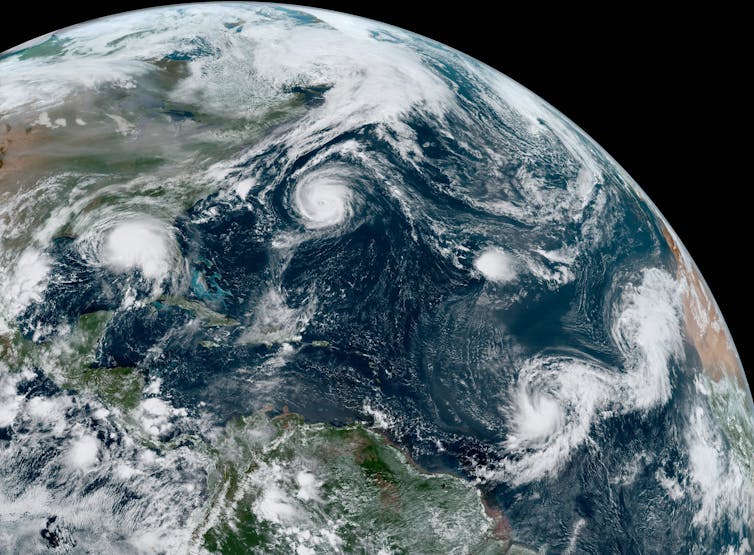
Satellite image of five tropical storms.
The storms Paulette, Rene, Sally, Teddy and Vicky were all active in the Atlantic on Sept. 14, 2020. NOAA

An unusual twist off the US coast

Four hurricanes have hit the U.S. coast this year – Hanna, Isaias, Laura and Sally, which is more than usual by this point in the hurricane season. But we also have observed many short-lived tropical storms that had less impact.

When a tropical cyclone develops from a disturbance that forms over Africa, it has a lot of ocean ahead of it with room to get organized and gain strength.

But this year, many storms have formed farther north, closer to the U.S. coast.

Most came from disturbances that didn’t look too promising – until they moved over the Gulf Stream. The Gulf Stream is a large ocean current that carries warm water from the Gulf of Mexico, up the East Coast and into the North Atlantic. Tropical cyclones typically need sea surface temperatures over 80 degrees Fahrenheit to form, and the warm water along the Gulf Stream can help disturbances spin up into tropical cyclones.

Because these tropical storms were already fairly far north, however, they didn’t have much time to gain strength. Meteorologists haven’t yet studied why so many storms formed this way this season, but it’s possible that it’s due to both warmer-than-normal Atlantic Ocean waters and the position of the Gulf Stream.

Lots of firsts as the season breaks records

One of the biggest surprises this year has been how consistently we have been breaking records for earliest named storm for their rank. For example, Edouard became the earliest fifth named storm on July 6, beating 2005’s Emily by a week. Fay was the earliest sixth named storm, showing up almost two weeks earlier than Franklin did in 2005.

Wilfred was the earliest to run out the list of designated storm names. In 2005, Hurricane Wilma formed on Oct. 17, but it ended up being the year’s 22nd named storm chronologically, not the 21st like Wilfred, because an unnamed subtropical storm formed on Oct. 4. The National Hurricane Center discovered this unnamed storm during a post-season analysis.

In all, the 2005 season had 28 qualifying storms. The list of Atlantic tropical cyclone names skips letters where easy-to-distinguish names are harder to find, like Q and Z, then moves to the Greek alphabet. Could we run out of Greek letters before hurricane season ends on Nov. 30? I don’t think anyone’s ready to consider that.

This article has been updated with Tropical Storm Beta forming.

[Get our best science, health and technology stories. Sign up for The Conversation’s science newsletter.]

Kimberly Wood, Assistant Professor of Meteorology, Mississippi State University

This article is republished from The Conversation under a Creative Commons license. Read the original article.


Tags: SB001
DMCA.com Protection Status

SUBSCRIBE to our NEWSLETTER

[mc4wp_form id=”2384248″]

Don't Miss

The evolution of Aesthetic Surgery through the lens of Dr Kourosh Tavakoli

by Pauline Torongo
4 December 2025
The evolution of Aesthetic Surgery through the lens of Dr. Kourosh Tavakoli
Health & Wellness

As global interest in Australian cosmetic surgery continues to grow, the combination of regulation, research and emerging digital tools is...

Read moreDetails

Ryan: Building real freedom through e-commerce

by Pauline Torongo
27 November 2025
Ryan: Building real freedom through e-commerce
Business & Finance

Ryan’s greatest achievement isn’t any single business or revenue milestone — it’s the ecosystem he’s built through the Change community.

Read moreDetails

Design Australia Group: Redefining Drafting as the engine of housing growth

by Pauline Torongo
26 November 2025
Design Australia Group: Redefining Drafting as the engine of housing growth
Business & Finance

Australia is under pressure to build homes faster, but design bottlenecks slow progress. Design Australia Group is fixing this by...

Read moreDetails

Louis Guy Detata builds Global Trading Empires through autonomous systems and disciplined leadership

by Pauline Torongo
25 November 2025
Louis Guy Detata builds Global Trading Empires through autonomous systems and disciplined leadership
Business & Finance

The path from investment banking to leading a global trading platform has taught Louis Detata that sustainable success requires more...

Read moreDetails

Burning Eucalyptus Wood: Tips, Advantages, Disadvantages & Alternatives

by Fazila Olla-Logday
20 November 2025
Image Supplied
Enviroment

Learn about burning eucalyptus wood for stoves and fireplaces. Discover benefits, drawbacks, harvesting tips, and better alternative firewood options for...

Read moreDetails

Everything Parents Need to Know About Baby Soft Play and Why It’s a Game Changer

by Fazila Olla-Logday
11 November 2025
Everything Parents Need to Know About Baby Soft Play
Health & Wellness

Baby soft play is a fun, safe, and educational way for little ones to explore and grow. Discover the benefits...

Read moreDetails

WOMAD Sets Up a New Camp in Wiltshire – Australian festival fans take note!

by Kris Griffiths
11 November 2025
Kumbia Boruka brought their reggae and dancehall flavour to the Taste the World Stage at WOMAD 2024 - Credit - Mike Massaro
Entertainment

With its 2026 edition moving to Neston Park in England, WOMAD offers Aussie music lovers a chance to reconnect with global...

Read moreDetails
Load More

Copyright © Blue Sky Publications Ltd. All Rights Reserved.
australiantimes.co.uk is a division of Blue Sky Publications Ltd. Reproduction without permission prohibited. DMCA.com Protection Status

  • About us
  • Write for Us
  • Advertise
  • Contact us
  • T&Cs, Privacy and GDPR
No Result
View All Result
  • News
    • Weather
    • Sport
    • Technology
    • Business & Finance
      • Currency Zone
    • Lotto Results
      • The Lott
  • Lifestyle
    • Entertainment
    • Horoscopes
    • Health & Wellness
    • Recipes
  • Travel
  • Expat Life
  • Move to Australia

Copyright © Blue Sky Publications Ltd. All Rights Reserved.
australiantimes.co.uk is a division of Blue Sky Publications Ltd. Reproduction without permission prohibited. DMCA.com Protection Status

No Result
View All Result
  • News
    • Weather
    • Sport
    • Technology
    • Business & Finance
      • Currency Zone
    • Lotto Results
      • The Lott
  • Lifestyle
    • Entertainment
    • Horoscopes
    • Health & Wellness
    • Recipes
  • Travel
  • Expat Life
  • Move to Australia

Copyright © Blue Sky Publications Ltd. All Rights Reserved.
australiantimes.co.uk is a division of Blue Sky Publications Ltd. Reproduction without permission prohibited. DMCA.com Protection Status