

• Advertise
  • About us
  • Terms and Conditions
  • Contact us
Thursday, May 14, 2026
Australian Times News
  • News
    • Weather
    • Sport
    • Technology
    • Business & Finance
      • Currency Zone
    • Lotto Results
      • The Lott
  • Lifestyle
    • Entertainment
    • Horoscopes
    • Health & Wellness
    • Recipes
  • Travel
  • Expat Life
  • Move to Australia
No Result
View All Result
  • News
    • Weather
    • Sport
    • Technology
    • Business & Finance
      • Currency Zone
    • Lotto Results
      • The Lott
  • Lifestyle
    • Entertainment
    • Horoscopes
    • Health & Wellness
    • Recipes
  • Travel
  • Expat Life
  • Move to Australia
No Result
View All Result
Australian Times News
No Result
View All Result
Home News

Federal Reserve hopes years of zero rates will spur inflation – but there are risks

The U.S. economy is far from healthy and inflation has been relatively subdued in recent years, which can hurt growth.

The Conversation by The Conversation
18-09-2020 18:05
in News
Moderate price growth is a sign of a growing economy

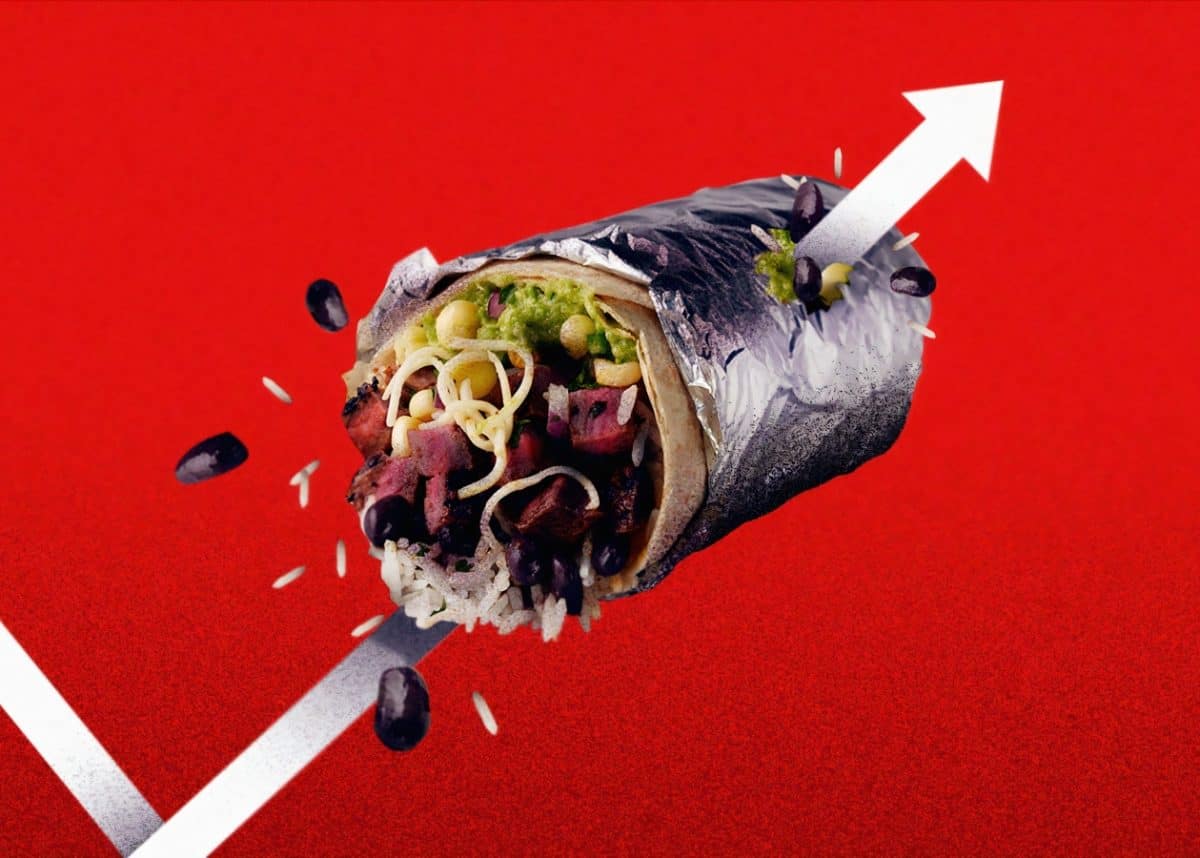
Moderate price growth is a sign of a growing economy Photo by Morning Brew on Unsplash

Richard S. Warr, North Carolina State University

In a healthy economy, prices tend to go up – a process called inflation.

Prices tend to go up over time. SelectStock/E+ via Getty Images

While you might not like that as a consumer, moderate price growth is a sign of a growing economy. And, historically at least, wages tend to go up at about the same pace during periods of inflation.

But right now, the U.S. economy is far from healthy and inflation has been relatively subdued in recent years, which can hurt growth. This has prompted the Federal Reserve to pledge to keep interest rates at basically zero until at least through 2023 and try to spur inflation by allowing it to rise above the 2% sweet spot it targets for the economy.

I’ve been studying inflation and its impact for many years. A closer look at how inflation works helps show why getting inflation just right, neither too low nor too high, will be very tricky.

What is inflation?

Inflation is defined as the rate of change in the prices of everything from a bar of Ivory soap to the cost of an eye exam.

In the U.S., the most commonly used measure of inflation is based on something called the consumer price index. Simply put, the index is the average price of a basket of goods and services that households typically purchase. It’s often used to determine pay raises or to adjust benefits for retirees. The year-over-year change is what we call the inflation rate.


AlsoRead...

Svitla Systems

Svitla Systems acquires Australia’s Kiandra IT to expand Global Engineering Footprint and Accelerate AI-Driven delivery

11 May 2026
How Clevero is helping Australian Service Businesses compete with Enterprises on a Fraction of the Budget

How Clevero is helping Australian Service Businesses compete with Enterprises on a Fraction of the Budget

28 April 2026

The index was up just 1.3% in August from a year earlier. But this is an average across a range of categories. For example, meats, poultry, fish and eggs climbed 7.1%, while the price of airline fares fell 23%. Clearly, the actual change in cost of living will vary from person to person depending on how they spend their money.

A moderate amount of inflation is generally considered to be a sign of a healthy economy, because as the economy grows, demand for stuff increases. This increase in demand pushes prices a little higher as suppliers try to create more of the things that consumers and businesses want to buy. Workers benefit because this economic growth drives an increase in demand for labor, and as a result, wages usually increase.

Finally, these workers with higher wages go out and buy more stuff, and so this “virtuous” cycle continues. Inflation isn’t really causing all this to happen – it is merely the symptom of a healthy, growing economy.

But when inflation is too low – or too high – a “vicious” cycle can take its place.

Why low inflation is bad

Very low inflation usually signals demand for goods and services is lower than it should be, and this tends to slow economic growth and depress wages. This low demand can even lead to a recession with increases in unemployment – as we saw a decade ago during the Great Recession.

Deflation, or falling prices, is particularly bad. When prices are decreasing, consumers will delay purchases. For example, why buy a new washing machine today if you could wait a few months to get it cheaper?

Deflation also discourages lending because it leads to lower interest rates. Lenders typically don’t want to lend money at rates that give them a very small return.

Fortunately, deflation is rare in developed economies.

And too much can be even worse

But getting the balance right isn’t easy. Too much inflation can cause the same problems as low inflation.

If left unchecked, inflation could spike, which would likely cause the economy to slow down quickly and unemployment to increase. The combination of rising inflation and unemployment is called “stagflation,” and is feared by economists, central bankers and pretty much everyone else.

It’s what can cause an economic boom to suddenly turn to bust, as Americans saw in the late 1970s. The Fed managed to reduce inflation to normal levels only after driving up short-term interest rates to a record 20% in 1979.

A balancing act

So the Fed has to tread carefully as it seeks to steer the economy through the worst recession since the Great Depression.

Its new policy allowing inflation to rise higher than its 2% target should allow it to strengthen the economy for a longer period and avoid raising rates too soon. But there’s a risk. If inflation rises too much above the target, it could spiral out of control like it did in the 1970s.

[Deep knowledge, daily. Sign up for The Conversation’s newsletter.]

Getting it just right – goosing growth without inviting too much inflation – is a tricky endeavor. Fortunately, the Fed is typically very cautious, and although it expects to keep rates at zero through 2023, raising them is well within its powers if inflation does get out of hand before then.

This article is an updated version of a story published on Feb. 14, 2019.

Richard S. Warr, Professor of Finance, North Carolina State University

This article is republished from The Conversation under a Creative Commons license. Read the original article.


Tags: SB001
DMCA.com Protection Status

SUBSCRIBE to our NEWSLETTER

[mc4wp_form id=”2384248″]

Don't Miss

Svitla Systems acquires Australia’s Kiandra IT to expand Global Engineering Footprint and Accelerate AI-Driven delivery

by Pauline Torongo
11 May 2026
Svitla Systems
Business & Finance

Acquisition marks Svitla’s entry into the Australian market and strengthens capabilities in low-code, Microsoft technologies, and enterprise software engineering.

Read moreDetails

Residential Healthcare Practices: Revolution or Evolution?

by Pauline Torongo
11 May 2026
Residential Healthcare Practices: Revolution or Evolution?
Lifestyle

President Bill Lutz’s "revolution" was born from his background in fine dining, which instilled a disciplined, customer-focused approach.

Read moreDetails

Medicana Health Group launches HPV vaccination campaign to support cervical cancer prevention

by Pauline Torongo
28 April 2026
Medicana Health Group launches HPV vaccination campaign to support cervical cancer prevention
Health & Wellness

The Türkiye-based healthcare group has introduced a new awareness campaign focused on HPV vaccination, regular check-ups and early detection, with...

Read moreDetails

How Clevero is helping Australian Service Businesses compete with Enterprises on a Fraction of the Budget

by Pauline Torongo
28 April 2026
How Clevero is helping Australian Service Businesses compete with Enterprises on a Fraction of the Budget
Business & Finance

By consolidating CRM, scheduling, workflow automation, invoicing, reporting, and client communications into a single platform, Clevero gives smaller operators the...

Read moreDetails

How CJAM Group is building 1,100 homes across Southeast Queensland

by Pauline Torongo
24 March 2026
How CJAM Group is building 1,100 homes across Southeast Queensland
Lifestyle

The CJAM Group founder is quietly building a 1,100+ home pipeline, with projects in Hervey Bay and Toowoomba, using a...

Read moreDetails

Design Without Compromise: Where Gutter Protection Meets Modern Architecture

by Fazila Olla-Logday
20 March 2026
Design Without Compromise: Where Gutter Protection Meets Modern Architecture
Business & Finance

Design without compromise by integrating gutter protection seamlessly into modern architecture. Discover how innovative gutter systems enhance your home’s aesthetics...

Read moreDetails

How WageSafe Secured Australia’s Most Reputable Retail Business Among Its Premium Clients

by Fazila Olla-Logday
12 March 2026
How WageSafe Secured Australia’s Most Reputable Retail Business Among Its Premium Clients
at

Learn how WageSafe helps businesses stay compliant with payroll and wage regulations through reliable monitoring, risk management, and expert support—protecting...

Read moreDetails
Load More

Copyright © Blue Sky Publications Ltd. All Rights Reserved.
australiantimes.co.uk is a division of Blue Sky Publications Ltd. Reproduction without permission prohibited. DMCA.com Protection Status

  • About us
  • Write for Us
  • Advertise
  • Contact us
  • T&Cs, Privacy and GDPR
No Result
View All Result
  • News
    • Weather
    • Sport
    • Technology
    • Business & Finance
      • Currency Zone
    • Lotto Results
      • The Lott
  • Lifestyle
    • Entertainment
    • Horoscopes
    • Health & Wellness
    • Recipes
  • Travel
  • Expat Life
  • Move to Australia

Copyright © Blue Sky Publications Ltd. All Rights Reserved.
australiantimes.co.uk is a division of Blue Sky Publications Ltd. Reproduction without permission prohibited. DMCA.com Protection Status

No Result
View All Result
  • News
    • Weather
    • Sport
    • Technology
    • Business & Finance
      • Currency Zone
    • Lotto Results
      • The Lott
  • Lifestyle
    • Entertainment
    • Horoscopes
    • Health & Wellness
    • Recipes
  • Travel
  • Expat Life
  • Move to Australia

Copyright © Blue Sky Publications Ltd. All Rights Reserved.
australiantimes.co.uk is a division of Blue Sky Publications Ltd. Reproduction without permission prohibited. DMCA.com Protection Status





