

• Advertise
  • About us
  • Terms and Conditions
  • Contact us
Saturday, December 6, 2025
Australian Times News
  • News
    • Weather
    • Sport
    • Technology
    • Business & Finance
      • Currency Zone
    • Lotto Results
      • The Lott
  • Lifestyle
    • Entertainment
    • Horoscopes
    • Health & Wellness
    • Recipes
  • Travel
  • Expat Life
  • Move to Australia
No Result
View All Result
  • News
    • Weather
    • Sport
    • Technology
    • Business & Finance
      • Currency Zone
    • Lotto Results
      • The Lott
  • Lifestyle
    • Entertainment
    • Horoscopes
    • Health & Wellness
    • Recipes
  • Travel
  • Expat Life
  • Move to Australia
No Result
View All Result
Australian Times News
No Result
View All Result
Home News

Biodiversity loss could be making us sick – here’s why

Urban living brings many benefits, but city dwellers worldwide are seeing a rapid increase in noncommunicable health problems, such as asthma and inflammatory bowel disease.
The Conversation by The Conversation
05-08-2020 01:45
in News
Biodiversity loss could be making us sick

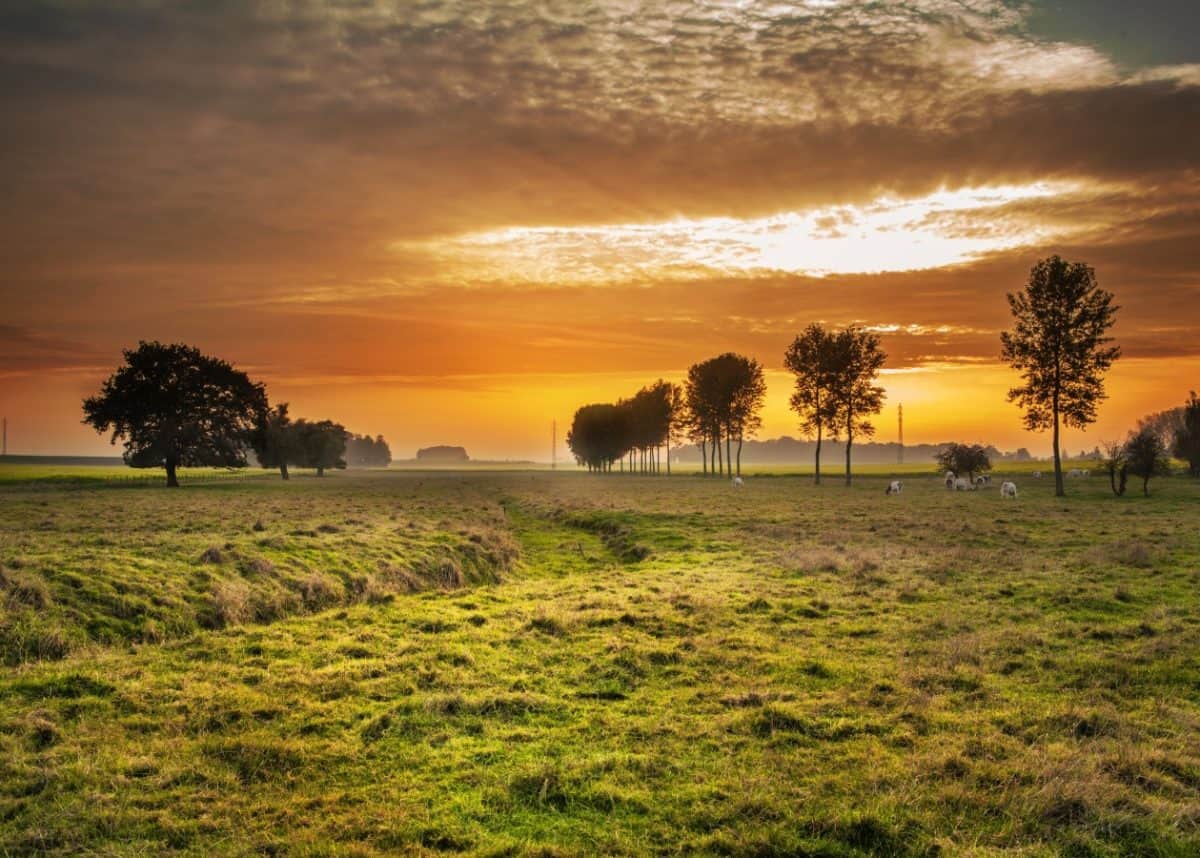
Biodiversity loss could be making us sick Photo by Kenneth Thewissen on Unsplash

Jake M. Robinson, University of Sheffield

By 2050, 70% of the world’s population is expected to live in towns and cities. Urban living brings many benefits, but city dwellers worldwide are seeing a rapid increase in noncommunicable health problems, such as asthma and inflammatory bowel disease.

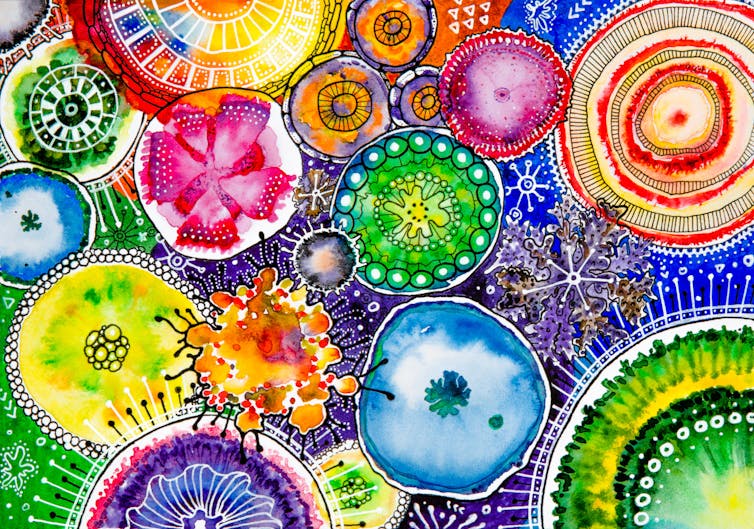
Olis Design/Shutterstock

Some scientists now think this is linked to biodiversity loss – the ongoing depletion of the varied forms of life on Earth. The rate at which different species go extinct is currently a thousand times higher than the historical background rate.

Microbial diversity is a large part of the biodiversity that is being lost. And these microbes – bacteria, viruses and fungi, among others – are essential for maintaining healthy ecosystems. Because humans are a part of these ecosystems, our health also suffers when they vanish, or when barriers reduce our exposure to them.

The inner ecosystem

Our gut, skin and airways harbour distinct microbiomes – vast networks of microbes that exist in different environments. The human gut alone harbours up to 100 trillion microbes, which outnumbers our own human cells. Our microbes provide services that are integral to our survival, such as processing food and providing chemicals that support brain function.
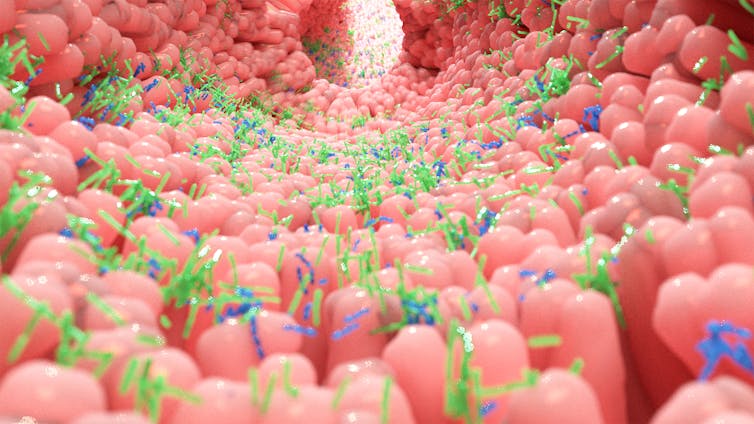
A model of the human intestine covered in bacteria.
Each person’s gut contains its own unique microbiome. Alpha Tauri 3D Graphics/Shutterstock

Contact with a diverse range of microbes in our environment is also essential for bolstering our immune system. Microbes found in environments closer to the ones we evolved in, such as woodlands and grasslands, are called “old friend” microbes by some microbiologists. That’s because they play a major role in “educating” our immune systems.

Part of our immune system is fast-acting and non-specific, which means it attacks all substances in the absence of proper regulation. Old friend microbes from our environment help provide this regulatory role. They can also stimulate chemicals that help to control inflammation and prevent our bodies from attacking our own cells, or innocuous substances like pollen and dust.


AlsoRead...

Ryan: Building real freedom through e-commerce

Ryan: Building real freedom through e-commerce

27 November 2025
Design Australia Group: Redefining Drafting as the engine of housing growth

Design Australia Group: Redefining Drafting as the engine of housing growth

26 November 2025

Exposure to a diverse range of microbes allows our bodies to mount an effective defensive response against pathogens. Another part of our immune system produces tiny armies of “memory cells” that maintain a record of all the pathogens our bodies encounter. This enables a rapid and effective immune response to similar pathogens in the future.

To help fight infectious diseases like COVID-19, we need healthy immune systems. But this is impossible without support from diverse microbiomes. Just as microbes have important roles in ecosystems, by helping plants grow and recycling soil nutrients, they also provide our bodies with nutrients and health-sustaining chemicals that promote good physical and mental health. This strengthens our resilience when facing diseases and other stressful times in our lives.

But our cities are often lacking in biodiversity. Most of us have swapped green and blue spaces for grey spaces – the concrete jungle. As a result, urban dwellers are far less exposed to a diversity of health-promoting microbes. Pollution can affect the urban microbiome too. Air pollutants can alter pollen so that it’s more likely to cause an allergic reaction.

“Germaphobia”, the perception that all microbes are bad, compounds these effects by encouraging many of us to sterilise all of the surfaces in our homes, and often prevents children from going outside and playing in dirt. The soil is one of the most biodiverse habitats on Earth, so urban lifestyles can really disadvantage young people by severing this vital connection.
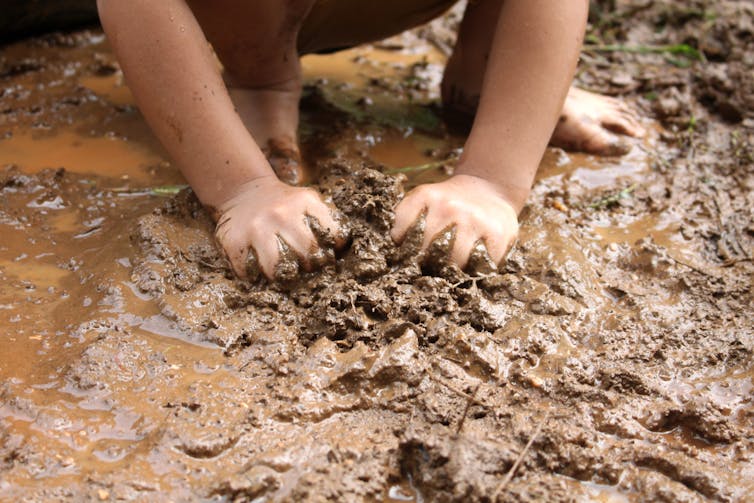
A child's hands playing with mud in a puddle.
Children need diverse microbiomes in their environment to develop healthy immune systems. The_Fairhead/Shutterstock

People living in more deprived urban areas have poorer health, shorter life expectancies and higher rates of infections. It’s no coincidence that these communities often lack accessible, high quality green and blue spaces. They’re also less likely to be able to afford, or have the time and energy to enjoy affordable fruit and vegetables.

What can we do?

We need to get serious about the urban microbiome.

Restoring natural habitats can help increase biodiversity and the health of city residents. Growing more diverse native plants, creating safe, inclusive and accessible green spaces and rewilding inner city and suburban parks can restore microbial diversity in urban life.

Our research is helping urban designers restore habitats in cities that can promote healthy interactions between residents and environmental microbes.

But access to these green and blue spaces, and affordable nutrition, must be improved. Support for allotments and community gardens could provide free, nutritious food and exposure to helpful microbes in one fell swoop, while sessions that teach people how to grow their own food could be prescribed by health professionals.

Promoting connections with nature – including the microbes many of us currently shun – should be a key part of any post-pandemic recovery strategy. We must protect and promote the invisible biodiversity that is vital to our personal and planetary health.

Jake M. Robinson, PhD Researcher, Department of Landscape, University of Sheffield

This article is republished from The Conversation under a Creative Commons license. Read the original article.


Tags: SB001
DMCA.com Protection Status

SUBSCRIBE to our NEWSLETTER

[mc4wp_form id=”2384248″]

Don't Miss

The evolution of Aesthetic Surgery through the lens of Dr Kourosh Tavakoli

by Pauline Torongo
4 December 2025
The evolution of Aesthetic Surgery through the lens of Dr. Kourosh Tavakoli
Health & Wellness

As global interest in Australian cosmetic surgery continues to grow, the combination of regulation, research and emerging digital tools is...

Read moreDetails

Ryan: Building real freedom through e-commerce

by Pauline Torongo
27 November 2025
Ryan: Building real freedom through e-commerce
Business & Finance

Ryan’s greatest achievement isn’t any single business or revenue milestone — it’s the ecosystem he’s built through the Change community.

Read moreDetails

Design Australia Group: Redefining Drafting as the engine of housing growth

by Pauline Torongo
26 November 2025
Design Australia Group: Redefining Drafting as the engine of housing growth
Business & Finance

Australia is under pressure to build homes faster, but design bottlenecks slow progress. Design Australia Group is fixing this by...

Read moreDetails

Louis Guy Detata builds Global Trading Empires through autonomous systems and disciplined leadership

by Pauline Torongo
25 November 2025
Louis Guy Detata builds Global Trading Empires through autonomous systems and disciplined leadership
Business & Finance

The path from investment banking to leading a global trading platform has taught Louis Detata that sustainable success requires more...

Read moreDetails

Burning Eucalyptus Wood: Tips, Advantages, Disadvantages & Alternatives

by Fazila Olla-Logday
20 November 2025
Image Supplied
Enviroment

Learn about burning eucalyptus wood for stoves and fireplaces. Discover benefits, drawbacks, harvesting tips, and better alternative firewood options for...

Read moreDetails

Everything Parents Need to Know About Baby Soft Play and Why It’s a Game Changer

by Fazila Olla-Logday
11 November 2025
Everything Parents Need to Know About Baby Soft Play
Health & Wellness

Baby soft play is a fun, safe, and educational way for little ones to explore and grow. Discover the benefits...

Read moreDetails

WOMAD Sets Up a New Camp in Wiltshire – Australian festival fans take note!

by Kris Griffiths
11 November 2025
Kumbia Boruka brought their reggae and dancehall flavour to the Taste the World Stage at WOMAD 2024 - Credit - Mike Massaro
Entertainment

With its 2026 edition moving to Neston Park in England, WOMAD offers Aussie music lovers a chance to reconnect with global...

Read moreDetails
Load More

Copyright © Blue Sky Publications Ltd. All Rights Reserved.
australiantimes.co.uk is a division of Blue Sky Publications Ltd. Reproduction without permission prohibited. DMCA.com Protection Status

  • About us
  • Write for Us
  • Advertise
  • Contact us
  • T&Cs, Privacy and GDPR
No Result
View All Result
  • News
    • Weather
    • Sport
    • Technology
    • Business & Finance
      • Currency Zone
    • Lotto Results
      • The Lott
  • Lifestyle
    • Entertainment
    • Horoscopes
    • Health & Wellness
    • Recipes
  • Travel
  • Expat Life
  • Move to Australia

Copyright © Blue Sky Publications Ltd. All Rights Reserved.
australiantimes.co.uk is a division of Blue Sky Publications Ltd. Reproduction without permission prohibited. DMCA.com Protection Status

No Result
View All Result
  • News
    • Weather
    • Sport
    • Technology
    • Business & Finance
      • Currency Zone
    • Lotto Results
      • The Lott
  • Lifestyle
    • Entertainment
    • Horoscopes
    • Health & Wellness
    • Recipes
  • Travel
  • Expat Life
  • Move to Australia

Copyright © Blue Sky Publications Ltd. All Rights Reserved.
australiantimes.co.uk is a division of Blue Sky Publications Ltd. Reproduction without permission prohibited. DMCA.com Protection Status





